

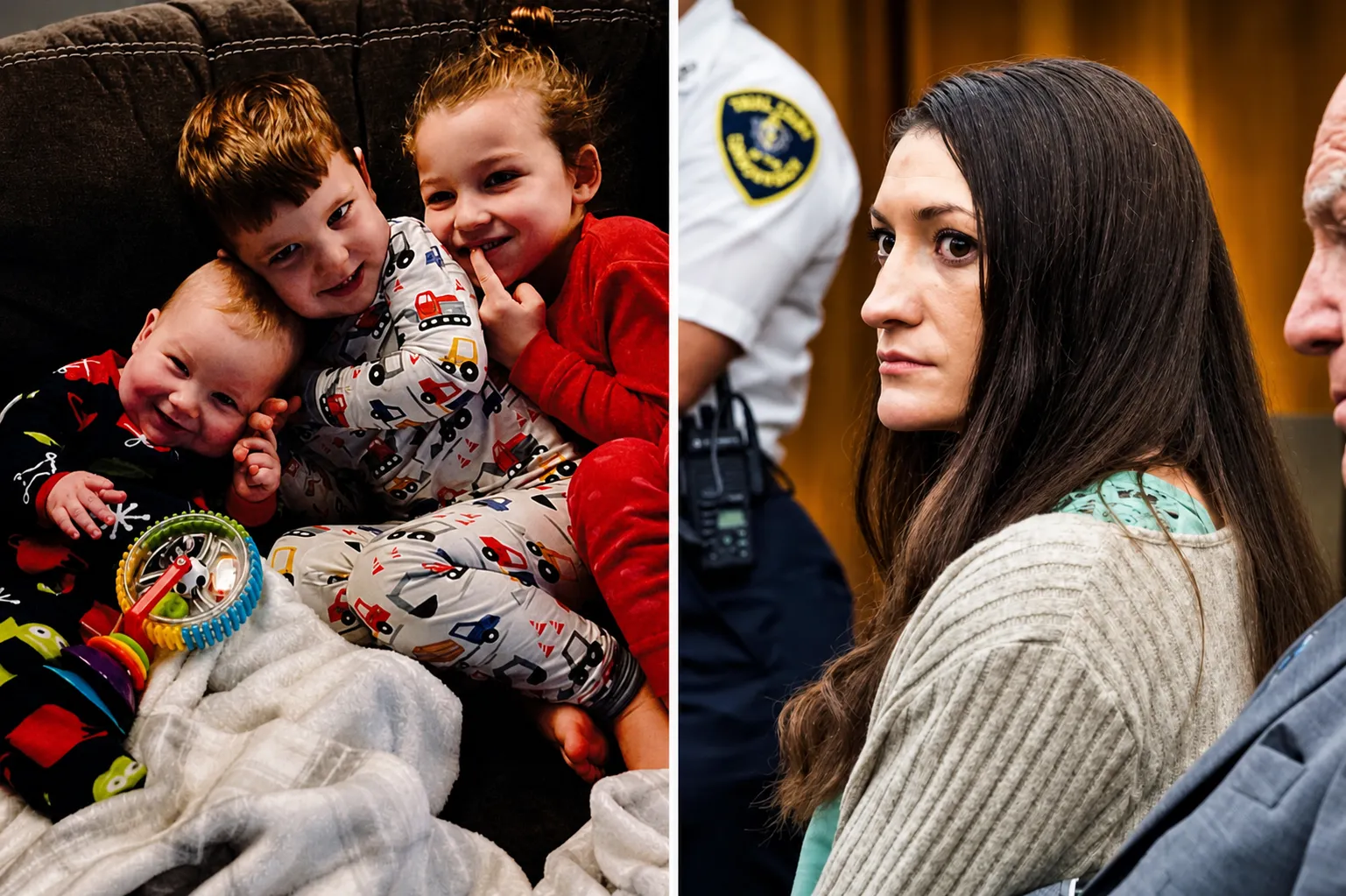
Lindsay Clancy’s murder trial ended in a mistrial Friday after jurors failed to reach a unanimous verdict.
The 12-person panel — nine women and three men — told Judge William Sullivan they could not agree whether to convict Clancy, 36, of three counts of first-degree murder in the deaths of her three young children. Sullivan declared the mistrial after nearly five weeks of testimony from roughly 85 witnesses.
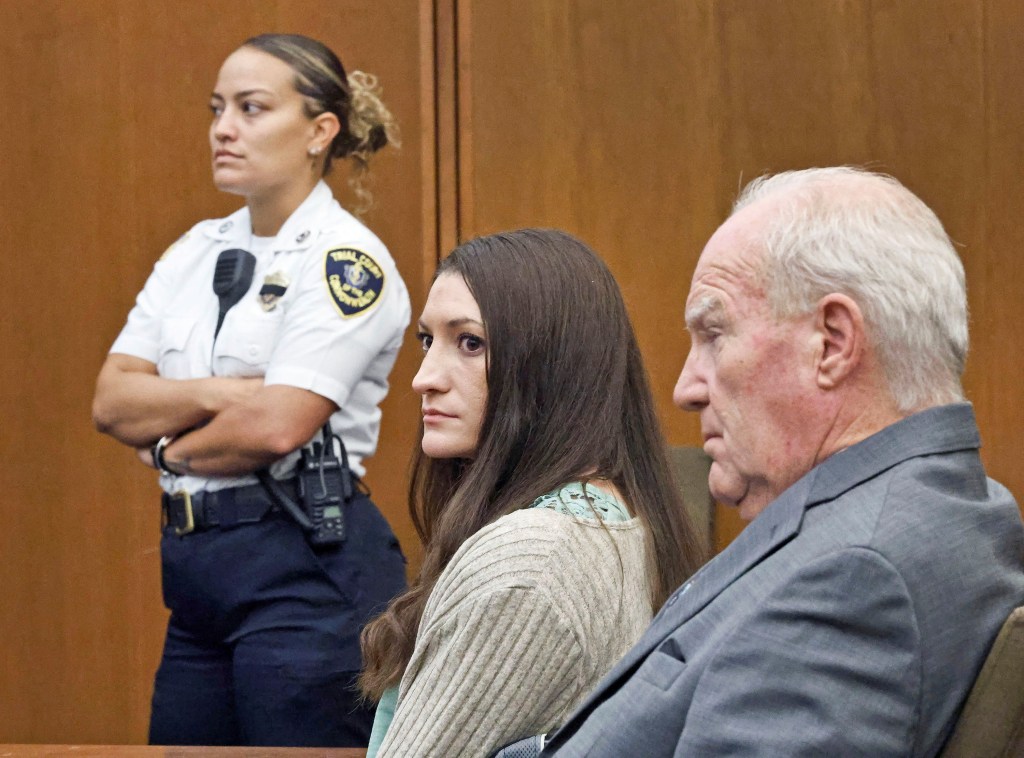
The jury first signaled they were deadlocked on the fourth day of deliberations, after nearly 18 hours of discussion. Sullivan instructed them to continue. The next day, after almost 28 total hours, they sent another note saying a unanimous decision remained impossible. Sullivan then read the Tuey-Rodriguez charge, directing jurors to keep deliberating.
On Thursday, a third note arrived. Defense lawyer Kevin Reddington revealed it came from the foreperson and claimed a single male juror “refuses to follow the law” on reasonable doubt instructions. Reddington lost his bid to remove that panelist. Friday morning, he argued for the holdout to be questioned individually, accusing him of lying, but Sullivan rejected the request and sent jurors back once more.
The jury’s only evidence request came Friday morning, when they asked to see the knife Clancy used in her suicide attempt and her prescription pill bottles.
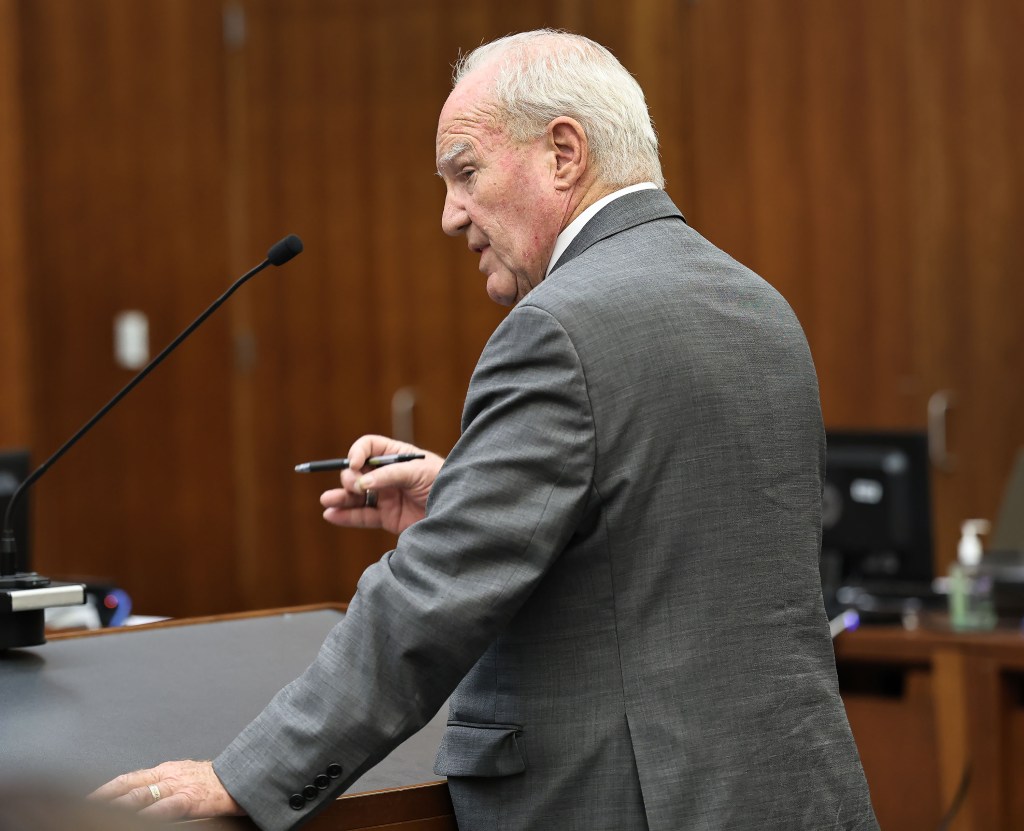
Clancy will remain in custody at Tewksbury Hospital while Plymouth County District Attorney Timothy Cruz decides the case’s next step. Prosecutors could retry her, pursue a plea deal, or drop charges entirely. Reddington has suggested Cruz would insist on a second trial, and has floated that the DA might downgrade charges to second-degree murder — which would allow Clancy to opt for a bench trial rather than a jury.
Had jurors accepted Clancy’s insanity defense, she would have been committed indefinitely to a state psychiatric facility, with release possible only if doctors determined she no longer posed a danger. A first-degree murder conviction would have meant mandatory life without parole under Massachusetts law.
The trial centered on dueling portrayals of Clancy’s mental state on January 24, 2023, when she fatally strangled Cora, 5; Dawson, 3; and 8-month-old Callan with exercise bands before attempting suicide. Reddington argued she suffered postpartum psychosis worsened by psychiatric medications, hallucinating a man’s voice commanding her to kill the children and herself.

“It was almost like she was a puppet and someone was pulling the strings,” defense witness Dr. Phillip Resnick testified. He claimed she held a “distorted” belief she was doing the kids “a favor” by taking them with her.
Prosecutors countered that Clancy planned meticulously, manipulating healthcare providers and her husband Patrick Clancy to arrange being alone with the children in their Duxbury home.

“Lindsay made a calculated decision. She was a woman who no longer liked the life she thought she wanted,” prosecutor Shanan Buckingham said in opening statements. “It was getting harder and harder for her to control and when she saw the opportunity to escape, she made the selfish choice to take it.”
“She chose to manipulate her providers, seeking out a quick and easy fix when she was feeling depressed and anxious. And when she didn’t get what she expected, she chose the alternate route.”
Buckingham continued: “She made a choice, a deliberate and intentional decision, that she did not want to try anymore. And because no one could take care of her kids the way she wanted them to, she had to take them with her too.”
Patrick Clancy, who has since moved to New York City and remarried infertility specialist Rachel Danis, was the trial’s first witness. He testified that Lindsay repeatedly sought help as her mental state deteriorated — seeing a psychiatrist, calling a suicide hotline twice, checking into a mental institution for five days, and visiting two perinatal clinics — yet “kept getting worse and worse,” He said she had even confided thoughts of harming the children.

At least 13 psychiatric medications from five providers were prescribed between November 2022 and the day before the murders, Patrick Clancy and Reddington said, including drugs for anxiety, depression, sleep disorders and anti-psychotics.

Patrick Clancy described returning home to find Lindsay in the backyard with slits on her wrists and throat after jumping from a second-story window, then discovering his three children dead in the basement. “She killed the kids,” he was heard screaming on the 911 call played for jurors.
Lindsay Clancy, paralyzed from the waist down and attending in a wheelchair, broke down repeatedly during testimony — sobbing at the 911 call, family photos, videos, the children’s pajamas and exercise bands, and autopsy testimony about baby Callan.
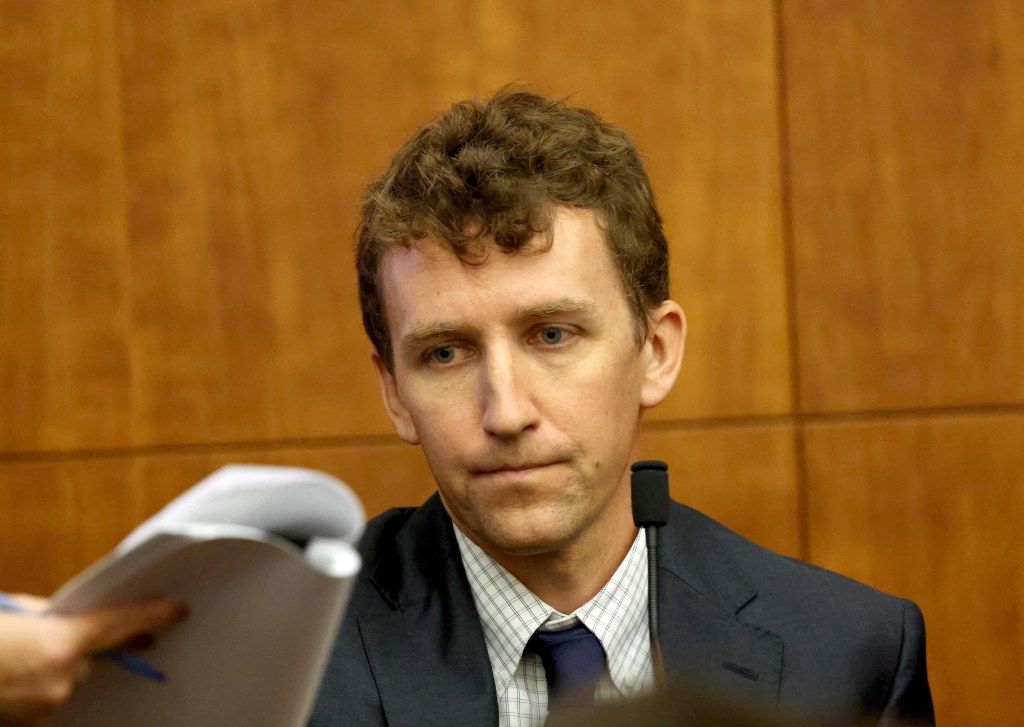
Other relatives testified about her historically joyful personality deteriorating after Callan’s birth, with crippling insomnia, depression and anxiety about returning to work.
Prosecution expert Dr. Gregory Saathoff testified there were “inconsistencies” in Lindsay Clancy’s account of when the voice began and differences between her and Patrick Clancy’s timeline — raising questions about her truthfulness. He described her as “methodical, quite controlled and organized” during the crimes.
Three rebuttal prosecution experts agreed she knew her actions were wrong. Testimony also revealed disturbing Google searches including “How to slit throat to die.”
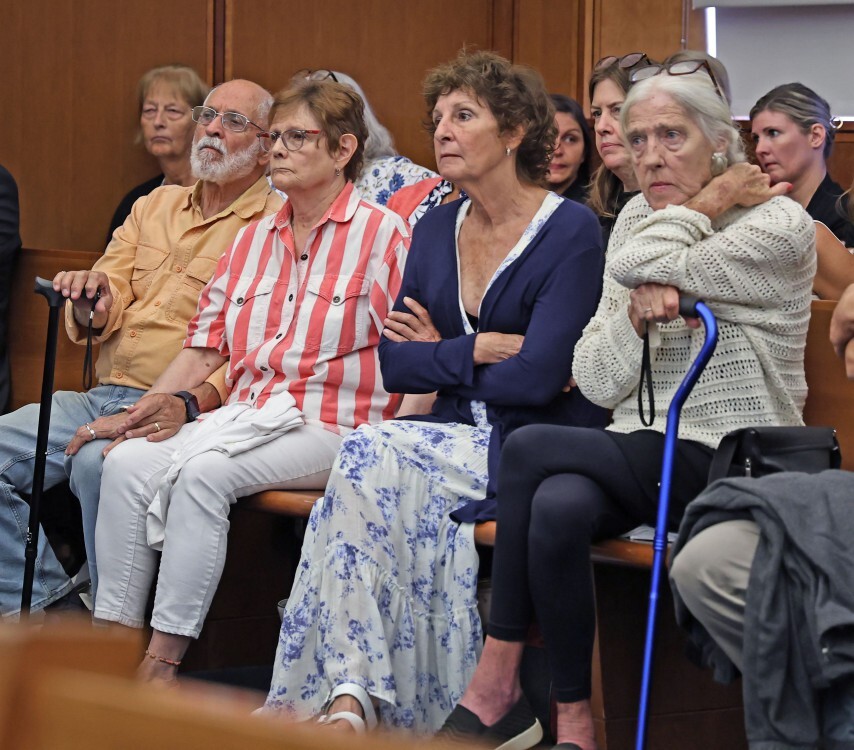
The case drew national attention to postpartum mental illness, with supporters — mostly women — appearing in pink T-shirts arguing she should not be criminally liable, while other demonstrators demanded justice for “the only innocents: Cora, Dawson and Callan.”
The Plymouth County District Attorney’s Office has not announced whether it will retry Clancy.