

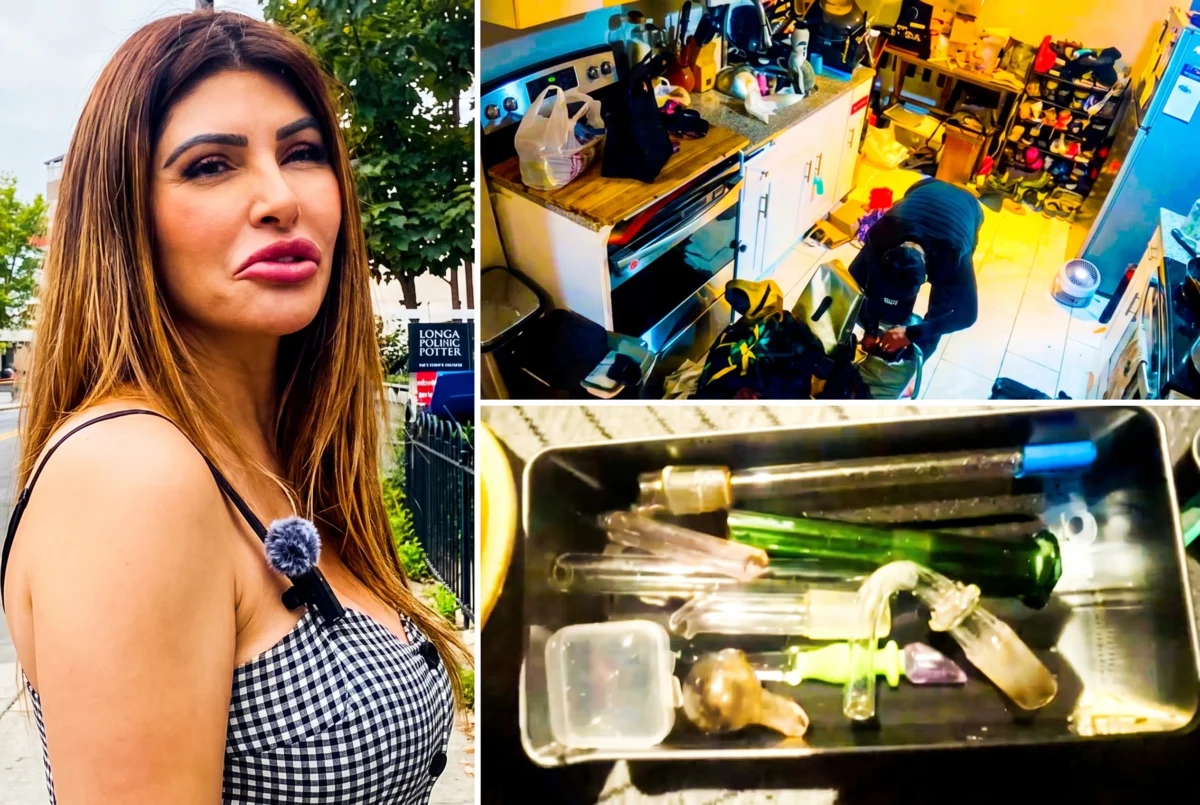
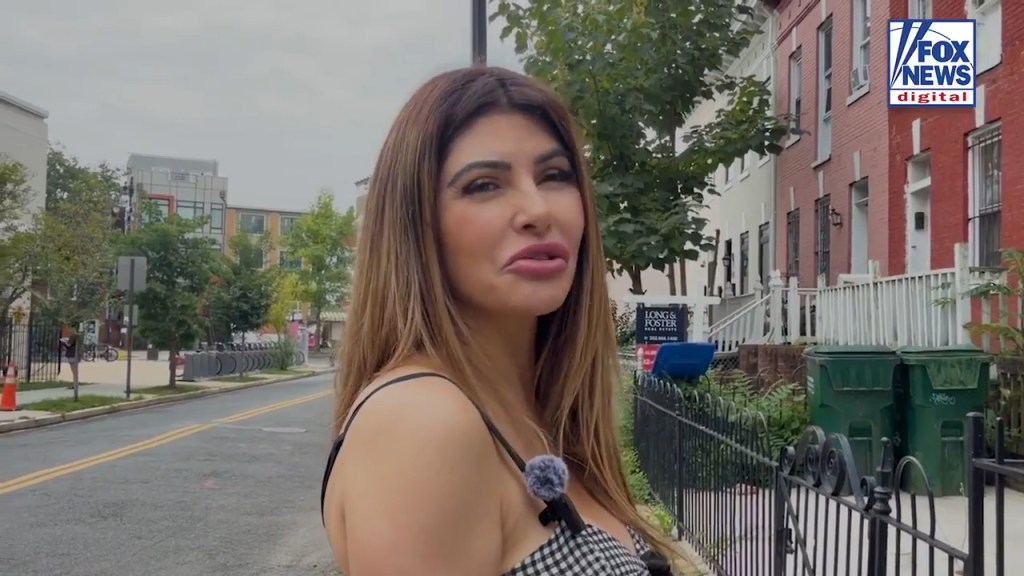
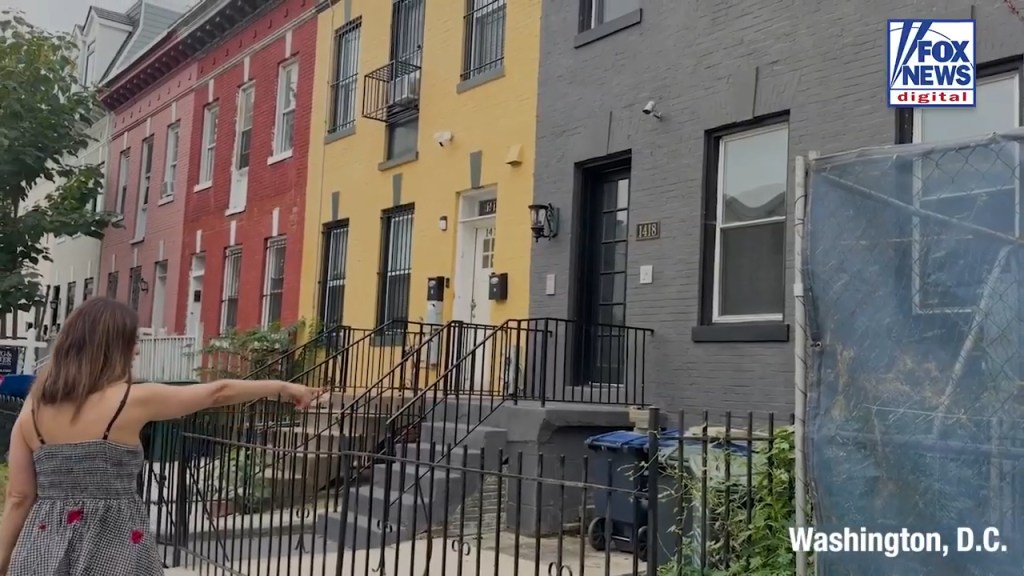
Tatyana Day Velasquez is speaking out after eight months of fighting to reclaim her Columbia Heights basement unit from alleged squatters.
Velasquez, who owns a small three-unit building in Washington, D.C., said that strangers have occupied the apartment rent-free since last year, transforming it into what she calls a “drug haven.” The basement unit sits hidden behind a makeshift barricade built with trash cans and bricks, she said, with unfamiliar faces streaming in and out at night, constant fights breaking out, and a chemical odor seeping through the building.
“I lived in several countries, including Third World countries, but it seems to me that I’m living in a Fourth World country in D.C.,” Velasquez said in the interview.
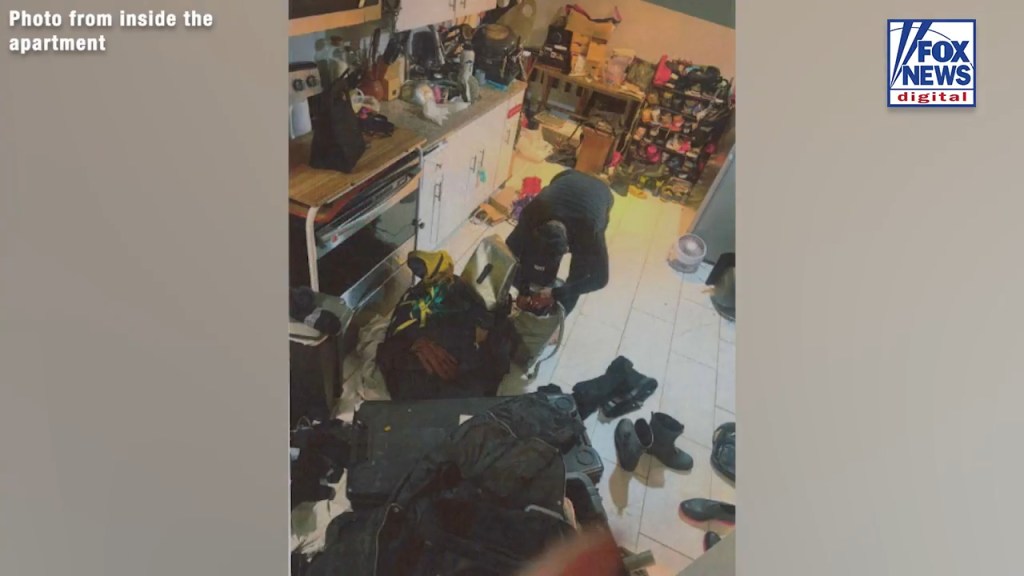
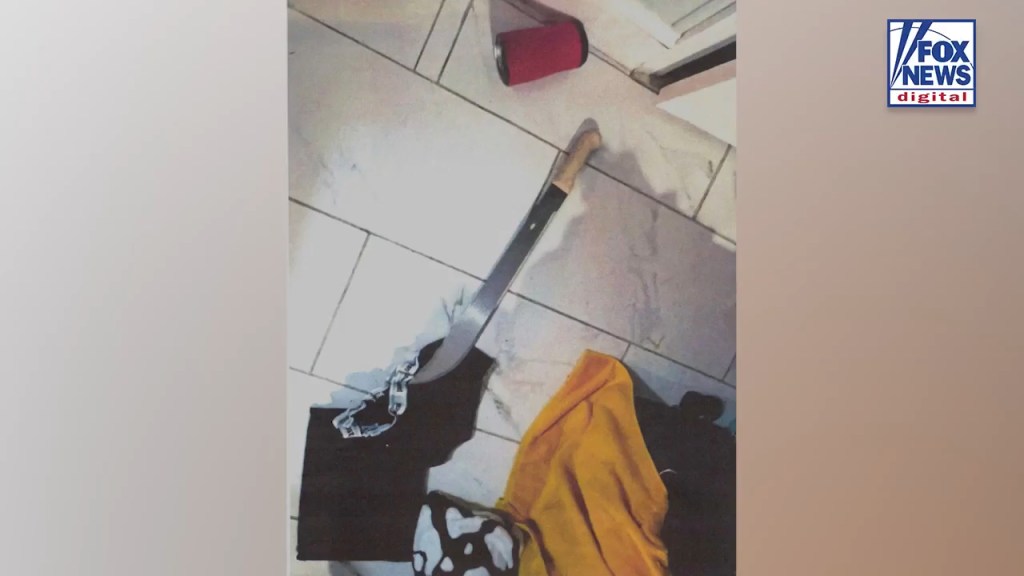
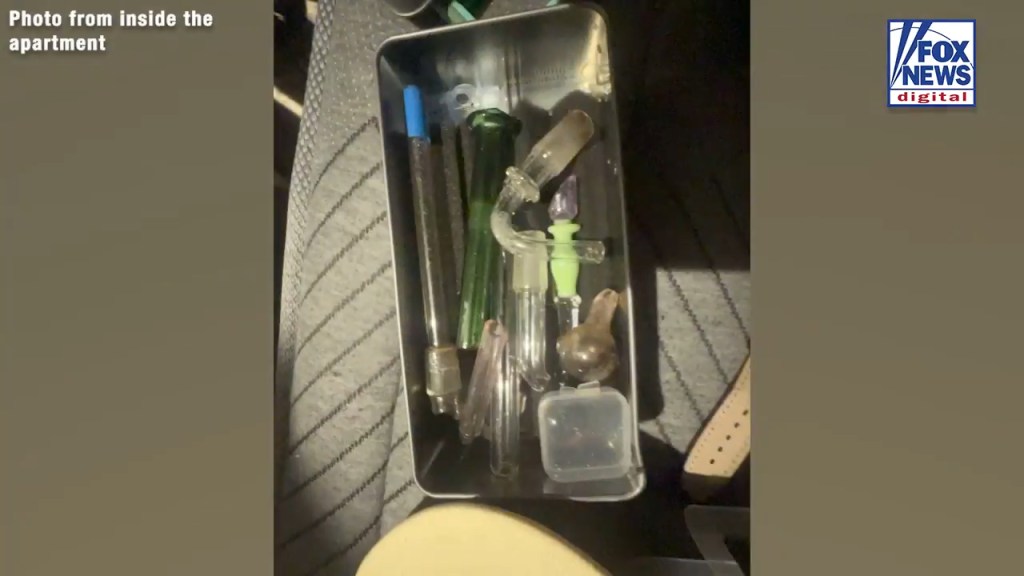
Photos and videos provided by Velasquez show a disheveled apartment littered with needles and drug pipes, as well as Narcan, fentanyl test strips, a machete and guns. She said the occupants are “making money by drug dealing, obviously.” Three separate tenants ultimately fled the building amid safety concerns, with one tenant telling Velasquez she “no longer feels safe enough to sleep here,” according to court documents.
The dispute has landed in D.C. Superior Court, where Velasquez argued the courts are “overfilled with situations like mine.” Under D.C. Law, property owners generally cannot remove occupants themselves and must go through the court system, a process that can stretch for months. The city’s Office of the Tenant Advocate says occupants must be given an opportunity to challenge a property owner’s claims before an eviction can proceed.
Police records complicate Velasquez’s position. A June 26 Metropolitan Police Department report stated one occupant had “established residency” by living with a tenant on the lease, so officers treated it as a landlord-tenant dispute and made no arrests.
“How could that be possible?” Velasquez said. “They are not guests. They’re not invitees. This property is not a business. So, they are not implied consent to get inside, they are trespassers.”
Velasquez discovered the takeover after the previous tenant informed her he had moved out. Despite one of the men claiming the tenant gave him a key, the lease explicitly prohibits unauthorized occupants, subletting and drug-related criminal activity.
The confrontations have turned physical multiple times, according to Velasquez, who said she has been assaulted “like a couple of times” and received pushback from police over her continued calls. She now drives to the building daily to confront the alleged squatters herself.
“I have to go there every day because, you know, I haven’t received much help from the police and the neighbors are tired of it,” she said.
Velasquez’s neighbor Lloyd said that the disturbances have spread beyond the property, with passersby also being antagonized.
“You say you want to protect women,” Lloyd said. “You’re so against domestic violence, you’re against this and that, but then you turn around and do something like this.”
Lloyd described the dynamic as “an entitled domino effect” and “an audacity thing,” adding that “it’s like one negative thing permeates another negative thing, so you become a fungus in the neighborhood with nuclear waste attached to you.”
John Gibbs, Director of the Institute for Economic Policy Studies at the Heritage Foundation, said that “squatting is not primarily a housing policy problem; it is a property-rights enforcement problem.”
“The core failure is that lawful owners often face greater burdens recovering their property than unauthorized occupants face taking possession of it,” Gibbs said. “The solution is restoring the presumption that ownership matters.”
Gibbs pointed to COVID-era eviction moratoriums as a contributing factor, arguing they expanded government involvement in landlord-tenant disputes and fostered an environment where occupancy rights were increasingly weighed against property owners’ rights. He also cited social media tutorials and organized schemes that have made squatting tactics easier to replicate.
Velasquez said the bills never stopped coming, including D.C. Property taxes and trash violations connected to debris left by the squatters.
“I’m not making any income from the property and, as a matter of fact, I’m still being charged taxes from the D.C. Government,” she said.
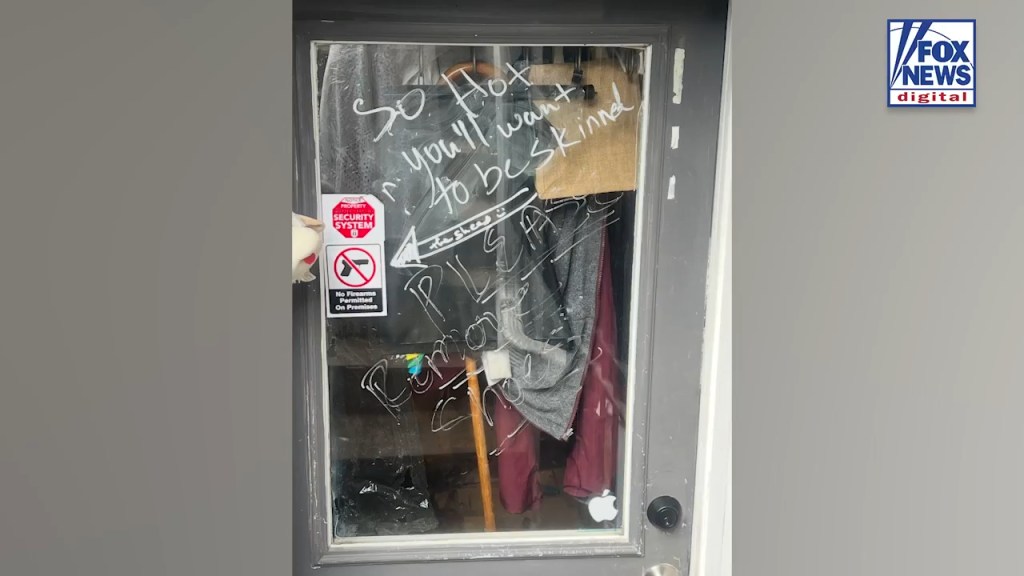
Last week, U.S. Marshals served an eviction at the property, and one squatter was arrested for violating a protective order on the location, but Velasquez said he and his acquaintances have returned multiple times. She also said her protective order was dismissed due to clerical errors in the courts.
“I believe this is predatory tactics, and I also believe that by letting squatters have rights, it’s a violation of the Fourth Amendment and Fourteenth Amendment because you no longer have private property,” Velasquez said. “The government decides what your property is going to be used as.”
A D.C. Police spokesperson said that MPD’s authority is limited once someone has established residency, and that legislative change would fall to the D.C. Council. The mayor’s office declined to comment.
“These small landlords cannot survive in D.C.,” Velasquez said. “I don’t know what the end game is from the city, but they don’t care about the small guys, the small landlords.”
Velasquez’s case returns to D.C. Superior Court as she pushes for a final resolution to remove the remaining occupants.