


George Parnham, the attorney who secured Andrea Yates’ insanity acquittal, says Lindsay Clancy’s hung jury gives her defense unexpected leverage.
Parnham, 85, told The Post on Friday that the 11-1 deadlock after nearly 40 hours of deliberation positions Clancy’s team strategically despite the frustration of a mistrial. The veteran lawyer, who still visits Yates every two months at Kerrville State Hospital, predicted prosecutors will likely negotiate rather than risk a second trial with a jury that nearly sided with the defense.
“Give me a hung jury and a mistrial every day of the week,” he said.
Clancy’s attorney Kevin Reddington had called the outcome a “real shame,” saying he “kicked the sh-t” out of the prosecution. Parnham said he understands that frustration because a mistrial “disrupts the whole process,” but noted that Reddington was within arm’s reach of acquittal for the killings of daughter Cora, 5, and sons Dawson, 3, and Callan, 8 months.
“Eleven to one, you’re surely hoping that you don’t get a mistrial with the holdout, but the other side is that if the case is retried, you have the advantage,” he explained.
That advantage comes from having witnessed the prosecution’s full strategy and possessing complete trial transcripts to check witness testimony for contradictions and inconsistencies, Parnham said. Changed witness stories could provide grounds to disqualify testimony.
But Parnham expects the Plymouth County District Attorney’s Office and Reddington will reach an agreement rather than head to retrial, saying prosecutors won’t want to gamble on retrying a case where the jury mostly favored Clancy.
“I think in all probability, the resolution, if it happens, will not be a not guilty by reason of insanity acquittal,” he said.
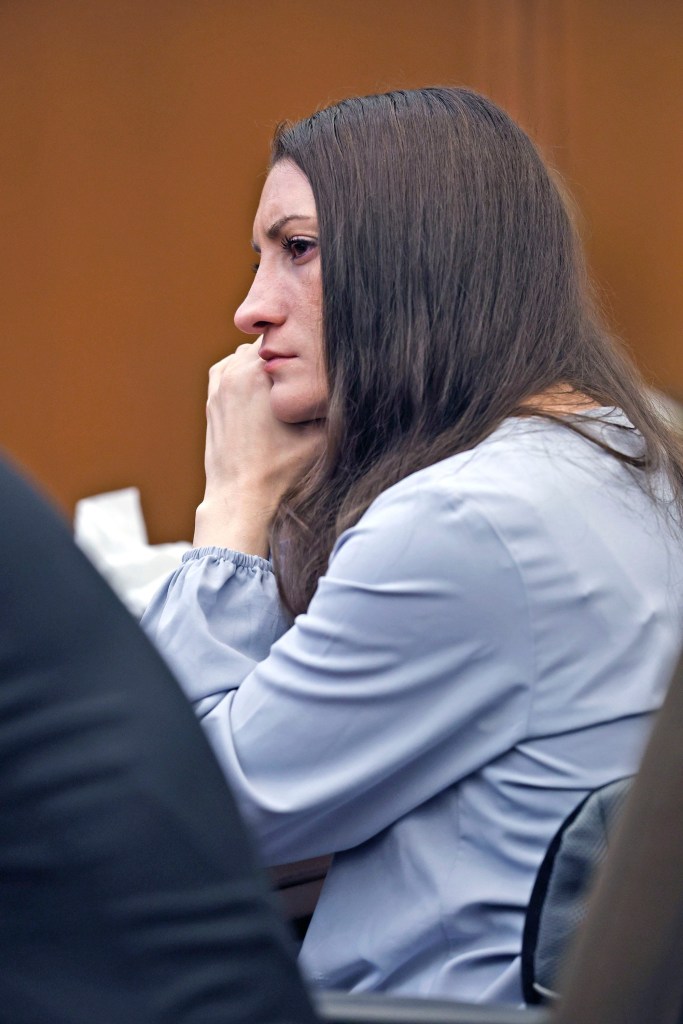
He predicts Clancy, 36, will likely be convicted of lesser charges and incarcerated for “a short period of time,” though he believes she should have been found not guilty by reason of insanity.
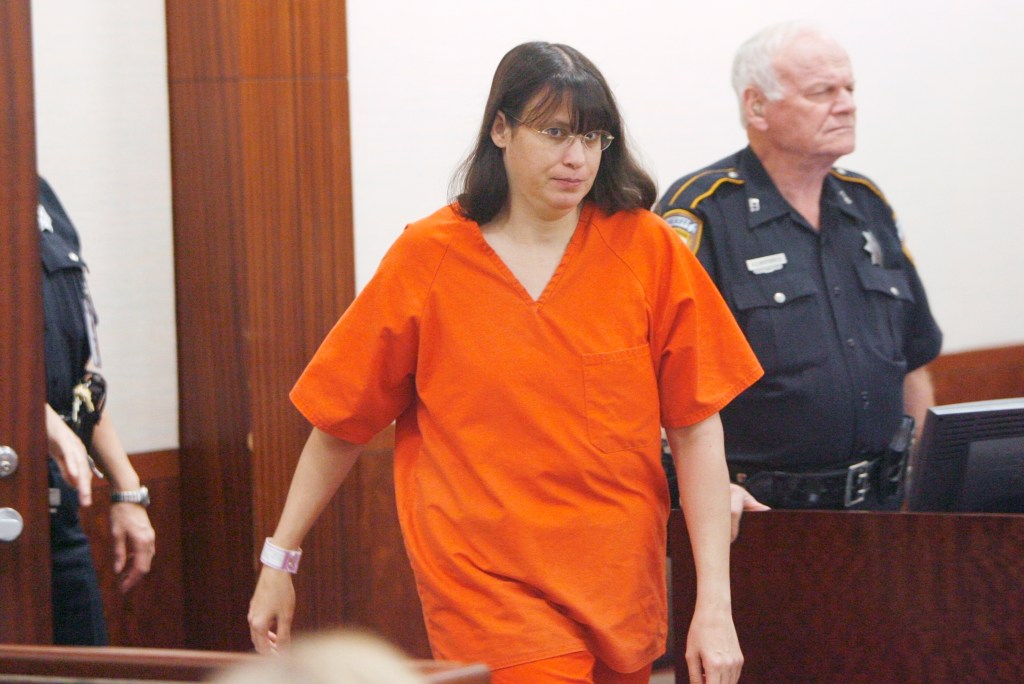
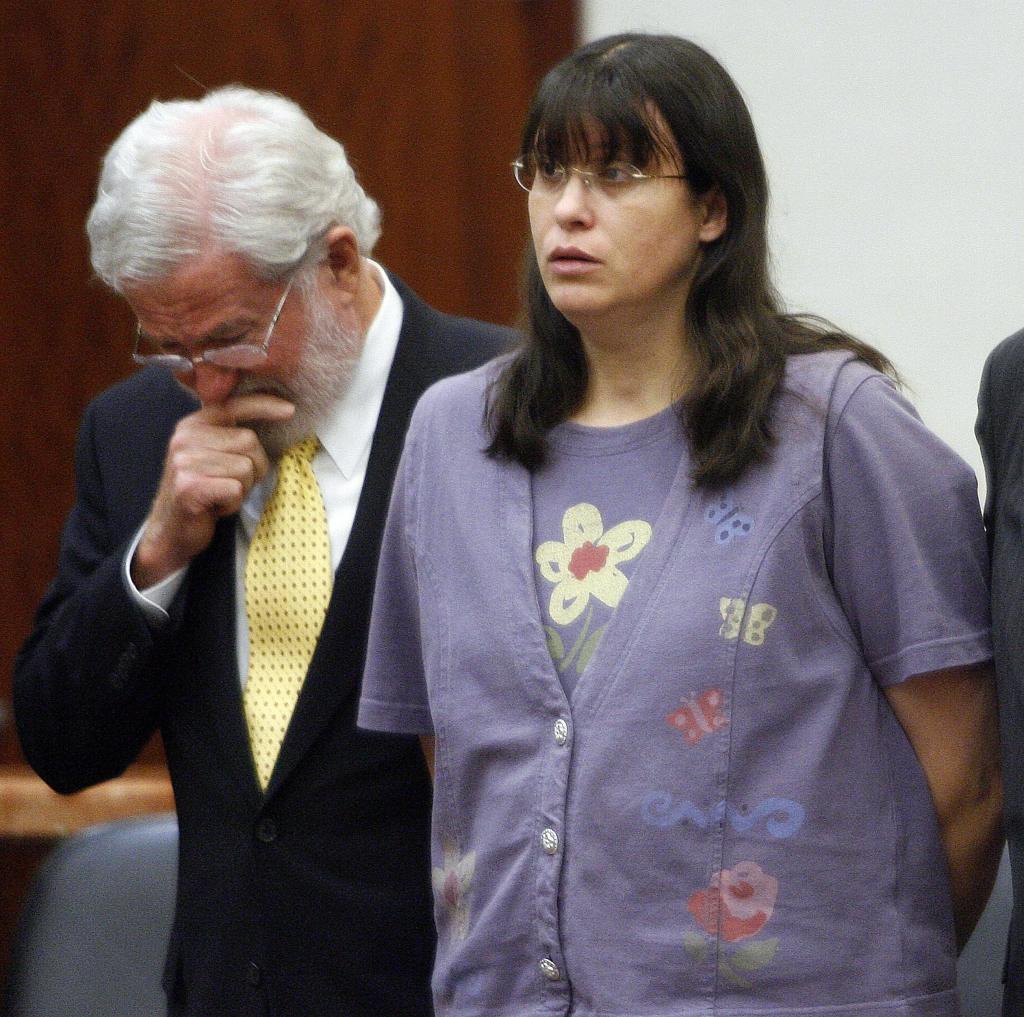
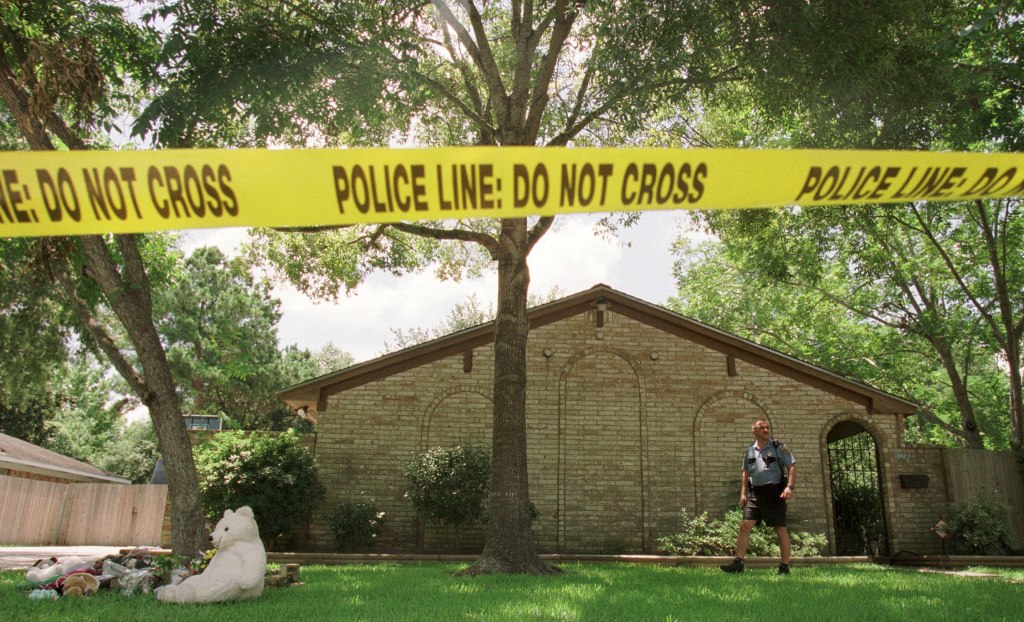
Parnham drew direct parallels between Clancy’s case and Yates’, who was 37 when she drowned her five children in a bathtub in their Houston-area home on June 20, 2001. Yates waited for husband Rusty to leave for work before killing Noah, 7, John, 5, Paul, 3, Luke, 2, and Mary, 6 months, one by one, then called 911. A 2002 capital murder conviction was thrown out after a prosecution forensic psychiatrist gave false testimony; a second jury found Yates not guilty by reason of insanity in 2006.
“We came back, retried it and they acquitted her,” Parnham said.
Both mothers have said they suffered postpartum psychosis and neither had any “ulterior motives” for killing their children — such as money or revenge against the father, according to Parnham.
“You eliminate all the possibilities of ulterior motives and you end up with the undeniable fact that mental illness is the reason these situations occurred,” he said.

During Clancy’s trial, a psychologist testified that Clancy told her husband she heard a male voice telling her to “kill her children and kill herself.” Prosecutors contended she was in control and knew right from wrong.
“I’ve worked on a lot of capital murder cases but when a mother and child are involved, it’s a totally different perspective,” Parnham said. “Jurors are perplexed and astonished really.”
He praised Reddington’s handling of the postpartum psychosis defense, calling it “an excellent job talking to jurors” about a condition that is extremely rare and hard to diagnose.
Parnham said Yates is likely aware of Clancy’s high-profile case, though they haven’t discussed it. He described her progress, saying she has asked him to visit her children’s graves.
“I’ll go out and give flowers to the graves. She’s so grateful that someone is doing that for her children,” he said.
He sometimes brings her food from Cracker Barrel, said she likes to read and is occasionally tasked with helping other patients.
“I love her like a daughter,” he said.
Clancy is due back in court on Sept. 29.