

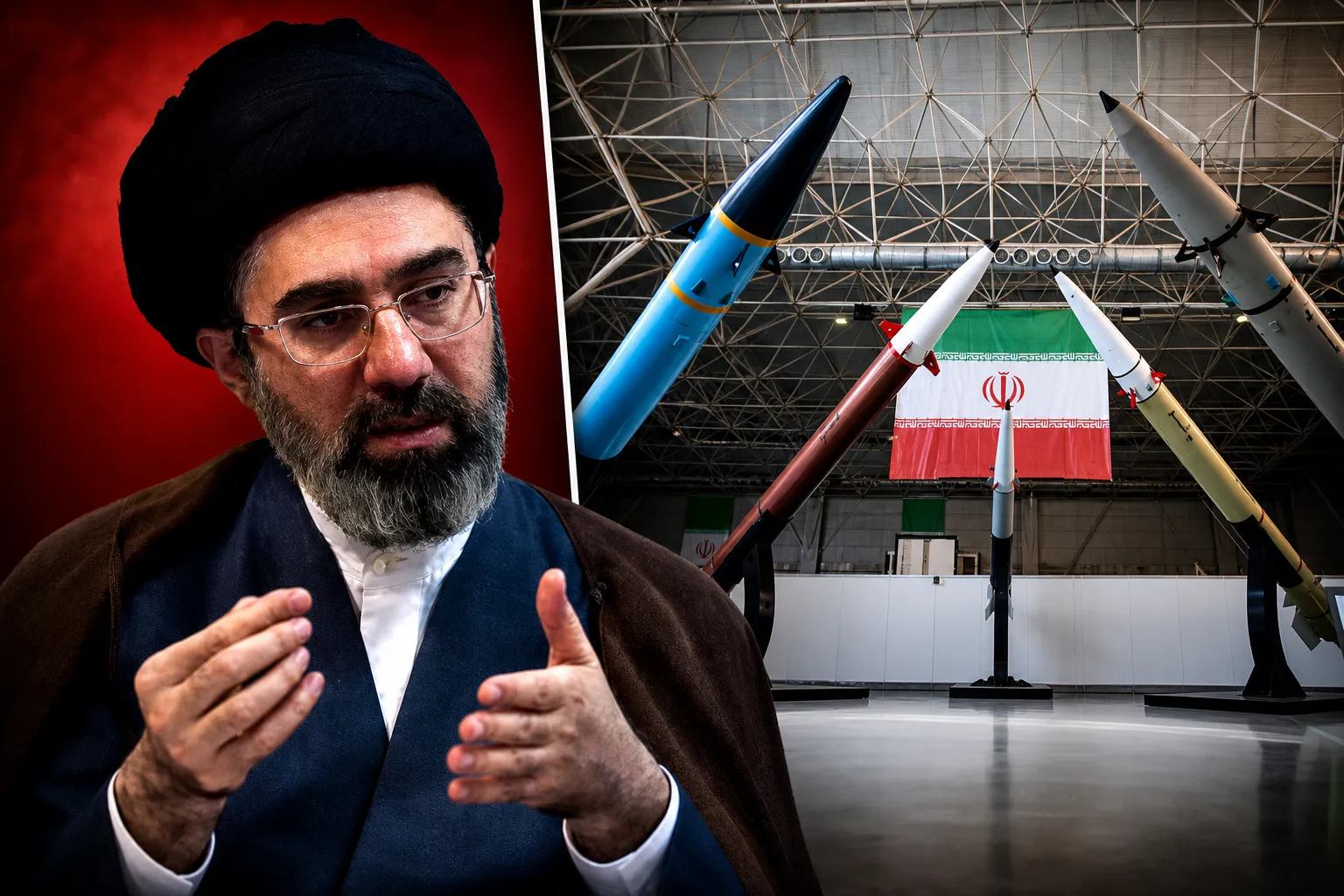
Israeli intelligence assessments indicate Iran is preparing a multi-front assault against the Jewish state modeled on Hamas’ Oct. 7 massacre, this time with full proxy coordination that was absent during the original attack.
The Islamic Revolutionary Guard Corps has convened multiple planning sessions with leaders from Hezbollah, the Houthis in Yemen and Iraqi militias to escalate operations against Israel, according to the Jerusalem Post. IRGC officials are actively working to revitalize their “Axis of Resistance” terrorist network for the coordinated campaign.
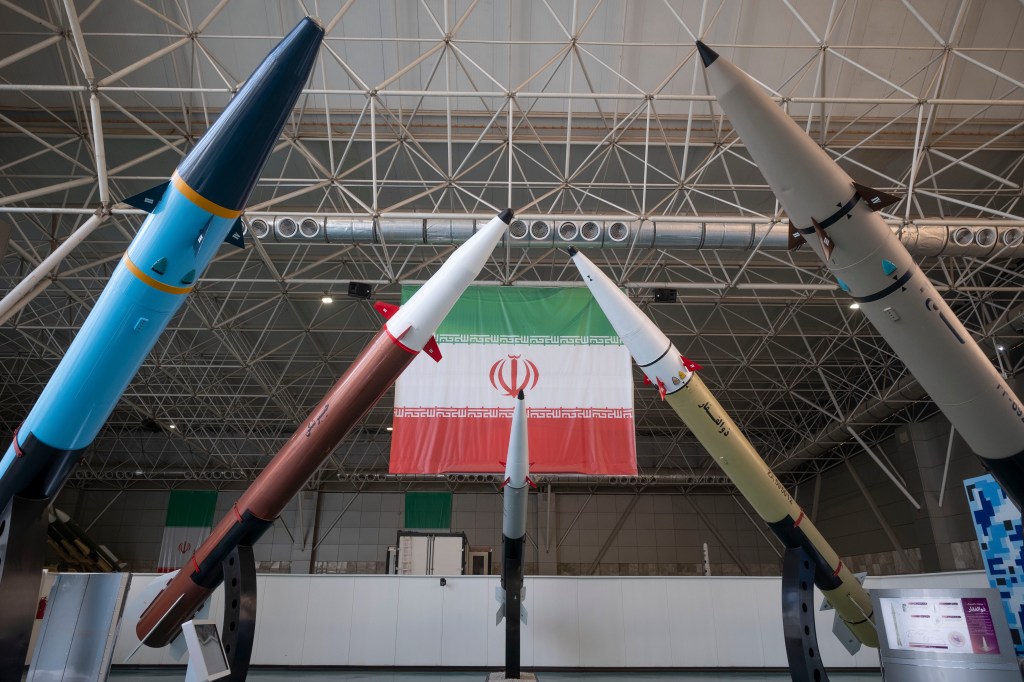
The IRGC is conducting joint training exercises with its proxies and ramping up drone and missile production to replenish stockpiles depleted in conflicts with Israel and the United States, sources told the publication. Hezbollah and Hamas have also stepped up coordination to pressure Israel from multiple directions simultaneously.
Iran’s alleged plot would fulfill the unrealized vision of Yahya Sinwar, the Oct. 7 mastermind who had hoped the wider Arab world would join Hamas’ assault. Sinwar’s rampage killed 1,200 Israelis, kidnapped 250, and left thousands more wounded or raped. Israeli intelligence found that Sinwar had aimed to spark a broader regional conflagration when he launched the deadliest single-day attack on Jews since the Holocaust.
But Iran and Hezbollah were not given advance notice of the Oct. 7 attack date and did not immediately participate in a full ground invasion alongside Hamas, according to the intelligence assessments. That lack of coordination frustrated Sinwar’s ambitions for a unified regional offensive.
Now Tehran appears determined to correct that failure. Iranian officials are seeking to ensure their proxy forces operate in concert rather than independently in any future major assault on Israel.
The reported planning comes as the region remains volatile following more than a year of intensified conflict. Israeli forces have engaged Hezbollah in Lebanon, faced Houthi missile and drone attacks from Yemen, and contended with strikes from Iranian-backed militias in Iraq and Syria.
The Jerusalem Post reported that the IRGC’s efforts to rebuild its terrorist network capabilities include not just political coordination but practical military preparation. Joint exercises between Iranian forces and their proxies mark a significant step beyond the arms shipments and funding that have long characterized Tehran’s relationships with these groups.
The intelligence picture suggests Iran is investing heavily in the infrastructure for a sustained campaign rather than a single strike. Increased production of drones and missiles indicates a strategy aimed at overwhelming Israeli air defenses through volume and simultaneous attacks from multiple territories.
Hezbollah’s enhanced coordination with Hamas represents a notable evolution in the relationship between two groups that have historically operated with considerable autonomy. While both have long received Iranian support, their tactical cooperation had been limited by geographic separation and differing immediate objectives.
The reported Iranian planning underscores persistent fears in Israel that the Oct. 7 attack could be replicated on a larger scale with more devastating effect. The original assault exposed critical gaps in Israeli border security and intelligence warning systems, prompting major military and organizational reforms.
Israeli officials have repeatedly warned that Iran remains committed to the destruction of the Jewish state and continues to advance that goal through its proxy network. The latest intelligence assessments appear to reinforce those concerns with specific evidence of operational planning.
The role of Iraqi militias in the reported planning adds another potential front to any future conflict. These groups have launched numerous attacks against U.S. Forces in the region and have increasingly targeted Israeli interests as well.
Yemen’s Houthis have already demonstrated their reach by disrupting international shipping in the Red Sea and launching missiles toward Israel during the current conflict. Their inclusion in coordinated planning with Hezbollah and Hamas would extend the potential geographic scope of any major assault.
Iran’s strategy of using proxy forces allows Tehran to maintain plausible deniability while still projecting power across the Middle East. The direct involvement of IRGC officials in planning meetings, as reported, suggests a more hands-on approach than in some previous operations.