

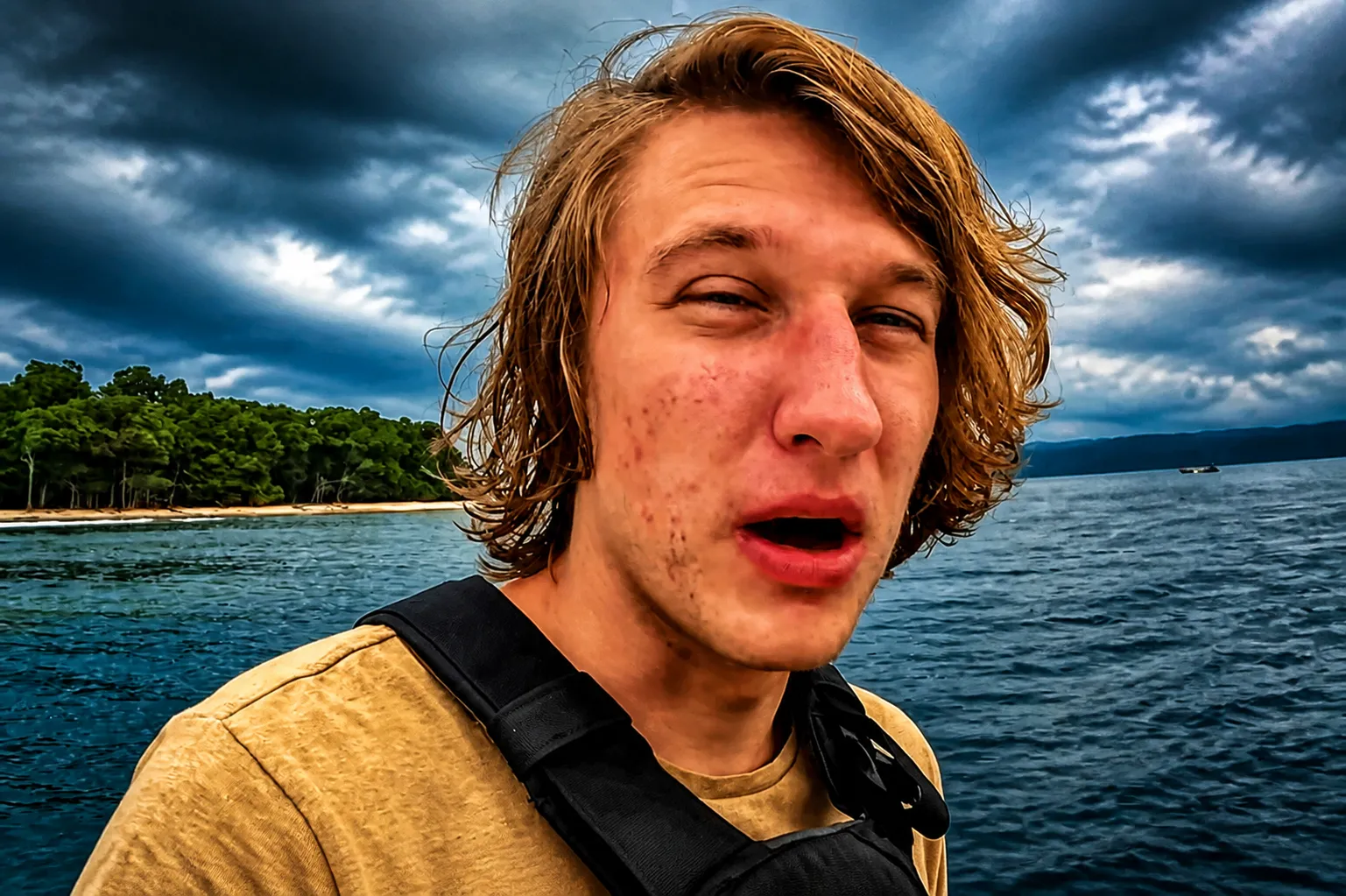
Mykhailo Viktorovych Polyakov says he would still do it again.
The YouTuber known as Neo Orientalist, who became the first person to land on North Sentinel Island alone and survive, said last week that he has no regrets about his illegal expedition to one of the world’s most forbidden places. The 24-year-old American content creator was arrested last year after a five-minute encounter with the Sentinelese tribe and is now facing up to five years in prison, with a Port Blair court rejecting his bail application in April.
Polyakov’s stated mission was remarkably simple. He wanted to give the island’s inhabitants a coconut and a can of Diet Coke as what he called a “peace offering.” In a video posted to his channel, he can be heard announcing his intentions with casual bravado: “It’s been a minute since anyone’s been here but I’m gonna assess the state of affairs, check in, say what’s up, give them a Diet Coke.”
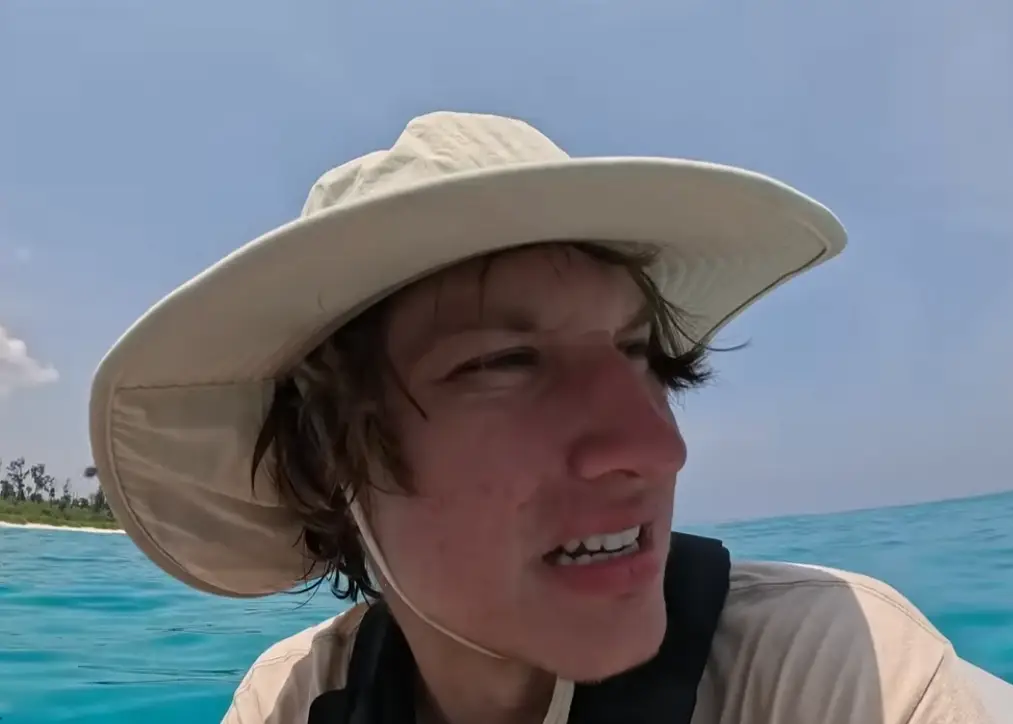
The island sits in the Bay of Bengal, part of India’s Andaman archipelago, and is protected by a five-nautical-mile exclusion zone. The Sentinelese people, estimated to number up to 500, have lived in near-total isolation for thousands of years and have repeatedly demonstrated hostility toward outsiders. Indian authorities established the buffer not primarily to shield the tribe from modern contact, but to protect would-be visitors from a group that has killed multiple intruders.
Polyakov was well aware of this reputation. He knew about John Allen Chau, the 26-year-old US evangelist killed in 2018 after attempting to convert the Sentinelese to Christianity. Chau was allegedly seen being buried on the beach by islanders. Polyakov also knew about the 2006 deaths of two Indian fishermen who drifted too close to the island’s shores. Neither case resulted in successful prosecution, as the tribe’s isolation leaves them effectively beyond the reach of Indian law.
What distinguished Polyakov from these predecessors was his survival. He made it onto the beach, had his brief interaction, and made it back to tell about it — at least until Indian authorities detained him and charged him with entering a prohibited tribal reserve area.
In his interview, Polyakov framed his motivations in the language of documentary pursuit rather than conquest or conversion. “I’m very motivated to document things that are difficult to find,” he said. “I want to seek out things that they’re not going to see anywhere else.”
He drew a sharp distinction between his own willingness to take risks and any responsibility for others who might imitate him. “I don’t encourage anyone to repeat what I did,” he noted. “But I wouldn’t say I’m responsible if someone does.”
The creator’s defiance has not wavered despite his legal jeopardy. “Would I still do it again? I would say yes,” he said. “I wouldn’t say I regret anything in particular.”
Indian law strictly forbids contact with the Sentinelese, reflecting both safety concerns and the principle of protecting indigenous peoples from diseases to which they have no immunity. The tribe’s isolation has left them vulnerable to common illnesses that could devastate their population. The 2018 killing of Chau drew global attention to these protections and the ongoing challenge of enforcing them against determined outsiders.
Polyakov’s case now tests whether the threat of significant prison time will prove a more effective deterrent than the island’s deadly reputation. With bail denied and prosecution proceeding, he remains the rare intruder to face legal consequences rather than arrows.
The YouTuber’s next court appearance in Port Blair has not been publicly scheduled.