

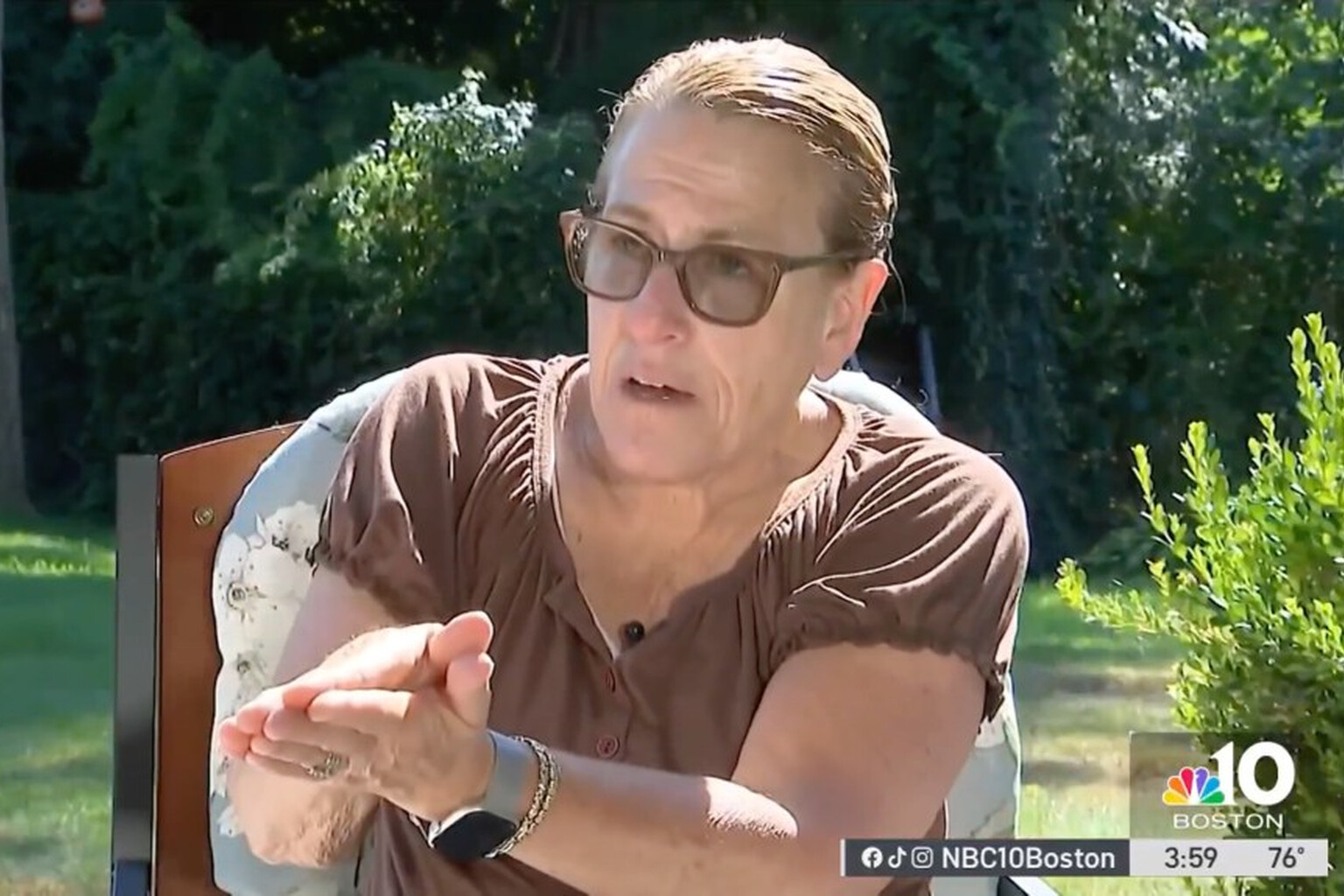
Three jurors from Lindsay Clancy’s deadlocked murder trial have broken their silence to describe how a single holdout blocked a verdict of not guilty by reason of insanity after the rest of the panel had already reached consensus.
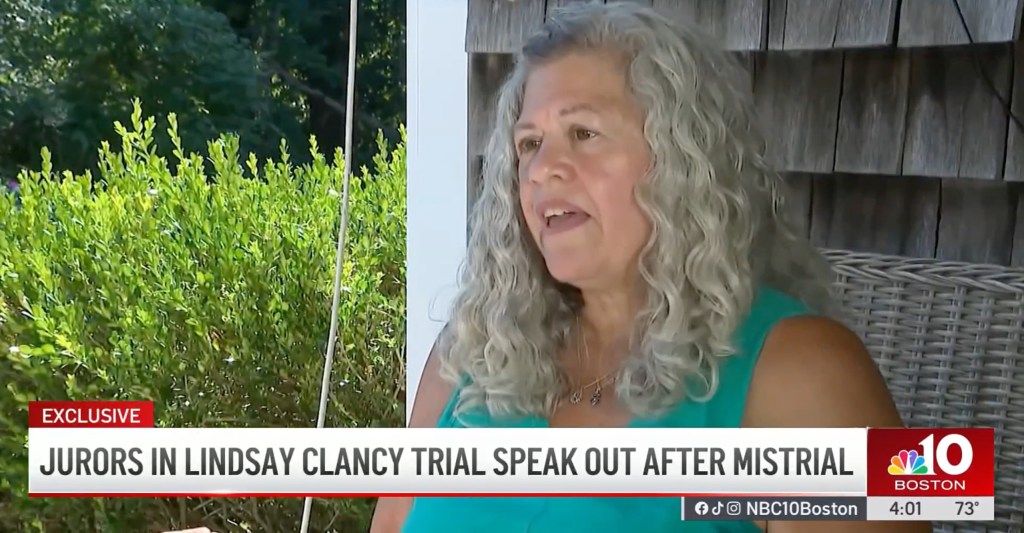
The foreperson, Ronnie, a retired fifth-grade special needs teacher, told NBC 10 Boston in a joint interview with two fellow female jurors that she had begun filling out the verdict forms in anticipation of acquitting the 36-year-old former nurse. “I started filling out forms, I was so excited,” she said. “There were three forms I had to fill out and I started filling them out, I wrote my signature on each one but then he said, ‘But I’m still not going to say she’s not guilty by reason of insanity.'”
The holdout, the only male juror who refused to bend, had privately admitted to harboring reasonable doubt after the panel watched video of Clancy’s police interview. “He admitted he had reasonable doubt after we watched the video of the interview,” Ronnie explained to the Boston station.
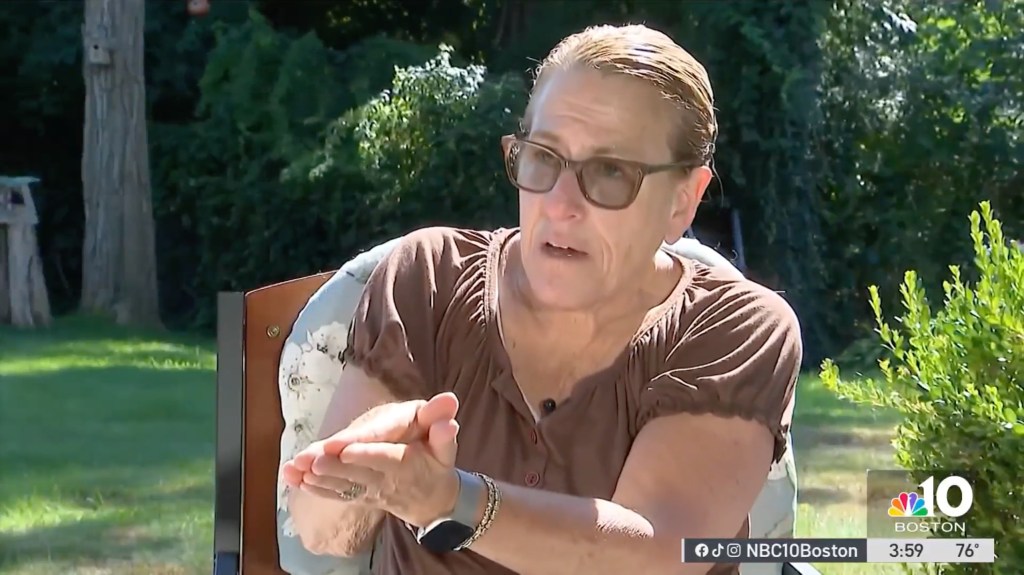
Paula, a former government contractor, and Kelly, a Plymouth chef, joined Ronnie in detailing the frustration of deliberating alongside a juror they described as willfully detached. “He was very arrogant. He really did not take anything that anybody said,” one of the three women claimed. Another added, “every one of us in the hours of our frustration would get up and walk the room because you just couldn’t sit anymore. And we would all go to the cart with the exhibits. He, I think, got up to the cart once very briefly and went back to his seat.”
The women said they repeatedly tried to engage him with the judge’s own instructions. “He would not interact with us and try to understand,” one continued. “We read to him, on numerous occasions, the definition of reasonable doubt from Judge [William] Sullivan’s instruction.” The fundamental sticking point, she explained, was his inability to reconcile Clancy’s actions with her mental state: “But he had the hardest time getting over the fact that Lindsay viciously killed her children.”
The nine-woman, three-man jury deliberated roughly 38 hours across seven days before declaring themselves hopelessly divided. They first notified Sullivan they were deadlocked on Tuesday, sent a second note Wednesday, and a final one Friday that prompted the judge to declare a mistrial. The day before, Ronnie had alerted Sullivan in writing that one juror was refusing to follow the law on reasonable doubt, forcing the judge to question each panelist individually under oath and re-read his instructions.
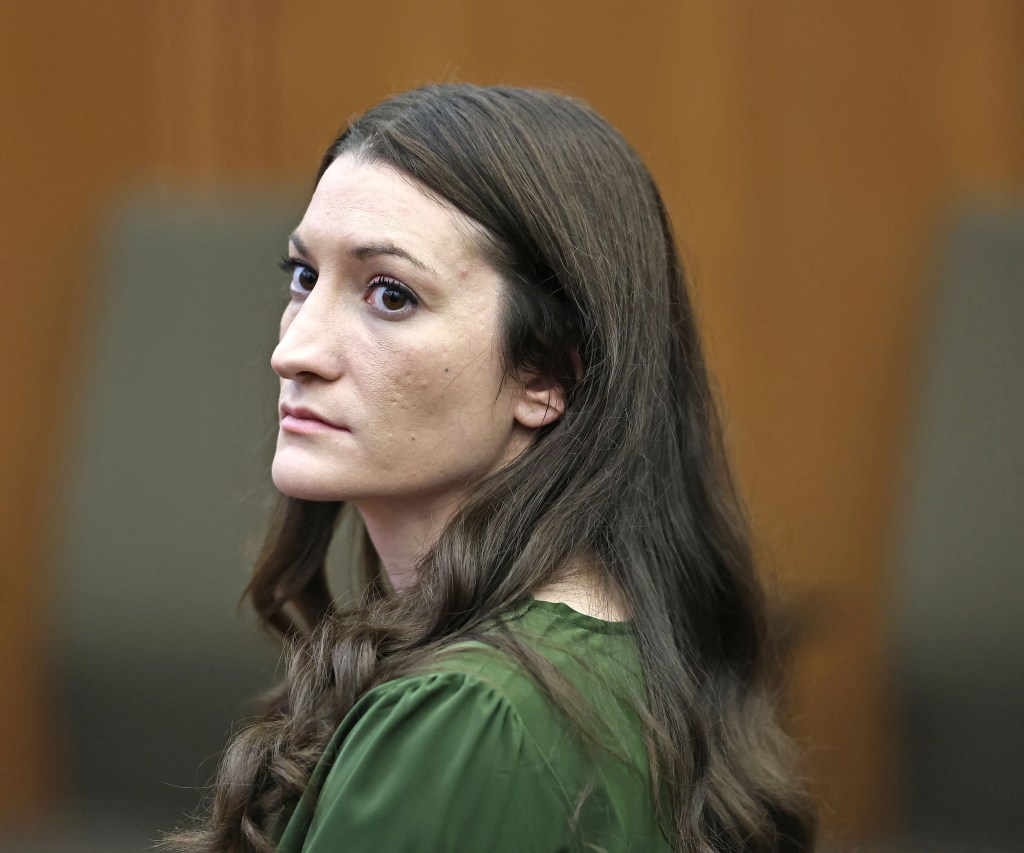
The jurors found the prosecution’s approach toward Clancy lacking compassion, particularly given the evidence of her deteriorating mental health in the months before she strangled Cora, 5, Dawson, 3, and Callan, 8 months, on Jan. 24, 2023. “I just found it to be harsh — very, very harsh,” one juror said. Another pointed to the absence of any character attack: “The fact that they had no character witnesses in regards to Lindsay being a bad mother … I found it to be biased.” Ronnie concluded that the cumulative testimony “proved that she loved her children … so she had to have snapped.”
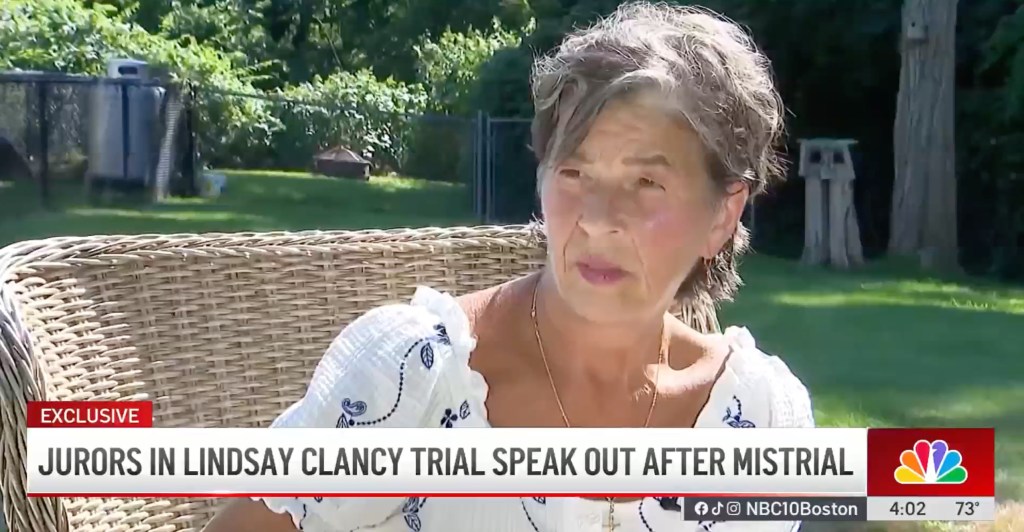
The trio had warmer words for Clancy’s lawyer, Kevin Reddington, whom they variously called “entertaining,” “arrogant,” “compassionate” and “funny.” “His compassion for Lindsay was amazing,” one of the women said.
Reddington had argued that Clancy was in the grip of severe postpartum psychosis and heard a commanding voice telling her to kill her children. Prosecutors countered that she meticulously planned the murders and fabricated the psychotic break to escape punishment. The defense also highlighted what it called negligent psychiatric care, alleging Clancy was overmedicated with 13 powerful psychiatric drugs by providers who failed to properly diagnose her escalating insomnia, anxiety, depression and suicidal thoughts in the four months leading up to the killings.
The case has become a flashpoint for national debate about postpartum mental health and the medical system’s treatment of new mothers. The mistrial leaves Clancy’s fate unresolved in the court of public opinion and the legal system alike, with prosecutors facing the decision of whether to retry a case that came within one juror of full acquittal.
Clancy’s next court appearance is scheduled for Plymouth.