

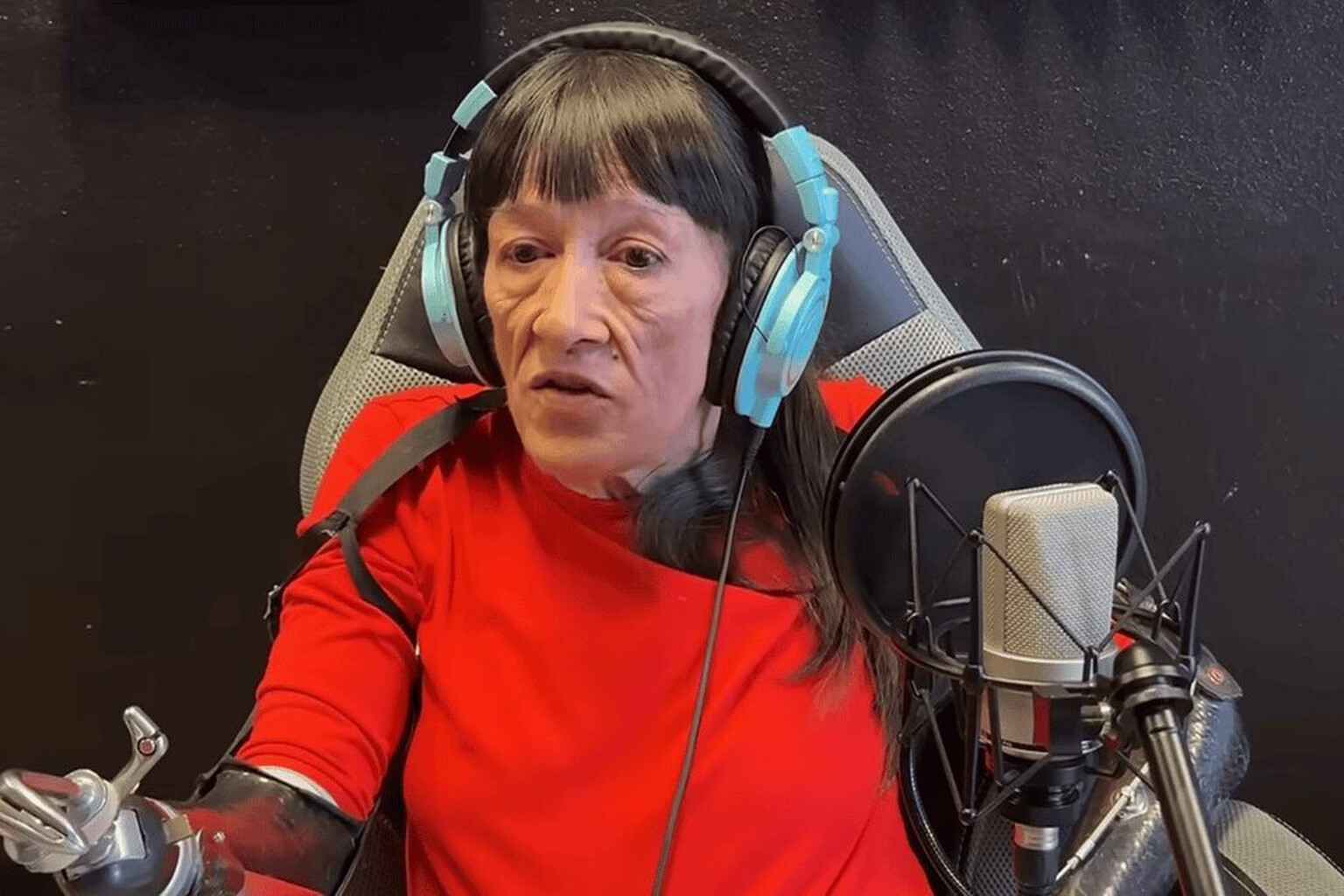
Mary Vincent has revealed the desperate measure she used to stop herself from bleeding to death after a serial killer severed both her arms and left her naked in a California ravine.
Vincent, now in her 60s, recounted the 1978 attack on the YouTube series What It Was Like last month, nearly five decades after Lawrence Singleton, a former merchant seaman, picked up the then-15-year-old hitchhiker in his blue van. Vincent had been trying to reach her grandfather’s house after fleeing an abusive home environment when Singleton drove her off the beaten track, knocked her unconscious with a metal hammer, and sexually assaulted her repeatedly over several hours while she was tied up and stripped naked, according to court records.
When the assault ended, Singleton used a hatchet to cut off both of Vincent’s arms. He then threw her down a ravine and left her for dead.
“I had to stop the bleeding from my arms because I’m moving now and my blood is leaking, and I only have so much blood in my body,” Vincent said on the YouTube series. “So I stuck my arms in the dirt and packed it. It acted like mud because it got gelled with the blood, but it stopped me from bleeding.”
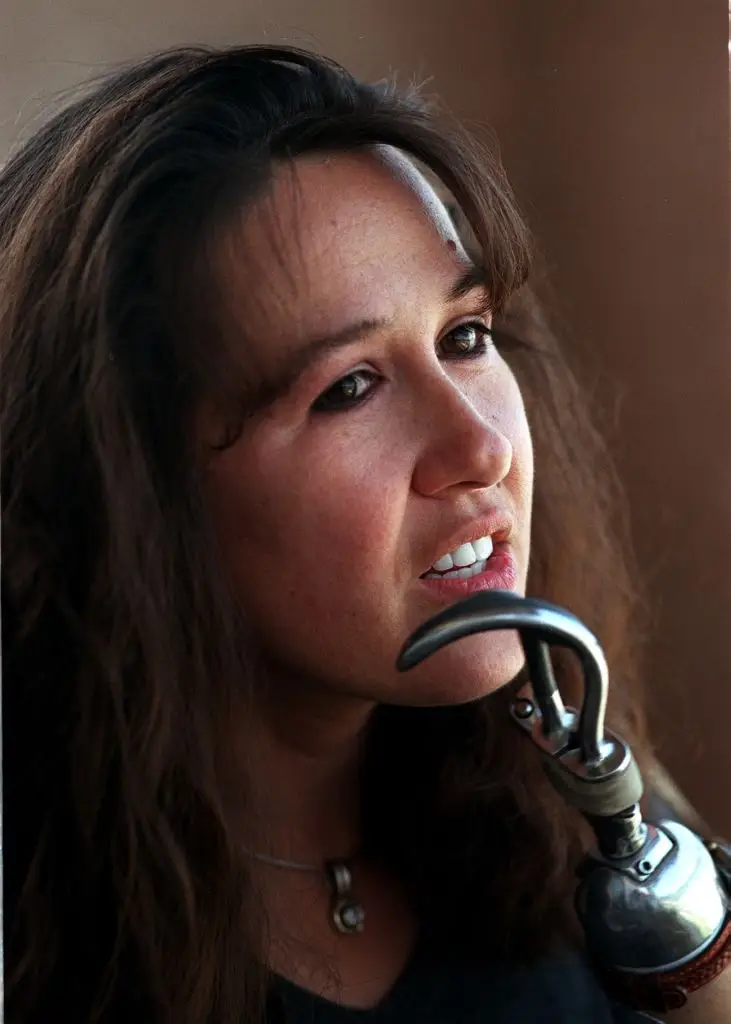
After packing her wounds with dirt, Vincent walked approximately four miles before encountering other people. Her first would-be rescuers did not stay to help.
“The first people that stopped were in a red sports car and they had cowboy hats on,” she recalled. “One had a white felt cowboy hat on and the other had a straw cowboy hat; I’ll never forget their faces and they’ll never forget mine.”
“I’m all naked, covered in blood, but I have no hands,” Vincent continued. “I look like something out of one of those horror movies and those two guys freaked out. You could see the tyre marks because they peeled out so fast, and I said, ‘Please!’ when I asked them to help me, and they left.”
Vincent remembered her despair in that moment: “Oh God, do I still have to keep walking?”
Minutes later, a beat-up pickup truck approached. Vincent told God she had asked nicely once already. “This time, they’re gonna help me or not, they’re gonna have to run me over!” she said. She stood directly in the truck’s path and screamed as loud as she could.
“The guy came out running real fast and picked me up, and his wife opened the passenger door,” Vincent continued. “They were just trying to keep me awake and keep me talking, and all I could think of was: I don’t feel very well, I want to go to sleep.”
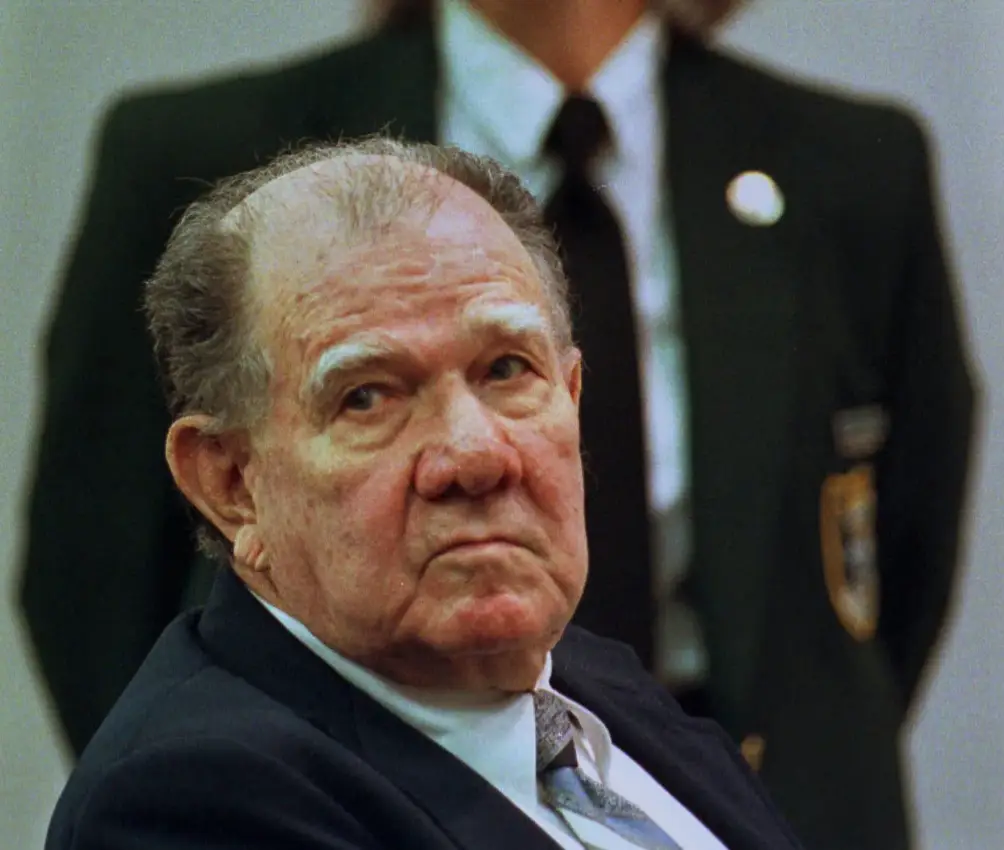
Singleton was arrested and sentenced to 14 years in prison for the attack on Vincent, but he served only eight years before being released. In 1998, nearly two decades after his assault on Vincent, he was convicted of murdering Roxanne Hayes, a mother of three, and received the death sentence. He died of cancer in 2001 before his execution could be carried out.
Vincent, who has since relied on prosthetic arms, spoke to UPI at the time of Singleton’s second conviction. She was devastated, she said, “because it had to happen again before anyone realised he shouldn’t have been released in the first place.”
Vincent went on to marry and have two sons. She has used her platform to draw attention to laws and legal loopholes that allow perpetrators to escape what she considers real justice.