

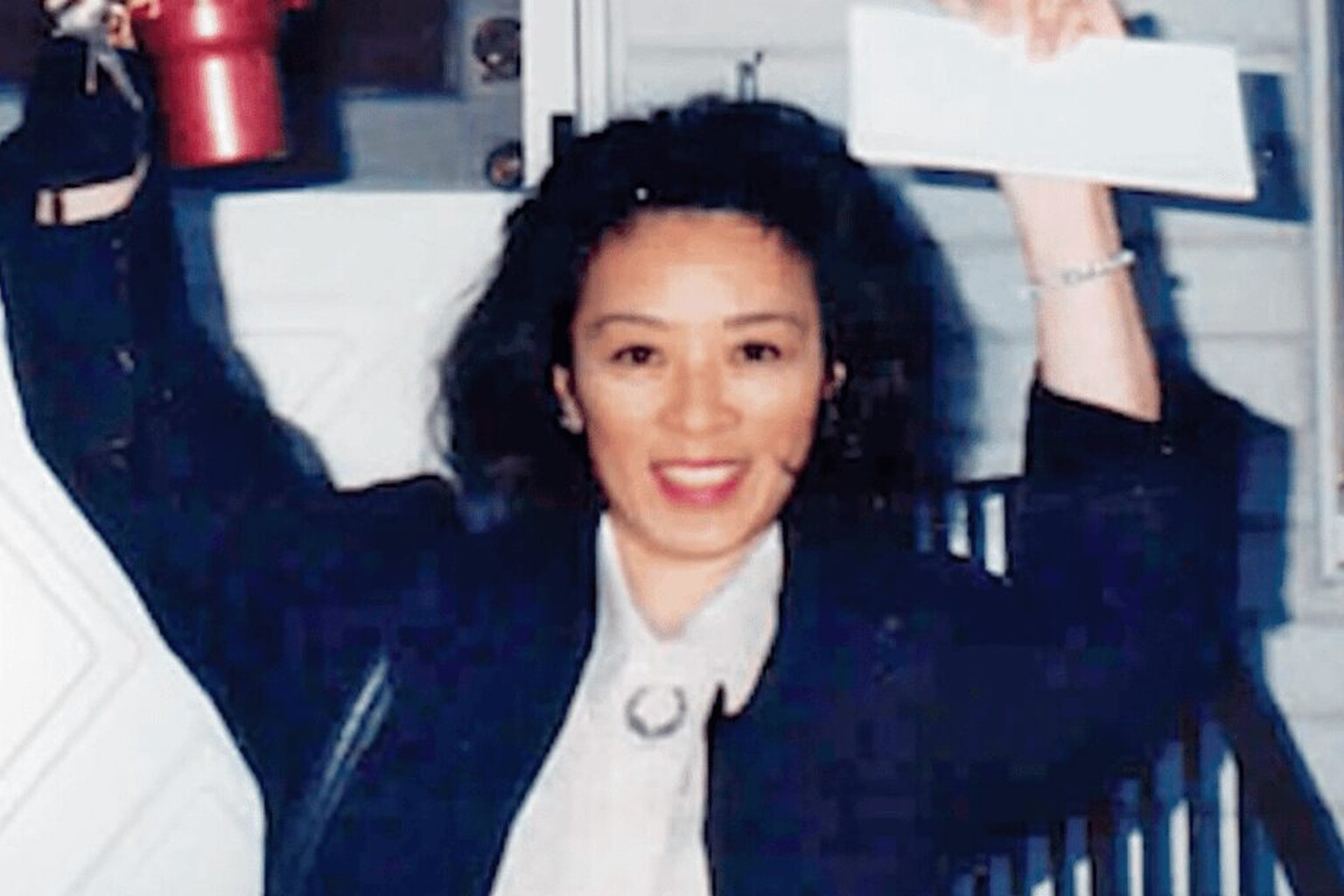
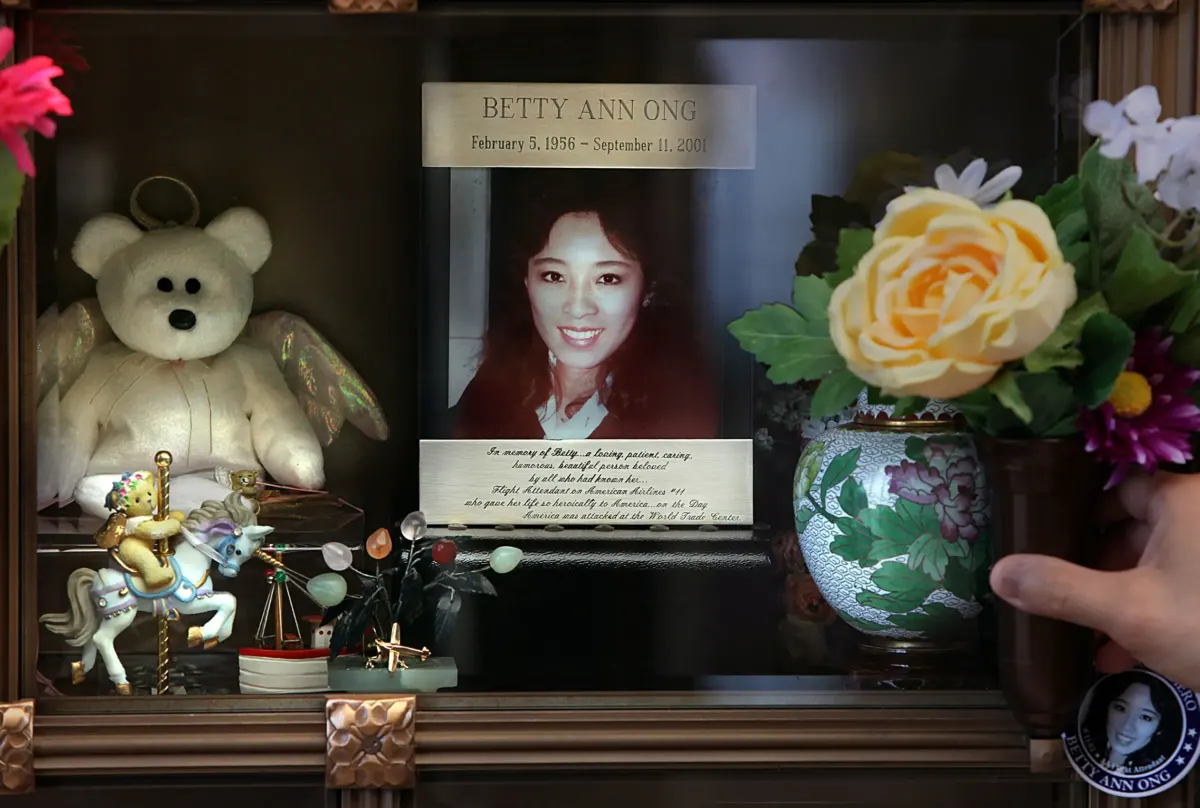
Betty Ong’s final plea to “pray for us” is being shared again as the nation marks 25 years since her heroism aboard American Airlines Flight 11.
Ong, a flight attendant on the Boston-to-Los Angeles route, made the first emergency call from a hijacked plane on September 11, 2001, spending more than 20 minutes on the line with the airline’s reservation center in North Carolina. Her calm, detailed reporting gave authorities critical early intelligence and, investigators later concluded, helped save hundreds of lives through the unprecedented nationwide ground-stop order that followed.
“My name is Betty Ong, I’m number three on Flight 11,” she told Vanessa Minter, the reservations agent who first answered, according to the call transcript.
“The cockpit’s not answering. Somebody’s stabbed in business class and — I think there’s mace — we can’t breathe. I don’t know, I think we’re getting hijacked.”
Minter’s supervisor, Nydia Gonzalez, and American Airlines manager Craig Marquis were quickly patched into the escalating call as the severity became unmistakable. Ong continued relaying what she could observe from the rear of the Boeing 767, where crew and passengers were struggling with the effects of chemical spray in the cabin.
“Our number 1 got stabbed. Our purser is stabbed. Nobody knows who stabbed who, and we can’t even get up to business class right now ’cause nobody can breathe. Our number 1 is stabbed right now,” she reported later in the recording.
Marquis confirmed in the audio that the information was already cascading through official channels: “We contacted Air Traffic Control, they are going to handle this as a confirmed hijacking, so they’re moving all the traffic out of this aircraft’s way.”
He continued, tracking the plane’s ominous trajectory: “He turned his transponder off, so we don’t have a definitive altitude for him. We’re just going by—they seem to think that they have him on a primary radar. They seem to think that he is descending.”
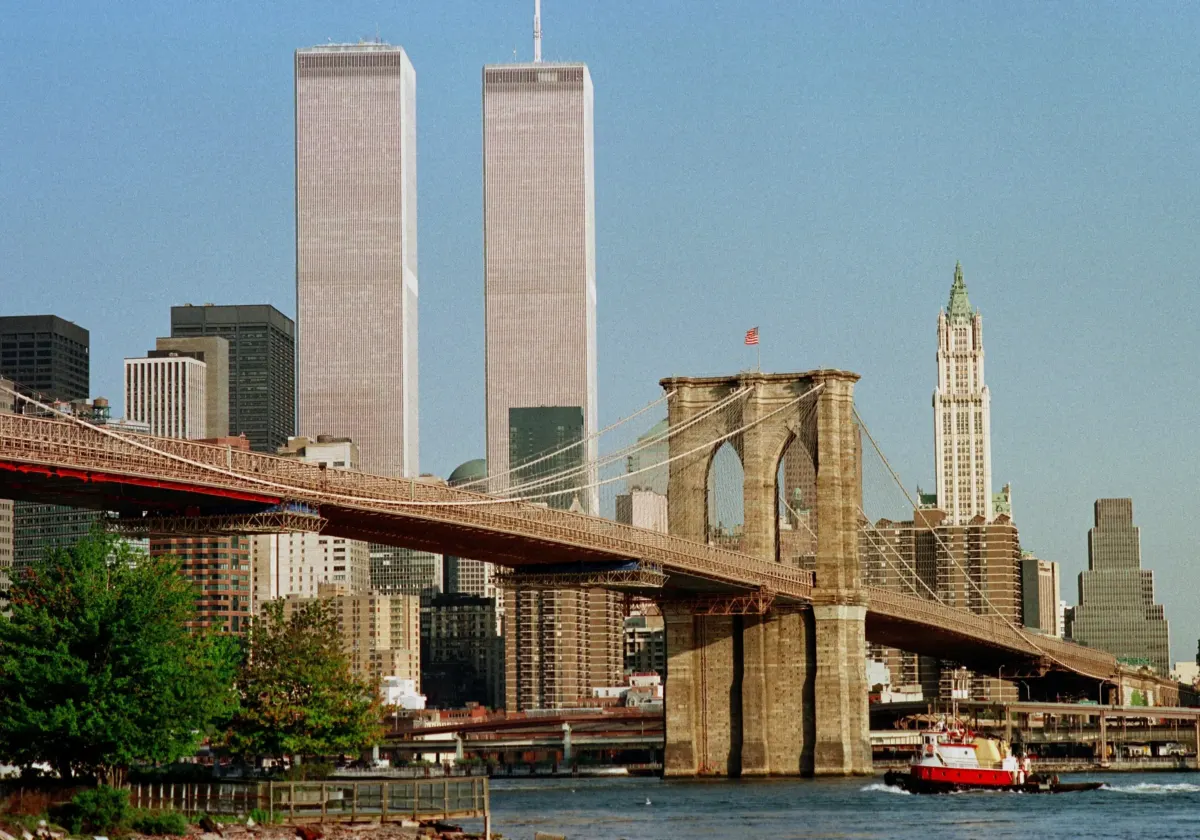
The call ended only when American Airlines Flight 11 struck the North Tower of the World Trade Center at approximately 470 miles per hour, killing everyone on board. Ong’s last words to the reservation center team were her simple, devastating request for prayers.
The Federal Aviation Administration ordered all aircraft over United States airspace to land immediately afterward—the first such order in American history. Air traffic controllers and airline officials have since credited Ong’s early, precise information with providing the minutes needed to begin clearing skies and alerting other flights to the hijacking threat.
Beyond its immediate operational impact, Ong’s call became a crucial piece of evidence for investigators reconstructing how al-Qaeda terrorists seized control of the aircraft and turned it into a weapon.
In the years since her death, Ong’s family established The Betty Ann Ong Foundation. The charity’s website states its mission draws directly from her values: “The Betty Ann Ong Foundation collectively creates a supportive space for the communities we serve. Betty believed that having a positive self-image and self-confidence at an early age was crucial to the development of a well adjusted individual. Our mission is to empower both youth and senior citizens to make positive physical and emotional lifestyle changes for a healthier and brighter future.”
Ong, who grew up in San Francisco and had worked for American Airlines for 14 years, was 45 when she died. She posthumously received numerous honors for her actions, including being named a national hero by Congress.
The foundation continues its work in the San Francisco Bay Area, focusing on youth development and senior wellness programs.