

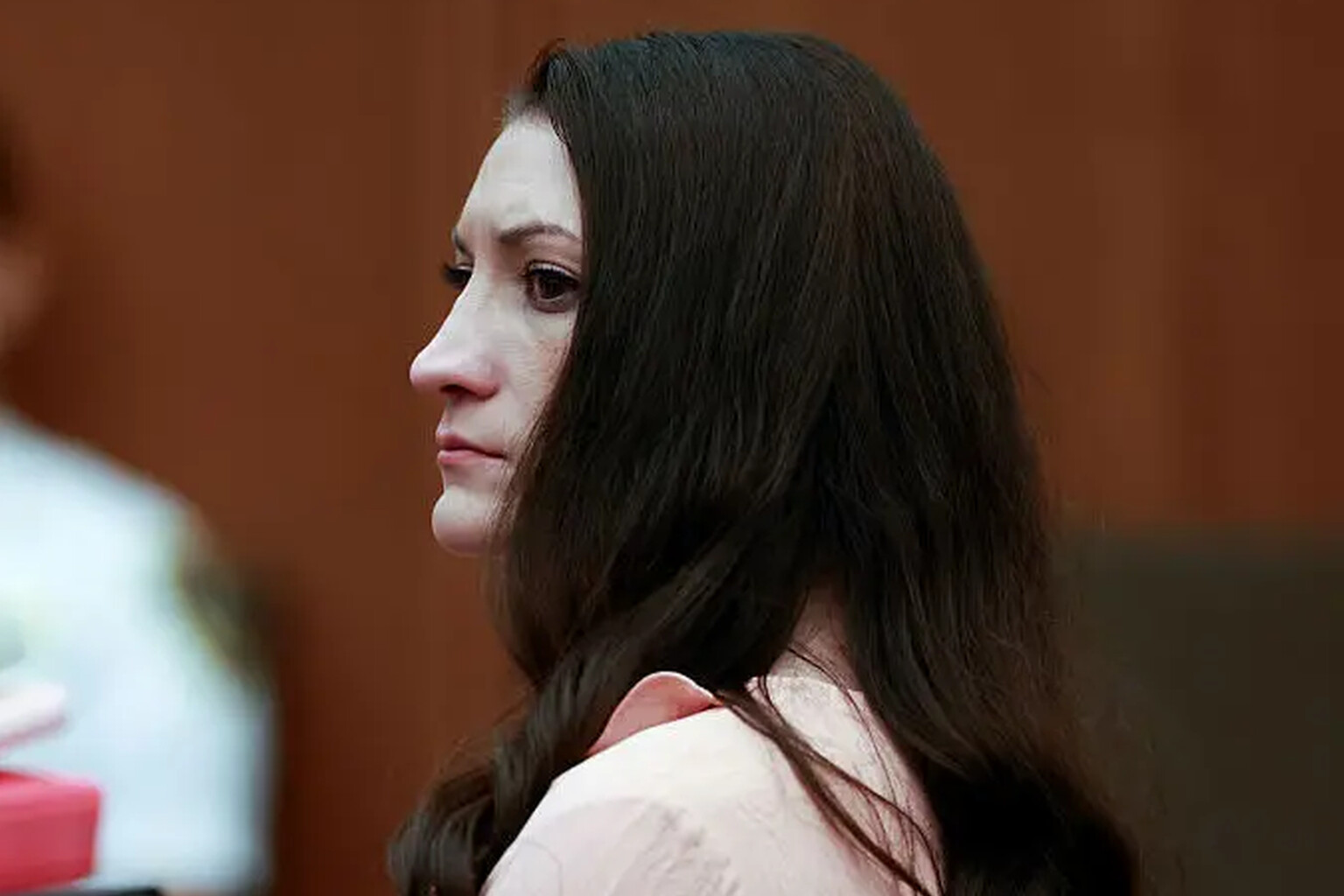
A juror in Lindsay Clancy’s deadlocked murder trial has revealed what changed her mind after initially believing the mother was guilty.
Juror No. 5, who spoke anonymously to WBZ-TV, defended the lone holdout juror who blocked a verdict after six weeks of testimony from 85 witnesses. The Massachusetts trial ended in a mistrial last week when the jury could not reach unanimity on whether Clancy, a former nurse, was not guilty by reason of insanity in the deaths of her three young children.
The foreperson, a retired school teacher, had described being halfway through filling out verdict sheets when the holdout declared: “I’m still not going to say that she’s not guilty by reason of insanity.” That account fueled public scrutiny of the single juror, but Juror No. 5 pushed back on that narrative.
“He was not the only one that was unwilling to see things from the other side,” she said.
The nine-woman, three-man panel had not begun deliberations at 11-1 for insanity, contrary to early reports. Most jurors ultimately acknowledged reasonable doubt over Clancy’s guilt, and Juror No. 5 herself underwent a transformation during the heated discussions.
“Eventually I just felt like the only way to get justice for Cora, Dawson and Callan, and Patrick [Clancy] and her parents and anyone else that was close to this was to get her the help that she desperately needed – and there’s no way she’s getting that help in prison,” she said.
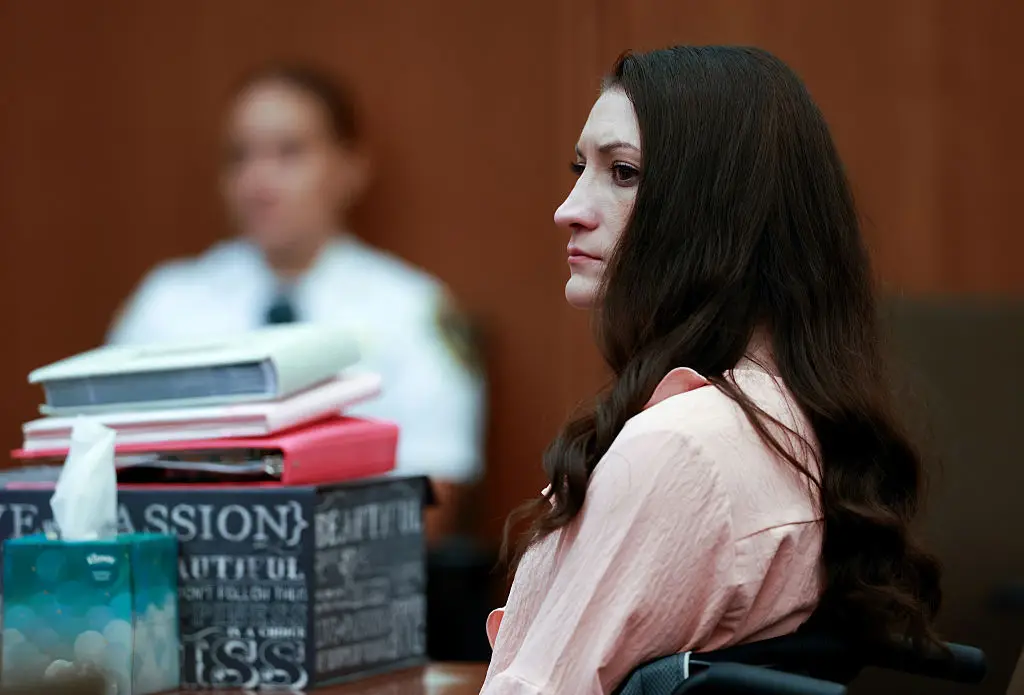
She admitted she still harbors conflicting feelings about the outcome. “Maybe I still believe that in a certain way,” she said of Clancy’s underlying guilt.
The juror described a room dominated by forceful personalities who dug in early and never budged. “The majority of the people, it doesn’t matter what side it was on, was very firm in their like stance and their beliefs kind of from the beginning,” she said.
She continued: “The stand-alone juror was not the only one that was unwilling to see things from the other side. So, I’m going to kind of defend that individual in a sense. There were some big personalities in that room. But at the end of the day, I feel like it just came down to an inability to kind of move past your convictions.”
The case drew intense global attention partly due to the jury’s gender composition, which became a focal point for observers debating whether women jurors would show particular sympathy toward a mother who claimed severe postpartum mental illness.
Clancy’s husband Patrick had found their children — Cora, 5, Dawson, 3, and Callan, 8 months — in the basement of their Duxbury home on January 24, 2023. Prosecutors said she used exercise bands as tourniquets and strangled them, then attempted suicide by jumping from a window. She suffered spinal injuries that left her paralyzed from the waist down and attended the trial in a wheelchair.
The defense argued Clancy experienced a psychotic break driven by postpartum depression and overmedication, while the prosecution emphasized her meticulous planning — including filling prescriptions and ordering the exercise bands — as evidence of deliberation rather than delusion.

Judge William Sullivan sent the deadlocked jurors home after their sixth day of deliberations, and the mistrial was declared. Prosecutors have not yet announced whether they will retry Clancy on the murder charges.