

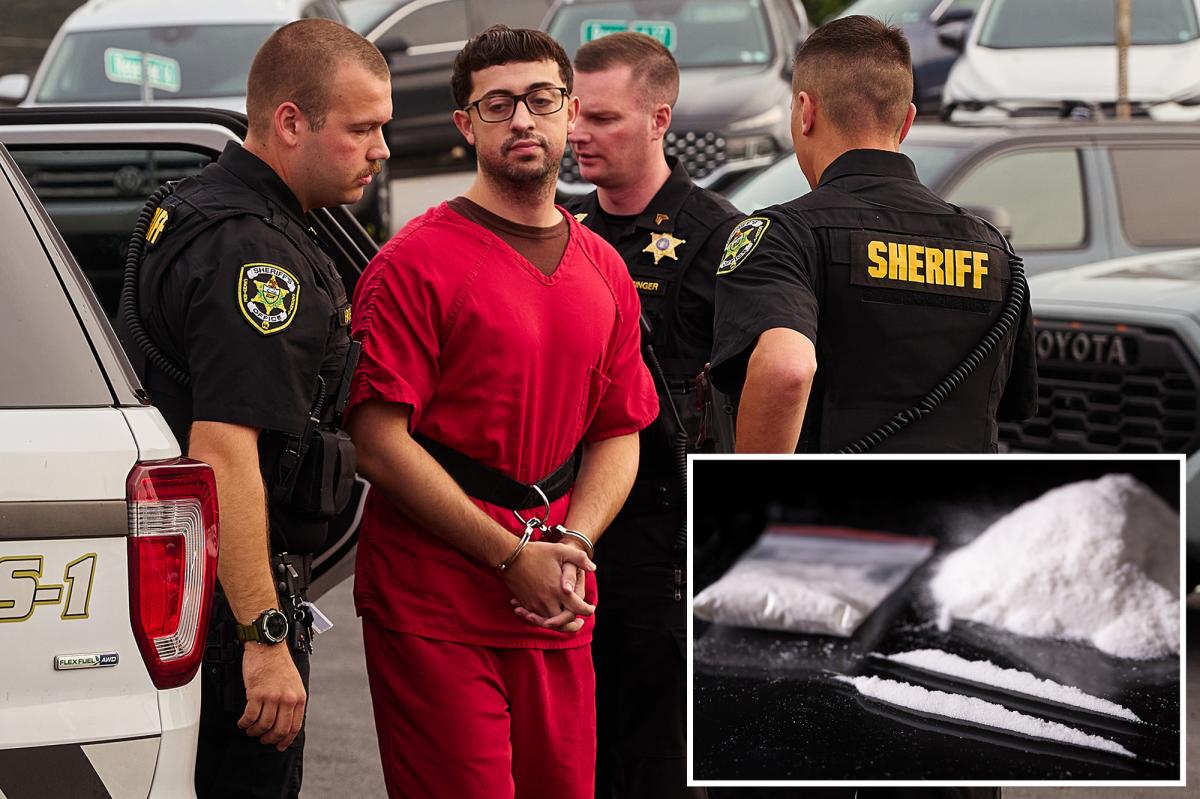
Fourteen men tied to a Penn State fraternity were arrested last month for allegedly running a cocaine ring from off-campus houses, and a local drug official says the case spotlights a broader surge in stimulant use spreading through rural communities.
Agostino Abbatiello, 24, is identified in court documents as the alleged kingpin of the operation. He posted $250,000 bail and was released from jail on Sept. 2 after spending more than two weeks in custody. His court arraignment is scheduled for Sept. 30.
Catherine Arbogast, the Centre County Drug and Alcohol Administrator, tied the bust to a wider pattern she is seeing across her jurisdiction and beyond. She explained that young people are no longer limiting themselves to opiates and their derivatives.
“What is being reported to us is that we have gone from just seeing opiates and opiate derivatives to also seeing more stimulant use,” she said.
Arbogast elaborated that the demand extends well beyond cocaine or the prescription stimulant Adderall.
“We’re seeing methamphetamines, we’re seeing a variety of stimulants, we’re seeing prescription meds, we’re seeing synthetic medications—things that are being cooked up in laboratories,” she said.
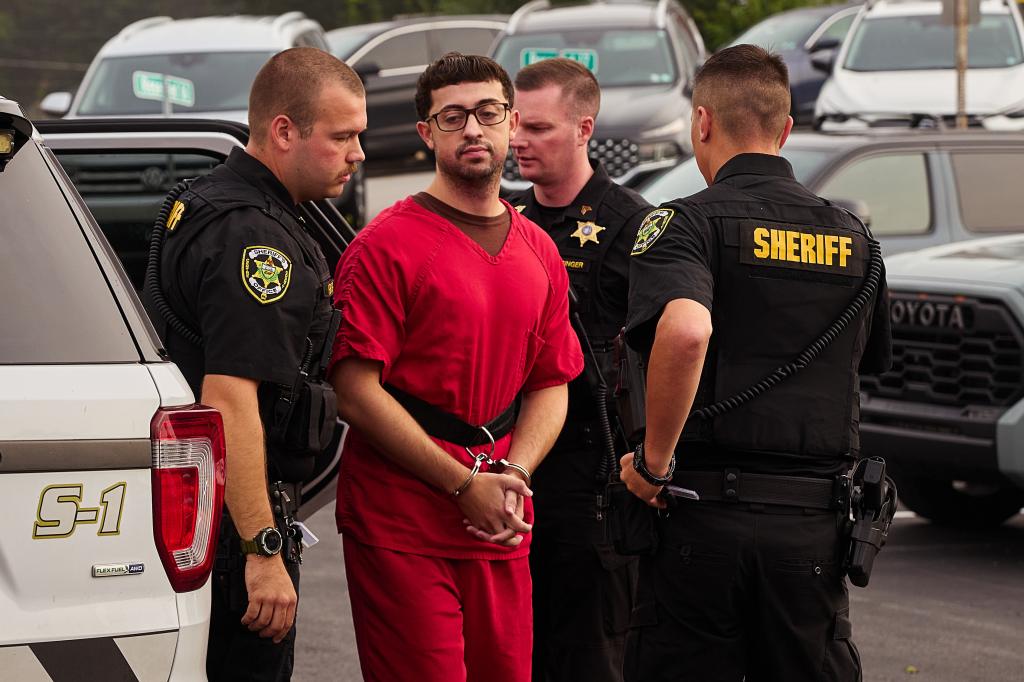
Investigators said the fraternity operation allegedly involved coercing pledges to cut and pack cocaine as part of initiation rituals. The practice of mixing or “cutting” the drug creates unpredictable dangers for users who cannot know the exact contents of what they are consuming.
“When people are buying drugs, they really don’t know what they’re getting because drugs are mixed, there are combinations of drugs, and so when they take something, they might be getting a stimulant, they might be getting an opioid, which is more of a depressant, or they might be getting a combination of the two,” Arbogast said.
The risk of accidental overdose rises sharply when users ingest unknown drug combinations, particularly when stimulants are mixed with depressants without their knowledge.
Arbogast stressed that the problem is not confined to university campuses or urban centers.
“Stimulant use, opiate use, drug use is a pattern that is happening in rural communities across the state of Pennsylvania and across the United States,” she said. “It’s not something that just happens in big cities. It’s not something that just happens in more urban areas.”
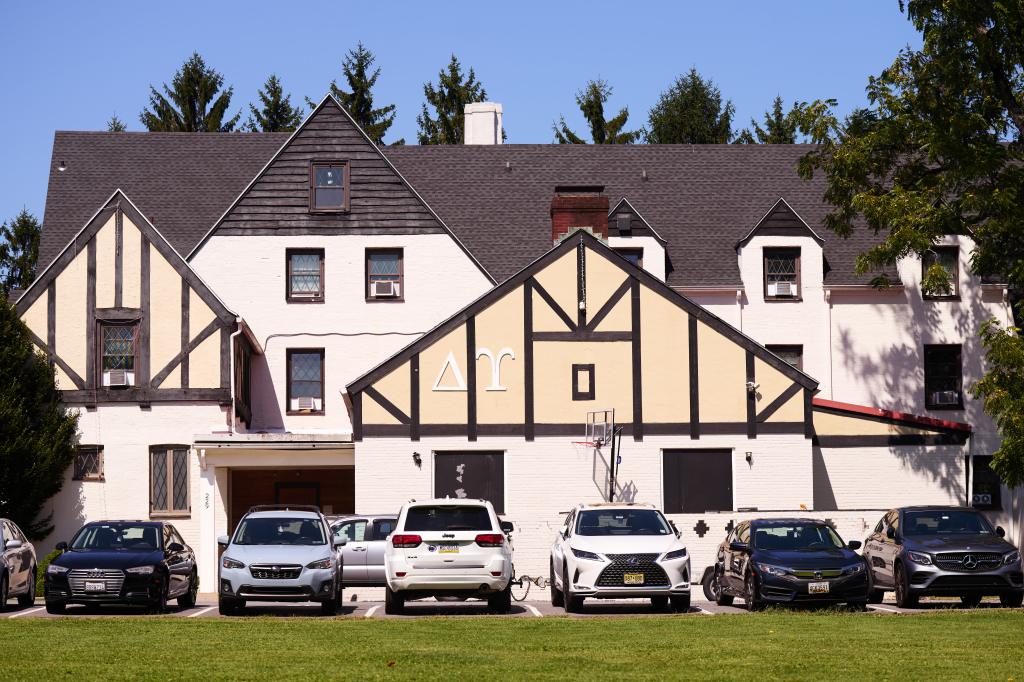
The Pennsylvania State Attorney General announced the arrests last month, revealing that most of the 14 men taken into custody were fraternity brothers. The alleged ring operated from off-campus fraternity houses, according to the charges.
Abbatiello’s attorney was contacted for comment.
The case has drawn attention to how fraternity culture and initiation rituals can allegedly intersect with drug distribution, with pledges reportedly drawn into the operation through coerced participation in processing the cocaine.