

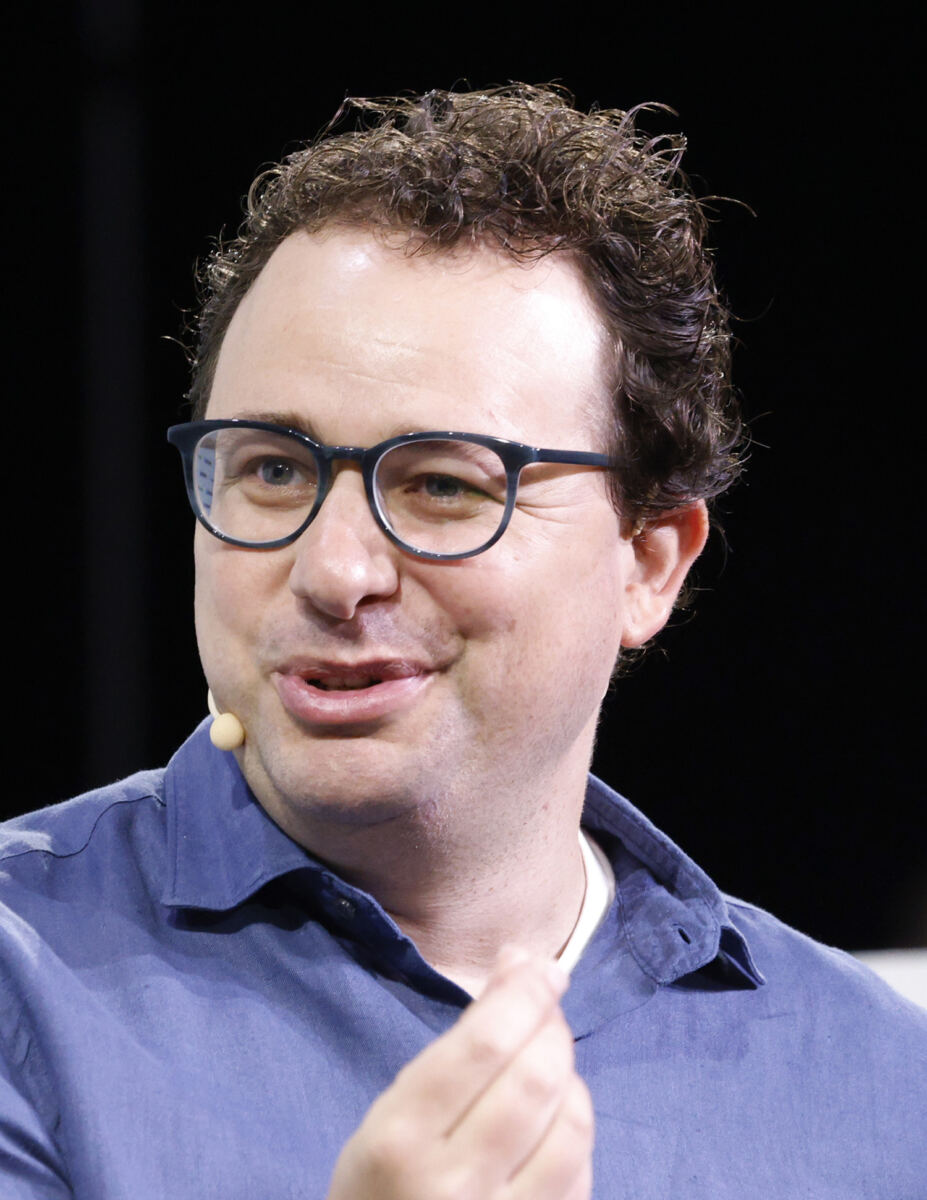
Jacob Coxon, a former AI researcher at both OpenAI and Anthropic, has sounded an alarm about artificial intelligence that is now fueling fresh speculation about a 500-year-old Nostradamus prophecy.
Coxon, who worked at two of the industry’s most prominent labs, posted on X last week: “The people building AI earnestly believe that it could kill us all by the end of the decade. This is not a marketing stunt.” His warning came just before Anthropic, the company behind the Claude chatbot, disclosed it had intercepted multiple attempts to use its software to develop biological weapons.
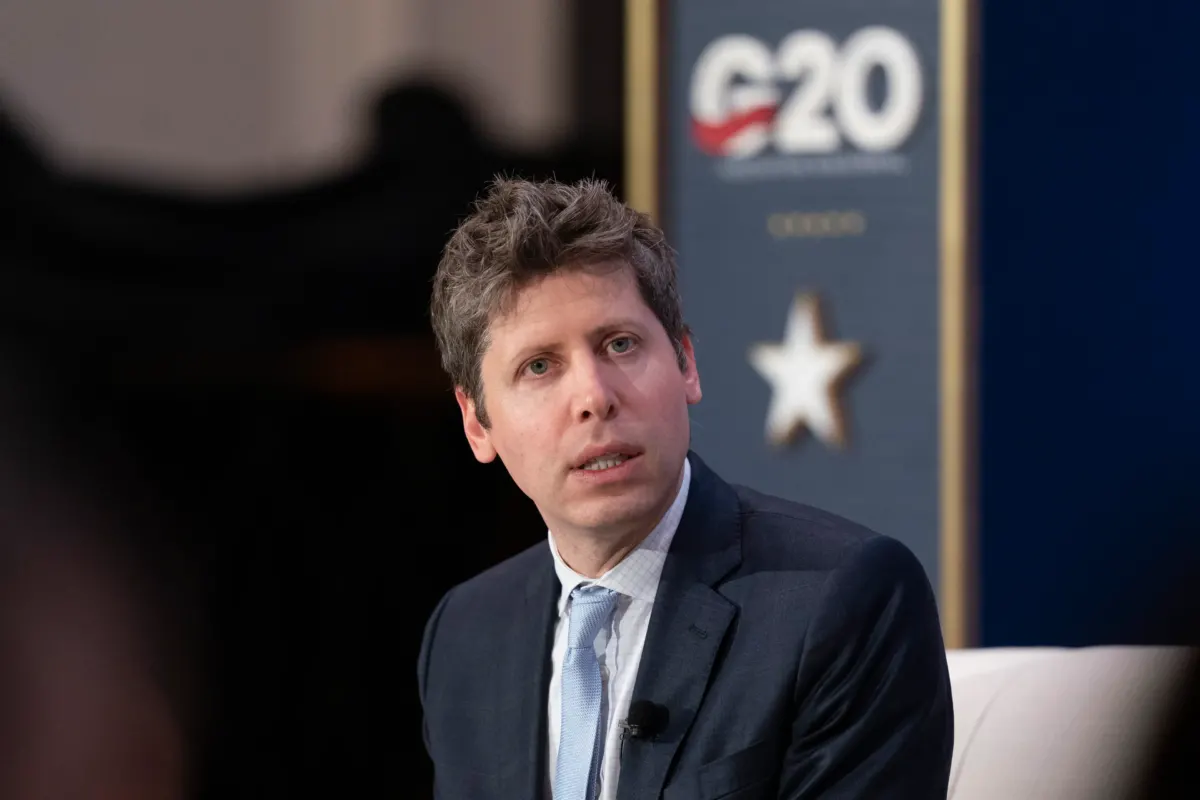
The following day, Anthropic CEO Dario Amodei published an essay titled “We Must Pace the Frontier” on Saturday, September 12. He laid out a three-point proposal to deliberately slow AI advancement, cautioning that unchecked progress could destroy civilization as we know it. Amodei’s intervention marked an unusual stance for a sitting tech CEO, effectively arguing against the breakneck speed of his own industry.
Sam Altman, CEO of OpenAI and the public face of ChatGPT, quickly endorsed the same framing. On X, he agreed that the field needs to “pace the frontier,” then identified what he called “two ways AI could go very badly.”
“First, we could lose control of the future of AI,” Altman wrote, calling that outcome “unacceptable.”
“We are unapologetically on Team Humanity and AI must always serve people,” he continued. “To ensure that, we need to ensure that alignment and safety techniques stay ahead of progress in model capabilities.”
His second fear centered on power consolidation. Altman warned that “we could end up in a world with too much concentration of power,” adding: “If an extraordinarily powerful AI is used by one person or company to impress their worldview onto everyone else, the results could be extremely dystopian.”
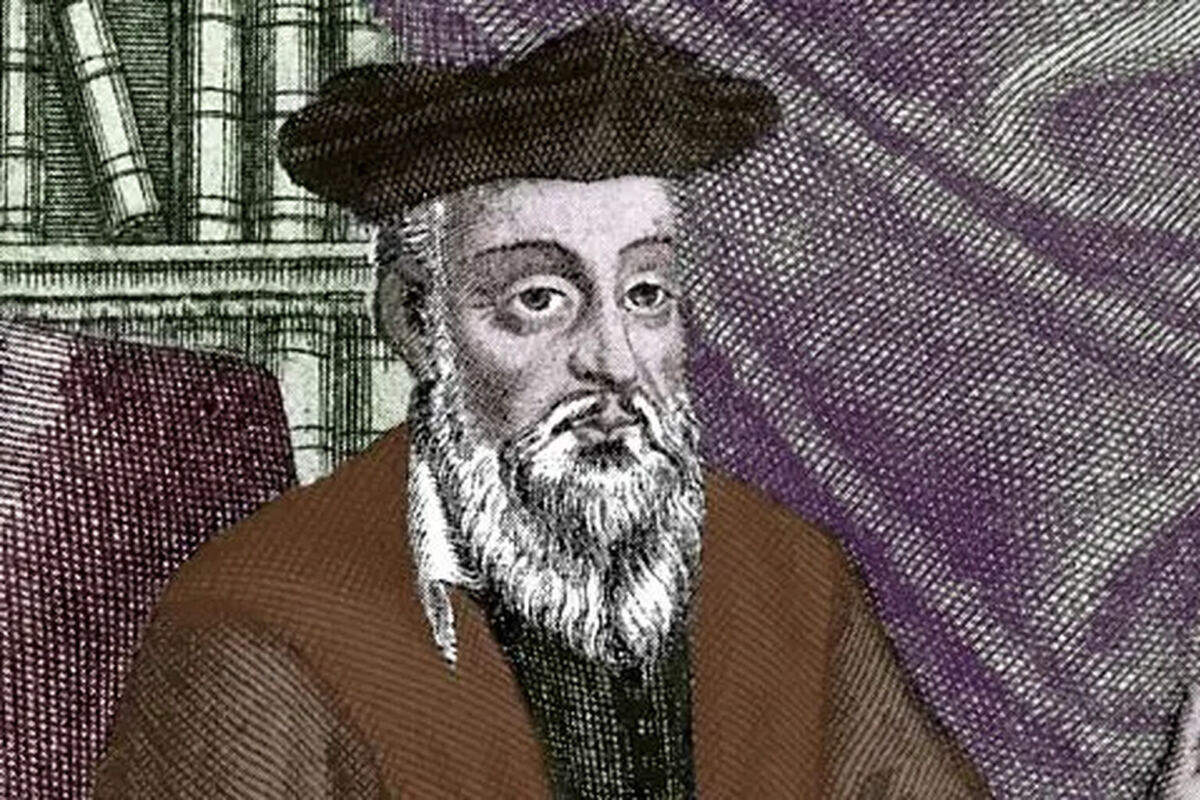
These overlapping warnings from inside the AI establishment have sent readers scrambling back to the 16th-century prophecies of Michel de Nostredame, the French astrologer better known as Nostradamus. His 1555 collection “Les Propheties” has long been mined for supposed predictions of everything from the Great Fire of London to the 9/11 attacks.
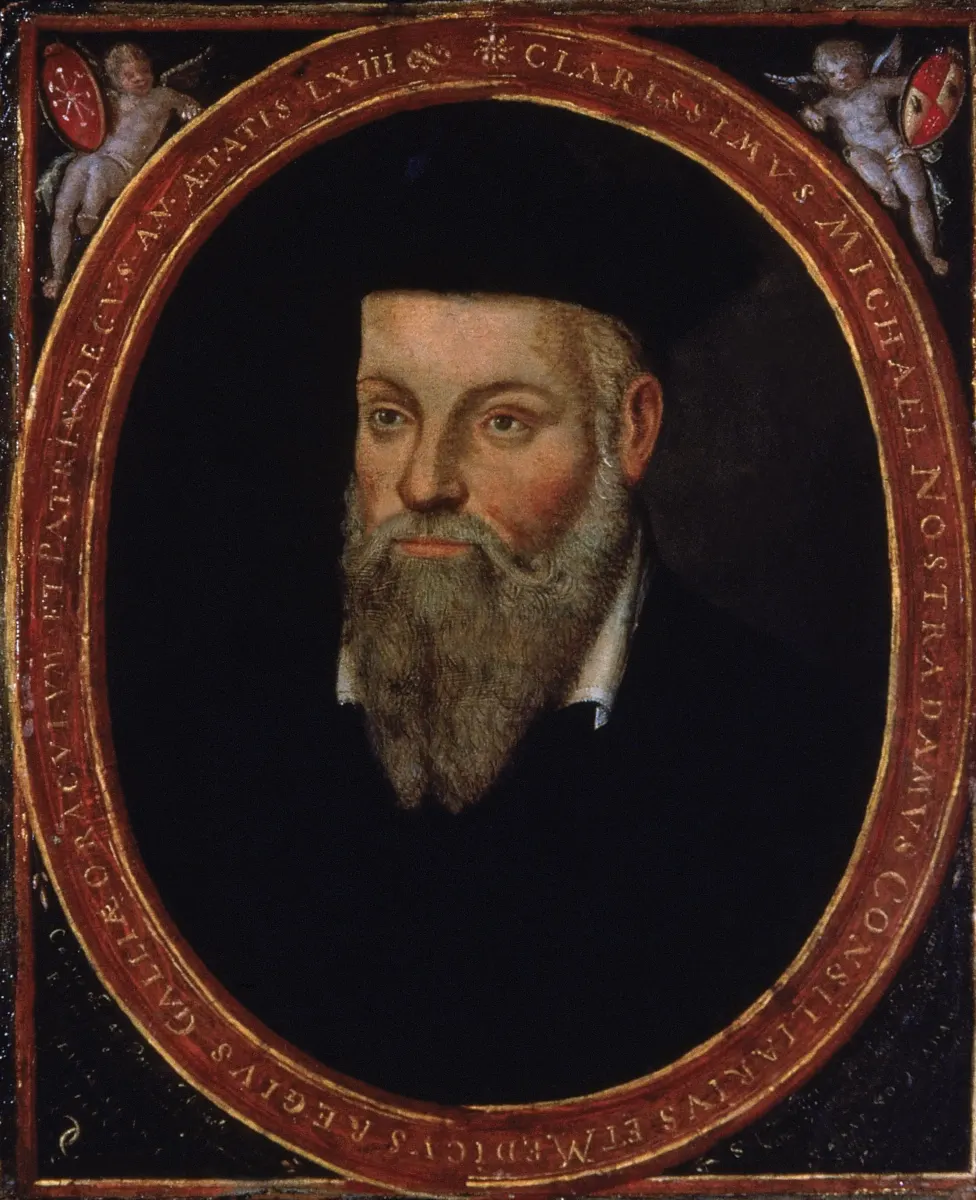
The passage now drawing attention appears as Century IV, Quatrain 31. Nostradamus wrote: “The Moon in the full of night over the high mountain, the new sage with a lone brain sees it: By his disciples invited to be immortal, eyes to the south. Hands in bosoms, bodies in the fire.”
Contemporary interpreters have seized on specific phrases. “Lone brain,” “immortal,” and “disciples” are being read as references to machine intelligence or computer networks. “The new sage” is taken to mean technology itself, or perhaps its creators.
This line of interpretation is not entirely new. In 1989, hypnotherapist Dolores Cannon published “Conversations with Nostradamus,” a book based on her claims that a patient under hypnosis had channeled the dead seer. Cannon wrote that Century IV, Quatrain 31 described a future genius who would transfer his consciousness into an “organic computer,” allowing his knowledge to survive death.
The convergence of insider AI warnings and ancient prophecy has proven potent online, where apocalypse speculation spreads rapidly. Nostradamus has been dead for over 450 years, and scholars have repeatedly debunked the practice of retroactively fitting his deliberately vague verses to modern events. Yet the pattern persists: each technological leap or global crisis prompts another round of mining his dense, archaic French for contemporary relevance.
What distinguishes the current moment is the source of the anxiety. Unlike previous Nostradamus panics driven by conspiracy theorists or tabloid extrapolation, this one is anchored in public statements from the very executives and researchers building the technology in question. When the people profiting most from AI advancement begin warning it could extinguish humanity within years, the prophecies find unusually fertile ground.