

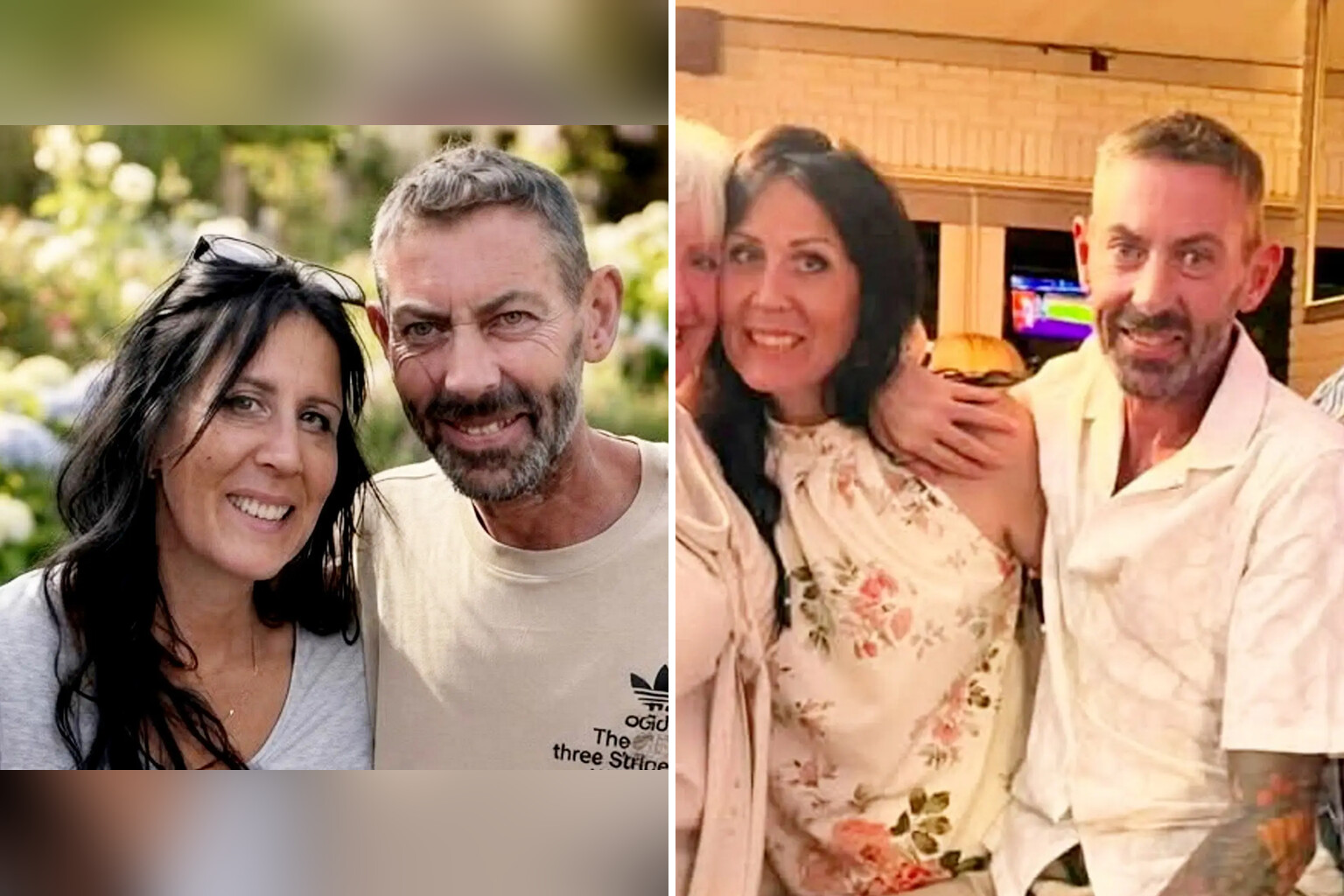
Austen Cole, 55, threw himself a “leaving do” at his favorite pub after doctors gave him less than a year to live.
The retired ceramic tiler from Buckinghamshire, England, drew more than 200 people to The Dove in Newport Pagnell, Milton Keynes, for the living wake he hosted last Friday alongside his partner Tracey Nash. Guests included his two adult children, Lois, 28, and Lloyd, 30, childhood friends he had not seen since primary school, former work colleagues, and relatives from across his life.

“It was amazing and I loved every minute of it. There was so much laughter, love and fun,” he said. “I saw people I hadn’t seen since primary school, I couldn’t believe how many people came. The pub was packed.”
Cole’s path to that packed pub began with symptoms that doctors repeatedly dismissed as irritable bowel syndrome for more than six months. When the true cause was finally identified, he received a diagnosis of pancreatic cancer that had already metastasized to his liver and lymph nodes. The prognosis: less than 12 months.
Rather than pursue chemotherapy, which physicians indicated would likely extend his life by only a couple of months while potentially worsening his quality of life, Cole opted to spend his remaining time differently. “I could have had chemo but it would only delay things by a couple of months and probably make me feel even worse. So I decided instead not to mope around but to make the most of every day I have left,” he said.
The gathering stretched from 2:30 p.m. Until midnight, with Cole and Nash the last to leave. The mood shifted as the night wound down and guests began departing. “It was only as people left that it became more like a funeral and there were some tears,” he said. “The leaving do started at 2.30pm and Tracey and I were the last ones standing at midnight… I can honestly say I loved being at my own wake. Why would I want to miss it?”
Nash had originally suggested calling the event a celebration of life, but Cole insisted on his own terminology. “Tracey wanted to call it a celebration of my life but I called it my leaving do. It seemed right,” he said. Nash later reflected on the evening in her own remarks. “The atmosphere was incredible, but what made it so meaningful was hearing so many people share their stories and memories of Austen,” she said. “It gave everyone the chance to say the things they may have otherwise regretted never making the time to say.”
She continued: “It was incredibly heartwarming to see Austen surrounded by so many of the friends he had made throughout the years, watching him laugh, smile and add to the stories and memories they were reminiscing about together.”
Nash added that the most powerful moment came when Cole recognized the depth of his impact. “But my favourite part of the whole evening was seeing Austen realise just how deeply loved he is, and just how much of an impact he has had on so many people’s lives.”
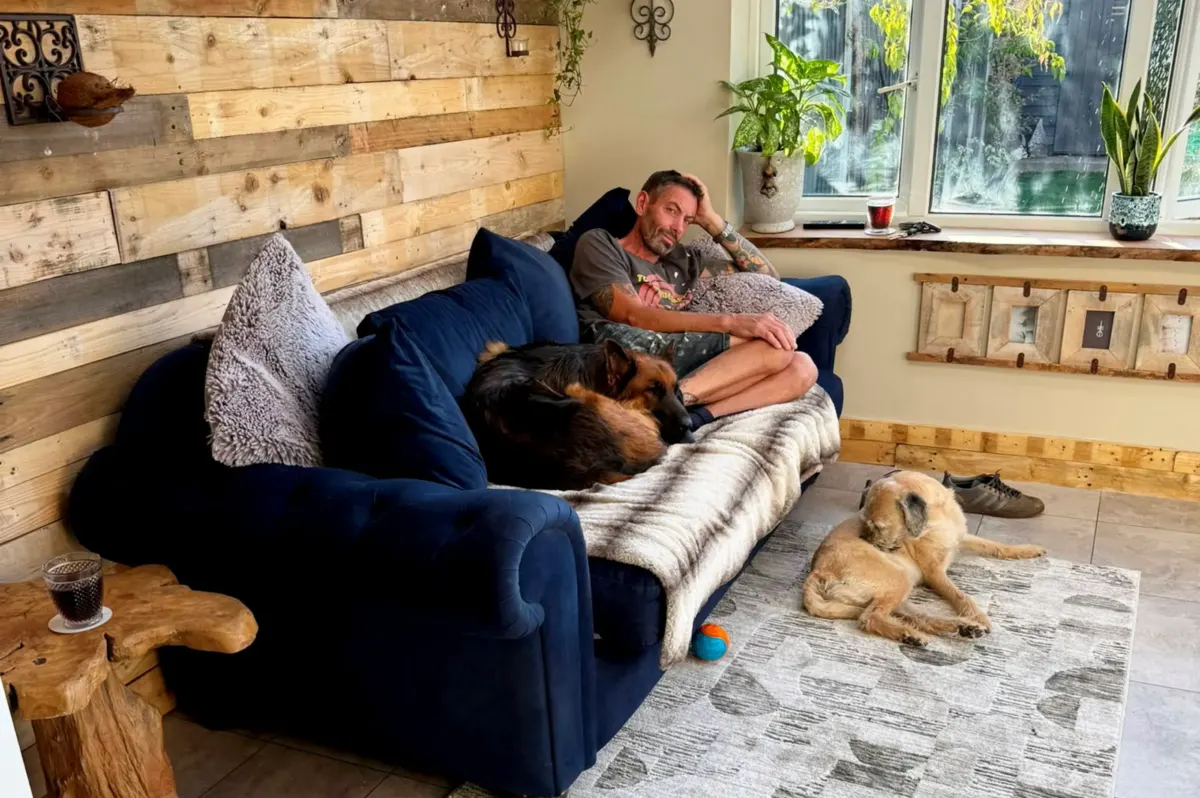
Despite his diagnosis, Cole has maintained what he describes as a “spring in his step” and an unusually positive demeanor that others have noticed. “Weirdly people keep saying how well I look, even though I’m dying,” he said.
He has framed his outlook as a deliberate choice in the face of terminal illness. “The way I see it is that I’ve been dealt a card and I have this illness but I’m not going to let it rule what life I have left. I can still be happy,” he said.
Cole even allowed himself to imagine defying expectations. “Maybe that attitude is even paying off. Who knows, this time next year I might be holding a ‘Stuff You’ party to terminal cancer!” he said.