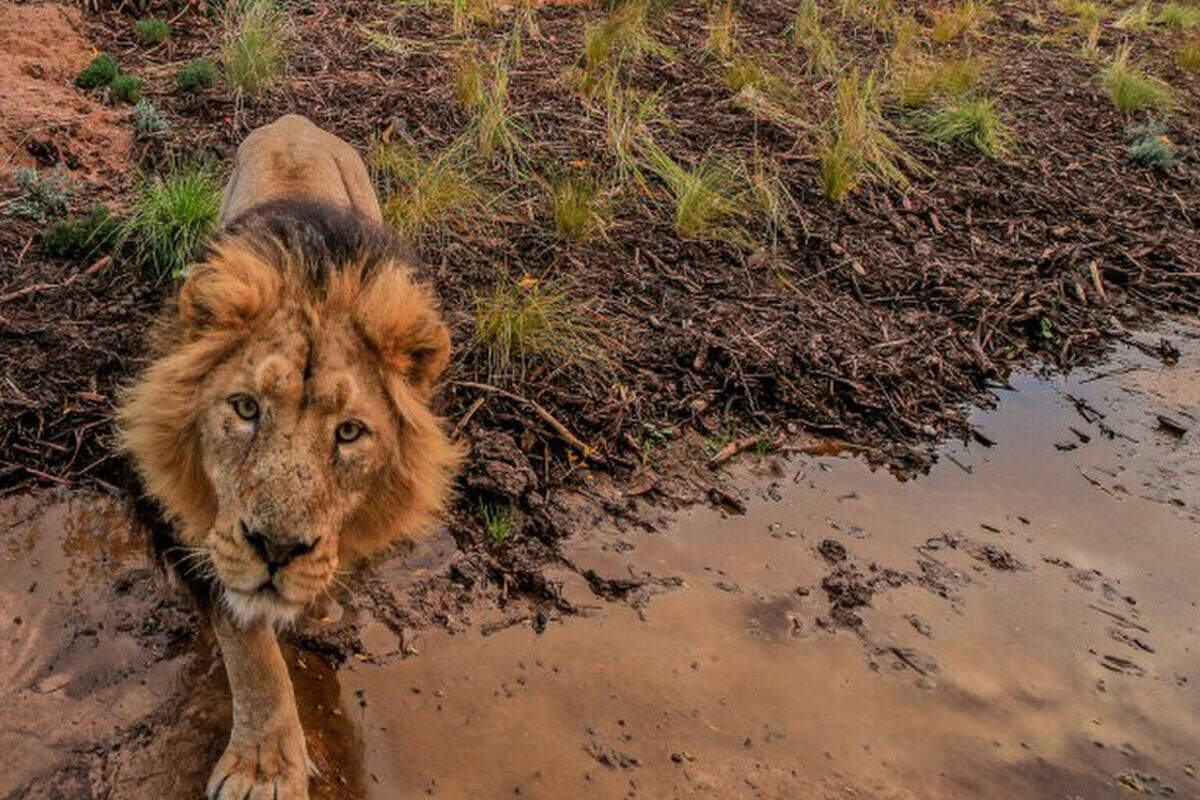
A UK zoo has apologized after its website briefly advertised a “child predator tour” for families, a glitch that sparked ridicule and alarm online before staff scrambled to fix it.
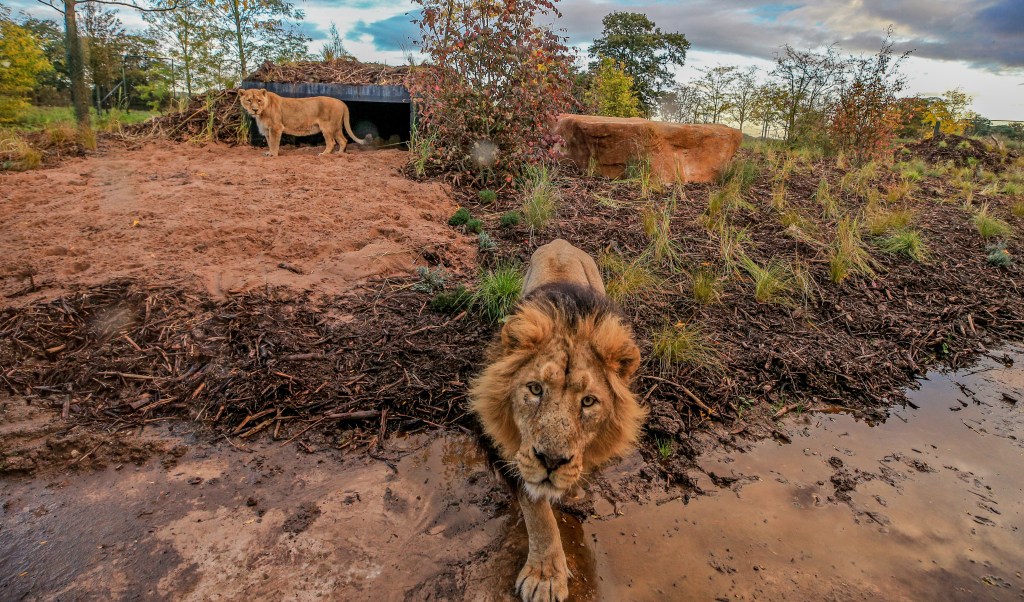
Chester Zoo, located in Cheshire, England, had listed the 90-minute guided bus experience under the unfortunate heading on its ticketing platform last week. The tour itself was a standard children’s wildlife excursion, offering young visitors aged up to 15 the chance to spot Sumatran tigers, lions, rhinos and Komodo dragons from a safari-style vehicle. Adult tickets were priced at 30 euros, roughly $40, while children’s entry cost 25 euros, about $33.
The blunder originated from the zoo’s automated naming system, according to a spokesperson who spoke. The representative explained that the cringeworthy title was “due to our default naming convention in our system” and confirmed the wording was “quickly changed” once staff became aware of it.
Online reactions to the mishap ranged from mockery to genuine concern. One commenter, baffled by how the name made it live, posted: “Staggering – how did that get approved?”
Another sounded a more alarmed note, writing: “I hope this has been cleared by Cheshire Police – seems a bit dangerous.”
Several others branded the error “sinister,” reports said, with the juxtaposition of “child” and “predator” hitting a particularly jarring note for a family attraction. The phrase carries starkly different connotations in British usage than the intended wildlife meaning, referring to carnivorous animals rather than the criminal sense that immediately leapt to many readers’ minds.
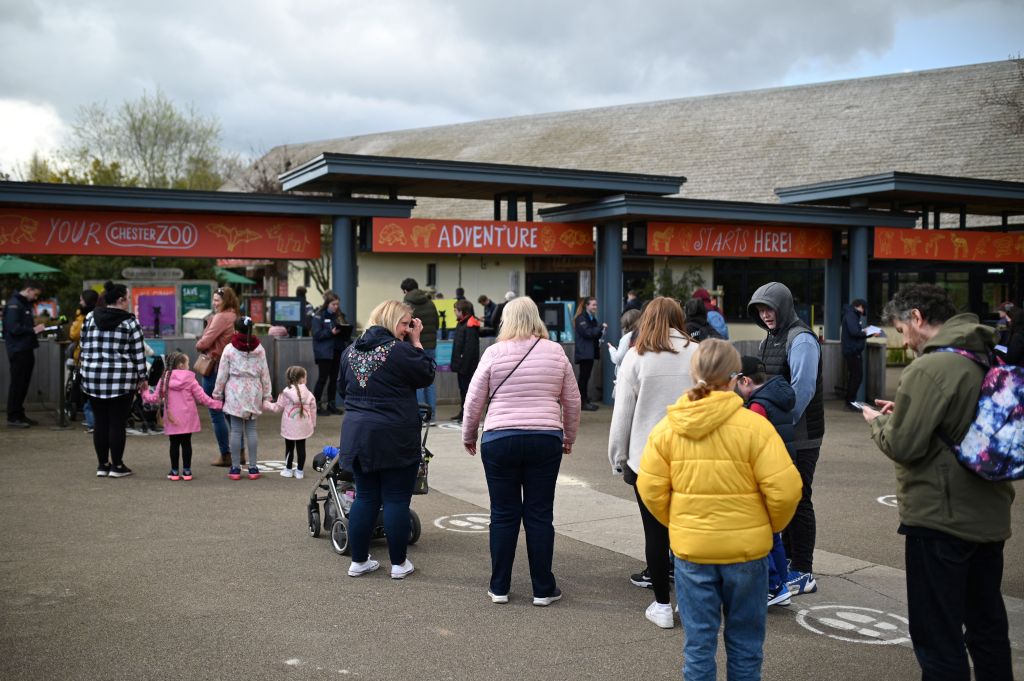
The zoo, one of Britain’s largest and most visited, has operated similar guided safari tours for years without incident. Its standard programming includes conservation-focused experiences designed to educate younger guests about endangered species, including the Sumatran tigers and Komodo dragons featured on the predator route. The 128-acre facility houses over 27,000 animals and has previously won awards for its breeding programs and visitor engagement.
The incident follows a pattern of automated system errors causing embarrassing public-facing mistakes at major institutions, where template-based naming conventions can produce unintended combinations when human oversight is skipped. Chester Zoo did not indicate whether it would review its internal approval processes for website content following the glitch.