

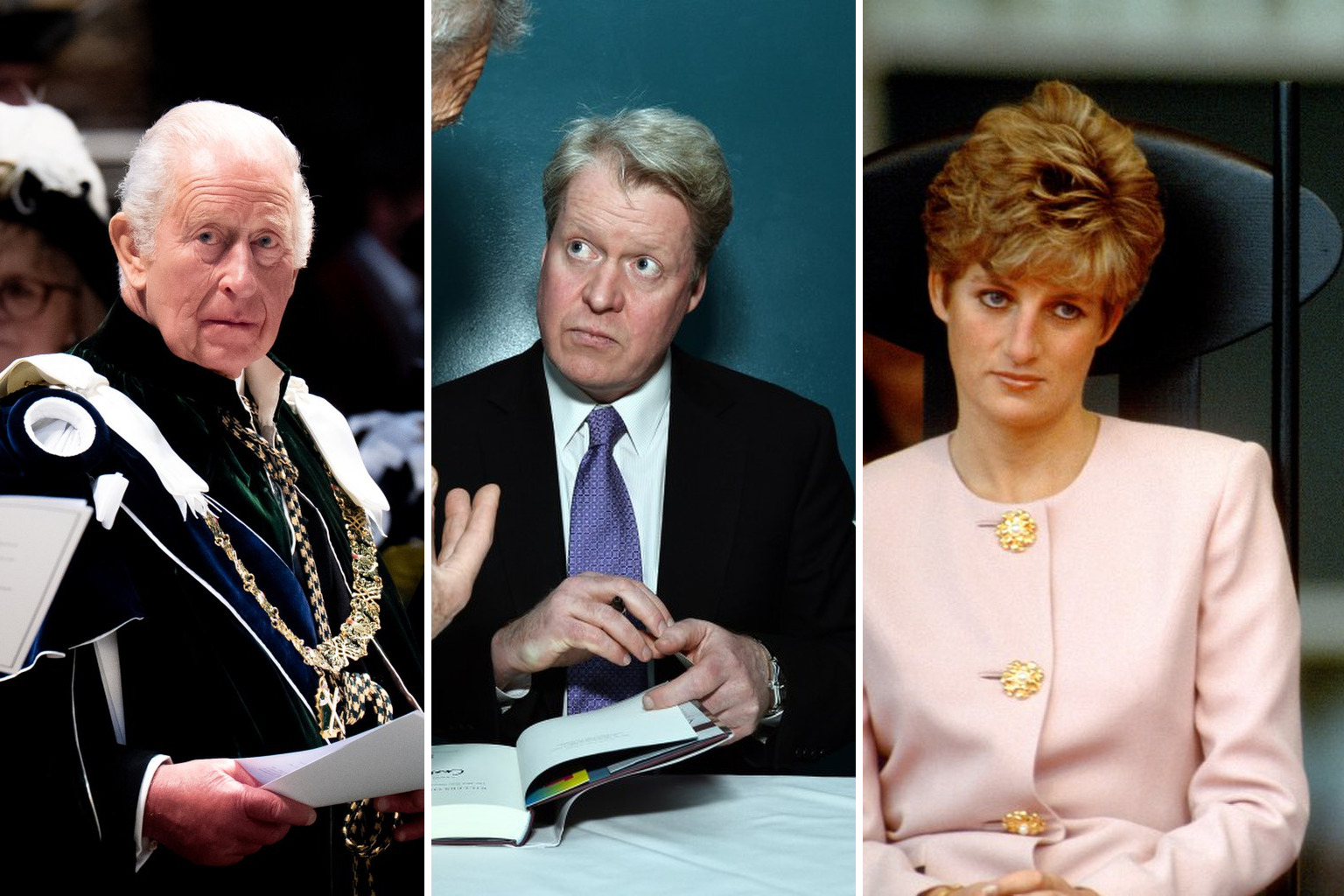
King Charles III has pushed back against explosive allegations from Princess Diana’s younger brother in a forthcoming memoir.
The monarch’s spokesperson issued an unusually sharp statement after Charles Spencer, 60, the 9th Earl Spencer, claimed in “Swan Song: Diana, My Sister” that the then-Prince of Wales predicted his ex-wife would be forgotten “soon enough” in the immediate aftermath of her 1997 death. The book, scheduled for release Tuesday, portrays the remark as evidence of what Spencer called the monarch’s “pent-up contempt for Diana, and his horror that the world was so bowled over by her death,” coverage of excerpts.
Buckingham Palace fired back through a spokesperson who spoke.
“His Majesty is mindful that the pain of fraternal grief can cloud reason, affect judgment and color memory in ways others do not recognize, even many years after such a loss,” the rep said.
The palace statement notably avoided any direct denial of the specific quote attributed to Charles, instead framing Spencer’s account as potentially distorted by the trauma of losing his sister.
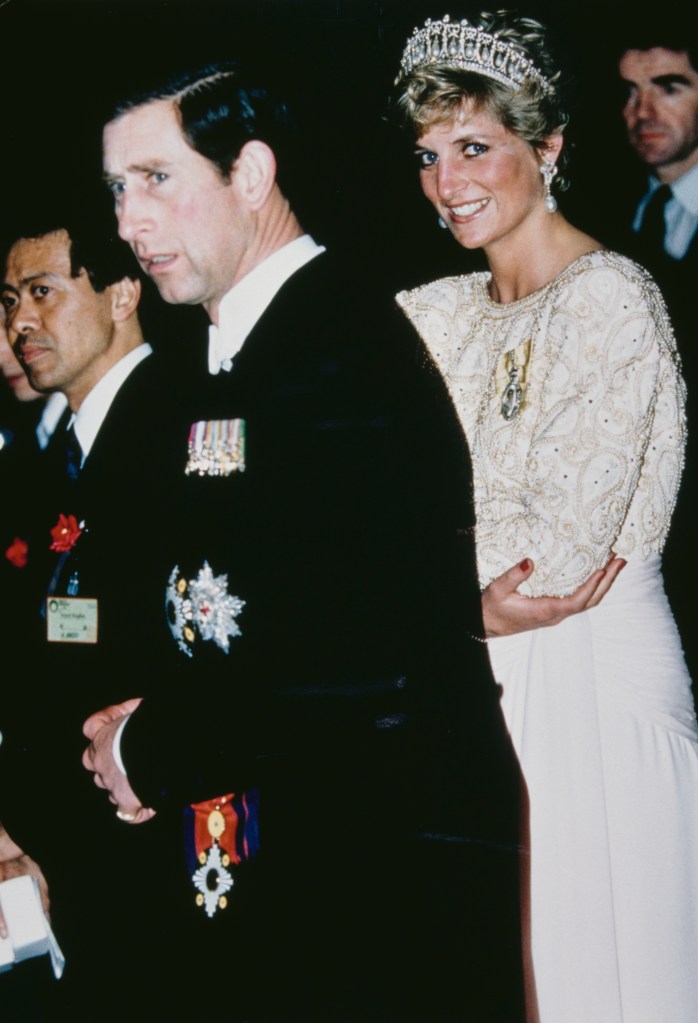
Spencer has previously spoken about the devastation of Diana’s death, which came when she was just 36 years old. The princess perished in a car crash in Paris’s Pont de l’Alma tunnel alongside her boyfriend Dodi Fayed and driver Henri Paul after being pursued by paparazzi through the French capital’s streets.
The earl delivered a eulogy at Diana’s funeral that drew global attention for its pointed references to her “blood family” standing by her, widely interpreted as a rebuke to the royal establishment. His new memoir represents the most detailed account he has offered of that period and his perspective on the royal family’s private reactions.
The timing of the palace response suggests concern about the memoir’s potential impact on Charles’s public image at a moment when the monarchy has sought to project stability. The book arrives nearly 28 years after the fatal crash that continues to generate fresh controversy and competing narratives about what occurred behind palace walls.
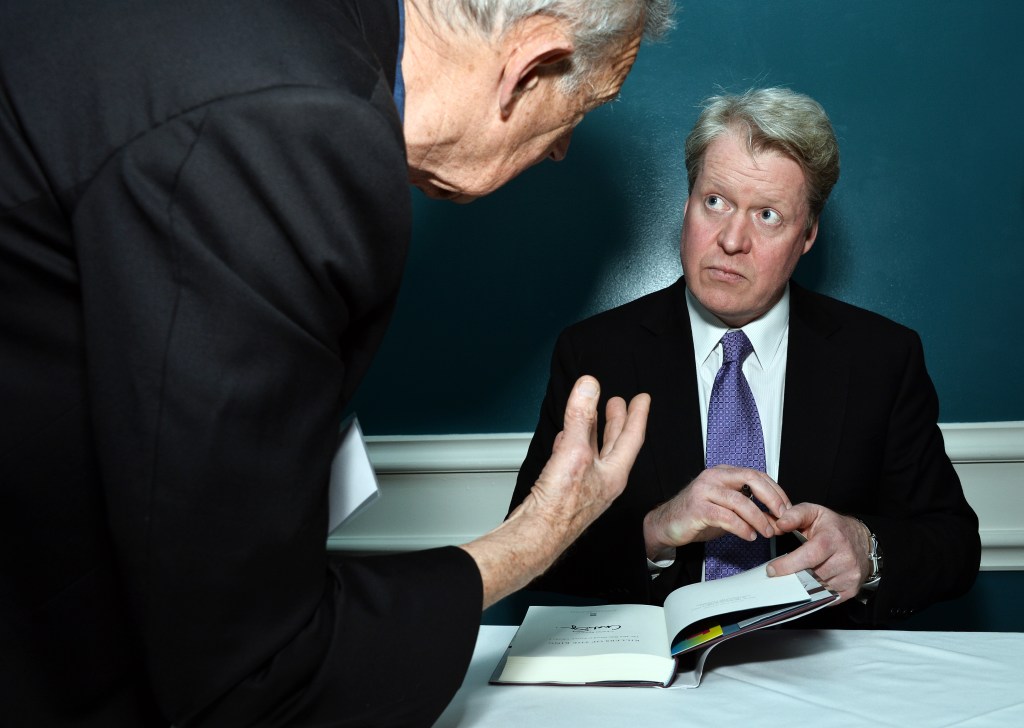
Royal observers note that direct palace engagement with family memoirs has become more common under Charles’s reign, departing from the traditional “never complain, never explain” approach associated with his mother Queen Elizabeth II. The decision to address Spencer’s claims through an official spokesperson rather than remaining silent signals the sensitivity of allegations touching on Diana’s legacy.
Spencer’s characterization of Charles’s alleged remark centers on the idea that the future king resented the global outpouring of grief for Diana and feared it would overshadow the monarchy itself. The memoir frames this as revealing long-held tensions between Charles and his former wife that persisted even after her death.
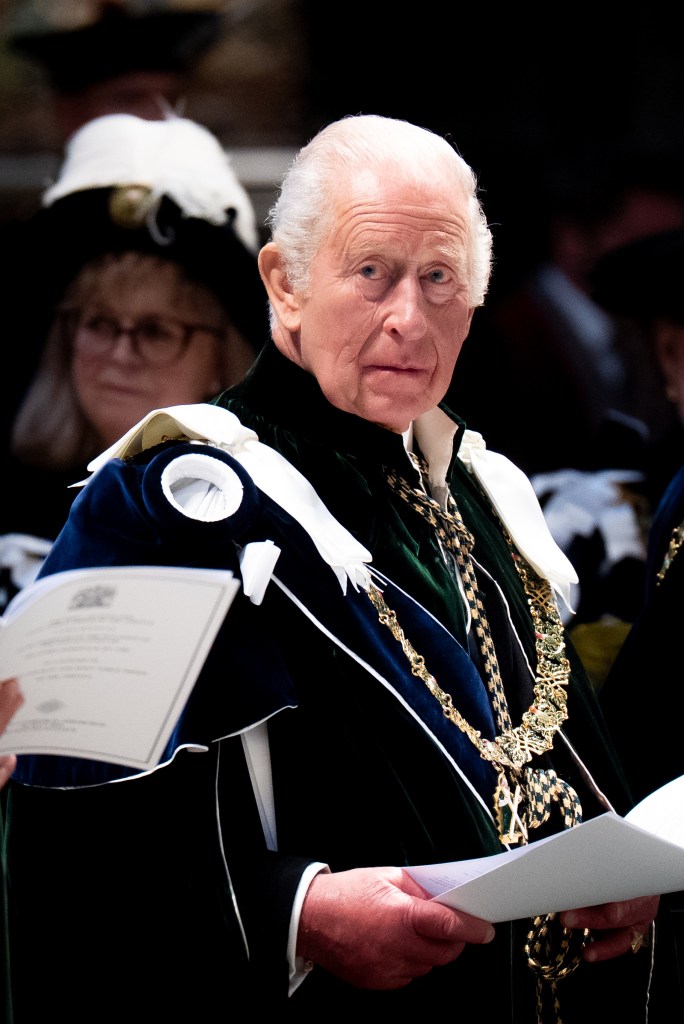
The earl has indicated that the book draws on his own recollections and private papers from the period, offering what he presents as an unvarnished sibling’s perspective on events that have been heavily mythologized. His account of the palace’s internal response to Diana’s death stands in contrast to the public displays of mourning that characterized the official reaction.
Diana’s death in the Pont de l’Alma tunnel came after a high-speed pursuit through Paris, with subsequent investigations establishing that driver Henri Paul was intoxicated and that paparazzi on motorcycles had contributed to the fatal sequence of events. The crash killed Paul and Fayed instantly; Diana died later in hospital from her injuries.
The memoir’s release Tuesday is expected to generate extensive coverage of Spencer’s broader claims about his sister’s final years and the royal family’s role in her life and death.