

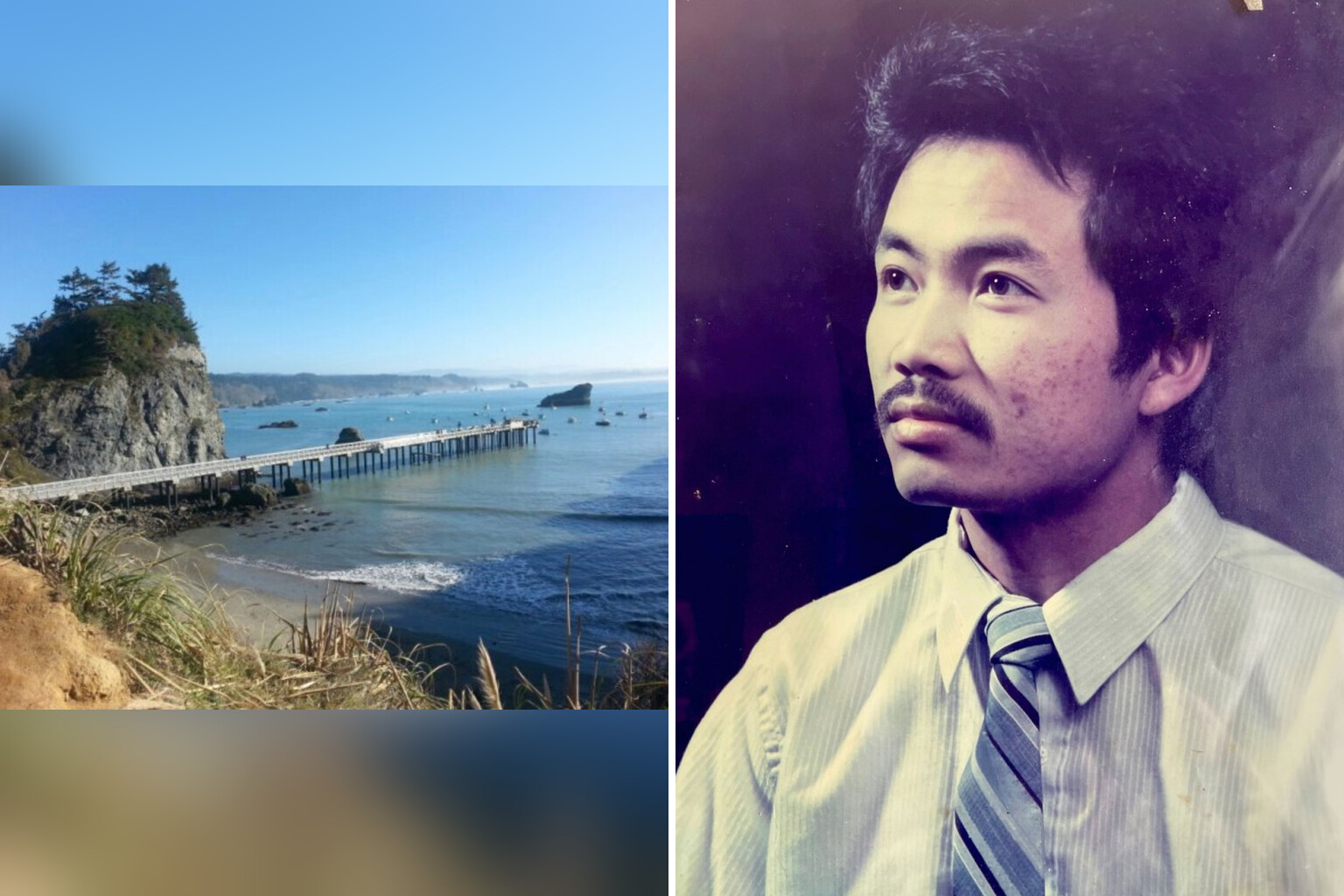
A bone discovered on a Northern California beach in March has been identified through DNA testing as belonging to a commercial fisherman who vanished more than 25 years ago when a rogue wave destroyed his vessel in Humboldt Bay.
Jonathan Raxa, 37, was the owner and operator of a 35-foot commercial fishing boat that was carrying four people total when disaster struck. The vessel was hit by an 18-foot wave that ripped the pilot house completely off the boat and sent it into the water, according to the Humboldt County Sheriff’s Office. The boat then sank beneath the large waves.
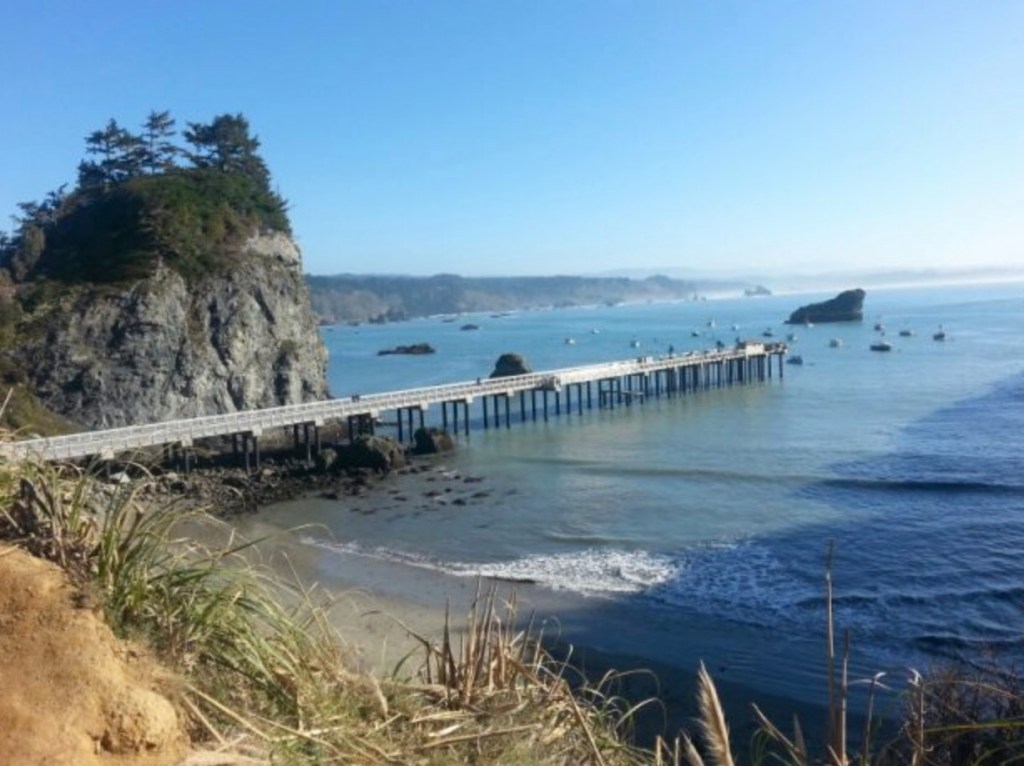
A skipper aboard the vessel managed to grab onto a five-gallon oil can and floated until two other crew members pulled him to safety aboard their raft, the Los Angeles Times reported at the time of the incident. Three of the four people on the boat were later recovered from the water, but Raxa was never found.
The sheriff’s office contacted Raxa’s son following the 1999 incident and obtained a family DNA sample. That sample would remain on file for more than two decades before playing a crucial role in resolving the case.
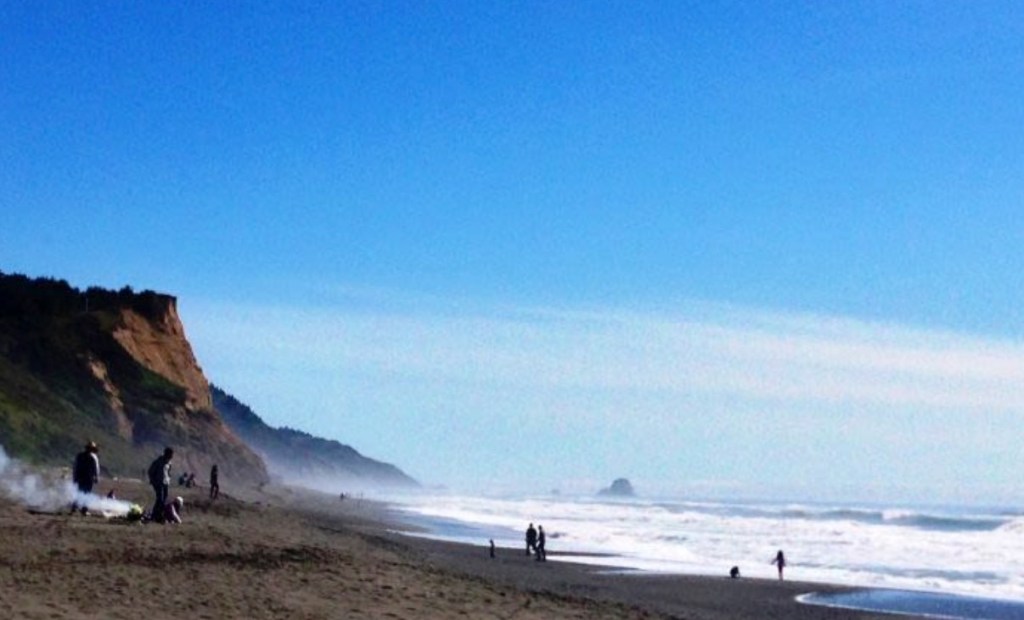
In March of this year, a human bone was discovered on Centerville Beach. Deputies recovered the bone and identified it as a human sacrum, the sheriff’s office said in a press release. The bone was turned over to the Humboldt County Coroner’s Office, which submitted it to the California Department of Justice for DNA analysis.
Through that DNA testing, the bone was officially identified as belonging to the lost fisherman.
“Raxa’s family was contacted and notified of the identification,” the sheriff’s office said.

“This case highlights the importance of collecting and preserving DNA samples from family members of missing persons,” the sheriff’s office continued. “These samples can provide critical investigative leads and assist law enforcement in identifying missing persons and resolving cases, even decades after a person’s disappearance.”
The identification brings closure to a case that had remained open since 1999, when Raxa and his crew set out on what would become a fatal voyage in Humboldt Bay. The violent wave that struck their boat demonstrated the perilous conditions that commercial fishermen routinely face along the Northern California coast.
From 1992 to 2008, fishing claimed the lives of an average of 58 people per year in the United States, making it one of the most dangerous professions during that period. The risks faced by those working in the industry often involve unpredictable weather, rough seas, and the isolation of working far from shore.

The successful identification of Raxa’s remains after 25 years underscores the value of maintaining DNA databases for missing persons cases, even when resolution seems unlikely. Law enforcement agencies have increasingly relied on genetic evidence to solve cold cases and provide answers to families who have waited years or decades for news of their loved ones.
The sheriff’s office did not release additional details about the circumstances of the bone’s discovery on Centerville Beach or how it may have traveled from the site of the sinking to the shoreline.