

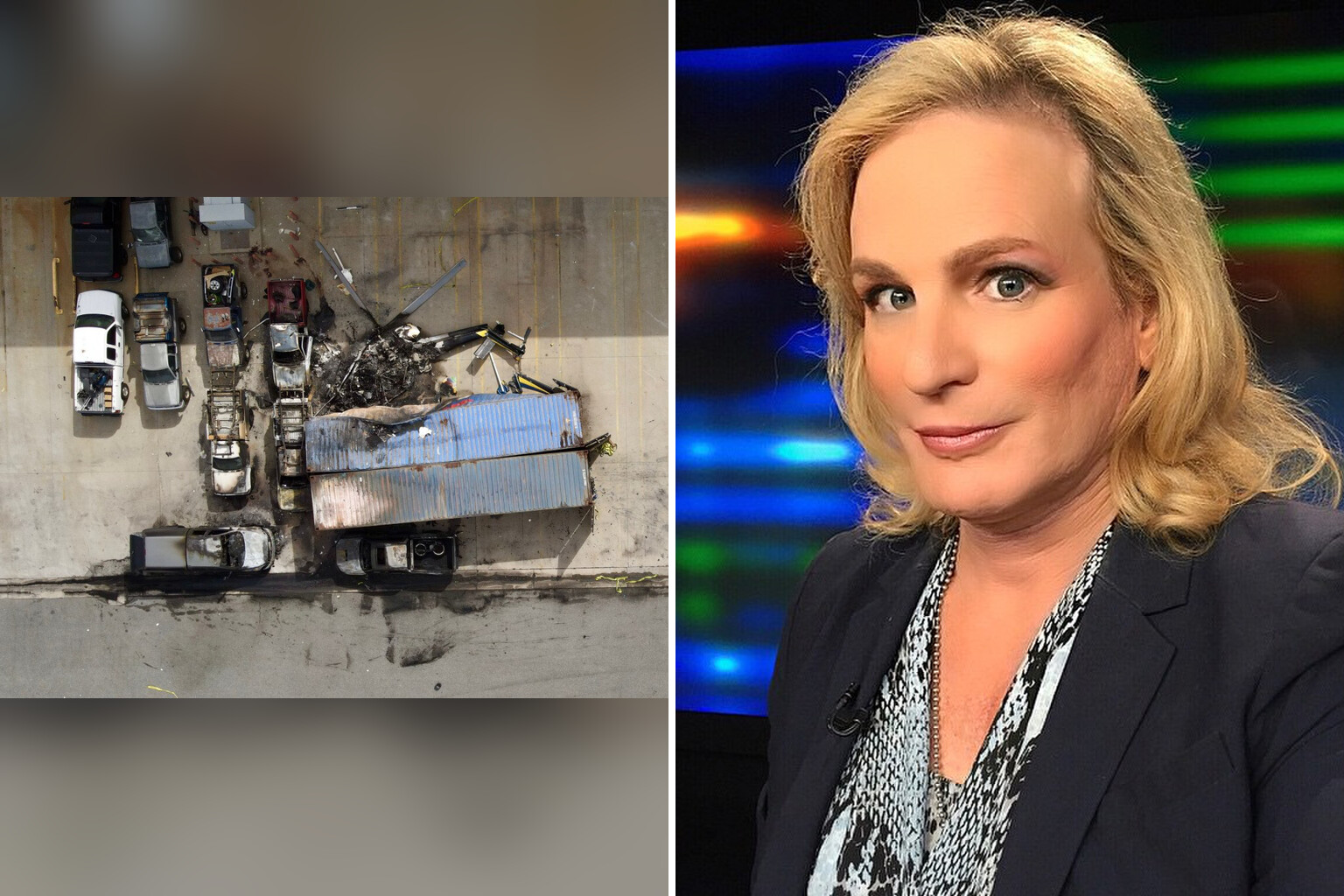
A veteran Los Angeles helicopter pilot has pinpointed a five-second delay as the critical window that may have sealed the fate of an NBC news chopper and its three victims.
Zoey Turr, 64, a former pilot-reporter for KCBS and KNBC with more than 10,000 flight hours, examined footage and audio from Tuesday night’s fatal crash in Chatsworth and concluded the aircraft could have been saved with faster reflexes. Turr, who has owned two Airbus AS350 B2 helicopters identical to the crashed model, delivered the analysis in interviews this week.
“I think there was a good chance the aircraft could have been brought down safely if the pilot reacted quickly enough,” Turr said.
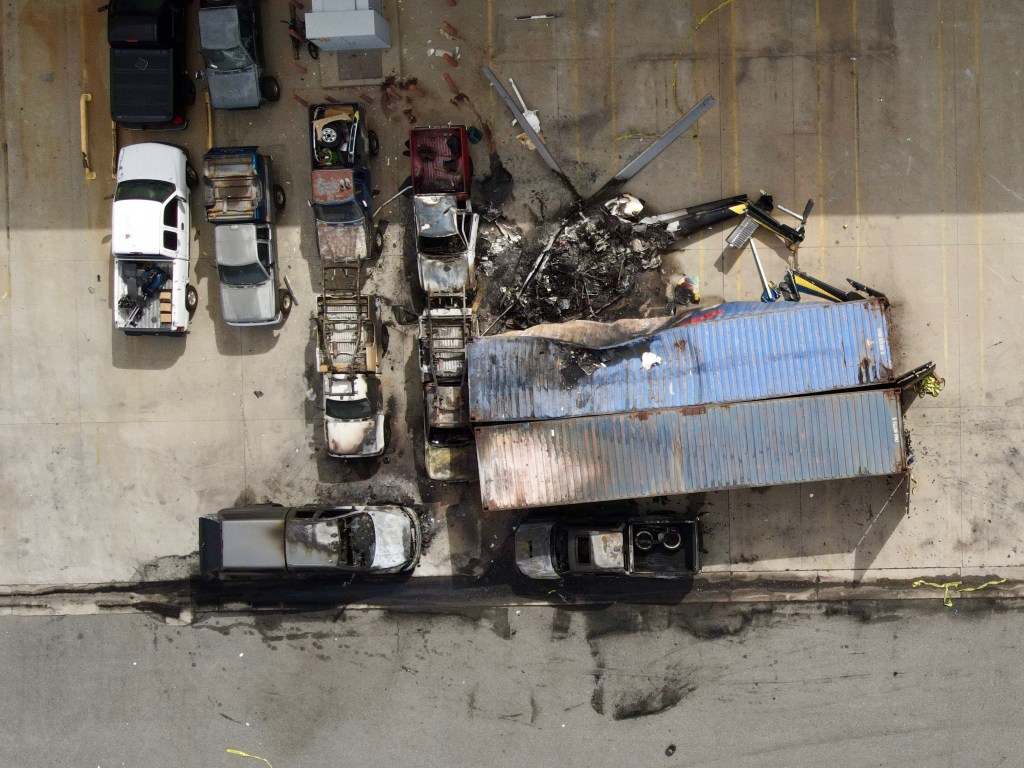
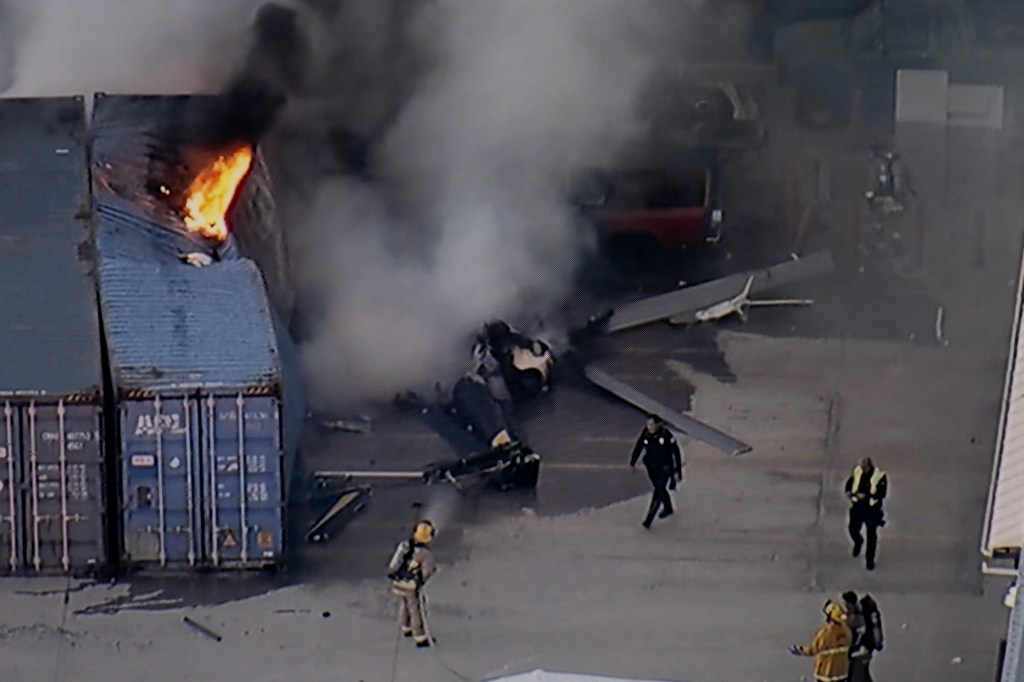
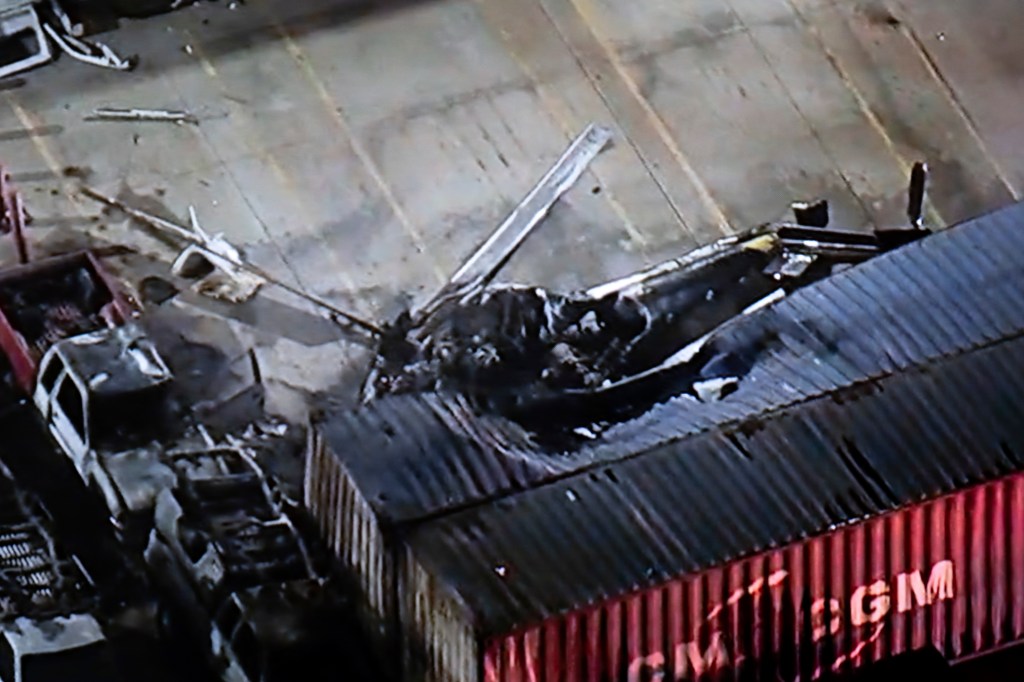
The crash claimed the lives of NBC4 and Telemundo 52 reporter Eliana Moreno, pilot George Marciniw, and 29-year-old pedestrian Edy Gutierrez Mejia. The helicopter had been covering an earlier collision between an SUV and a Metro bus when it plunged to the ground. The two back-to-back incidents killed five people total.
Turr traced the disaster to the moment the chopper’s engine began winding down while hovering. An emergency horn known as the klaxon — designed to warn of low rotor RPM or hydraulic failure — began blaring in the cockpit.
“You don’t want to hear any of these things when the horn goes off in flight because it means that you have just a second or two to lower that collective,” Turr said.
The collective, a lever controlled with the left hand, adjusts rotor blade pitch. In an engine failure, lowering it immediately enables autorotation — an emergency procedure where airflow keeps the blades spinning during descent, preserving enough rotor speed for a controlled landing flare.
Turr identified the warning sound as low rotor RPM rather than hydraulic failure based on visible and audible cues in the footage. The horn, Turr estimated, sounded for roughly five to six seconds before the pilot responded.
“You know, you listen to the klaxon, I think you can hear the horn for at least 5 seconds, maybe 6 seconds,” Turr said. “And in that time before he reacted, you should just hear it like for a moment, and then you should already be lowering the collective.”
The cockpit audio captured the deteriorating situation in real time. One voice said “uh oh,” followed by “You can’t pull up?” as the aircraft dropped rapidly. Turr noted another telling utterance from the pilot.

“Five seconds of inaction is enough,” Turr said. “You can even hear the pilot say, ‘Oh f–k.’ He knew what a bad situation he was in at that point and was unable to recover from it.”
The hover position itself compounded the danger, Turr explained. “When you’re in a hover, you’re using more power, making more noise, and you have less time to react in an emergency,” Turr said. The footage showed rotor blades visibly slowing before the rapid descent began.
“Had he reacted quickly, he might have brought down the aircraft. It may not have been pretty. He may have damaged the tail rotor or damaged the aircraft, but I think it would have been survivable,” Turr said.
Turr acknowledged the assessment carries professional risk. “I’m going to get a lot of heat over this, but I’m a reporter, this is my experience, and I’m seldom wrong when it comes to these situations,” Turr said.
The analysis remains unofficial. Turr emphasized it does not represent a formal finding, and the National Transportation Safety Board continues its investigation. Among possible root causes, Turr cited fuel exhaustion or a mechanical blockage preventing fuel from reaching the engine.
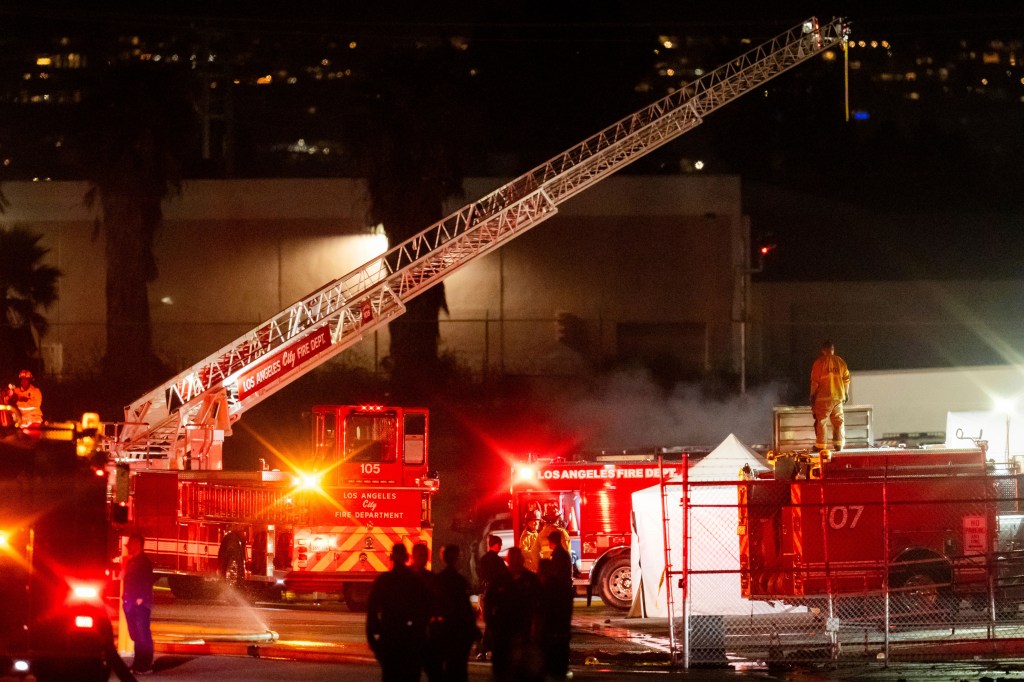
The original incident that drew the news chopper involved an SUV and Metro bus collision earlier that evening. The NBC aircraft had been dispatched to provide aerial coverage when it experienced its own emergency while hovering above the Chatsworth scene, killing a pedestrian on the ground in addition to the two crew members.
The NTSB investigation remains ongoing.