

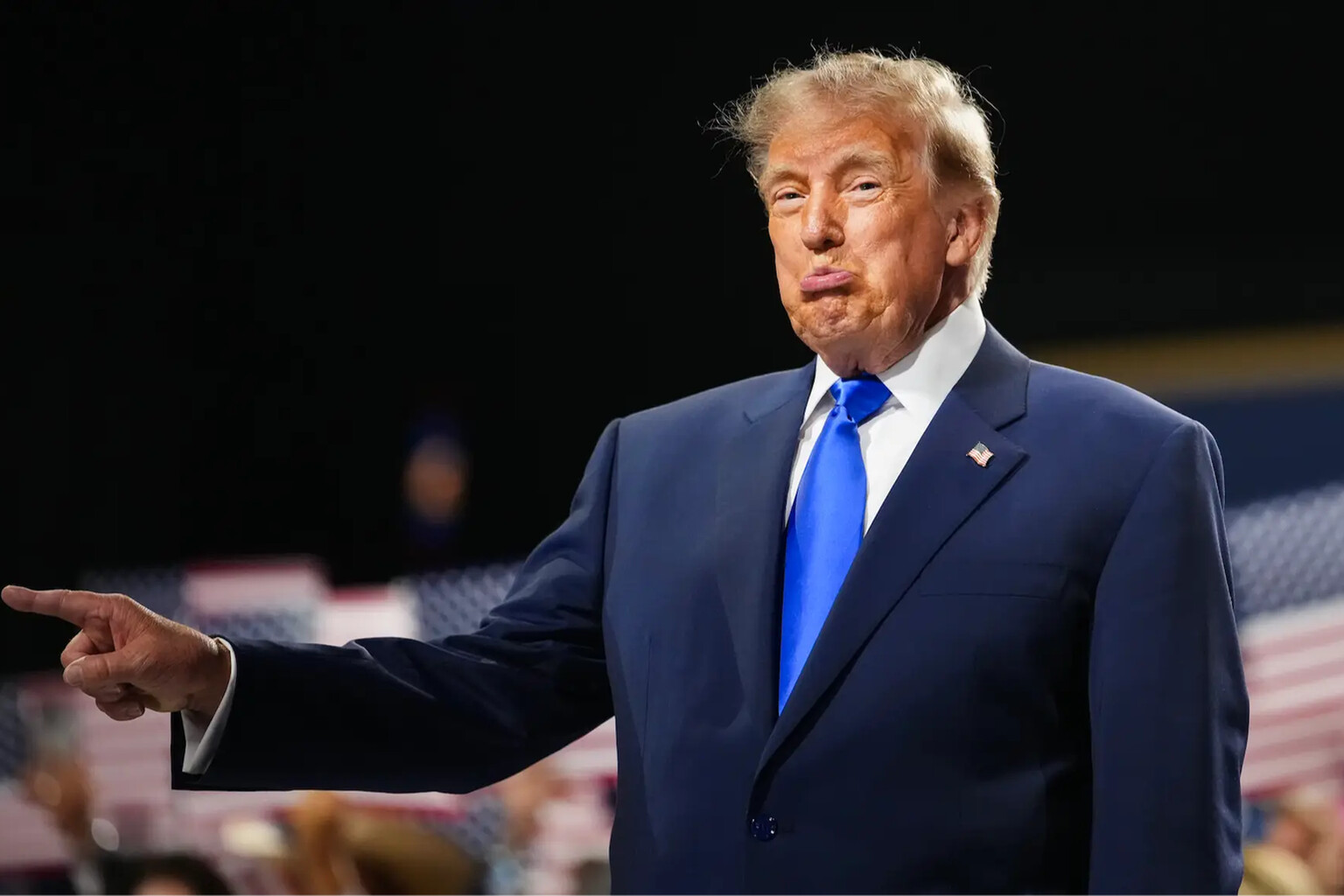
Donald Trump has threatened to hit Europe with punishing new tariffs and even cut off trade in some sectors after the European Union moved to bring Canada into its orbit as an associate member.
The former president, 79, lashed out during remarks in Charlotte, North Carolina, warning that the overture to Ottawa could be viewed as a “hostile act” against the United States. “If it’s a good intention, that’s fine. If it’s a bad intention, we’ll put very heavy tariffs on Europe,” he said. He also raised the possibility of halting trade with Europe in certain areas altogether.
Trump’s broadside came just hours after European Commission President Ursula von der Leyen used her annual State of the European Union address to propose making Canada the bloc’s first-ever associate member. The arrangement would build on the existing CETA free trade agreement through what she called an “Alliance for the Future” aimed at creating “a common prosperity and economic security space.”
The relationship would extend beyond commerce into shared governance principles, von der Leyen emphasized in her speech directed partly at Canadian Prime Minister Mark Carney. “Above all, dear Mark, Europe and Canada believe in democracy,” she said.
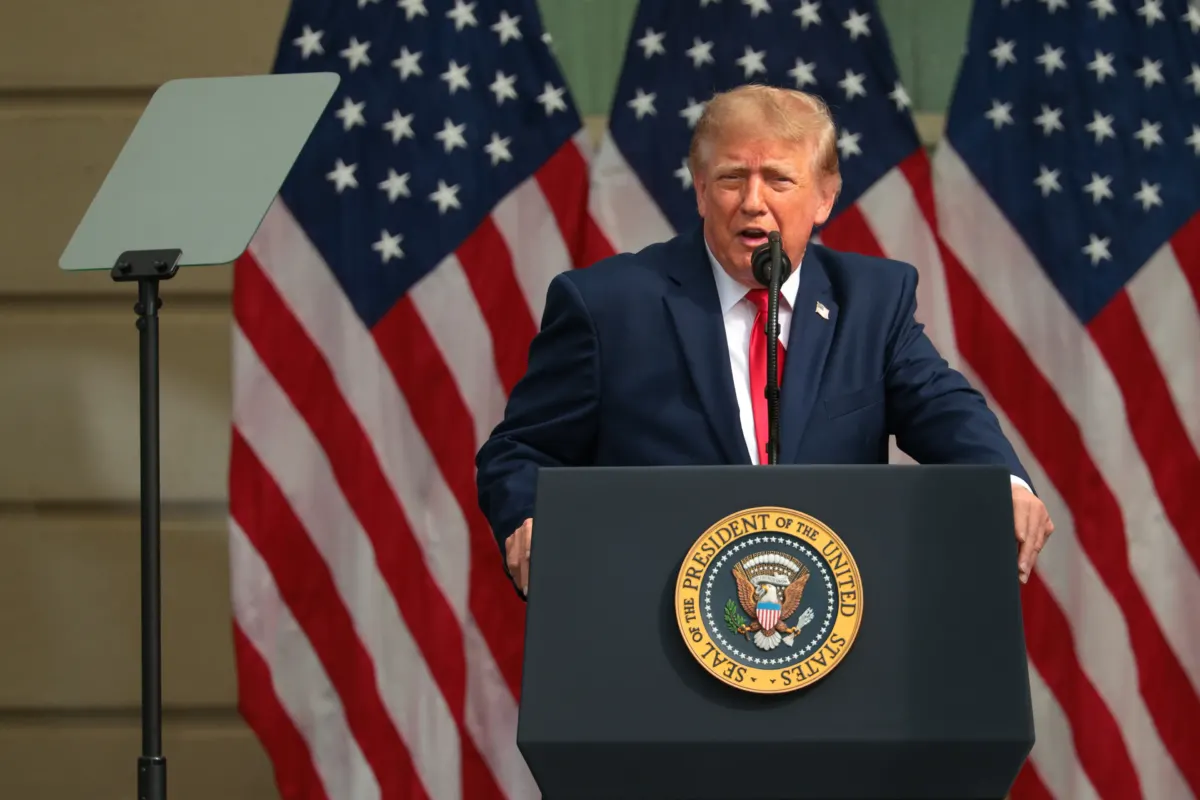
Trump dismissed the entire proposal as “laughable” and branded Canada a “terrible trade partner,” intensifying a cross-border feud that has already seen him impose sweeping import bans and float the idea of absorbing the country as America’s 51st state.
The tariff threat marks the latest escalation in a rapidly deteriorating US-Canada relationship. Earlier this month, Trump signed an executive order blocking imports of Canadian alcohol, dairy goods, motorcycles and other products, with the ban set to take effect September 29. That move came after Canada’s retaliatory tariffs kicked in September 8.
The executive order specifically targets beer in cans and bottles, rye whisky, certain wines, whey protein, mopeds, motorcycles and molasses. It also seeks to exclude Canadian firms from large, long-term US government contracts.
Carney, who has been pushing to reduce Canada’s deep economic dependence on its southern neighbor—the destination for roughly 70 percent of Canadian exports—responded by vowing to accelerate efforts to diversify trade relationships. “It’s about ensuring that no country can hold us hostage,” he said. “And that we can live how we want to live.”
The Canadian leader has been actively courting European ties as part of that strategy, calling for what he terms a “unique alliance” with the EU. A Canadian official familiar with the discussions said that Ottawa was exploring arrangements that could stop just short of formal membership, including visa-free work and residency rights for Canadian citizens in Europe.
Jonathan Wilkinson, Canada’s ambassador-designate to the EU, confirmed that officials on both sides had discussed the “Alliance for the Future” concept and that European counterparts had floated the associate membership idea. He stressed that full membership was not on the table, since that would require surrendering sovereignty. Instead, Canada wants “to get as close as we possibly can” to the bloc while strengthening rather than diminishing its independence, he said.

The associate membership proposal represents a dramatic potential shift in North Atlantic economic alignment, with the EU effectively offering Canada an alternative to its centuries-old reliance on US trade. Roughly three-quarters of Canadian exports currently flow south across the 49th parallel.
Trump’s repeated musings about annexing Canada, combined with his aggressive tariff regime, have transformed what was historically one of the world’s closest bilateral relationships into an increasingly adversarial standoff.
Carney is scheduled to address the European Parliament as the associate membership proposal moves forward.