

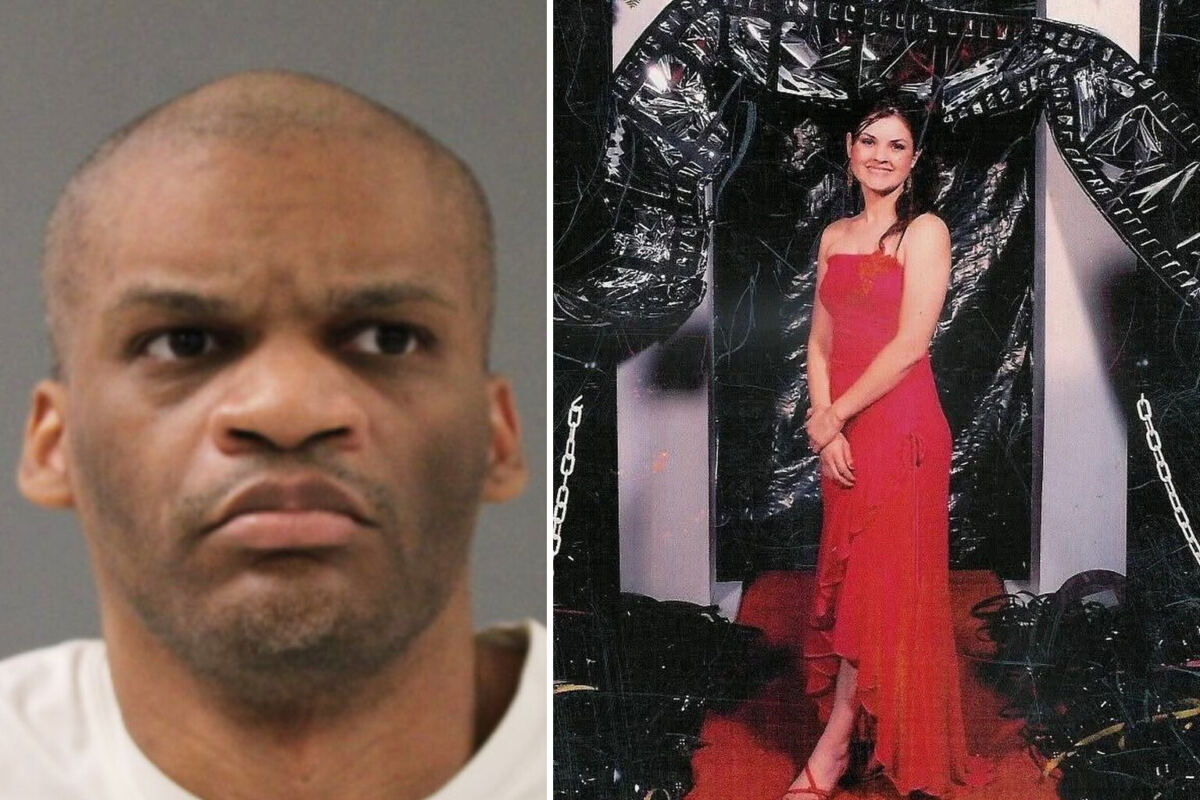
LeJames Norman, 40, was executed by lethal injection Wednesday evening at the state penitentiary in Huntsville, becoming Texas’s fifth execution this year.
Norman, 40, had been sentenced to death for the 2005 fatal shootings of three people during an attempted robbery at a neighbor’s home in Edna, a rural community about 100 miles southwest of Houston. His co-defendant, Ker’Sean Ramey, was also convicted in the shootings and sentenced to death, with his execution scheduled for next week.
The three victims were Samuel Roberts, 24, Tiffani Peacock, 18, and Celso Lopez, 38, who shared the home where they were killed. Court records showed Norman and Ramey believed cocaine was inside the house and intended to steal it, though they never found any drugs.
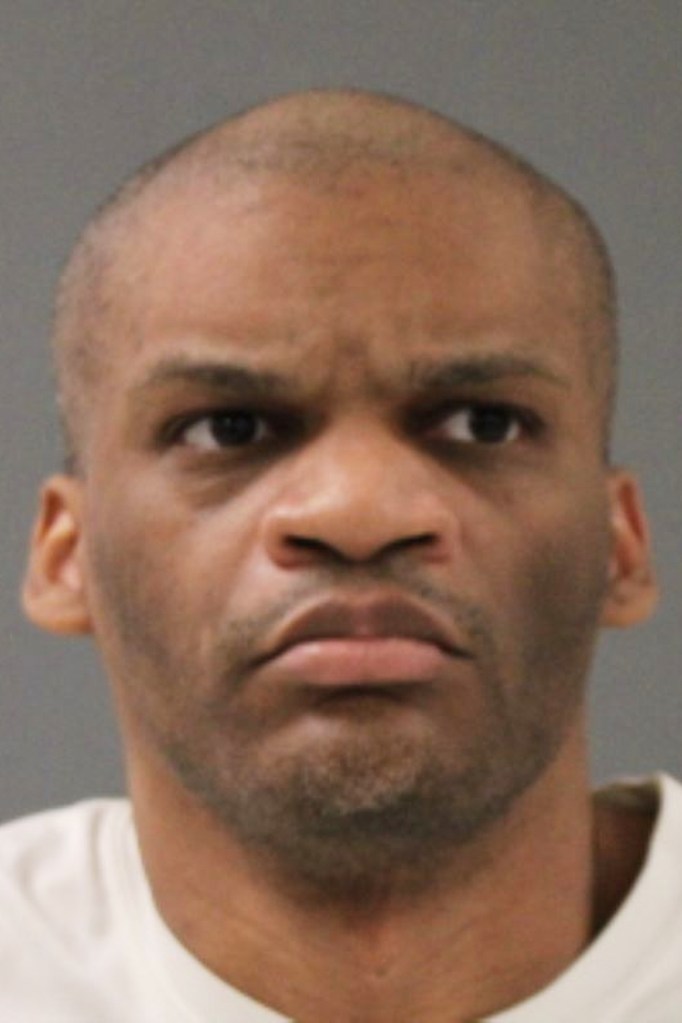
Norman was arrested roughly five months after the killings while attempting to cross back into the United States from Mexico. He pleaded guilty to capital murder, leaving a jury to determine his punishment.
The US Supreme Court denied a request from Norman’s attorneys to halt the execution on Wednesday.
Asked by the warden whether he wished to make a final statement, Norman shook his head.
He lay on a thin mattress atop a steel table, his head resting on a white pillow. He nodded toward a window where a sister, two of his children and a friend watched. One of them danced. Norman made eye contact with them.
As the lethal dose of the sedative pentobarbital took effect, he took several deep breaths, appeared to yawn, and made snoring sounds — six of them. All movement then stopped. A physician examined him thirty minutes later, and he was pronounced dead at 6:44 p.m. His body was covered with a white sheet, with only his right hand and lower forearm, wrapped in an elastic bandage, left visible.
No relatives or friends of Roberts, Peacock or Lopez witnessed Norman’s punishment.
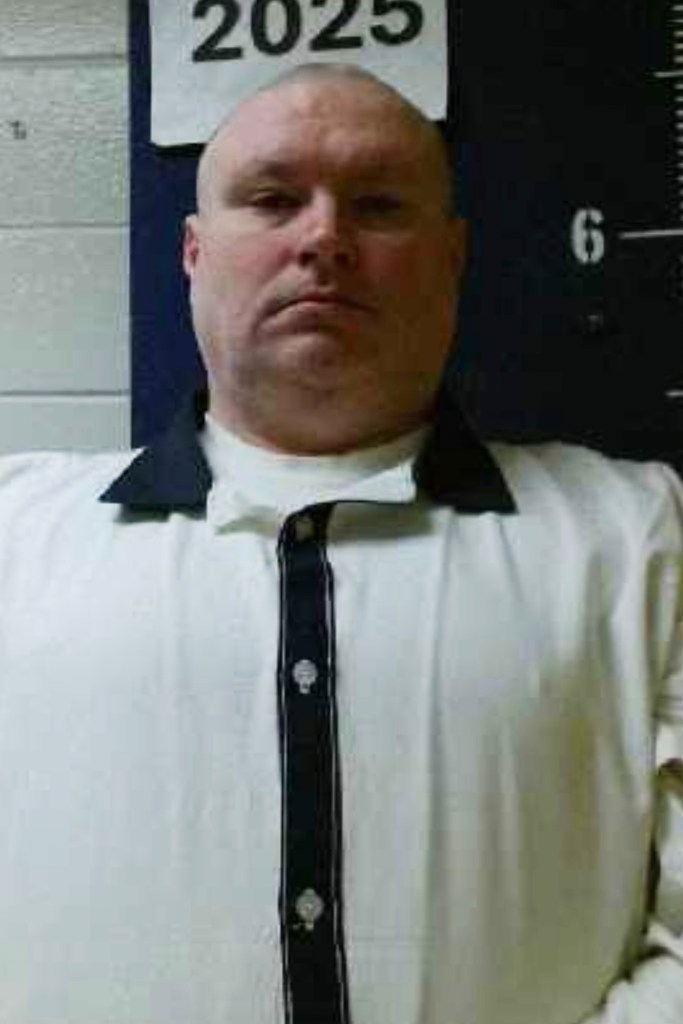
The same evening in Georgia, the execution of Stacey Humphreys, 53, was halted by a judge’s late-night decision. Humphreys had been scheduled to die by lethal injection at 7 p.m. EDT at the state prison near Jackson for the 2003 killings of two real estate agents in an Atlanta suburb.

Humphreys was convicted of malice murder and other crimes in the deaths of Cyndi Williams, 33, and Lori Brown, 21, who were working for a new subdivision in Powder Springs. On November 3, 2003, he entered the sales office in a model home around midday, forced the women to strip naked and give him their bank PINs, then fatally shot them. He withdrew more than $3,000 from their accounts afterward.
He told police following his arrest that he had recently taken out high-interest payday loans and needed money for a truck payment. Witnesses reported seeing a man matching Humphreys’ description at the sales office and a black Dodge Durango in the parking lot that matched his vehicle. Police attempted to question him at his Dunwoody home days later, but he fled and was arrested in Wisconsin after leading officers on a high-speed chase.

Humphreys’ lawyers filed a petition seeking resentencing under a new Georgia law allowing abuse victims to have sentences reconsidered and reduced if they can connect their crimes to abuse they suffered. A judge granted a stay late Tuesday. The state appealed to the Georgia Supreme Court, arguing Humphreys was not entitled to reconsideration under the new law, but the high court declined to hear the appeal before the scheduled execution time and left the lower court’s stay in place.
Georgia’s high court stated it would consider the questions raised about the new law in the state’s appeal “in the ordinary course of business and according to a forthcoming scheduling order.”
Humphreys’ legal team has also argued his death sentence was tainted by a biased juror who lied during jury selection and pressured other jurors into voting for death. Courts have repeatedly rejected these arguments for procedural reasons, though US Supreme Court Justice Sonia Sotomayor, joined by the other two liberal justices, argued last year that the issue warranted further exploration rather than remaining “caught in a web of procedural barriers.”
Additionally, his lawyers contended it was unfair that his clemency application was heard by only four members of the five-person State Board of Pardons and Paroles. A judge had ordered one member to recuse herself, agreeing with Humphreys’ team that there was a conflict of interest because she had previously worked as a victim advocate with the Cobb County district attorney’s office and had worked with Williams and Brown. The parole board denied Humphreys clemency on Tuesday.
Ramey’s execution remains set for next week.