

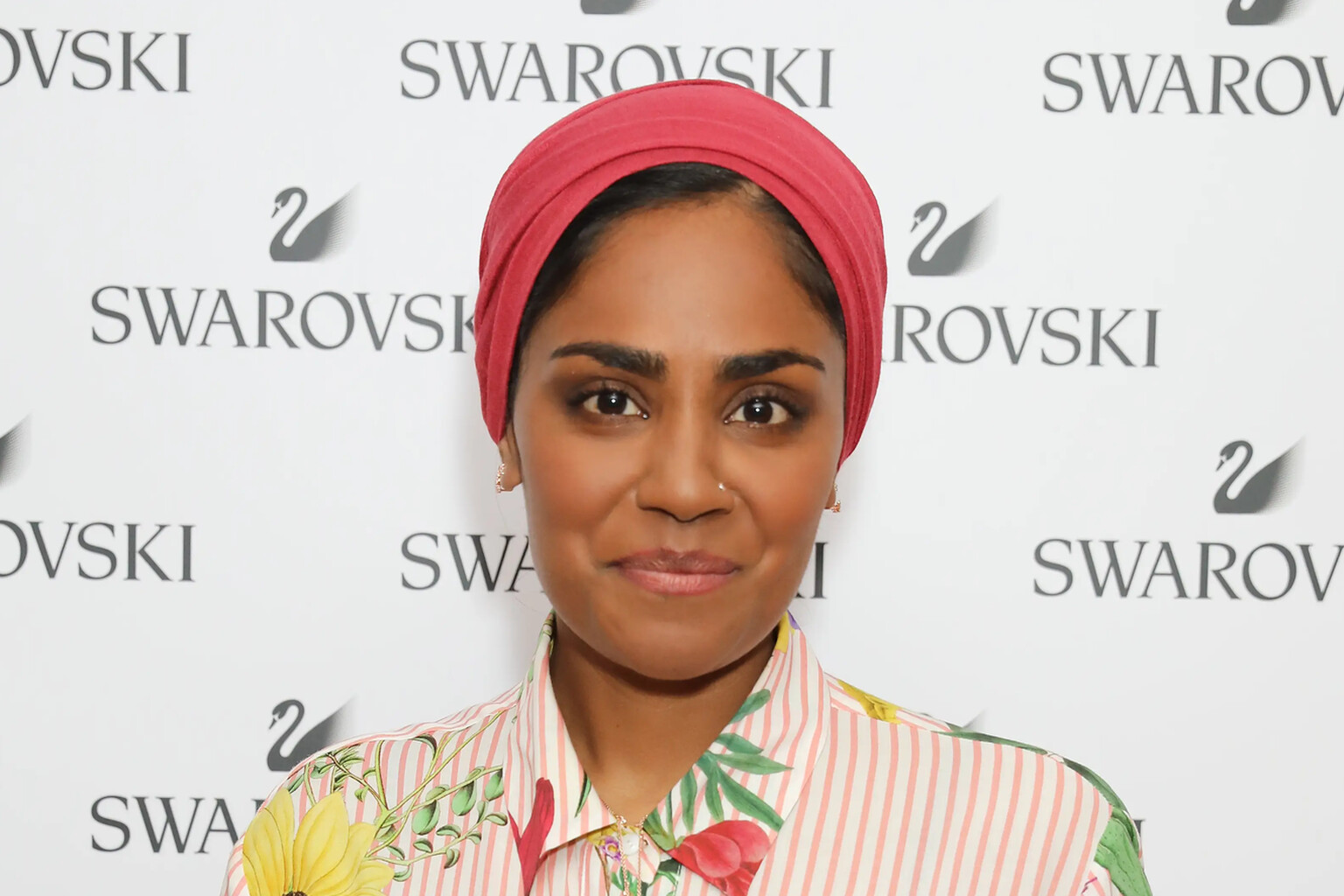
Nadiya Hussain has amplified a therapist’s critique of Ed Sheeran’s on-stage apology, sharing a video that frames the singer’s tears as a calculated deflection.
The Great British Bake Off winner, 40, reposted without comment a clip from British therapist Megan Cooper dissecting Sheeran’s emotional return to his Loop Tour at Philadelphia’s Lincoln Financial Field on Saturday. Cooper, who identifies as a trauma-informed holistic coach, used the footage to dissect what she termed “white tears” — a phenomenon she said weaponizes emotion to “centre self in conflict.”
Cooper said in the clip, which Hussain shared to her own platform: “We’re all waking up to Ed Sheeran’s statement on stage, and I’m not going to go into what he said, but I do want to focus on one specific point.”
“For those of us in white bodies, we need to understand and educate ourselves on white tears,” she continued.
“White tears [are] a cultural tactic using emotion, consciously or unconsciously, to deflect accountability, to gain sympathy, and to centre self in conflict and challenge, particularly during discussions around racism and oppression.”
The intervention from Hussain, one of Britain’s most prominent Muslim television personalities, lands amid an escalating backlash against Sheeran’s handling of the Macklemore controversy that has already cost him his entire supporting lineup.
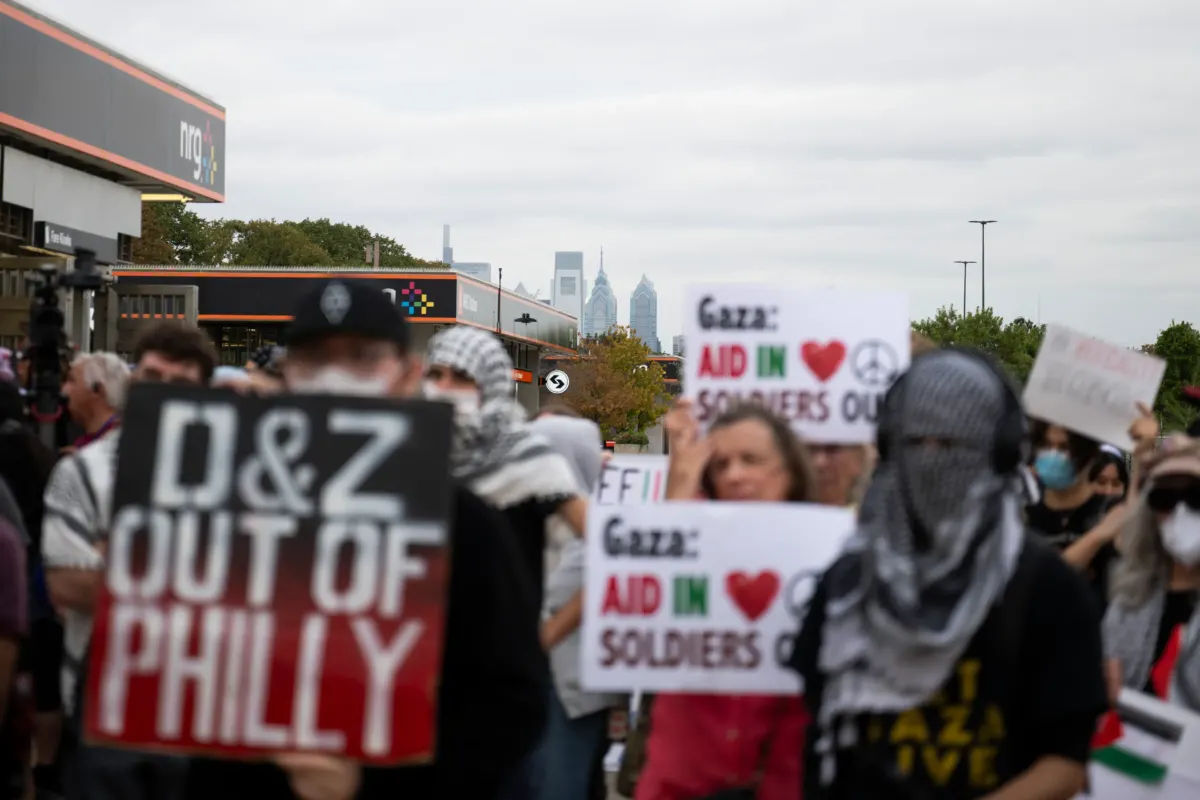
Sheeran, 35, had taken the stage for the first time since rapper Macklemore was removed from the Loop Tour following pro-Palestine remarks the rapper made during a performance. Last week, Macklemore broke his silence with a statement claiming Gillette Stadium boss Robert Kraft had issued Sheeran an “ultimatum” that led to his removal.
Cooper pressed her analysis further in the clip Hussain circulated. “Not only does emotion meet whiteness, but it also meets patriarchy. So what we have [are] not just tears, it’s power,” she added.
“What happens is we become the victim,” Cooper went on. “Our emotion is now prized above the actual issue, in this case, genocide. What this shines a light on is whose tears get to be seen, listened to, and heard in our society, and whose don’t.”
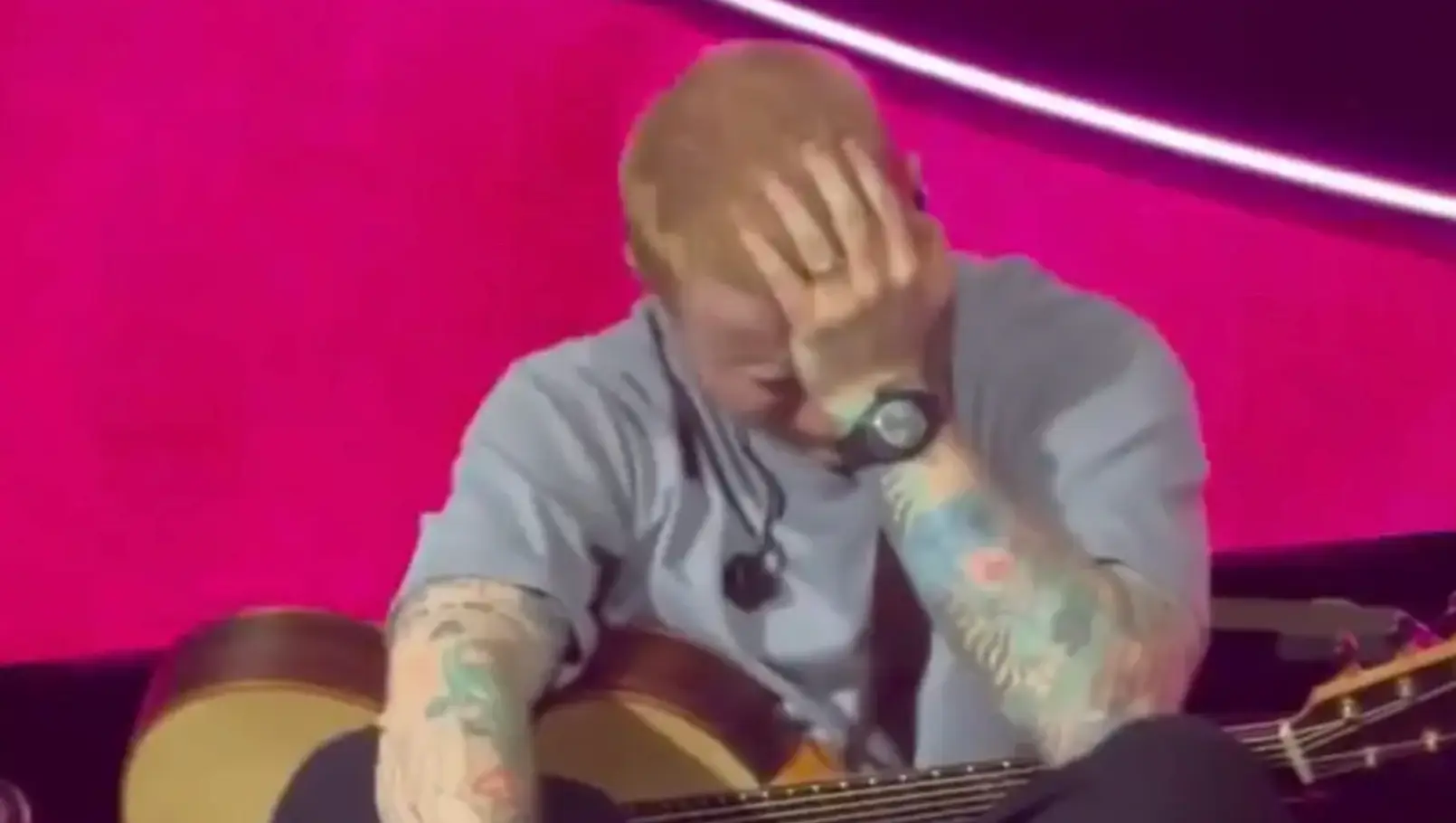
The singer’s Saturday night address to the Philadelphia crowd had struck a confessional tone. Sheeran admitted he’d made “mistakes” and expressed regret that the controversy had thrust him into an activist role he never sought.
“I’ve had to take and make difficult decisions, and I am making mistakes and I’m so, so sorry for them,” he told the audience.
“I don’t want to disappoint fans, and I’ve never wanted to be an activist musician, but this has put me in the middle of an important and passionate argument about freedom of speech and the most complex political issue on the planet.”
Sheeran then detailed the personal toll, voicing fears that the tour itself might collapse and describing a sense of abandonment by those close to him.
“I really didn’t know whether this tour would be carrying on,” he said.
“In these situations, you really find out who your friends are and it’s been a weird week. I just feel like it happened very quickly,” he added.
The “Shape of You” singer noted that ticket sales for the Philadelphia show had actually increased rather than fallen off, yet he felt pressure from multiple directions. “Everyone’s telling me to cancel and I’m feeling all of my friends and family and people I know abandon me,” he shared.
The fallout from Macklemore’s removal has been severe and swift. All of Sheeran’s support acts announced they would quit the tour in solidarity with the rapper, leaving the British star increasingly isolated commercially and, by his own account, personally.
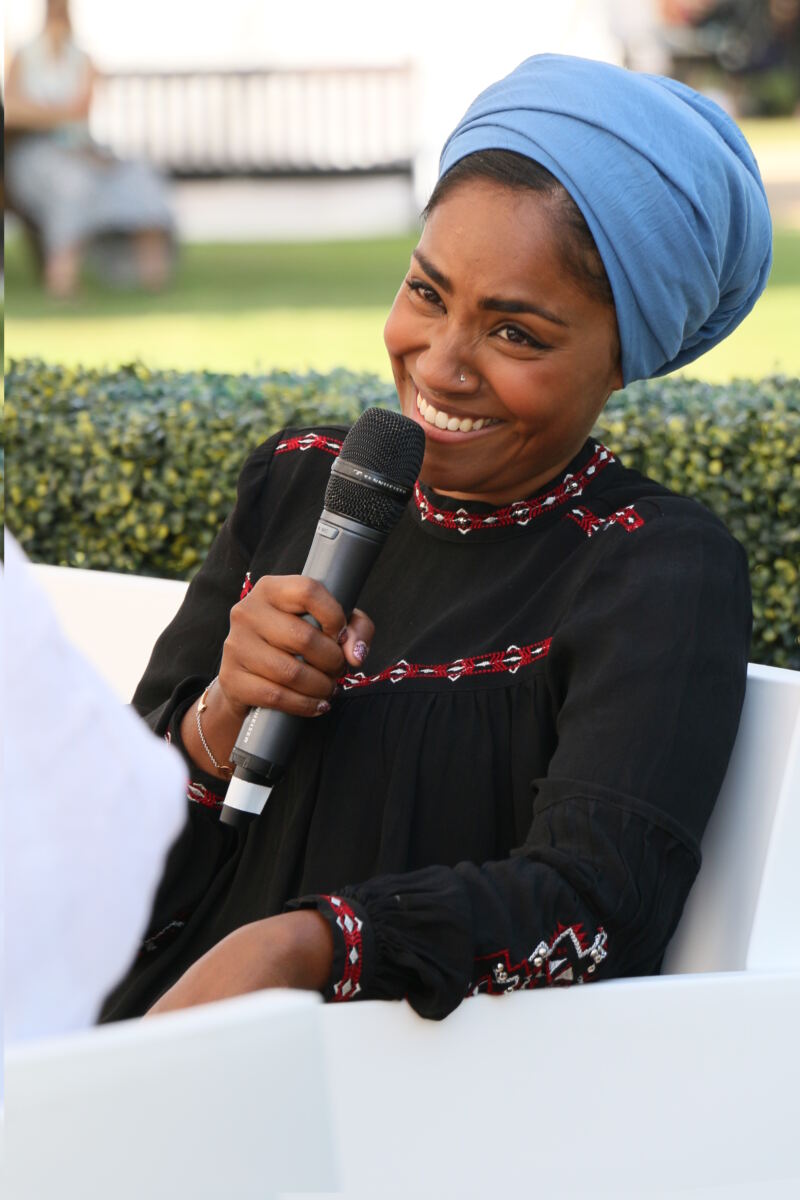
Hussain’s decision to circulate Cooper’s critique without adding her own commentary nonetheless signaled clear alignment with the analysis. The baker, who won the sixth series of Bake Off in 2015 and has since become a prominent author and documentary maker, has occasionally spoken on issues of race and representation in British media.
The “white tears” framework Cooper deployed has circulated in critical race discourse for years, typically describing how emotional displays by white individuals in racially charged situations can redirect sympathy and derail accountability. Applying it to Sheeran — a globally famous white male artist weeping about professional and personal consequences of a decision affecting a pro-Palestine Jewish rapper — marks a notable expansion of its usage in mainstream British celebrity culture.
Neither Sheeran nor his representatives have publicly responded to Hussain’s share or Cooper’s original video as of press time.
Sheeran’s Loop Tour is scheduled to continue with upcoming dates across North America.