

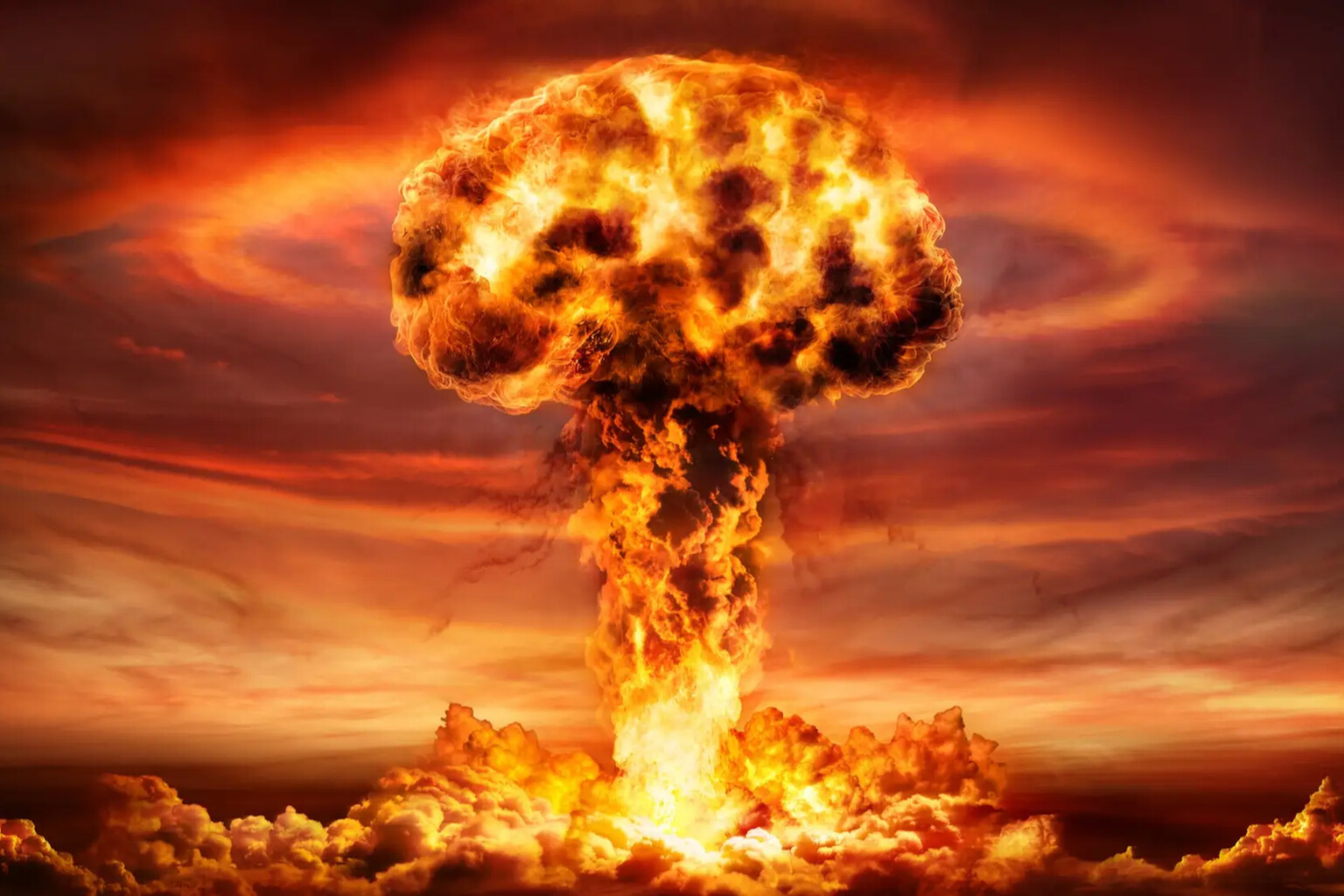
Irwin Redlener has outlined the two most critical actions to take within the first 45 minutes of a nuclear blast.
The Columbia University public-health expert, speaking to the outlet, emphasized that immediate movement away from the fallout path and rapid sheltering are the priorities that can drastically cut radiation exposure. According to the Johns Hopkins Center for Health Security, the potential for exposure drops to 55 percent just one hour after detonation, making those opening minutes decisive.
Redlener’s advice is direct and time-stamped.
“You’d want to go in the direction away from the wind,” he said. “Get as far away as you can in the next 10 to 15 minutes, and then immediately seek shelter before the radiation cloud descends.”
The last nuclear attack remains the August 9, 1945 bombing of Nagasaki, Japan, where the United States dropped the ‘Fat Man’ atomic bomb following the ‘Little Boy’ strike on Hiroshima days earlier. Those two attacks killed more than 100,000 people outright, with thousands more later dying from radiation effects, and are widely credited with contributing to the end of World War II.

Before fleeing, however, there is a split-second protective action to take. Experts advise people to avert their eyes from the flash of light produced by the nuclear explosion. The Centers for Disease Control and Prevention also recommends dropping face-down to the ground with hands tucked underneath the body, a position designed to shield the face from flying debris and thermal burns.

Buildings with minimal windows and basement access offer the strongest protection, with schools and offices singled out for their structural sturdiness. Yet experts stress that any building surpasses open air, and those caught in rooms with windows should position themselves in the center, since shock waves can shatter glass up to ten miles from ground zero.
Once sheltered, decontamination becomes urgent. The American Red Cross instructs survivors to shower using warm water and abundant soap, which helps strip radioactive contamination from skin. Crucially, the organization warns against scrubbing or scratching the skin during this process.
Hair washing is also recommended, but with a specific prohibition.
Conditioner should be avoided, as it will bind radioactive material to your hair, keeping it from rinsing out easily, the American Red Cross stated.
Those without shower access should wipe exposed skin with a clean wet cloth instead. Clothing worn during the attack must be removed immediately, since shedding outer layers eliminates an estimated 90 percent of radioactive material that may have collected on fabric surfaces.
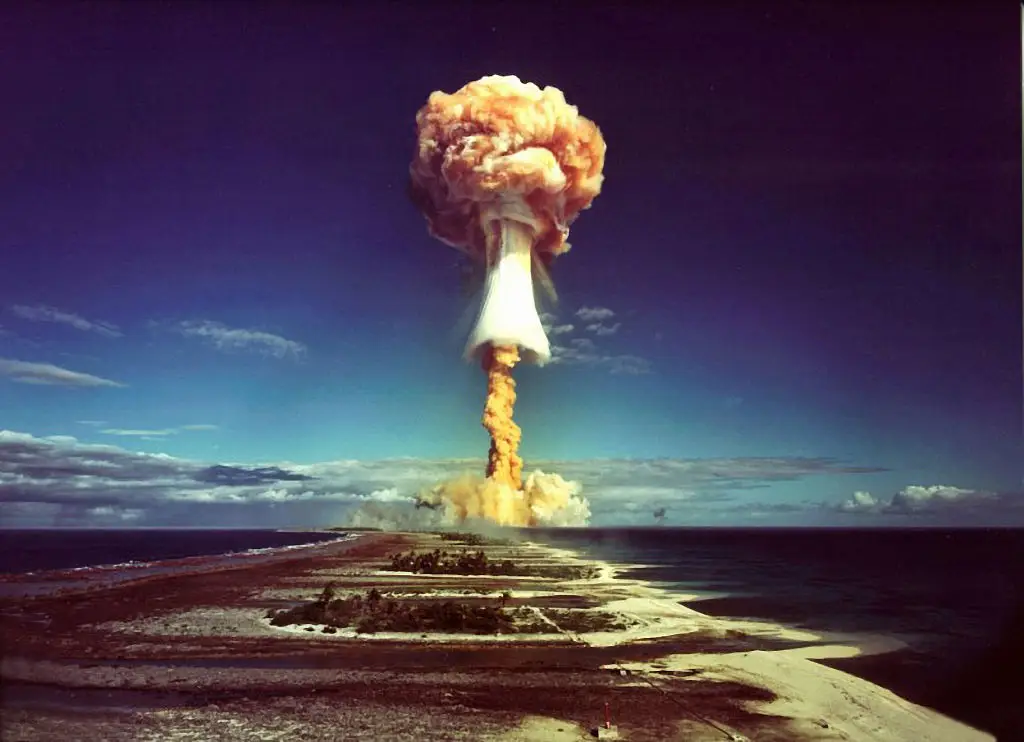
The guidance underscores a broader principle repeated across agencies: stay indoors. The combination of external sheltering and personal decontamination forms the core of civilian survival protocol in the event that the unthinkable repeats a scenario that has remained theoretical for nearly eight decades since the skies over Japan.