

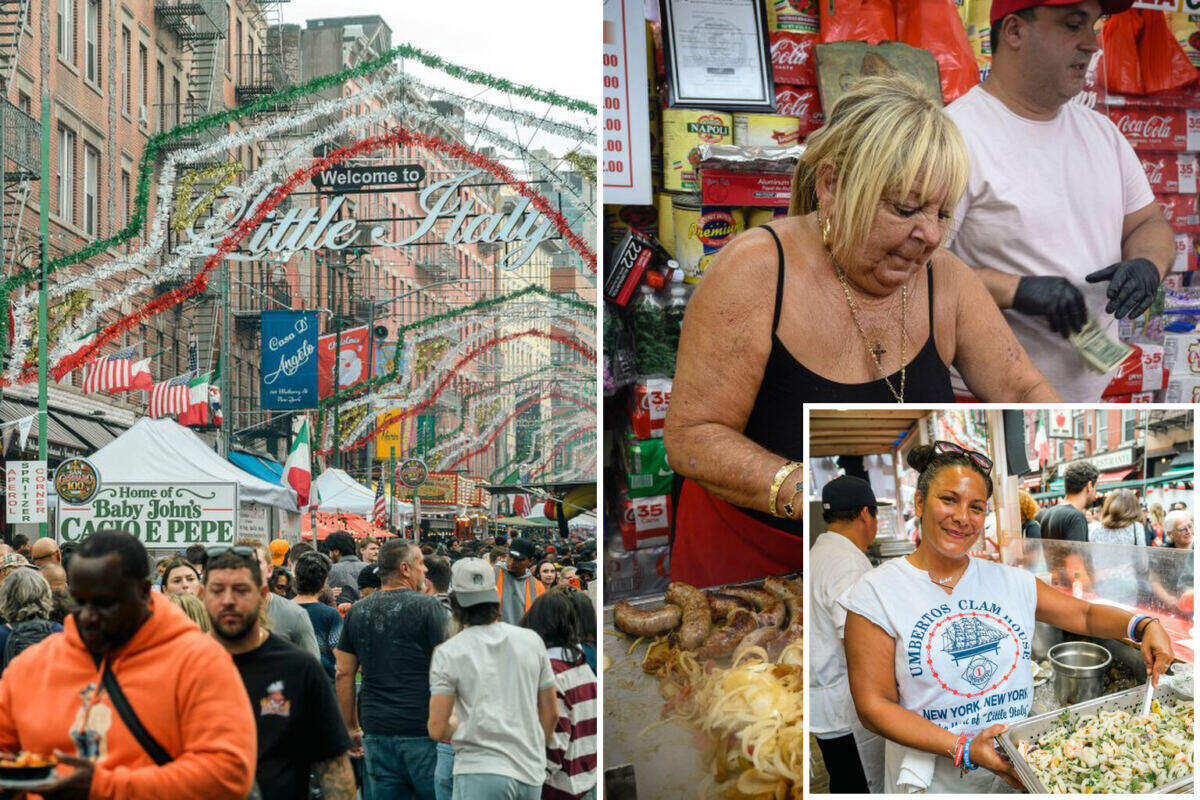
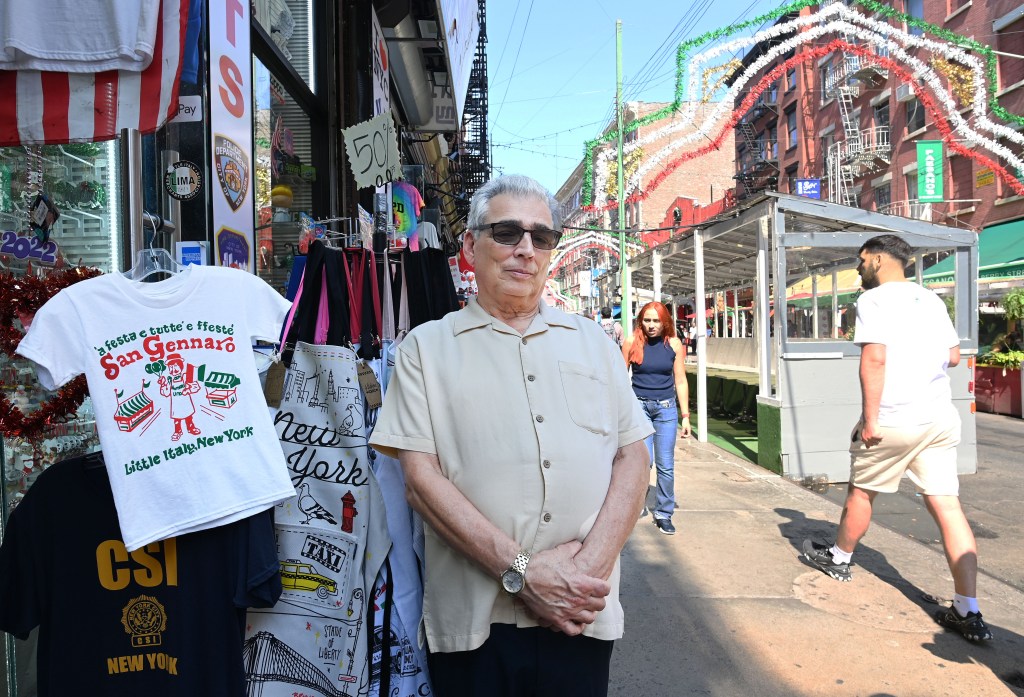
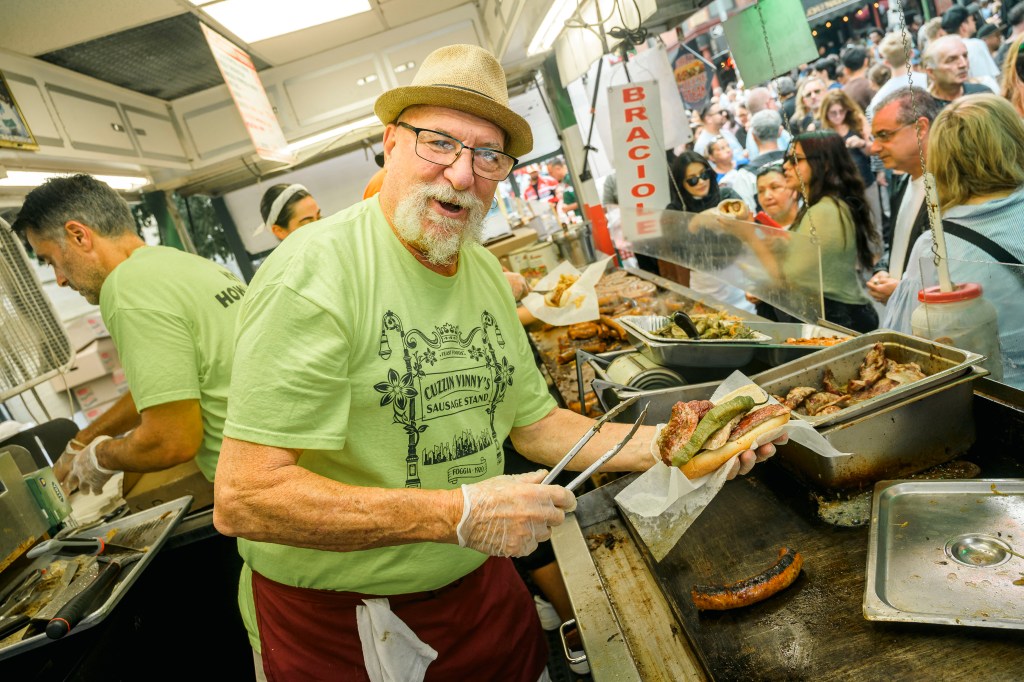
Vinny Patuto, 81, says his body is wrecked by the time the Feast of San Gennaro finally shuts down.
“You are totally burnt out by the end of it,” the mastermind behind Cuzzin’ Vinny’s told The Post. “It really takes a toll on your body, diet and everything else.”
Patuto has lived this grind since childhood, when he first tagged along with his father, an immigrant from Foggia, Italy, who helped launch the very first Feast back in 1926. A century later, the festival still transforms 11 blocks of Manhattan’s Little Italy into a sprawling open-air party that draws an estimated million visitors. The smell of sausage and peppers hangs over Mulberry Street, music bleeds from every corner, and 220 vendors compete for their slice of the action.
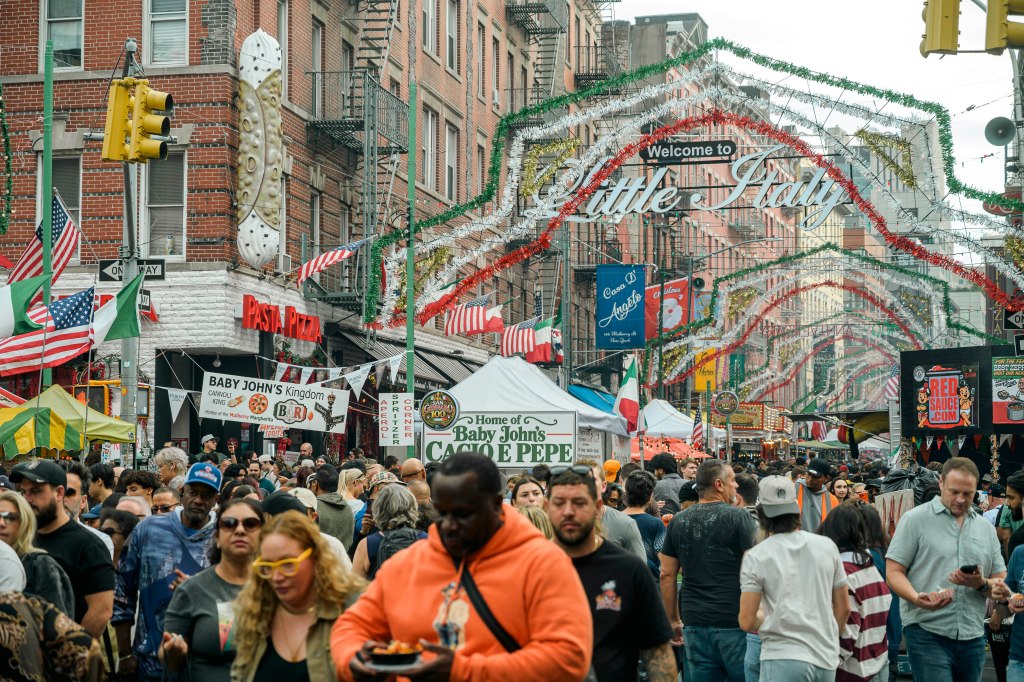
Getting there is neither simple nor cheap. Organizers start plotting in November, months before the first cannoli is crumbled. John Fratta, vice president of the Figli di San Gennaro organizers, said his committee has held countless meetings with city agencies to secure permits, arrange trucks and run power through the neighborhood. The festival must satisfy regulations covering gas lines, water hookups and public safety.
“We start planning in November, and I can’t tell you how many meetings we’ve had with various agencies,” Fratta, whose great-grandfather Luigi Vitale served as the first president of the organizing committee, told The Post.
Fratta also serves as gatekeeper for vendors hungry to claim a spot. Applications flooded in for this year’s milestone anniversary, with some operators traveling from Boston and Philadelphia. The committee caps entries at 220 and doles out locations through a seniority system: veterans lock down prime real estate near Mulberry and Grand, while newcomers land farther afield. Similar vendors get spaced apart to prevent them from stealing each other’s customers.
“People are still calling even though the festival has already started, but we only have so many slots,” Fratta explained. This year’s roster is maxed out.
A 10-by-10-foot booth runs $2,350, while a 10-by-25-foot space costs $4,000. Vendors then pay $400 for sanitation and a one-time electricity fee between $460 and $700. The investment buys access to crushing hours and relentless physical labor.
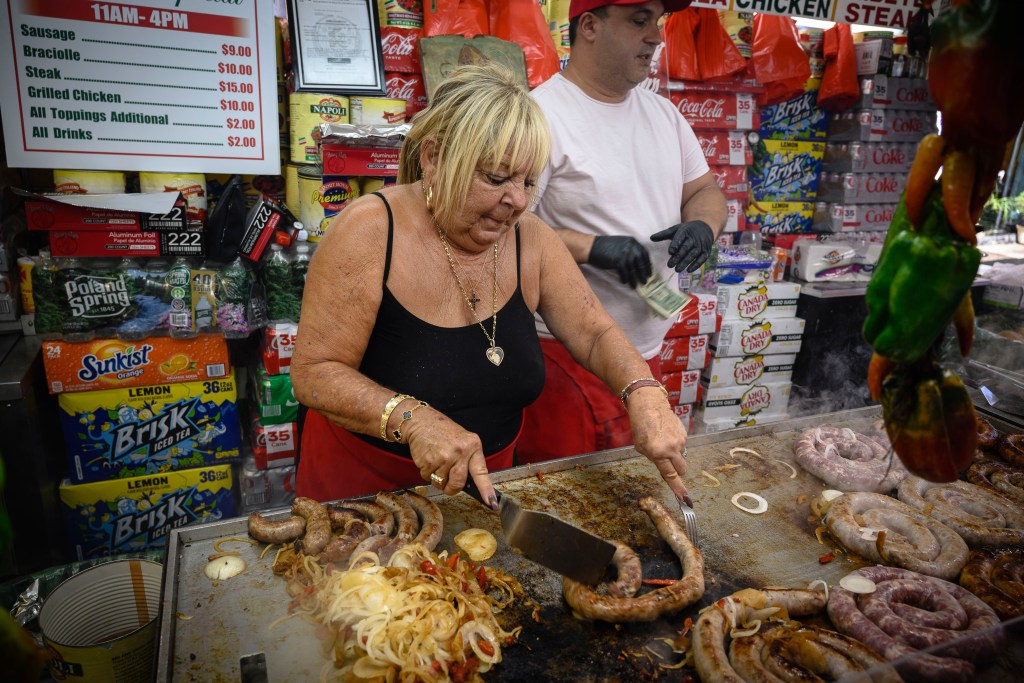
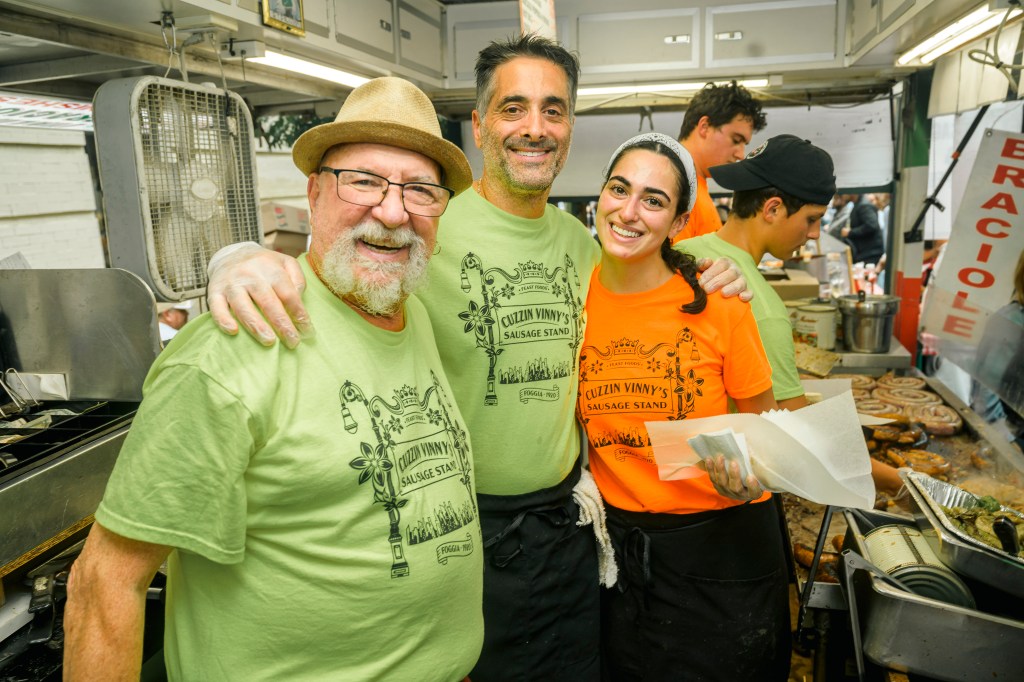
For Patuto, the ritual began in mid-July with sourcing meat and peppers. Once the Feast opens, his days stretch roughly 20 hours. Fresh bread arrives at his Long Island City home at 4 a.m. He loads it into his van by 4:30 a.m., drops it in Little Italy, doubles back to collect his crew — sons, cousins, nephews, granddaughters, plus assorted boyfriends and girlfriends — and fights through traffic to reach his stand by 8 a.m.
“Transportation and parking are always a pain in the neck,” he said.
By 11 a.m., the family is slinging $21 braciole and $18 sausage-and-peppers sandwiches. Patuto estimates they move hundreds of sandwiches daily, enough to cover costs and eke out profit. The festival closes at midnight on weekends and 11 p.m. Weekdays, but cleanup begins an hour before shutdown. The crew scrubs grills, restocks soda and inventories supplies until 1 a.m., then collapses at home by 1:30 a.m. Before restarting the cycle.
“By the end of the festival, we’re licking our wounds and apologizing to each other,” Patuto said with a laugh. “‘Sorry I stepped on your toe,’ or, ‘Sorry I called you a so-and-so.’ Your conscience finally catches up with your intelligence.”
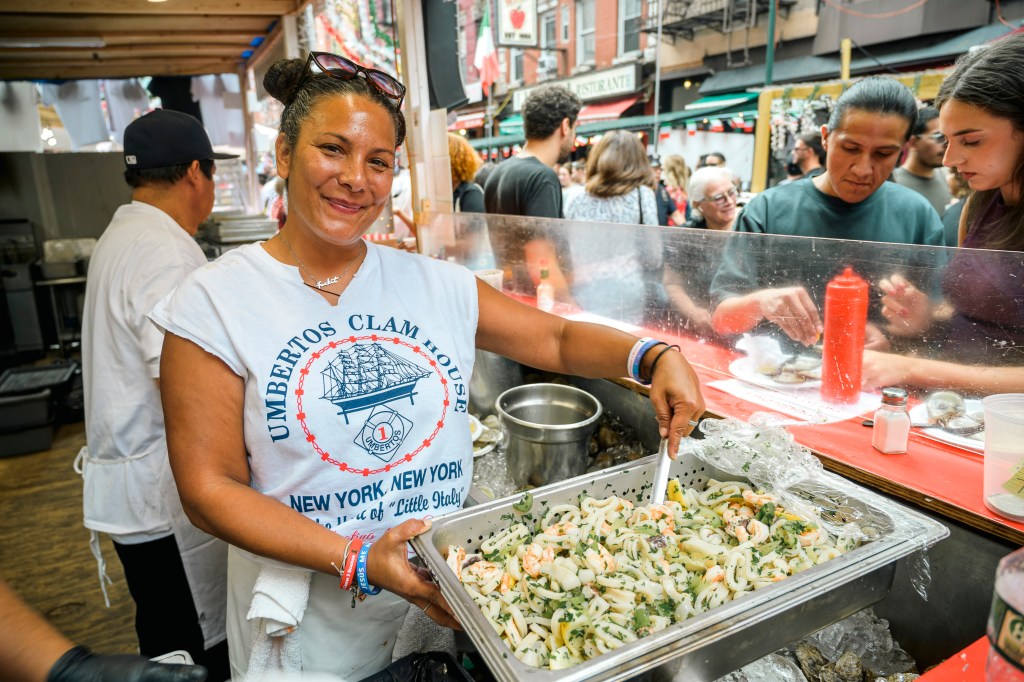
Chris Rianniello of Umberto’s Clam House knows that rhythm intimately. The 27-year-old has worked the festival since he was 13, when his grandfather’s seafood restaurant, a Mulberry Street fixture since 1972, first put him to work. The Clam House runs two festival stands steps from its front door, serving $20 stuffed clams and $23 calamari.
“I flour and pre-fry the fish up the block, then bring it all here, chill it and fry it for another couple of minutes,” Rianniello explained. “Obviously, it’s all more difficult doing it all outside.”
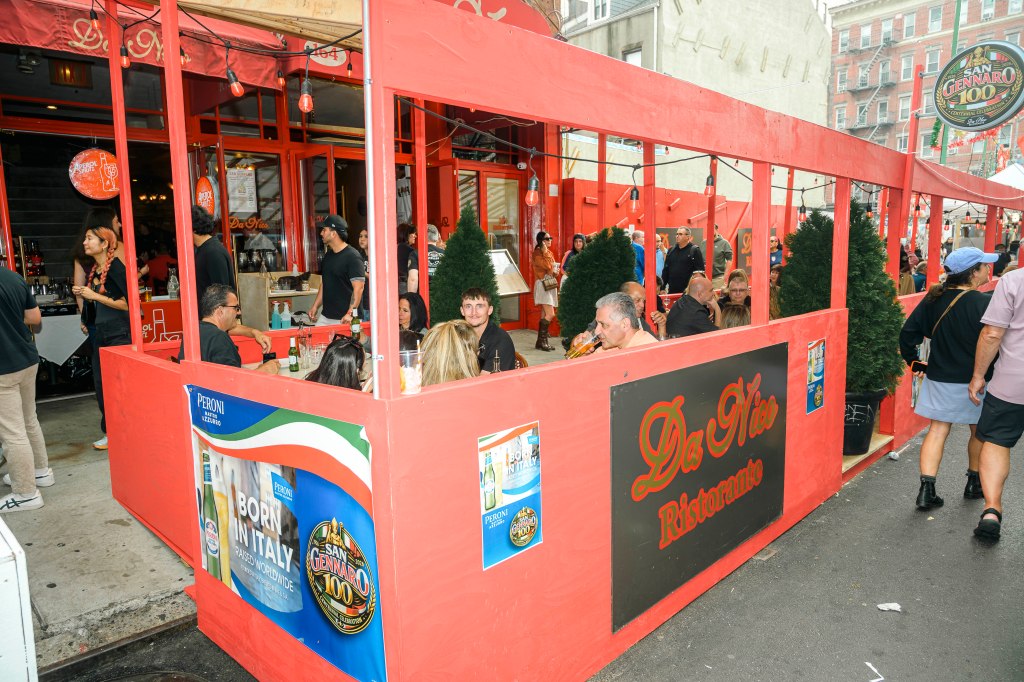
Despite the hassle, the festival anchors the neighborhood’s identity. Nicky Criscitelli, owner of Da Nico’s Restaurant, juggles packed dining rooms with a nearby pastry stand during the event. “There’s no way I’m saying it’s easy, because it’s difficult,” he said. “But I give my workers, servers and chefs a lot of credit. In this business, you’re not anything without them.”
Newcomer Nicolas Calia, a Sicily native who runs Visit Sicily NYC in the East Village, scored his first Feast slot this year. The internet personality applied specifically to mark the centennial, hauling $15 panelle sandwiches and hundreds of cannoli by bicycle to his stand. He expects to sell roughly 300 sandwiches and 800 cannoli daily.
“As Italians from Italy, we knew we wanted to participate in its 100th anniversary and bring some authentic food we know from back home,” Calia told The Post.
The Feast’s spiritual dimension persists alongside the commerce. Monsignor Jamie Gigantiello, one of two spiritual advisers alongside Monsignor David Cassato, conducts the centerpiece Mass honoring San Gennaro himself. “What’s so unique about America is that you don’t have to give up your traditions and your faith when you immigrate here,” Gigantiello said. “You can assimilate into this country and still keep your traditions, which is what the Neapolitans did one hundred years ago.”
That legacy now faces the pressures of a changing neighborhood. Andrew Cotto of Appetito Magazine noted that the festival helps sustain Little Italy as it undergoes generational turnover. Actor Steve Schirripa, a former Grand Marshal, put it more bluntly: “Let’s not kid ourselves, it’s the feasts of all feasts. There’s nothing like it in the country.”
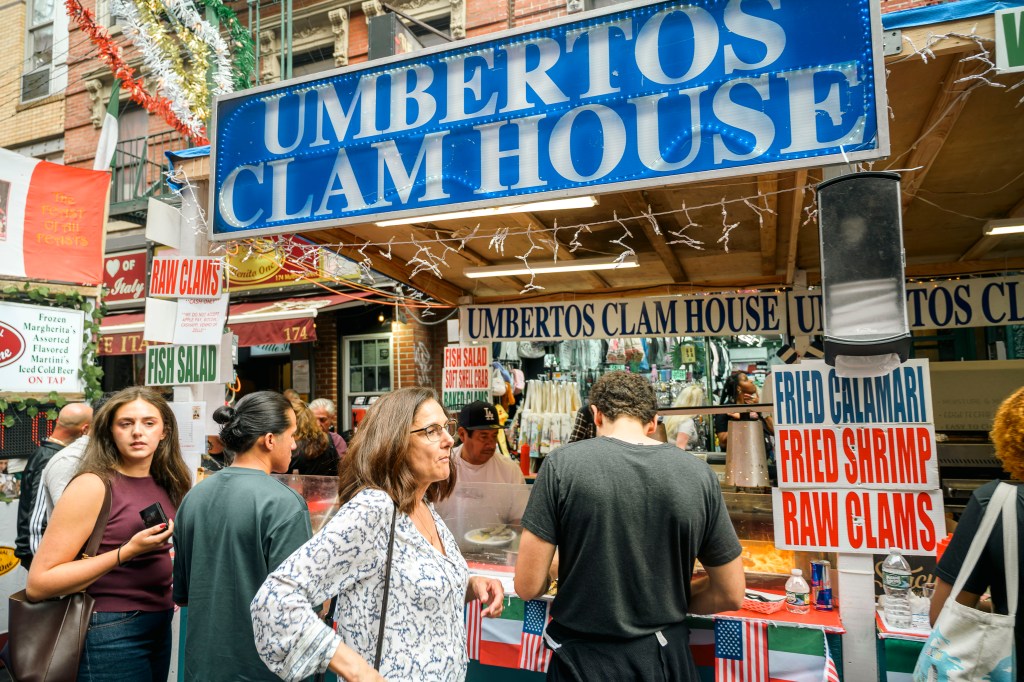
The 100th annual Feast of San Gennaro runs through Sunday in Manhattan’s Little Italy.