

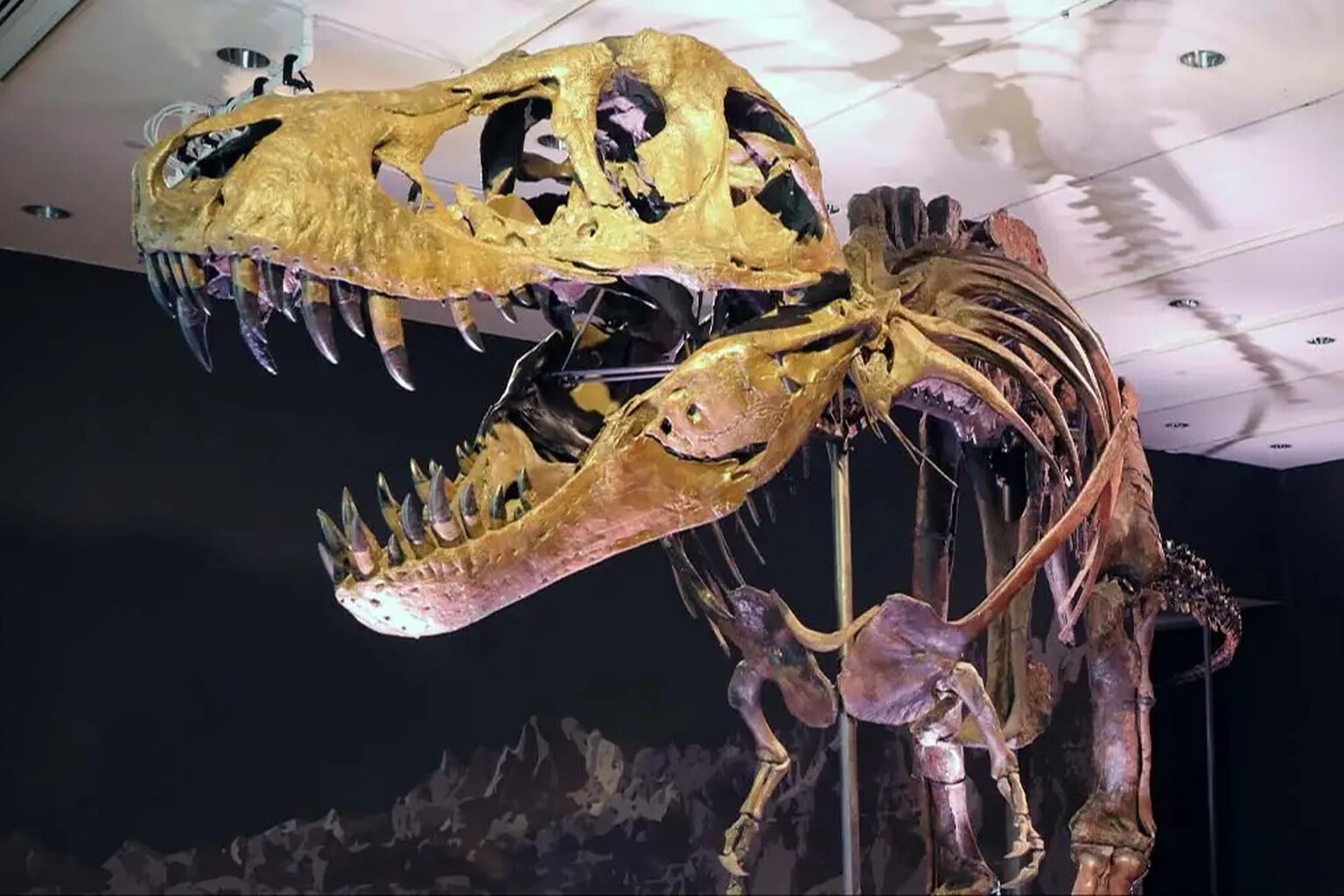
University of Chicago paleontologist Paul Sereno is re-examining a Wyoming T. Rex specimen he first encountered over two decades ago and now considers one of the most extraordinary finds in the fossil record.
Sereno, who is leading the new study of “Rex Junior,” told Cowboy State Daily last week that initial warnings about the specimen’s significance barely prepared him for what he would eventually recognize. “I was told this might be an extraordinary specimen,” he said.
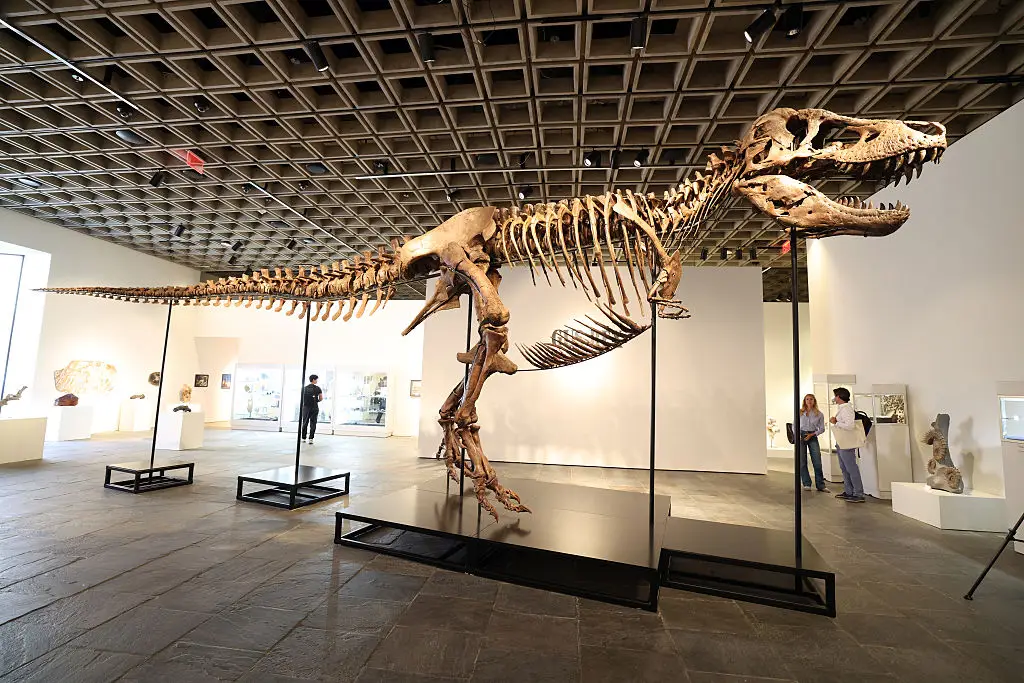
The 67-million-year-old dinosaur was discovered near Zerbst Ranch in Wyoming more than 20 years ago. What remains of Rex Junior includes both arms, the torso, and the base of the neck, though the skull and tail have been lost to erosion over the millennia.
“I would ultimately realize two decades later how extraordinary it was,” Sereno added in his interview with the outlet.
The most striking feature, Sereno revealed, is the specimen’s complete forearm — the only fully intact T. Rex hand and forearm ever recovered. “Every single bone, in place outside of the ribcage. I was totally shocked,” he told Cowboy State Daily.
The preservation extends to the dinosaur’s wishbone, which was found attached to the shoulder exactly where anatomical structure predicts it should sit. Yet the overall skeleton defies the clean museum-display expectations of popular imagination, lacking both the iconic skull and the powerful tail that define Tyrannosaurus rex in public consciousness.
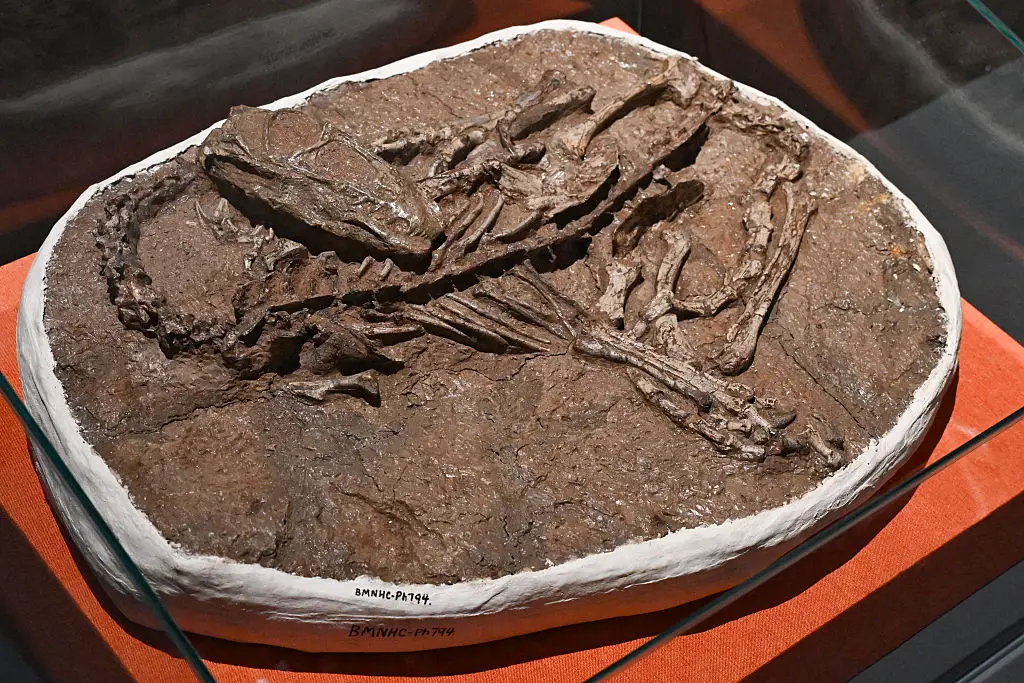
Sereno’s analysis of how the bones settled has led to a dramatic conclusion about the creature’s final moments. The articulated bones appear squashed, distorted, or scattered across the excavation site, suggesting rapid burial rather than gradual decomposition and fossilization.
“It was breathing when it was suddenly buried,” Sereno stated, believing that Rex Junior “didn’t have a chance to escape” from whatever catastrophe overtook it.

The paleontologist pointed to specific details that support this interpretation. “I think the position of the hands and ribs is too natural. It’s preserved in a lifelike position,” he explained, adding that the specimen “doesn’t look dry at all.”
This evidence has convinced Sereno that the dinosaur was not merely intact when buried, but potentially still alive — specifically, that it was “buried alive” during a flood event that engulfed the animal before death could occur.
Sereno also teased another mystery surrounding Rex Junior’s preservation, noting that the team “doesn’t see scales” on the specimen — challenging traditional assumptions about T. Rex integument that have dominated paleontological reconstruction for generations.
Much about Rex Junior remains under wraps as the research continues, with Sereno and his colleagues keeping significant findings confidential pending further study and eventual publication.
Despite the specimen’s incomplete nature, Sereno expressed profound gratitude for access to the material. He told Cowboy State Daily that he is “very very lucky” to have a T. Rex available for ongoing analysis.
The Rex Junior discovery stands apart from another T. Rex-related scientific development announced earlier this year, when researchers revealed lab-grown “leather” inspired by reconstructed protein sequences from the species. That material, manufactured by Polish techwear label Enfin Levé, is scheduled for display at the Art Zoo Museum in Amsterdam. Bas Korsten, global chief creative officer at VML, said in a statement that the project aims to position lab-grown materials as “ultra-luxury” alternatives to traditional leather products.
Sereno’s team is expected to continue analyzing Rex Junior’s unusual preservation and missing-scale observations as the study progresses.