


Six people have been hospitalized in a new flea-borne typhus outbreak in Los Angeles.
The cluster struck the Wilshire Center area as health officials investigate how the bacterial infection flared again in LA County, where cases have climbed for years. Dr. Jeffrey Klausner, an infectious disease specialist at the USC Keck School of Medicine, told FOX LA that contact with fleas remains the dominant risk.
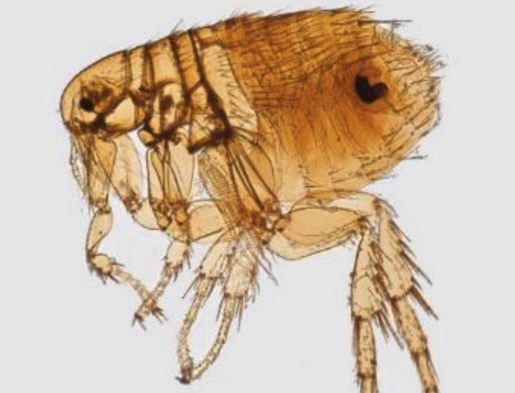
“Really, anyone who has contact with fleas — that’s the major exposure,” Klausner said.

The illness is caused by Rickettsia typhi, a bacterium transmitted when infected flea feces enter the body through broken skin or the eyes. Symptoms typically surface within one to two weeks and include fever, headaches, vomiting, rash, muscle soreness and body aches. The disease cannot spread between people and responds to antibiotics if caught early.
Klausner noted that cases frequently cluster around homeless encampments and locations with poor sanitation, though outdoor cats and other pets can also pick up infected fleas. The illness has historically resurfaced in areas struggling with sanitation conditions.
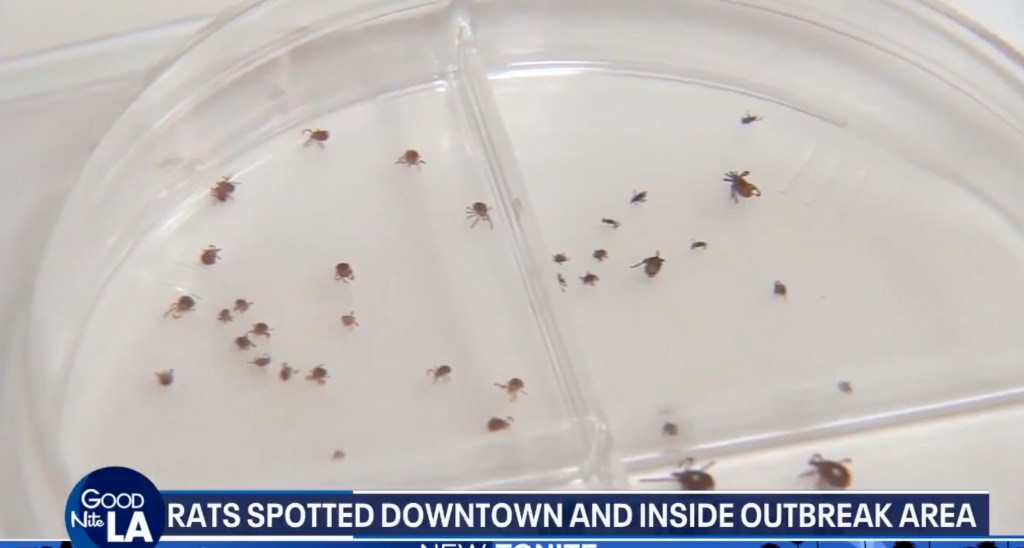
This Wilshire Center outbreak follows another cluster identified just months earlier in Pico-Union, where five people developed symptoms and required hospitalization earlier this year. That earlier flare-up had already signaled that the long-running countywide increase was not slowing.
LA County health officials have previously cautioned that infected fleas ride on rats, free-roaming cats and opossums, and residents may encounter them near their own homes without ever spotting the carrier animal. They have urged year-round flea control for pets, avoidance of wild or stray animals, and steps to block rats and wildlife from settling near residences.
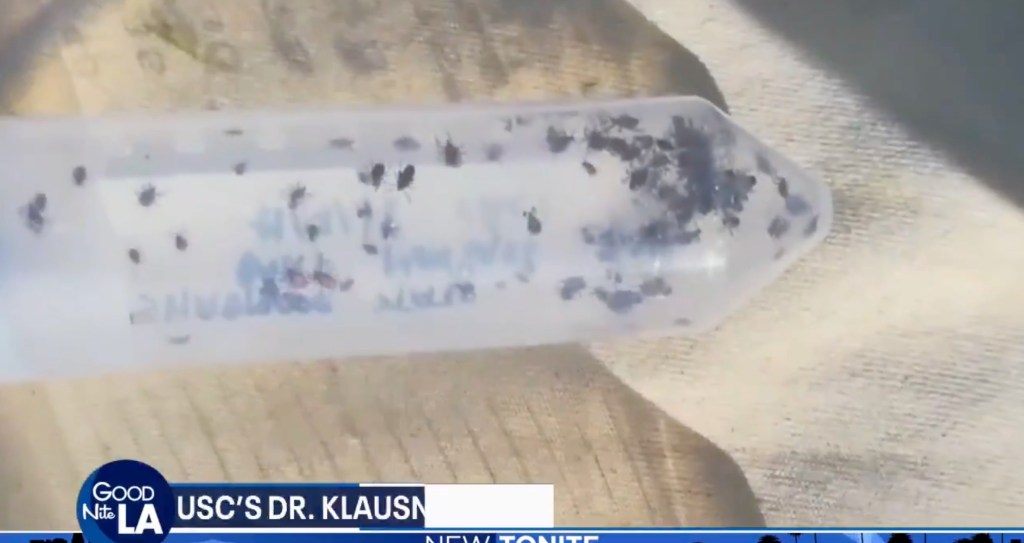
The county logged a record 220 cases in 2025, jumping from 187 the year before. Nearly 90 percent of those diagnosed in 2025 needed hospitalization. So far this year, another 109 cases have been reported across the county, putting the region on pace to potentially match or exceed last year’s mark.

Flea-borne typhus, once known as a disease of medieval times and poor sanitation, has staged a stubborn comeback across Southern California. The bacterial infection spreads through a simple mechanism: fleas feed on infected animals, pick up Rickettsia typhi, and then deposit the bacteria through their feces when they bite humans or when their waste contaminates skin or mucous membranes. The resurgence has tracked with expanding homeless populations, inadequate waste management, and the proliferation of urban wildlife that serves as reservoir hosts for the pathogen.

The latest Wilshire Center cluster adds six more hospitalizations to a tally that has already strained local health resources. With 109 cases reported countywide since January and the summer months still ahead, officials face pressure to contain spread before conditions that favor flea reproduction peak.