

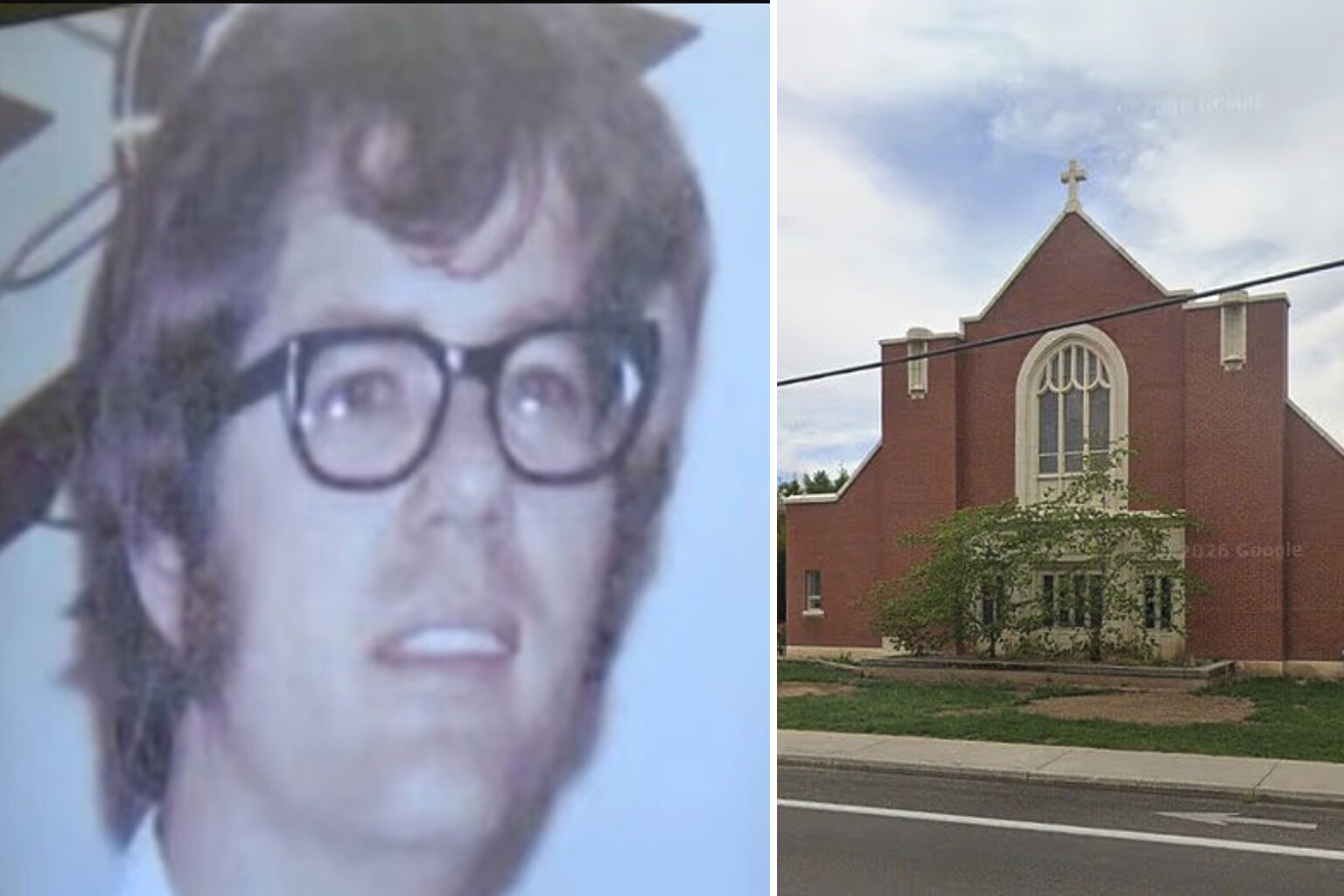
Mathew Francis Betkouski has been publicly identified as the probable “Tylenol Murderer” by Idaho investigators.
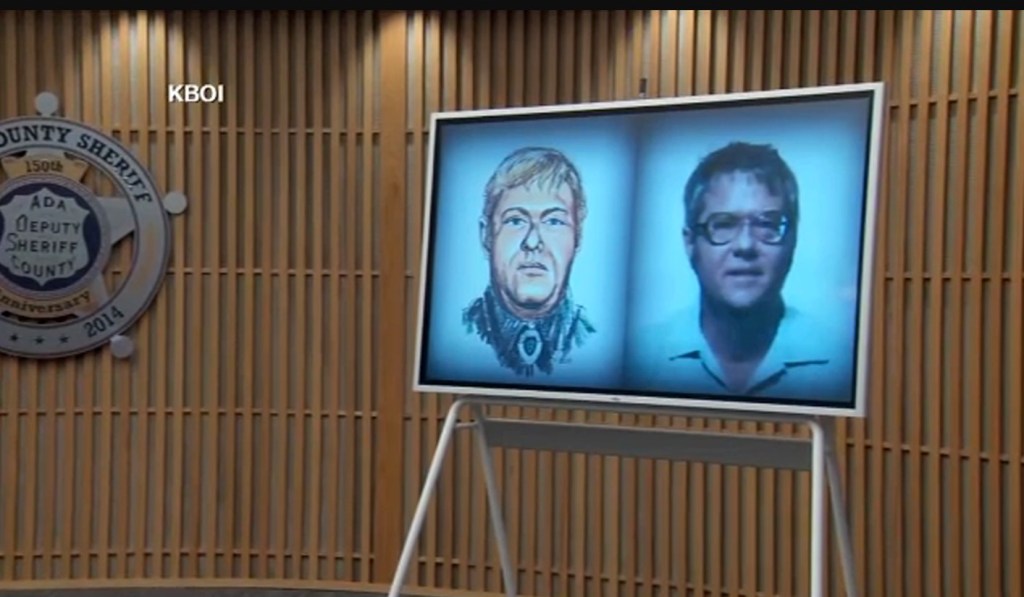
The Ada County Sheriff’s Office in Boise, Idaho announced Tuesday that Betkouski, previously known only as the “Unknown Wanderer,” is now believed to be the same person who laced Extra-Strength Tylenol capsules with potassium cyanide and killed seven people in the Chicago area in 1982. The disclosure came after years of quiet investigation into the wanderer who died by suicide inside a church that same year.
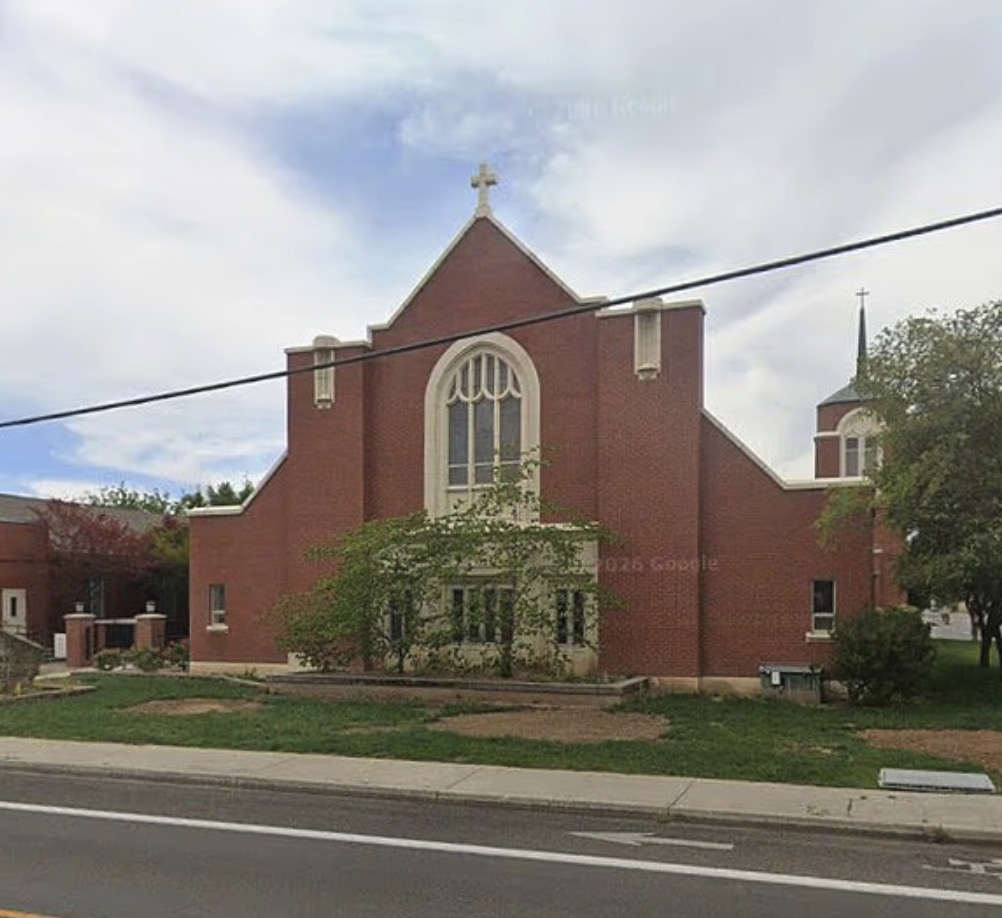
Betkouski’s death came via cyanide poisoning, the same method used in the Tylenol killings, inside an Idaho church in 1982. His body was found after he took his own life, and investigators at the time were unable to determine his true identity, leaving him with the “Unknown Wanderer” moniker for more than four decades.
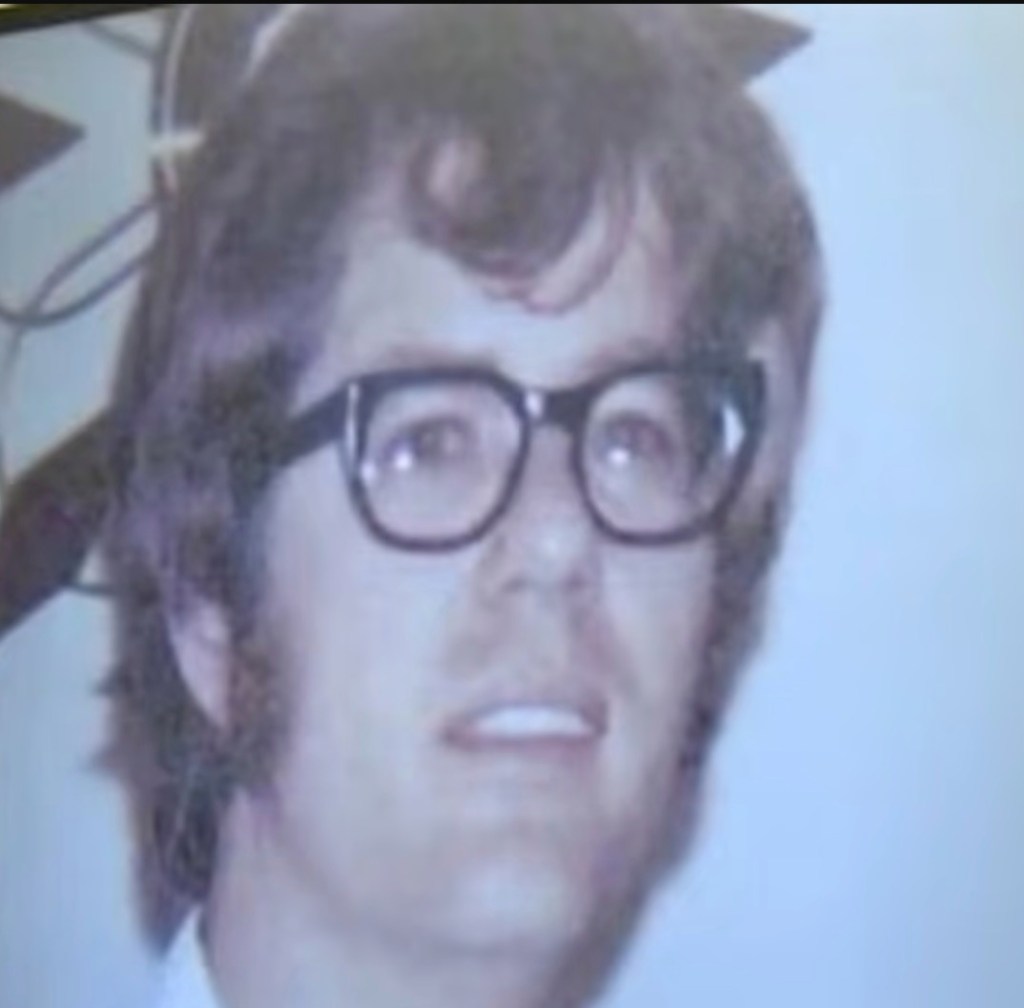
ACSO Cold Case Detective Tim Cooper acknowledged the limits of what his office has assembled. His office lacks the major piece of evidence that would allow them to definitively name Betkouski as a suspect.
Investigators said several pieces of evidence linked Betkouski with the “Tylenol Murderer,” but noted they lacked a definitive “smoking gun” connecting the two.
The original Tylenol murders terrified the nation and transformed how over-the-counter medications are packaged. In September and October 1982, seven people in the Chicago area died after taking cyanide-laced Extra-Strength Tylenol capsules purchased from stores in suburban Cook and DuPage counties. The victims included 12-year-old Mary Kellerman of Elk Grove Village, 27-year-old Adam Janus of Arlington Heights, his 25-year-old brother Stanley and 19-year-old sister-in-law Theresa, 31-year-old Mary McFarland of Elmhurst, 35-year-old Paula Prince of Chicago, and 27-year-old Lynn Reiner of Winfield. The killer had apparently removed bottles from store shelves, contaminated the capsules with deadly potassium cyanide, and returned them to the shelves for unsuspecting customers to buy. The case spawned copycat tampering incidents, led to the introduction of tamper-evident packaging across the pharmaceutical industry, and remains one of the most notorious unsolved criminal cases in American history despite extensive FBI involvement and a $100,000 reward offered by Johnson & Johnson.
The announcement marks the most significant development in the case since the 1982 investigation itself, though officials were careful to frame their conclusions as probabilistic rather than conclusive. Betkouski’s origins in California and his apparent transient lifestyle had previously stymied identification efforts, leaving him buried under a nickname that emphasized the mystery surrounding him rather than any concrete biographical detail.
Cooper and his colleagues produced multiple pieces of evidence that link Betkouski to the Tylenol Murders, though the specific nature of that evidence was not immediately detailed in the initial public release. The connection between Betkouski’s own cyanide death and the method used in the Chicago killings appears to have been one factor among several that cold case investigators found compelling enough to bring before the public.
The case had long frustrated investigators and true crime followers alike, with numerous suspects considered and dismissed over four decades. James Lewis, a Chicago man who served prison time for an extortion letter sent to Johnson & Johnson demanding $1 million to stop the killings, was for years considered the prime suspect by some investigators though he was never charged with the murders themselves. Lewis died in 2023, maintaining his innocence in the killings to the end. Other suspects had emerged and receded from attention over the years, but none had been publicly named with the kind of specific evidentiary backing that investigators offered for Betkouski.