

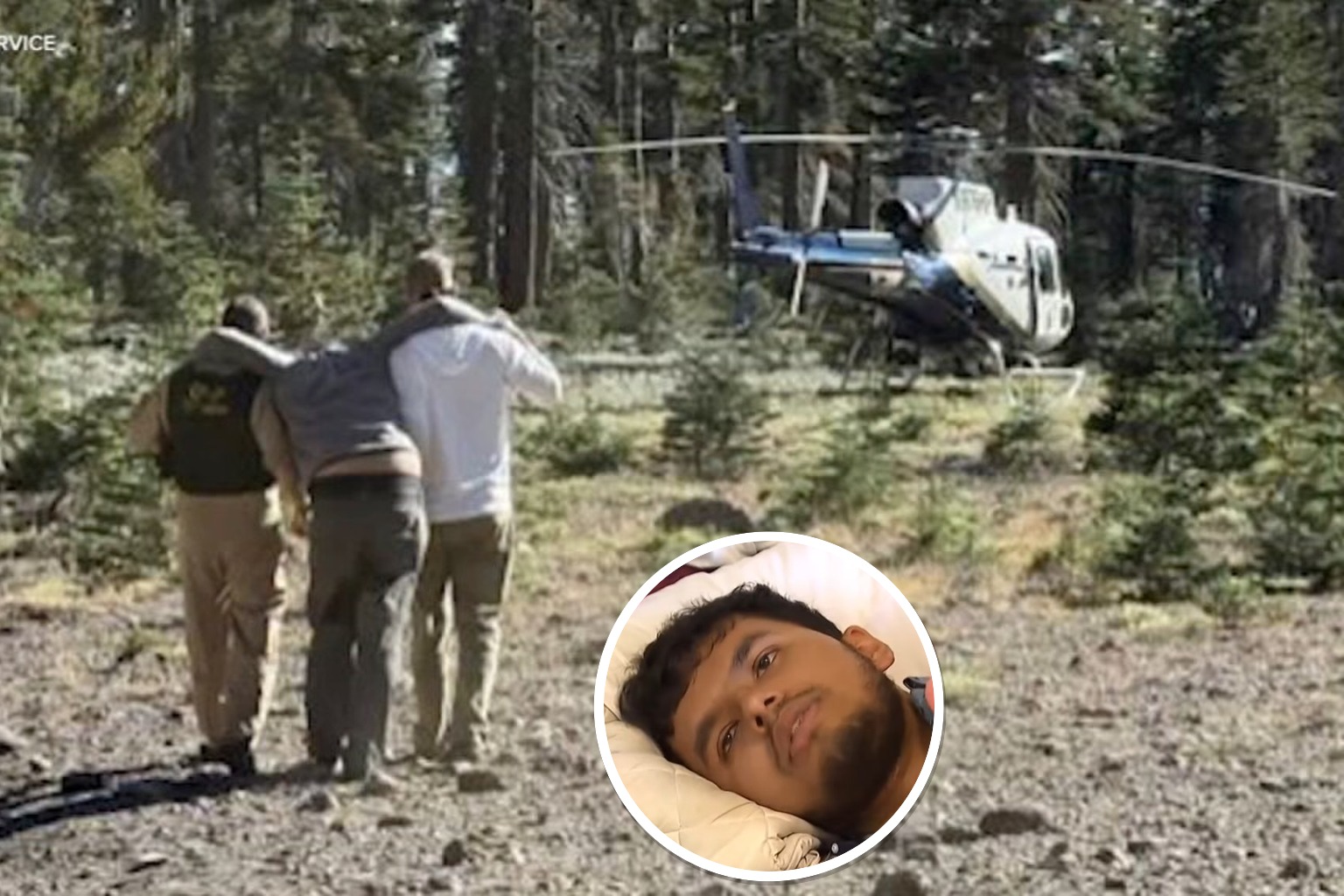
Zubayir Kazi is speaking out about the harrowing fall that nearly killed him on Mount Shasta.
Kazi, 24, of San Jose, California, summited the notorious peak around 7:30 p.m. On Sept. 10 after an early-morning start, he said Bay Area. The first-time climber had scouted part of the route five days earlier, but found conditions far more punishing than anticipated.
“It turned out to be much worse than I expected,” he told the outlet.
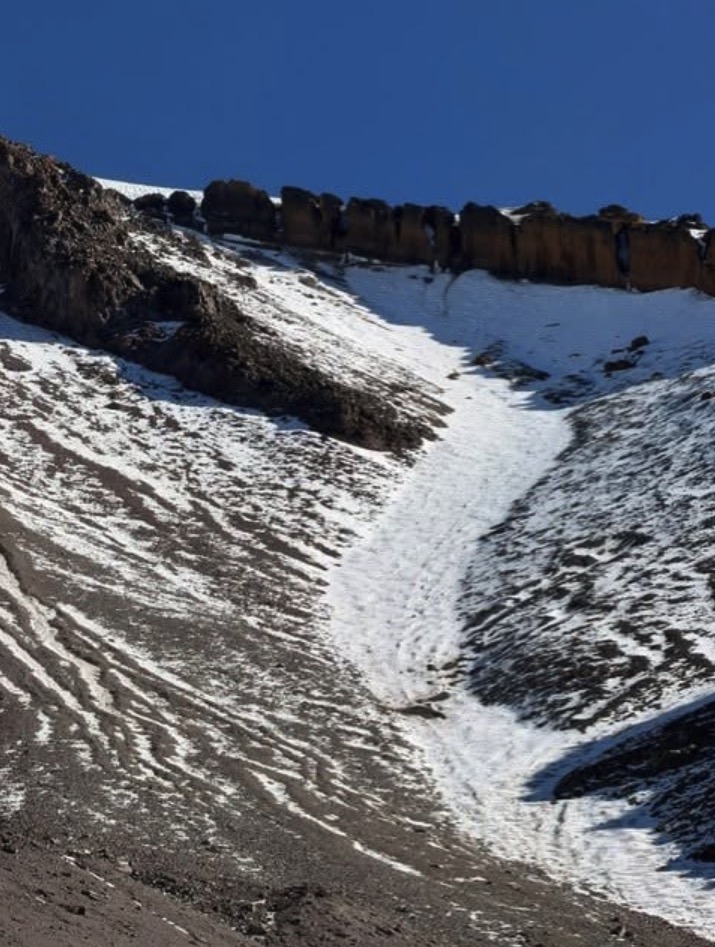
The descent proved catastrophic. Shortly after reaching the summit, Kazi lost his grip and his equipment, sending him sliding down the mountain face.
“Everything I had with me just goes out of my hand and I find myself flying down the mountain,” he said Bay Area.
The 500-foot plunge left him stripped of his phone, food, water and light sources. Alone and badly injured, Kazi made a stark calculation: stopping meant death.
“My mentality became very one dimensional. I don’t know what’s the optimal thing to do, but I just know that I have to go lower because if I stay here and fall asleep, I’m going to die,” he said.
He began crawling downhill through the darkness, driven by raw survival instinct.
Back in San Jose, his mother grew frantic after losing contact with him. She reached out to his friend Abdullah as hours passed without word, triggering a missing-person search by local search-and-rescue crews.
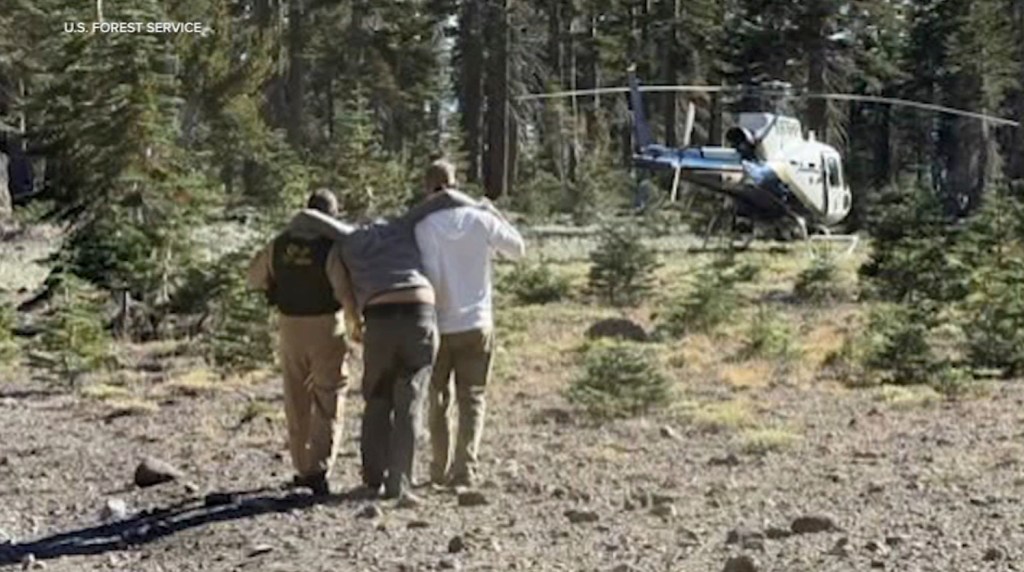
Kazi’s self-rescue reached its limit at base camp, where another climber discovered him. That stranger provided food and water until official rescuers could arrive, bridging the gap between Kazi’s solo crawl and professional medical care.
The true scope of his trauma only became clear once officers reached him.
“When the officers came in, it was the first time I really realized how badly I was injured. They said ‘You have no skin behind your leg’,” Kazi said Bay Area.
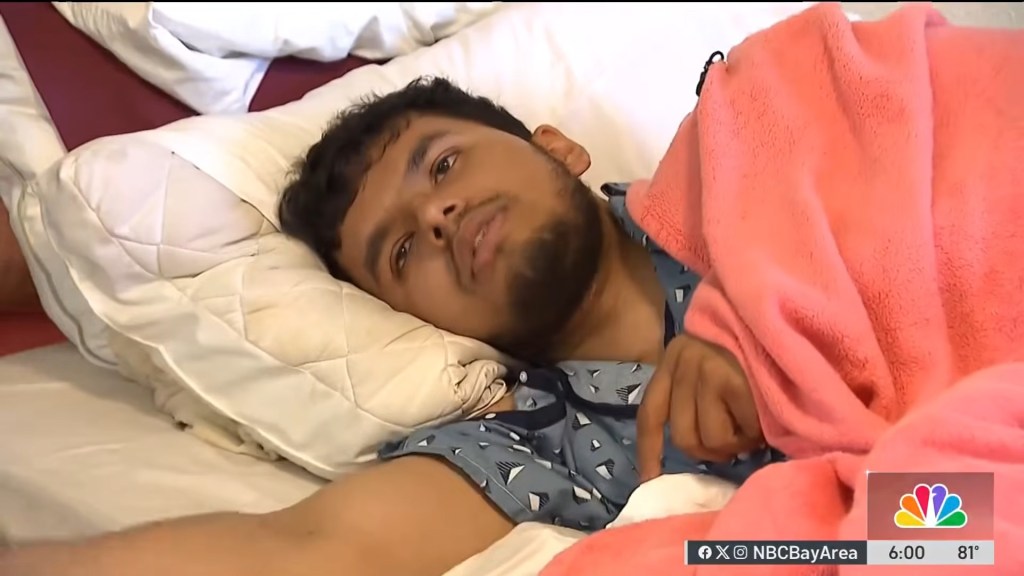
Doctors later determined he had suffered significant skin and nerve damage along with serious internal complications, and told him he could have died within hours had he remained on the mountain. His recovery is expected to stretch across multiple weeks.
The US Forest Service maintains that Kazi’s route is not recommended during this season, particularly for novice climbers, warning that Mount Shasta’s conditions can shift rapidly and that accidents strike even those who believe they are prepared.
Kazi has emerged from the ordeal with hard-won perspective for others drawn to ambitious solo climbs.
“It is very important to fully and properly account for all of the requirements and safety considerations necessary to complete a hike like this and not miss a single one — and I’d say to definitely not go alone,” he said Bay Area.
Kazi continues his recovery in San Jose.