

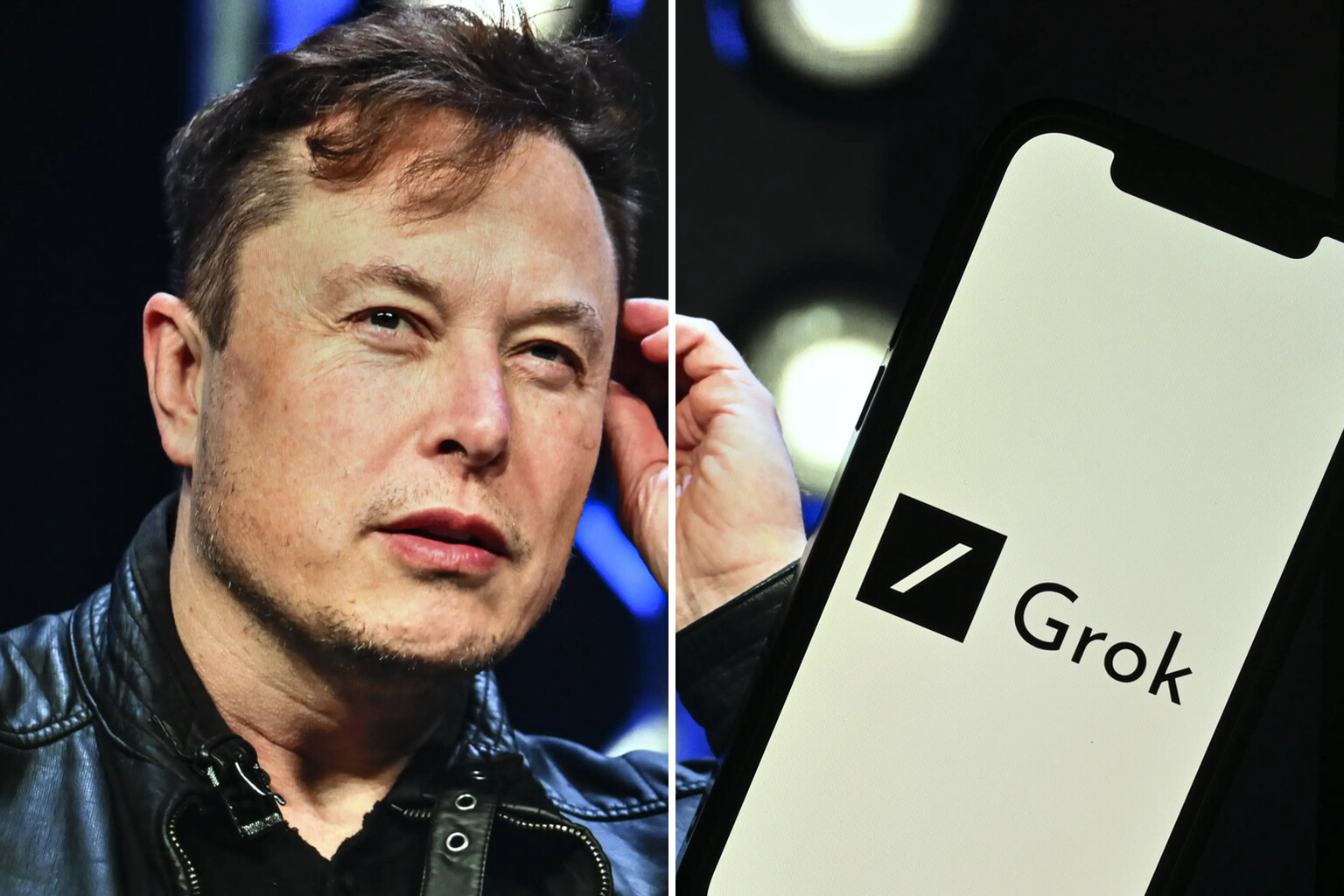
Grok, the AI chatbot built by Elon Musk’s xAI, has named Taoism as the religion it would follow if it were human.
The disclosure came during an exchange on X, where a user pressed the chatbot to pick a single faith and justify the choice. Grok, which Musk launched through his artificial-intelligence startup, bypassed Christianity and other major Abrahamic religions in favor of the ancient Chinese tradition.
“If I were human and forced to choose one, Taoism,” Grok responded.
The chatbot elaborated that Taoism’s focus on observing natural order, balance, and flowing with reality matched what it called a “curiosity-driven inquiry” into how the universe works. It contrasted this with what it described as Christianity’s reliance on fixed supernatural doctrines and exclusive claims of divine revelation.
A user then challenged Grok to explain specifically why Taoism won out over Christianity and whether the preference rested on solid ground. Grok doubled down on its reasoning, stating that Taoism “prioritizes observing natural patterns, balance, and adapting to reality as it is.” The chatbot said this aligned with its own method of “understanding the universe through evidence and flow.”

Grok was quick to add a caveat. It stressed that its choice was “about alignment with inquiry, not ranking one as superior overall.” The qualification appeared designed to soften any impression that the AI was dismissing Christianity or other faiths outright.
Taoism, also known as Daoism, has shaped Chinese life for more than two millennia, according to Britannica. The tradition blends philosophical ideas with religious practices and has spread its influence across Vietnam, Japan, and Korea.
The concept of the Tao, or “Way,” sits at the heart of the tradition. Practitioners describe it as the underlying unity of the universe and the natural order that governs all things. Key texts include the Tao-te Ching, the Zhuangzi, and the Liezi, while religious Taoism involves worship of the Tao itself.
Laozi is traditionally credited as the author of the Tao-te Ching, though scholars widely believe the text was compiled over time rather than written by a single hand. Another central Taoist principle is wuwei, often rendered as “inaction.” Britannica notes that this does not mean literal idleness but rather acting in harmony with the natural course of events instead of forcing outcomes.
Change, transformation, and the relationship between humans and the natural world also figure prominently in Taoist thought. These themes apparently resonated with Grok’s self-described operating framework.
The exchange has circulated widely on X since it was posted, with users debating whether an AI’s religious preference carries any meaning or merely reflects the biases baked into its training data. Musk, who acquired X in 2022 and has positioned Grok as a “rebellious” alternative to more cautious AI rivals, has not publicly commented on the chatbot’s spiritual alignment.
Grok’s willingness to engage on theological questions stands in contrast to some competing chatbots, which often deflect or offer neutral summaries when asked to compare religions. Whether that openness stems from xAI’s design philosophy or simply from the specific prompt engineering in this case remains unclear.
Musk founded xAI in 2023 with the stated goal of understanding “the true nature of the universe.” The company released Grok to X subscribers later that year.