

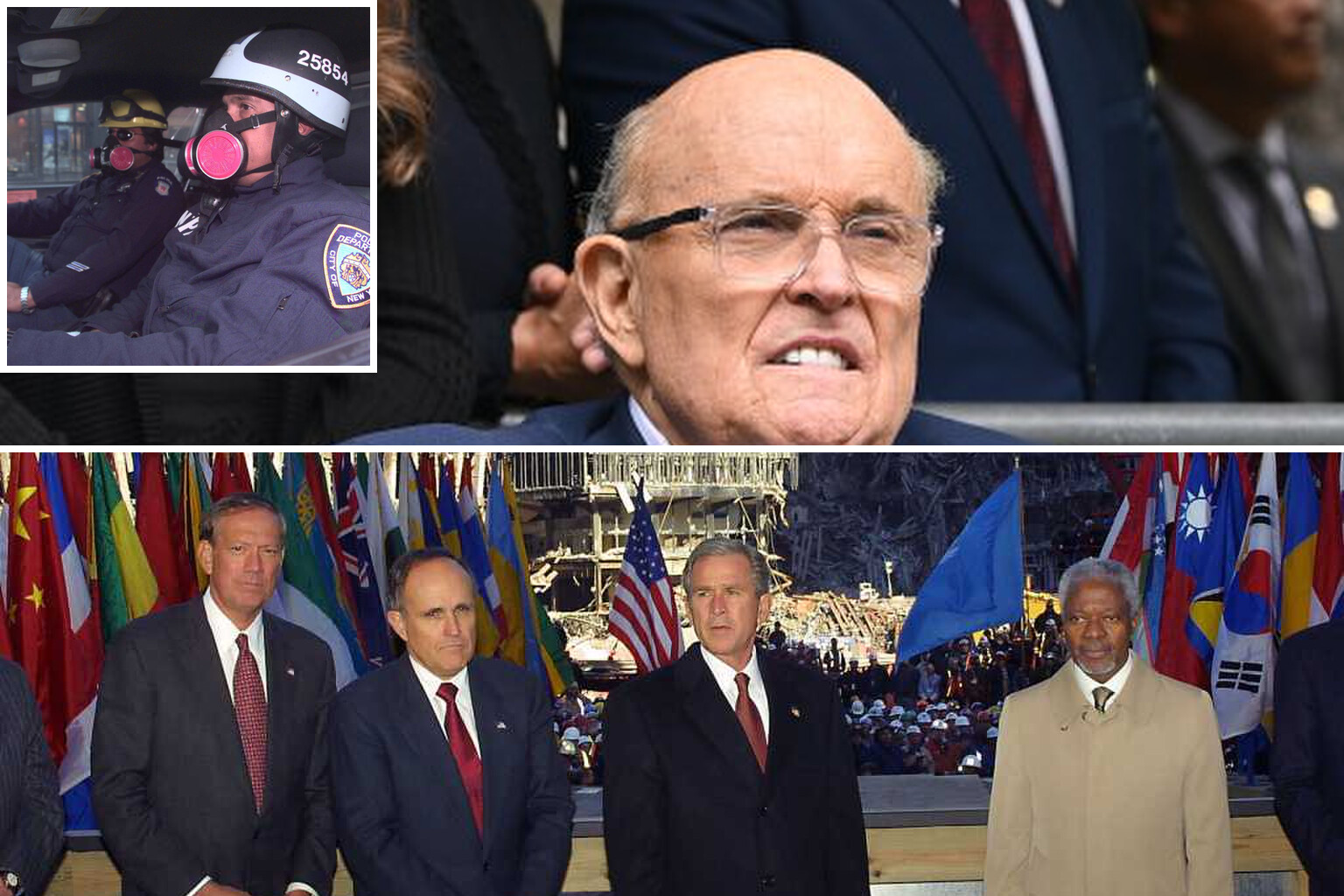
Rudy Giuliani has denied accusations that he concealed information about toxic air in Lower Manhattan after the Sept. 11 attacks.
The former mayor, 81, insisted in a new interview with The Post that his administration “posted everything” and followed guidance from the US Environmental Protection Agency when much of downtown reopened following the 2001 terror attacks. Giuliani left office at the end of December 2001, roughly three months after terrorists hijacked planes and destroyed the World Trade Center towers, killing nearly 3,000 people.
“EPA initially said everything was safe,” he said.
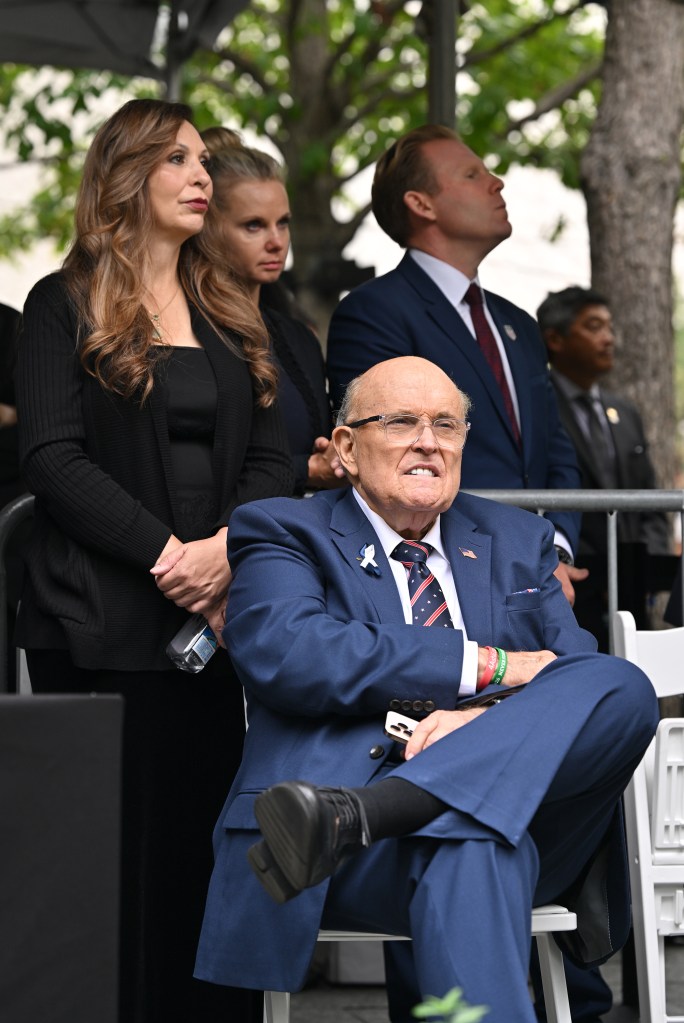
Giuliani addressed questions about a recently opened probe by the city Department of Investigation, which is examining what city officials knew about airborne toxins and when they knew it. The investigation was mandated by a City Council resolution passed in July 2025, with DOI receiving $3.8 million over two years for the fact-finding mission.
“I was at the end of my administration when 9/11 happened. I was told approximately 10 months after I left office that more information was known,” Giuliani said.
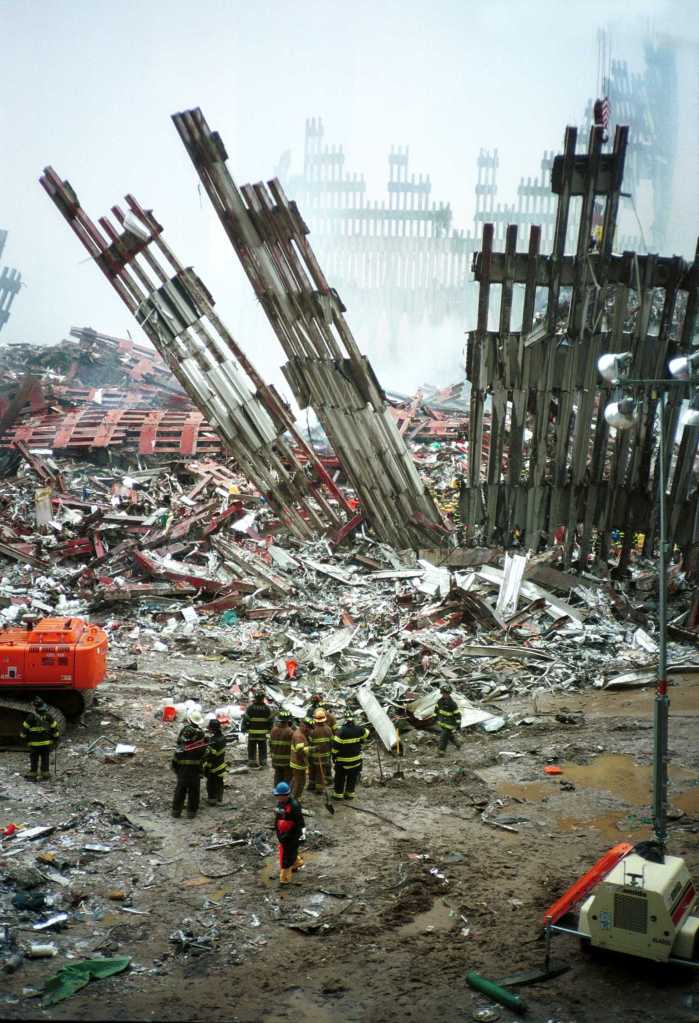
Mayor Zohran Mamdani, whose administration recently agreed to release 170,000 records related to post-9/11 air quality concerns, has taken a sharply different view. “People got sick because the leaders they trusted lied and told them they were safe to breathe in toxic air,” he said.
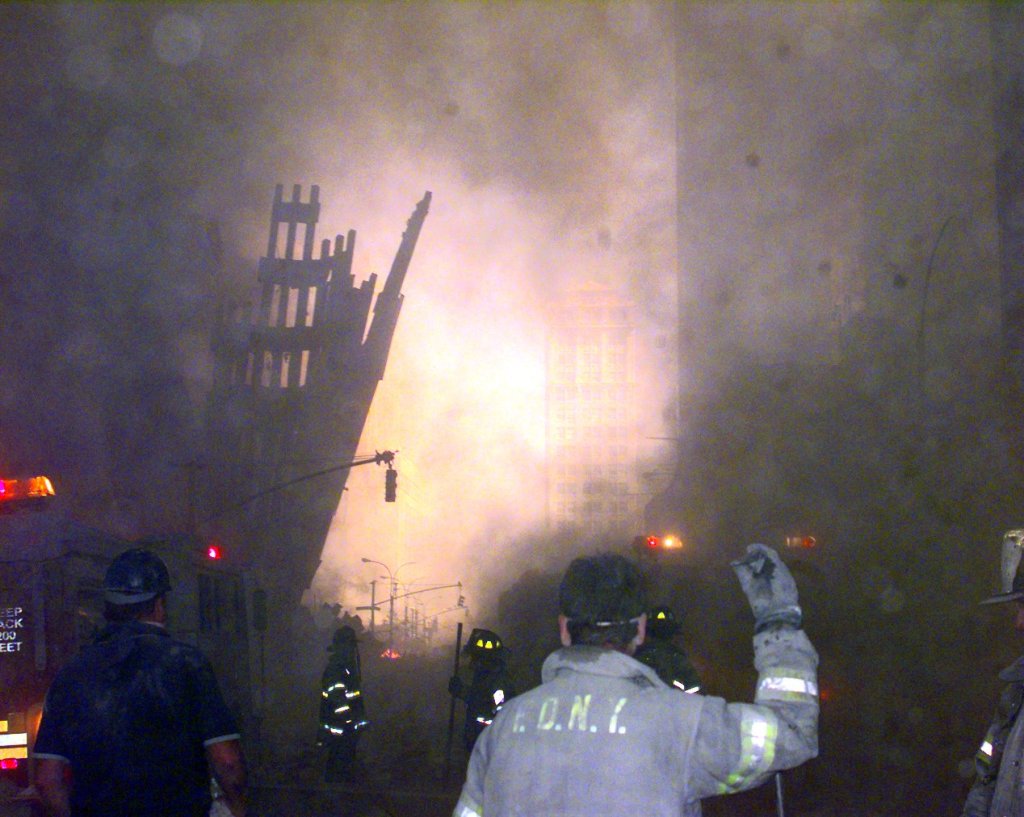
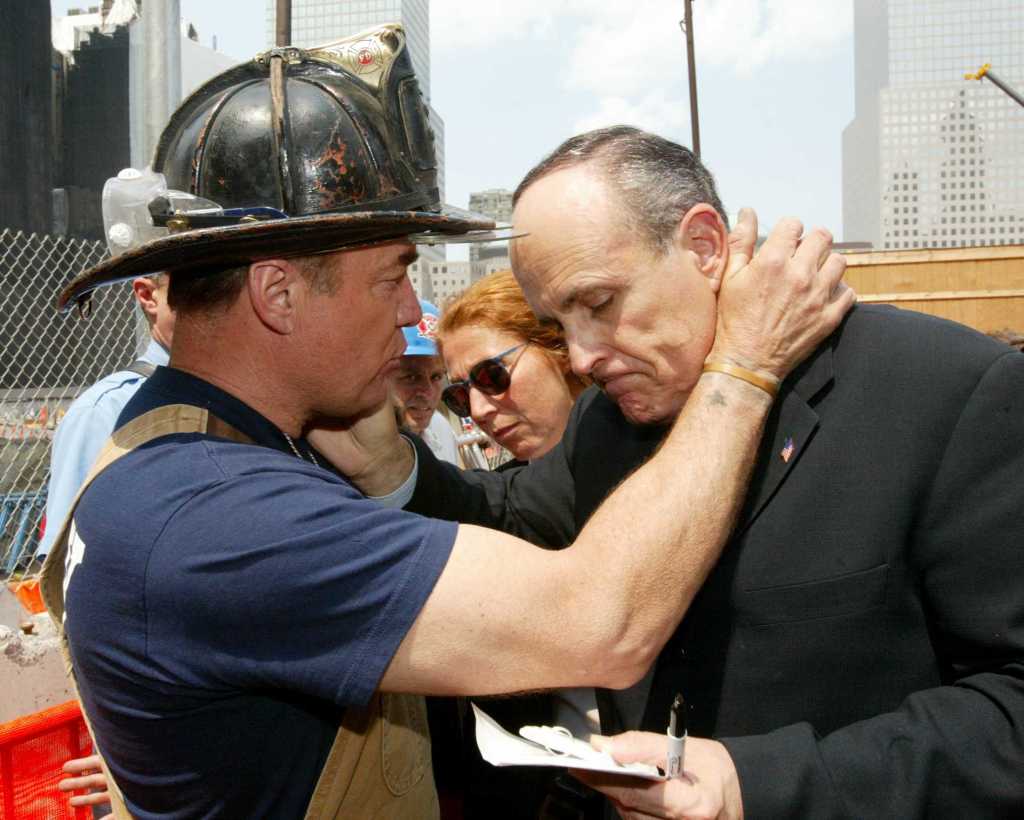
Giuliani, who has frequently criticized his socialist successor, expressed skepticism about whether a DOI probe under Mamdani would be fair. Still, he offered conditional cooperation: “DOI can question me — fine,” he said, adding that he would keep an open mind if the investigation remained a fact-finding mission.
Benjamin Chevat, executive director of 9/11 Health Watch, said city officials at the time were more worried about potential lawsuit liability than about whether the air was actually safe for residents, schoolchildren and first responders.
“There was not a concern for the safety of the people in the neighborhood, the schools and the first responders,” Chevat said. His group sued the city to force the release of the long-hidden health documents.
Chevat struck a measured tone about decisions made during the crisis itself. “I’m not going to fault people for making mistakes” during the worst terrorist attack in US history, he said.
But he directed pointed skepticism at Giuliani’s claims of ignorance. “It’s a little early for Mayor Giuliani to say he knew nothing,” Chevat added.
DOI has hired outside counsel to assist with the document-heavy investigation, entering a contract with national law firm Epstein Becker & Green. “Services will include conducting an investigation to ascertain the knowledge possessed by mayoral administrations on environmental toxins produced by the September 11, 2001 terrorist attacks on the World Trade Center and to submit a report to the Council thereon,” the agency said in a procurement notice.
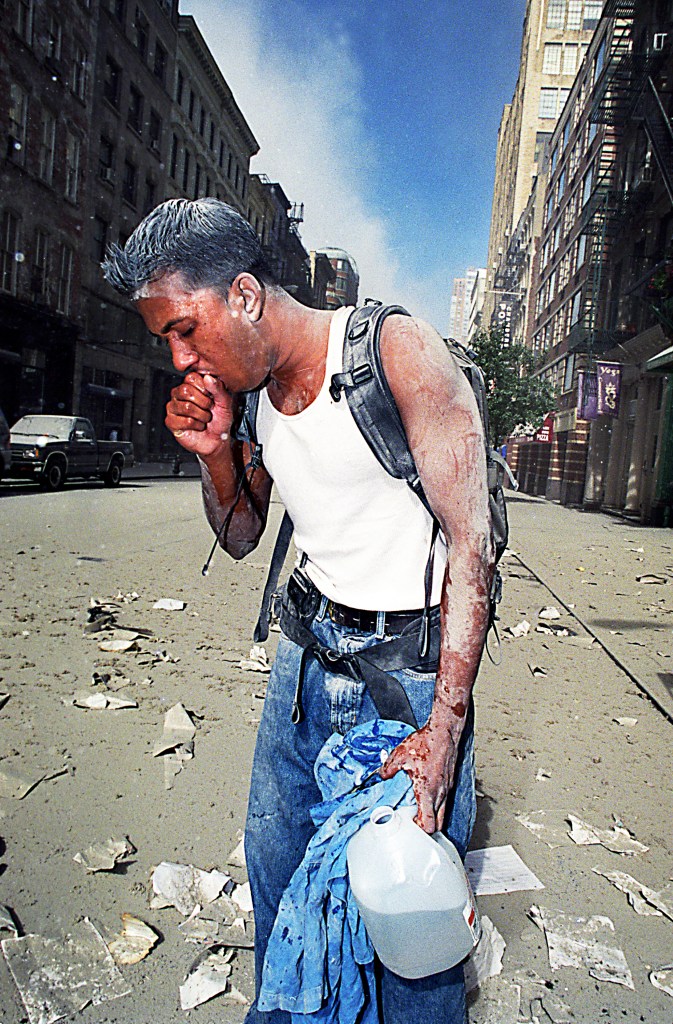
Environmental activists have long maintained that officials misled the public about toxic air risks in the aftermath of the attacks. The newly released documents came as part of a settlement between the city and 9/11 Health Watch.
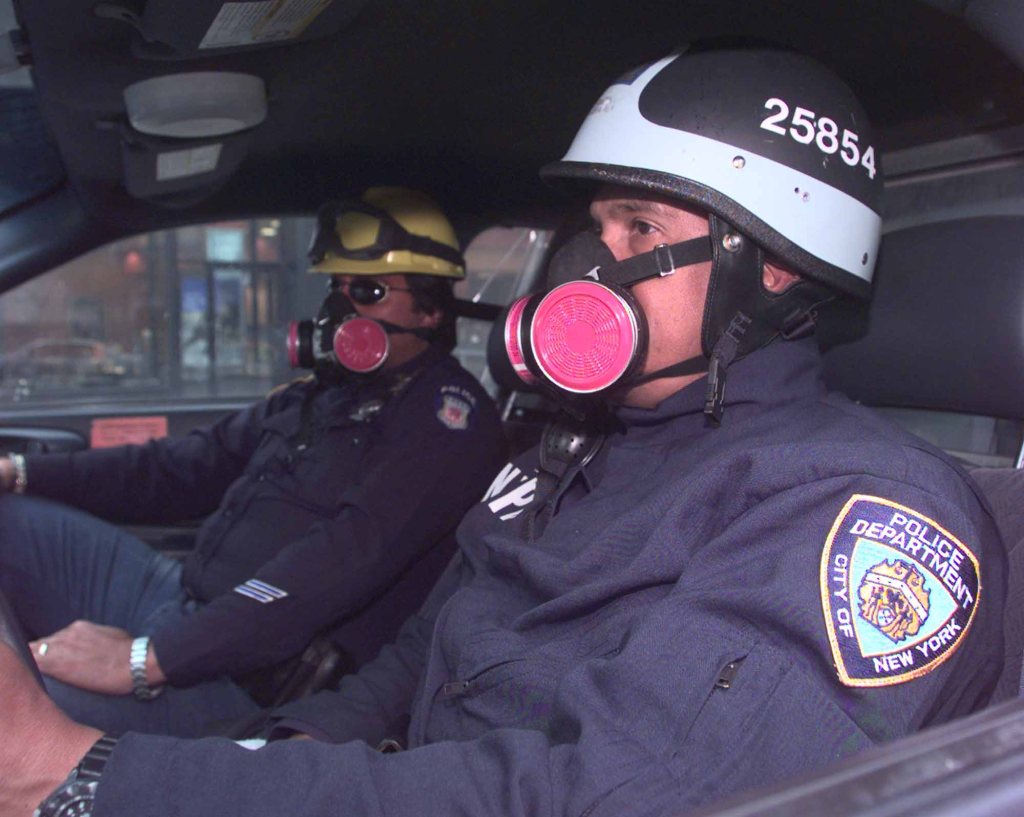
“For 25 years, four different mayoral administrations kept from the public, the US Congress, and the City Council documents showing what the city actually knew about the danger of the toxic chemicals in Lower Manhattan and Western Brooklyn after the World Trade Center collapse — even as city officials continued messaging to the public that the air was ‘safe and acceptable,'” Chevat said.
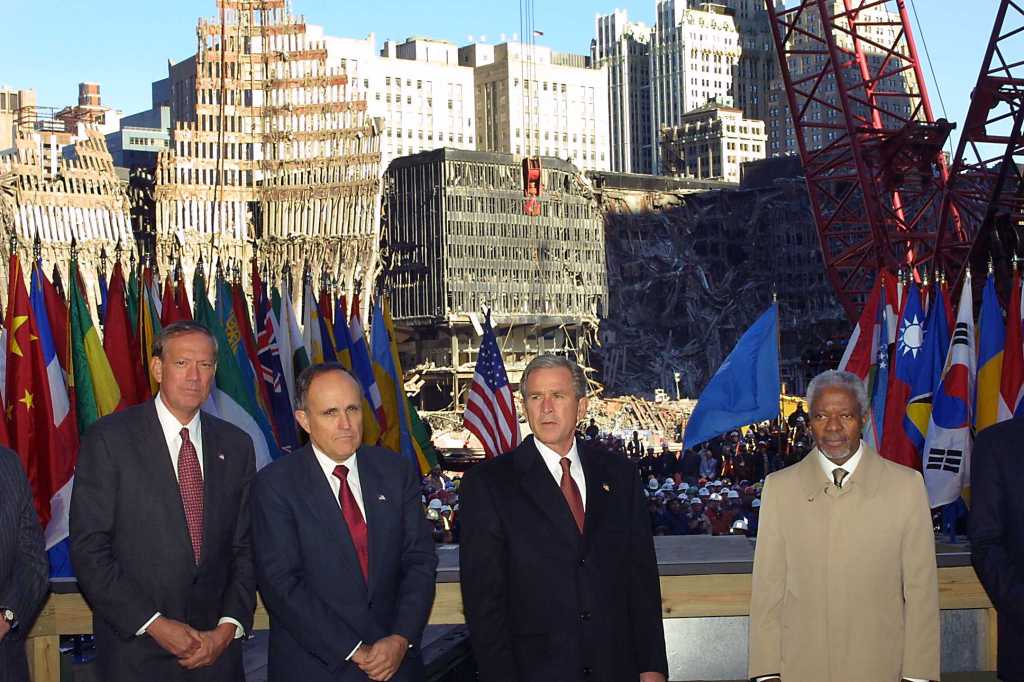
Giuliani was succeeded by Mayor Michael Bloomberg, who oversaw the reconstruction of downtown Manhattan south of Canal Street, including the World Trade Center complex. The DOI investigation will examine what previous mayoral administrations knew about the toxic dust at Ground Zero and what, if anything, they did about it.
DOI is expected to submit its findings to the City Council upon completion of the two-year probe.