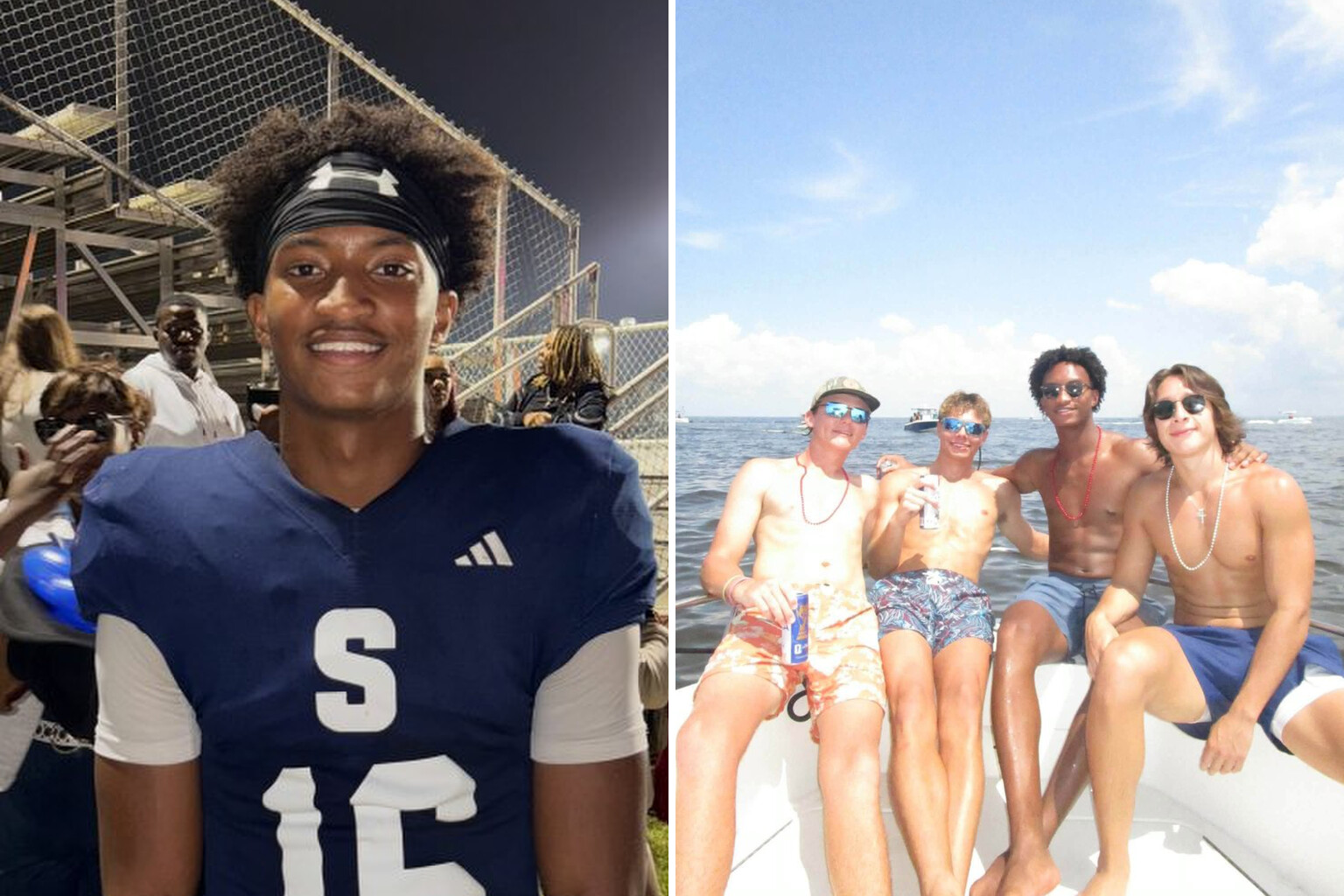
A forensic pathologist is raising alarms that Mississippi’s official autopsy of Nolan Wells skipped a critical check that could have strengthened the drowning finding in the teen’s disputed death.
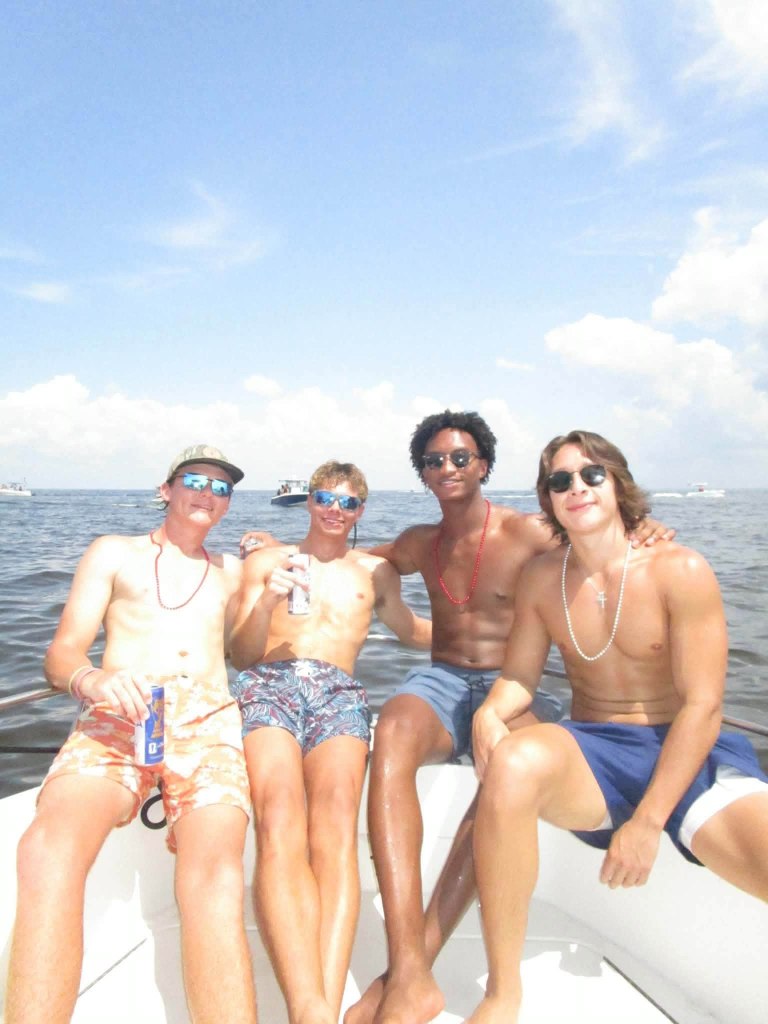
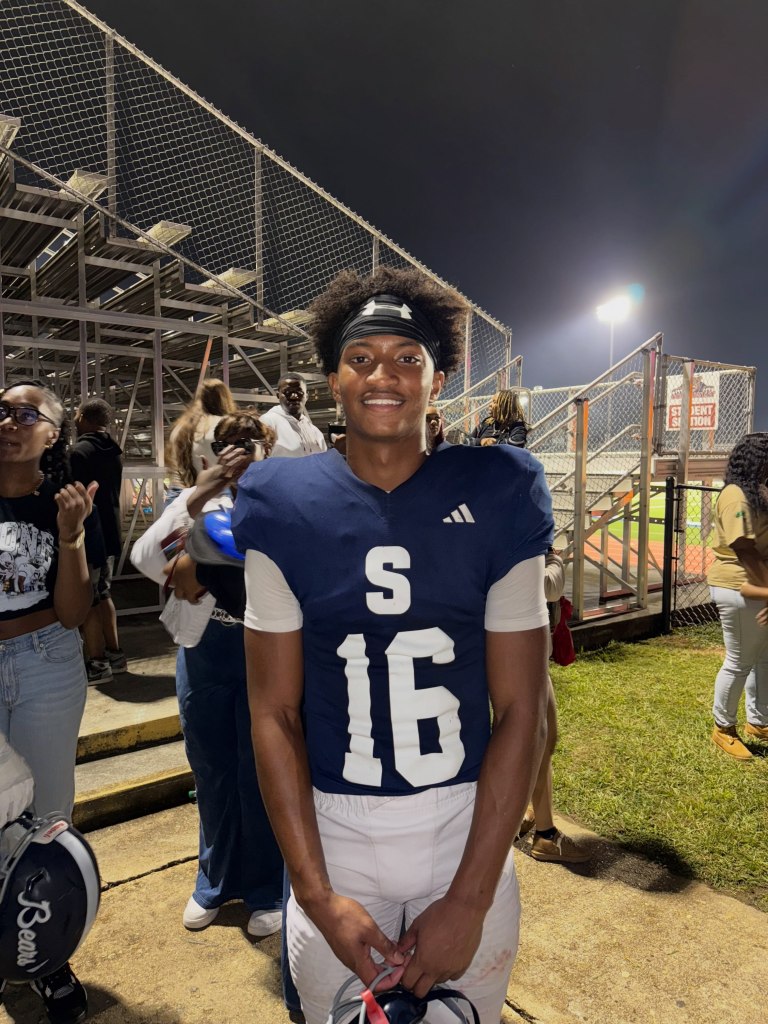
Dr. Priya Banerjee, a board-certified forensic pathologist with no connection to the case, said the three-page state report on Wells, 18, never once mentioned his sphenoid sinus — the skull-base cavity where fluid often pools in drowning victims. The Mississippi State Medical Examiner had listed cause and manner of death as undetermined for the Southwest Mississippi Community College football player, whose body was found two days after he vanished from a July 4 boat trip to Horn Island.
“The pathologist did not check the sphenoid sinus. It’s not even mentioned,” Banerjee said.
“In a case like this … I was shocked to see how limited in scope it is, and then she [the examiner] doesn’t check the sphenoid.”
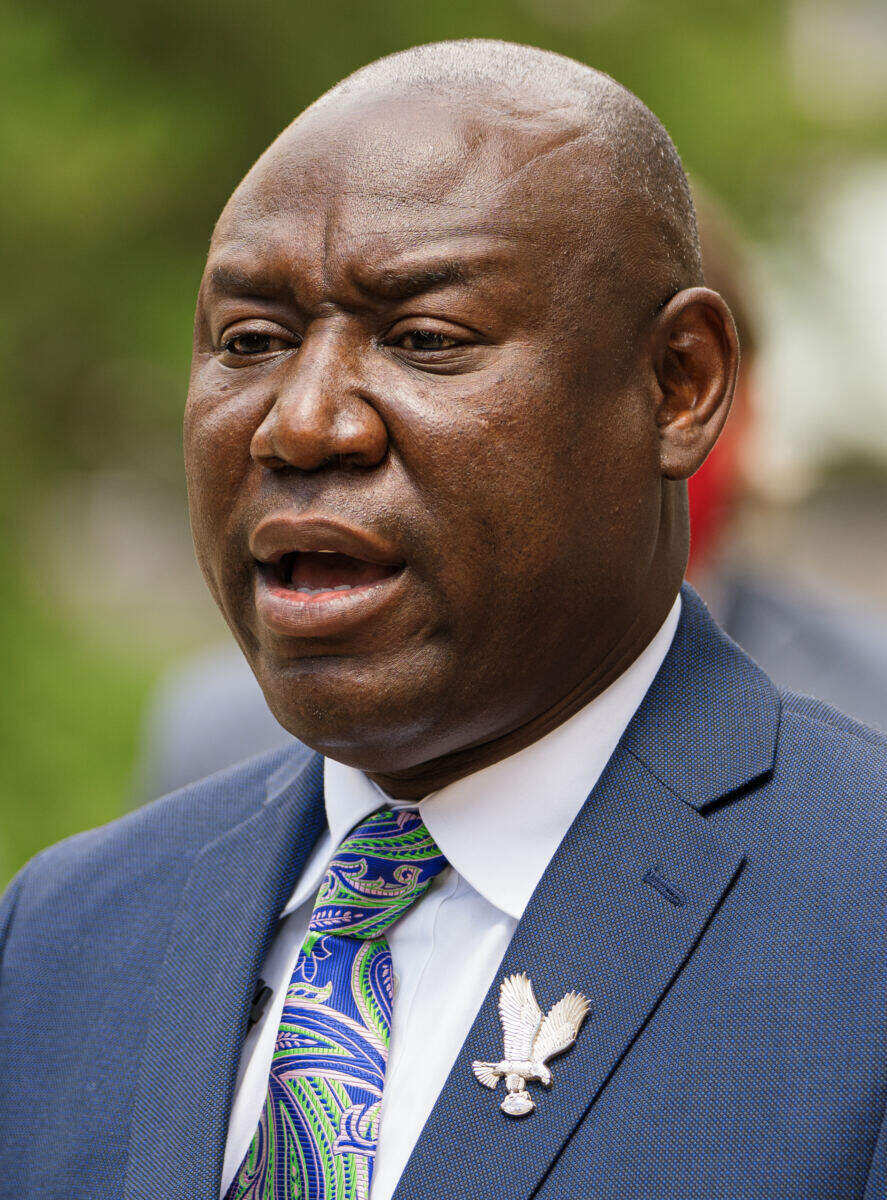
The sphenoid sinuses, located at the base of the skull, can hold fluid just as the stomach, lungs and airways do in suspected drownings, Banerjee explained. Yet the state autopsy found no fluid in Wells’ airways or stomach, a gap that drew sharp questioning from family attorney Ben Crump during a press conference Thursday when the report was released.
“Places you can find water in the body that we look for with drowning are sphenoid sinus, lungs and stomach,” Banerjee said. “That doesn’t mean all three need to be there to make that diagnosis.”
“You have to swallow water to get in your stomach,” she said. “You have to aspirate it to get it into your lungs and you have to breathe it in through your nose to get it into the sinus.”
Banerjee believes fluid was likely present in Wells’ lungs despite the official findings, pointing to elevated lung weights that exceeded normal levels. “Those lung weights aren’t the heaviest I’ve ever seen but they’re still heavier than normal. And in the setting of decomposition, they do probably have fluid in them, which is water consistent with drowning,” she added.
The undetermined state findings matched those of an independent autopsy commissioned by Wells’ family, fueling months of public suspicion and allegations that went before a Jackson County grand jury. That panel, which released its report Friday, concluded Wells’ death was “consistent with drowning” and found no foul play.
Banerjee agreed with the drowning diagnosis based on what the state report did contain: no other major traumas that would suggest violence. Wells had unexplained bruising on the back of his head, but the grand jury determined this was non-lethal and possibly occurred when a witness saw him “awkwardly” slip off a boat that afternoon. The witness, testifying under oath, could not confirm whether the teen struck his head; Wells continued socializing afterward and showed no sign of injury.
“I don’t see any other blunt trauma to the rest of the body, like he was bashed in the back, kicked, stomped, anything like that,” Banerjee explained.
“The most important thing is the body had to be in water, which we know he was. He was found floating face-down,” she said.
Dr. Mary Jumbelic, a board-certified forensic pathologist and former Chief Medical Examiner of Onondaga County, New York, previously told The Post that the absence of water could indicate “dry drowning,” where airway spasms seal before significant inhalation occurs. “Now, with that in mind, if you’ve done all these things and you don’t find water in the lungs and stomach, there’s something called a dry drowning, and that just means that you don’t get a lot of water in your lungs because you almost have an asphyxial process in your upper airway before you’ve breathed in a lot of water,” she said.
Toxicology results showed Wells was “presumptive positive” for nicotine, caffeine and alcohol, though Banerjee cautioned that decomposition itself can skew such findings. “As the body is decomposing, what does bacteria do? They create alcohol just like we do for drinking purposes,” she said.
District Attorney Angel Myers McIlrath pushed back Monday against persistent public theories in a video statement, declaring: “There is absolutely no evidence to support the allegations that Nolan’s death and disappearance were racially motivated.” The grand jury report similarly found no evidence that anyone on the Horn Island boat trip engaged in criminal conduct leading to the teen’s death.
Banerjee, who reviewed only the autopsy document and not the full grand jury evidence, said the panel’s broader view carried weight. “The grand jury had a much more holistic view of the case, many, many more facts,” she said. “But the fact that they came back with drowning and didn’t charge anybody, I’m just going to have to believe that that conclusion is fair. I don’t know.”
“There is no A equals B for drowning,” Banerjee added, contrasting the diagnostic challenge with more straightforward causes. “If there’s a gunshot wound to the head, there’s a gunshot wound to the head.”