

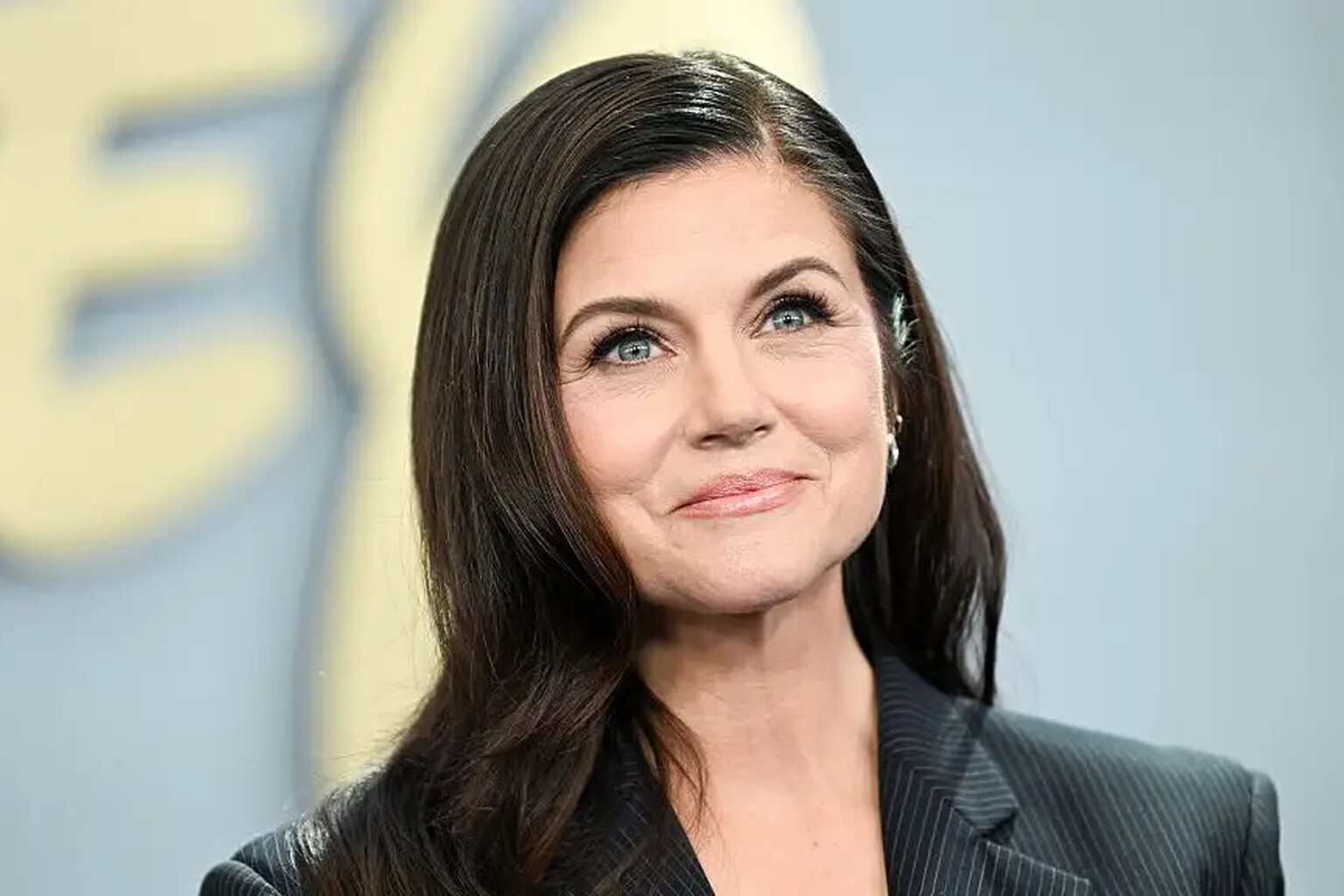
Tiffani Thiessen says her “Saved by the Bell” residual checks have effectively stopped coming altogether.
The actress, 50, who played Kelly Kapowski on the NBC sitcom, made the admission during a Sept. 24 appearance on the outlet Radio. She starred alongside Mario Lopez, Mark-Paul Gosselaar, Elizabeth Berkley, Lark Voorhies and Dustin Diamond across the show’s four-season run from 1989 to 1993.
“I think it has dried out,” she said. “It’s like, negative now. It costs more to print the check.”
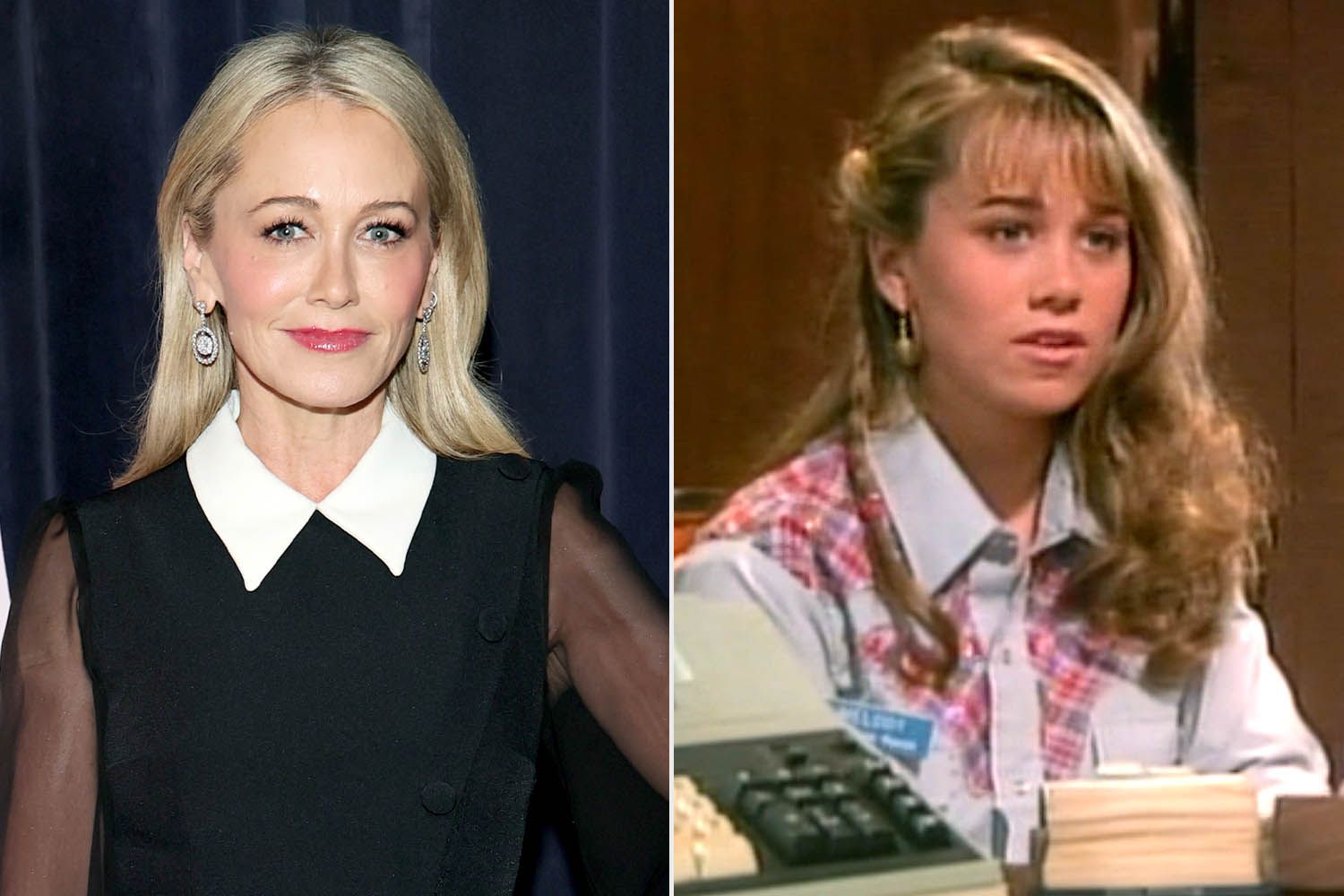
Thiessen was blunt about the cast’s lack of leverage during the show’s original run. “We didn’t have pull on that show at all,” she said. “We made nothing and we just did our job.” She acknowledged a slight pay bump when the series moved to primetime for one season, but said her real financial breakthrough came only after she exited the franchise. “I didn’t start making real money until I went to 90210,” she added, referring to her subsequent role on “Beverly Hills, 90210.”
The original “Saved by the Bell” later spawned the spin-off “Saved by the Bell: The College Years,” the follow-up “Saved by the Bell: Next Class,” and a two-season reboot that premiered on Peacock in 2020. Despite that enduring footprint and the franchise’s millions in revenue, Thiessen made clear the original cast never captured meaningful long-term upside from the hit series.
She is not the only 1990s sitcom star to raise an alarm about collapsing residual income. Jodie Sweetin, who played Stephanie Tanner for all eight seasons of “Full House,” told a similar story during an April appearance on the McBride Rewind podcast. Sweetin, 44, revealed she had recently received a residual check for a single cent.
“There’s no syndication anymore because it’s all in streaming,” she said. “Who gets paid for that? Nobody gets paid for that.”
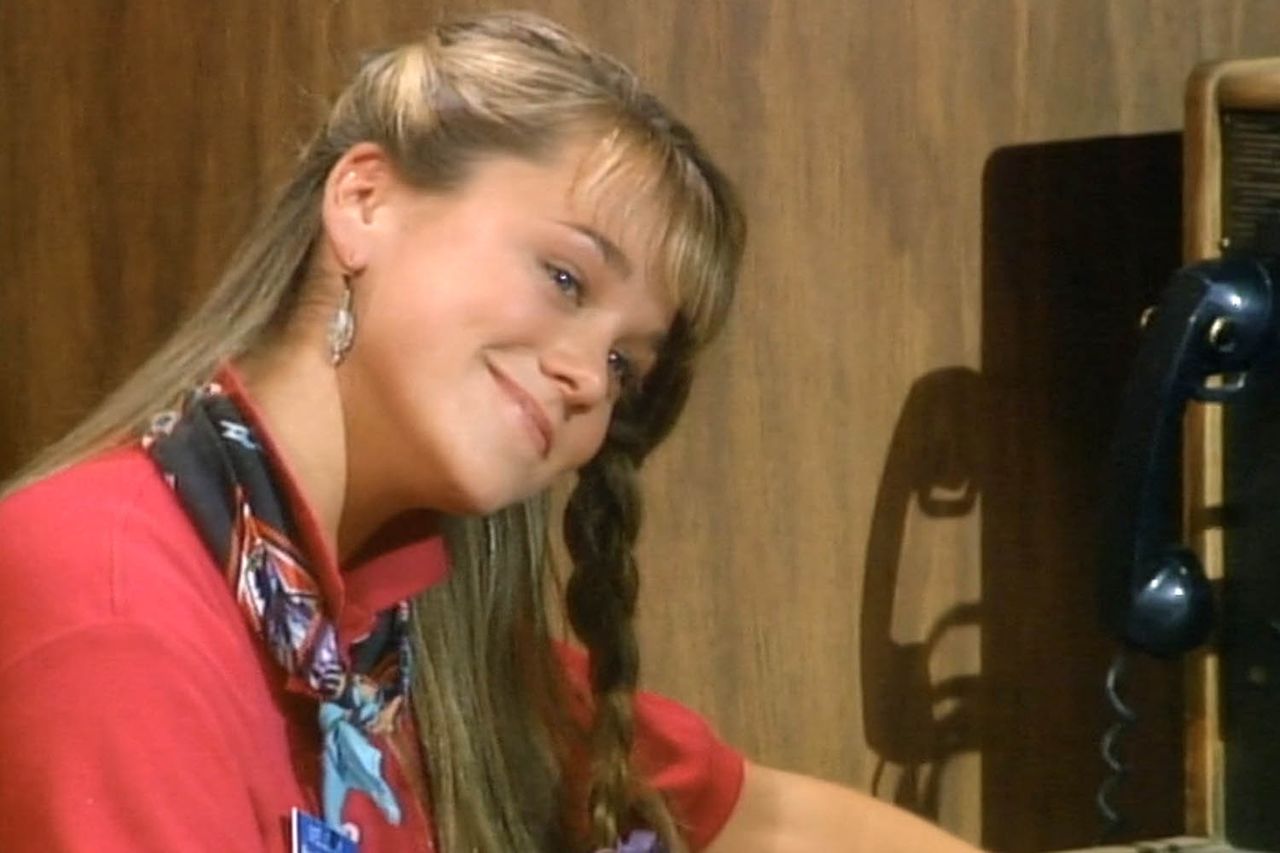
Sweetin explained that even during the cable era, her “Full House” payouts were unpredictable. “In my 20s, there would be money, but not reliable,” she said. “You don’t know how much it’s going to be or how often they’re going to run the show. So, sometimes you’re like, ‘Oh, cool. That was nice.’ Then sometimes you’re like, ‘All right, well, there’s a nice dinner out.'”
The actress emphasized that her time on one of television’s most recognizable family sitcoms has not translated into financial stability. “It’s not something you can rely on,” she said. “Honey, I drive my 2023 used Hyundai Sonata that I love. I rent my house. I have credit cards that are maxed out.”
Thiessen’s comments add to a growing pattern of performers from the pre-streaming era going public about how the shift away from traditional syndication has eroded a once-expected revenue stream. Where reruns on local stations and cable networks once generated steady checks, the fragmented economics of streaming platforms have left many veteran actors with little to show for shows that continue to draw audiences.
Thiessen launched her career with “Saved by the Bell” before transitioning to “Beverly Hills, 90210” as Valerie Malone from 1994 to 2000. She later starred in the USA Network series “White Collar” and has built a presence as a cookbook author and lifestyle personality.