

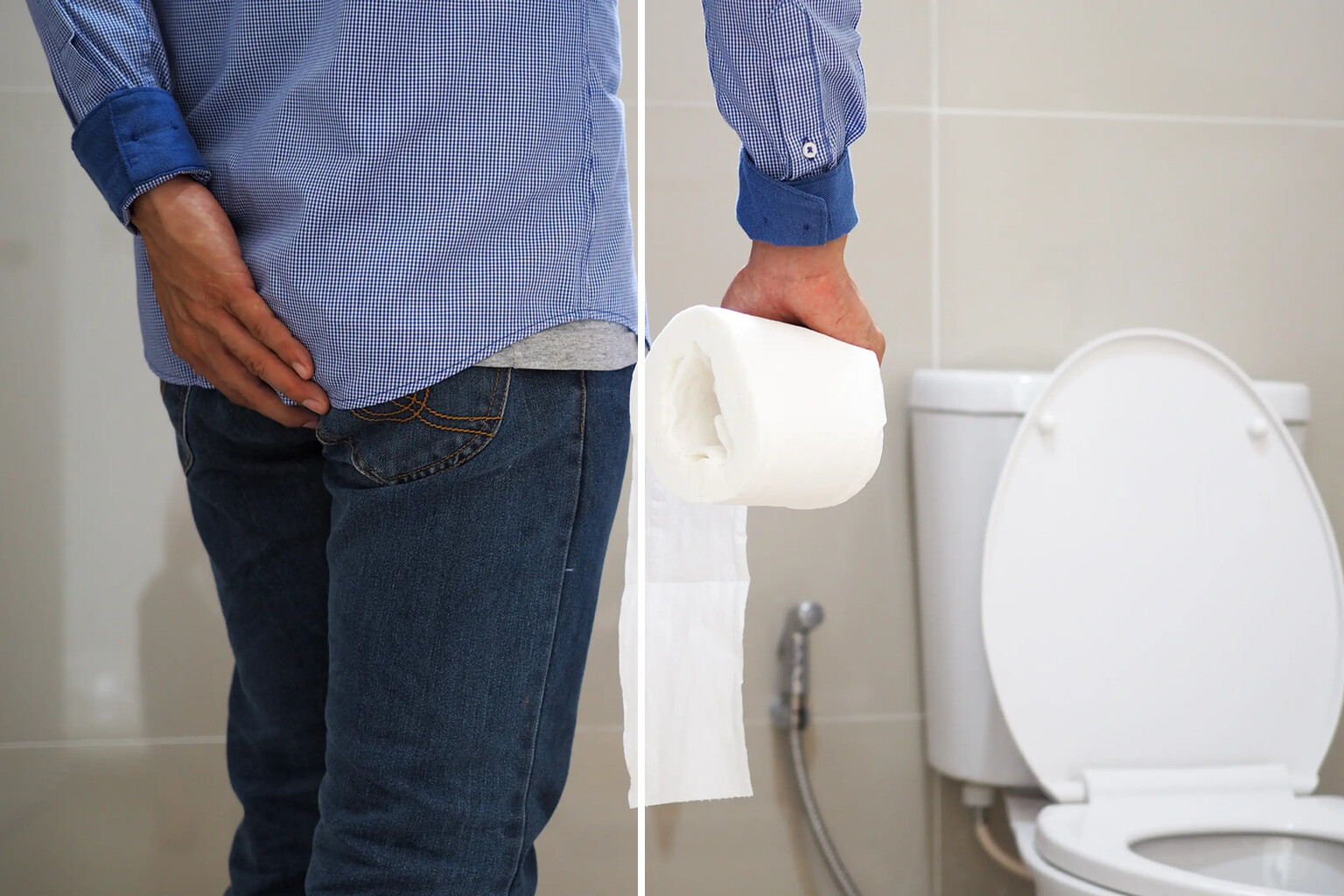
Olivia Howell is calling out a household habit she says has flown under the radar for generations.
The divorce expert and author, in a Substack essay titled “We Need to Talk About Weaponizing Pooping,” argues that men have long used extended bathroom breaks as a covert escape from domestic duties. Howell, who writes about family dynamics and relationships, published the piece to spotlight what she describes as a uniquely uninterruptible refuge.
“Weaponized pooping, whether intentional or unintentional, has been happening in homes since the beginning of time,” Howell wrote in the essay. She defines the behavior as retreating to the toilet not out of biological necessity but to dodge childcare, meal prep, and the endless logistics of running a household.

The bathroom’s power lies in its social inviolability, Howell contends. “The bathroom is different because you cannot reasonably deny another human being access to the toilet,” she wrote. “‘I have to go to the bathroom’ is one of the most powerful sentences available to a person who lives with other people.” She contrasted this with other potential hideouts: a basement husband can be summoned upstairs, a workout can be postponed, headphones can be removed. But a seated occupant? Off-limits.
Howell painted a vivid picture of what unfolds on the other side of that locked door. “Breakfast is still being made. Water bottles are being filled. Someone cannot find a shoe. Someone else has remembered, twelve minutes before the bus, that today is Crazy Hair Day,” she continued. “None of that labor disappears because one parent has to go potty.”
She estimated the average bathroom escape at 37 minutes, time she says is rarely scrutinized. While inside, she noted, occupants might be watching YouTube, scrolling Reddit, or otherwise leaning on smartphones for entertainment that previous generations lacked. Still, Howell allowed for genuine cases: “Or maybe, just maybe, he’s experiencing an intestinal crisis.”
The essay coined the bathroom as a “domestic escape hatch” with “unlimited plausible deniability.” Her framing struck a nerve online, drawing pushback from men who defended their stall time.
“Maybe they just want a moments peace?” one man wrote on X, formerly known as Twitter. Another fired back: “The only place we’re not judged for being on our phones.”
The debate touches on broader conversations about uneven household labor distribution, though Howell’s piece focused specifically on the tactical advantage she believes the bathroom provides. Her analysis centers on the gendered pattern she observes in divorce and family consulting work, where one partner’s repeated unavailability during high-stress morning or evening routines becomes a recurring friction point.
Medical perspectives on actual bathroom frequency surfaced alongside the debate. Malibu gastroenterologist Dr. Sabine Hazan said that “three times a day to three times a week is the broad normal range, but one to two solid poops per day seems tied to the healthiest gut microbiome and the fewest toxins in your blood.” Digestive health expert Dr. Jason Korenblit added that consistency matters more than hitting any specific number.
Howell’s core argument, however, is not about digestive health but about strategic absence. “A husband walks through the door as an active member of a family unit, shuts it behind him, and immediately becomes a private citizen,” she said, describing the psychological shift that occurs with that lock click. “While he is in there, the family keeps happening.”

The pushback from male readers underscores how personally the accusation landed. The defenders framed bathroom time as rare solitude in demanding households rather than evasion. Howell’s essay does not claim all extended bathroom use is calculated; she distinguishes between intentional and unintentional weaponization, and acknowledges individual variation in both family needs and bodily function.
The essay’s viral spread reflects its collision of relatable domestic grievance with a deliberately provocative headline term. Howell’s Substack platform, focused on divorce and modern family life, provided the venue for an argument that has since migrated to broader social media discussion.
Whether partners should monitor each other’s bathroom habits remains, as Howell’s piece implies, a matter of individual couple dynamics rather than prescriptive policy.