

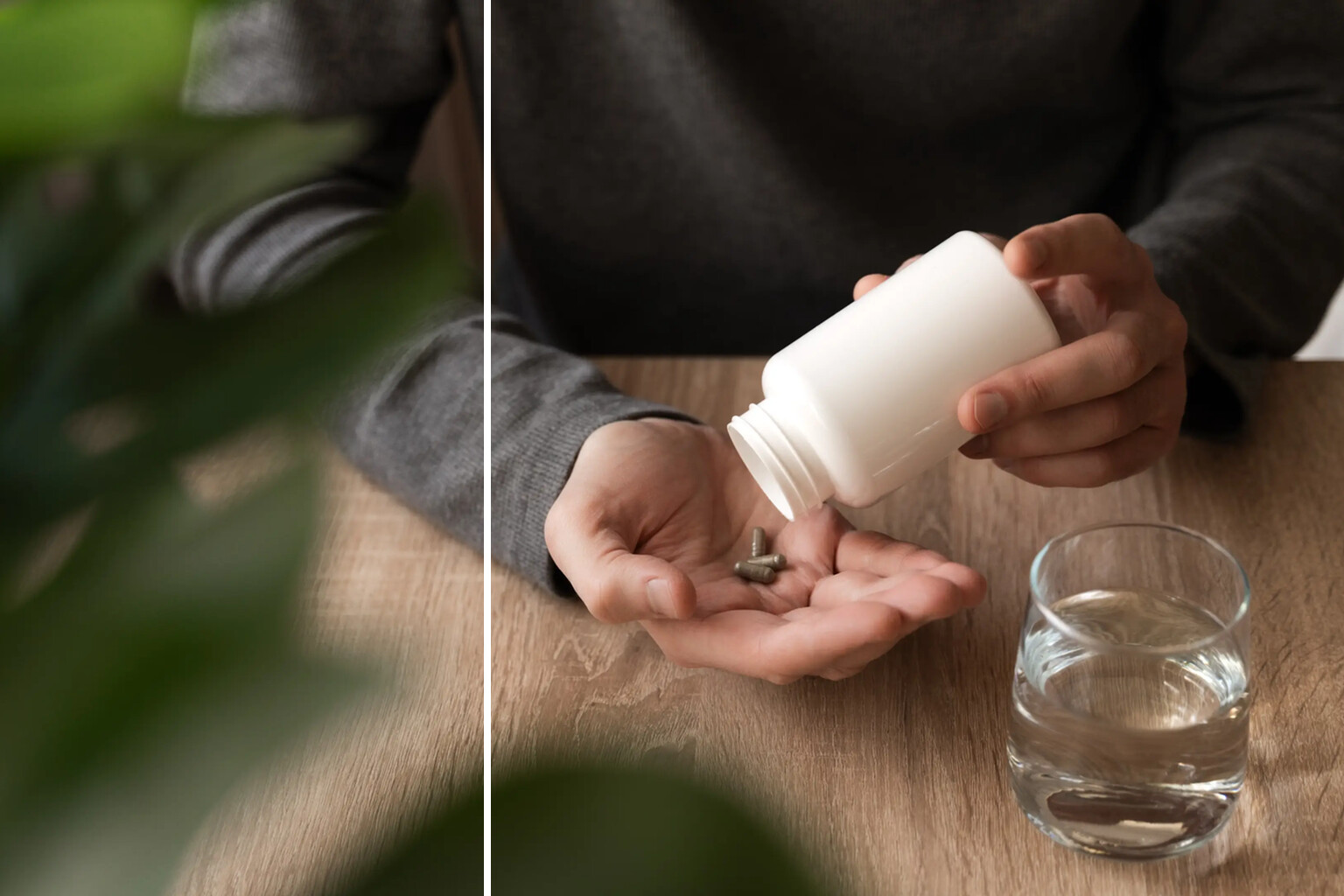
Susan Eppard is speaking out again about kratom after two University of Mississippi students were found dead with the herbal extract at their separate scenes.
Eppard, whose son Matthew Eller died in 2021 at age 22, told The US Sun in an exclusive interview that she wants families to recognize the warning signs she missed. Her campaign comes just as Oxford Police Department confirmed packaged kratom from an unnamed retailer turned up at both Ole Miss death scenes earlier this month, prompting Lafayette County Metro Narcotics to urge the community to exercise “an abundance of caution.”

The grieving mother described her son as “always, you know, like the center of attention” before the substance took hold. “Everybody joined around him when he’d walk in a room, just lighting up every room,” she added. Matthew had been “perfectly healthy,” she said, and his toxicology results showed he “died solely from the Toxic Effects of Mitragynine/ Kratom.”
Eppard believes Matthew began using kratom roughly two years before his death, initially treating it as a harmless coffee substitute. She discovered empty packets and suspected he was swapping his morning caffeine for the herbal extract, which is derived from a tropical evergreen tree native to Southeast Asia and sold legally in many convenience stores and gas stations across the country.
The financial toll mounted quickly. Matthew lost his car and could not pay his phone bill, draining his money to keep buying kratom. His physical appearance deteriorated too, Eppard recalled, with her son growing “quite emaciated” alongside becoming “very reclusive.”
“He started staying away from all his friends and family,” she said. “He loved his grandmother so much and he wouldn’t answer her phone calls.”
When Eppard confronted Matthew directly about drug use, he denied it and even offered to get tested. She noted he did not fit the stereotypical image of someone on drugs. The most striking behavioral change was his sleep patterns.
“He would sleep like he was in a coma,” Eppard explained. “I had to buy a sonic alarm clock to wake him up for work.”
The end came without warning. One day, Matthew was playing cards with his girlfriend when he “went into a violent seizure and collapsed on the floor.” He went into cardiac arrest and died. Eppard emphasized her son had never experienced a seizure before. His autopsy attributed the death to toxic effects of mitragynine, the primary alkaloid in kratom.
In a document filed with the Connecticut General Assembly, Eppard highlighted broader dangers beyond the acute toxicity that killed Matthew. She noted FDA laboratory testing of 30 kratom products found “significant levels of lead and nickel at concentrations that exceed safe exposure for oral daily drug intake.”
“Based on these test results, the typical long-term kratom user could potentially develop heavy metal poisoning, which could include nervous system or kidney damage, anemia, high blood pressure, and/or increased risk of certain cancers,” she wrote.
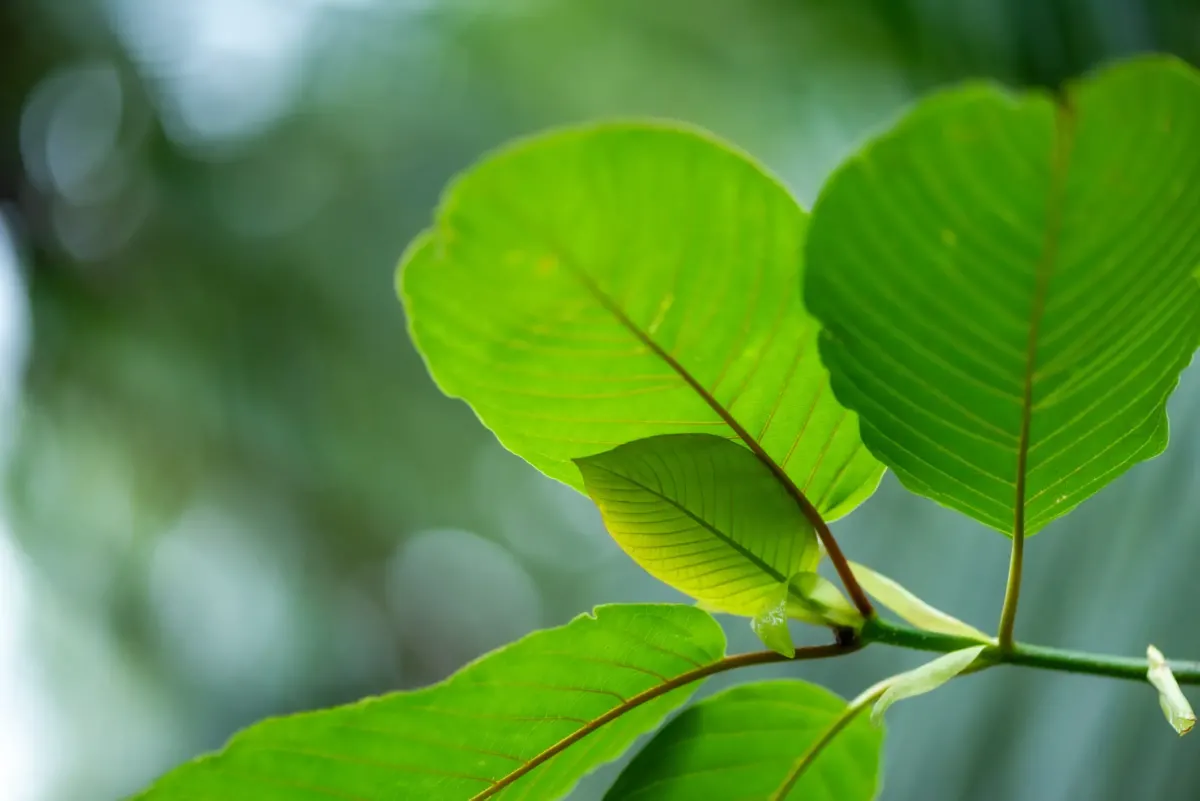
The Mayo Clinic states that at low doses, kratom acts as a stimulant, making users more alert and energetic, while higher doses produce sedative effects including pain reduction and calmness. The medical institution also warns the substance can trigger withdrawal symptoms parallel to opioid use, liver damage, salmonella poisoning, and death.
Eppard is now pushing for a federal ban on kratom, pointing to a critical gap in emergency response. “Narcan can be quite effective in reviving people from other drug overdoses; it doesn’t work to bring a person back to life from Kratom Toxicity because it’s a poisoning from the Kratom Plant,” she wrote in her legislative filing.
Her document continued: “Patients are failing to get much needed medical attention and treatment due to Kratom being deceptively marketed as a safe herbal supplement for pain, energy, insomnia, diabetes, ADHD, anxiety, depression, and alternative to other drugs,” She added that “Kratom has caused the deaths of far too many people due to the lack of proper medical treatment and/or therapy; either by suicide, Kratom mixed with other substances, or accidental poisonings from Kratom alone.”
The two Ole Miss student deaths have renewed national attention on the substance, though authorities have not confirmed kratom as a contributing factor in those cases. Eppard has specifically urged college students to avoid what she calls the “highly addictive” product now widely available at retail outlets.