

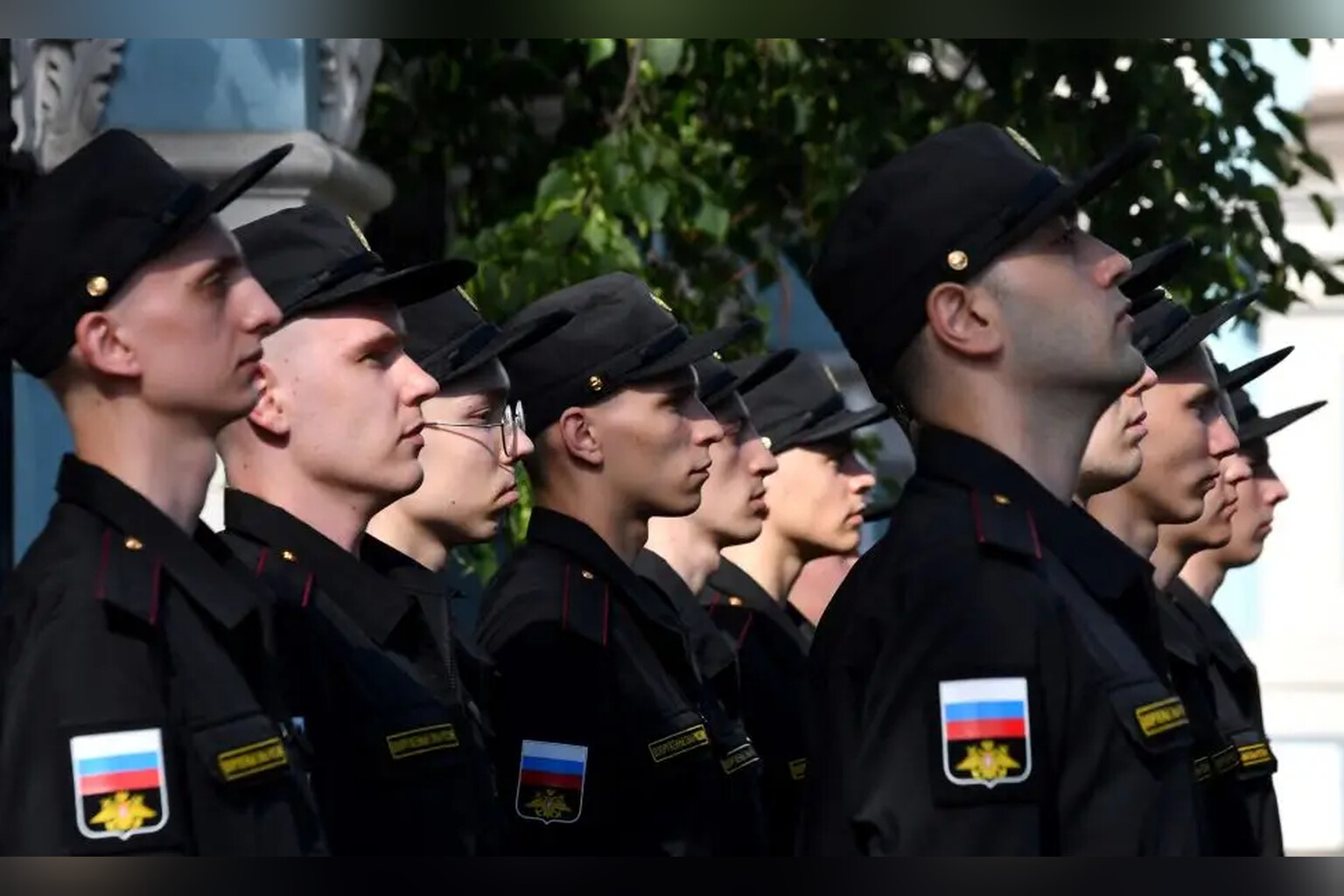
Russia is paying foreign agents roughly $24,000 for each American veteran they lure into fighting for Moscow’s forces in Ukraine, according to Ukrainian officials tracking the recruitment pipeline.
Vitaliy Matvienko, 41, who heads a Ukrainian state project on Russian surrenders, told The Post that the scheme has become “an entire industry and is very profitable,” He said Russia suffers 30,000–40,000 casualties every month and can no longer cover its losses through domestic recruitment alone.
“They recruit foreigners, send them to war, and when they are killed, their deaths do not create any negative reaction in Russian society,” Matvienko said. “In most cases, the families of killed foreign recruits do not receive the compensation they are supposed to receive.”
The financial incentives for recruiters extend beyond the upfront payment. Agents also receive a cut of their recruits’ Russian army salary, creating a sustained profit motive as the recruited soldiers remain in service. The total package far exceeds what American recruits receive from their own military, where the U.S. Army offers a $26,000 signing bonus and approximately $2,000 per month in base pay.
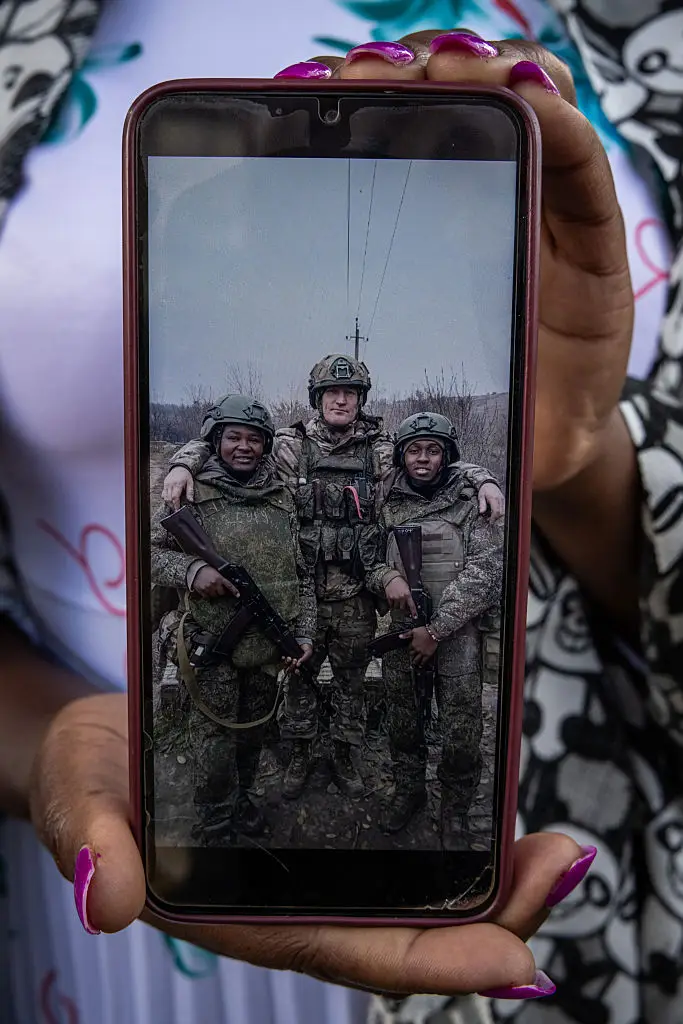
Ukrainian estimates place the number of foreign fighters serving Putin at roughly 29,000, drawn from 135 different countries. The nationalities include North Koreans, Indians, citizens of several African nations, and Britons alongside Americans. Many of these non-Russian troops are deployed in deadly wave attacks against Ukrainian positions, functioning essentially as expendable frontline units whose deaths generate little political cost for the Kremlin.
The recruitment infrastructure operates globally through social media platforms. Agents deploy Facebook ads, TikTok content, and Telegram channels to identify and approach potential recruits. Their targeting focuses on individuals vulnerable to ideological appeals, financial distress, or mental health struggles.
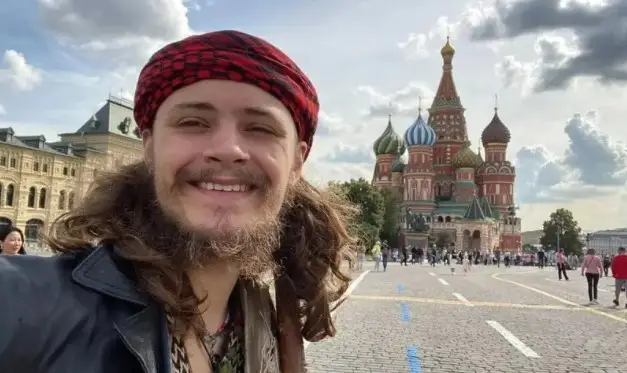
The most prominent American case involves Michael Gloss, 21, whose father was a U.S. Navy veteran and whose mother, Juliane Gallina, served as CIA deputy director for digital innovation. Gloss went “off grid” before joining Russian forces, and his family believed he had been struggling with his mental health.
He was photographed in military fatigues alongside Russian troops, images that shocked his family. Gloss died in 2024 while assisting a wounded Russian soldier during an artillery strike on his position in Donetsk, according to his father, Larry Gloss.
The Kremlin treated Gloss’s death with unusual ceremony. Putin personally handed a medal to U.S. Special Envoy Steve Witkoff, instructing him to deliver it to Gloss’s parents in recognition of their son’s service.
Matvienko described Russia’s treatment of American recruits as “very strange, almost psychedelic.”
“When an American suddenly ends up fighting on Russia’s side, it becomes an almost sacred event for Russian propaganda,” he said. “Their opinions are presented as extremely important. They are invited onto television, featured in reports, interviewed, and taken around Russian media outlets and public events.”
“Russian propaganda presents them as proof that ‘people in the West understand what is really going on,’ or that ‘ordinary Americans support Russia’,” Matvienko added.
Reports said that at least 18 former U.S. Service members have been successfully recruited into Russia’s full-scale invasion, which has produced over 1.5 million Russian casualties since it began. The actual number of American recruits may be higher, as tracking relies partly on self-reporting, social media activity, and battlefield identification.
Russia’s reliance on foreign cannon fodder reflects a broader desperation in its military strategy. With monthly casualty rates in the tens of thousands, the Kremlin has turned to international recruitment to sustain its offensive operations without triggering domestic backlash from Russian families. Foreign fighters who die in combat produce no political pressure on the government, and their families often lack the leverage or knowledge to claim promised compensation.
The recruitment of former American troops carries additional propaganda value beyond mere manpower. Each U.S. Veteran who appears in Russian media serves as a tool for undermining Western solidarity with Ukraine and suggesting that American citizens reject their own government’s foreign policy.
Matvienko’s project focuses on encouraging Russian surrenders, but the data his team collects has illuminated the scale and mechanics of Moscow’s foreign recruitment apparatus. The operation functions as a decentralized network rather than a centralized program, with individual agents operating across multiple continents and platforms to identify, contact, and transport recruits into Russian military service.
Gloss’s parents were contacted via email for comment on the broader recruitment issue.