

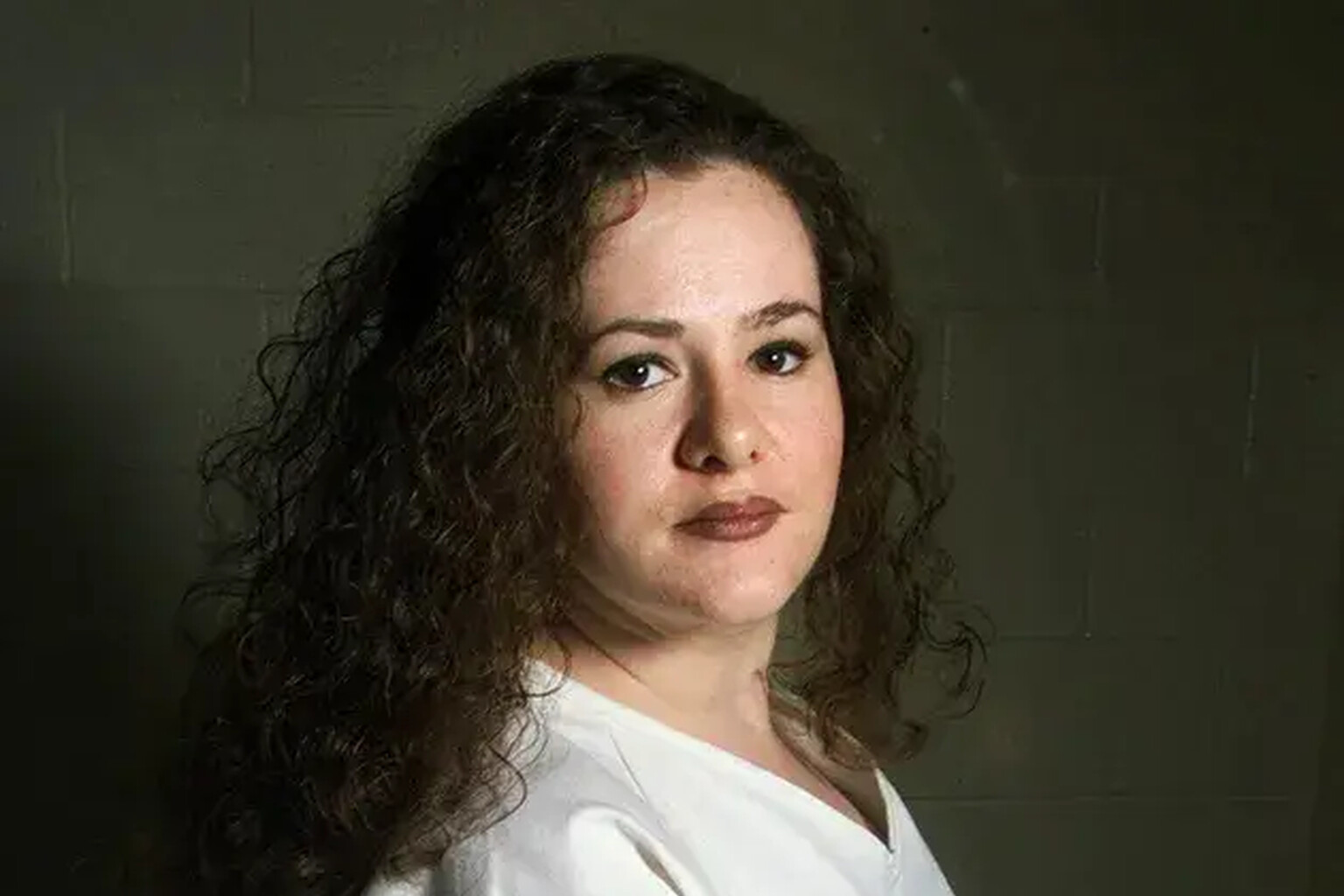
Witnesses who watched Christa Pike’s botched execution have described prolonged agony inside the Tennessee death chamber after two doses of lethal drugs failed to kill her.
Pike, 49, spent three decades on death row before the state attempted to execute her on September 30 at the Riverbend Maximum Security Institution in Nashville. Her attorneys had won an eleventh-hour stay from a federal appeals court, but the U.S. Supreme Court lifted that halt roughly an hour before the scheduled procedure and cleared the way for the injection to proceed.
What followed stunned the assembled observers. WPLN reporter Catherine Sweeney, who witnessed the execution, wrote: “They went through two rounds and she was still breathing at the end. It was very ragged. She lifted her head up and she was looking around at one point.”
“She said that there was a spot burning and hurting and asked if that was normal,” Sweeney continued. “None of it was normal.”
WKRN anchor Tori Gessner, also present in the witness gallery, offered a detailed chronology of Pike’s deteriorating but persistent vital signs. “When the curtains were open she was kind of inconsistently going in and out of snores and silence,” Gessner said in a CNN report.
“When the curtains closed one final time at 8:05pm we could consistently hear her snoring, and it kind of developed into a snore/squeak. Even at 8:53pm when the microphone was cut off, we could still hear snoring.”
The microphone cutout came nearly an hour after the final curtain closure, at which point witnesses were ordered to leave the gallery without confirmation of Pike’s fate. Local TV producer John North, another observer, voiced the group’s collective uncertainty in remarks to NBC News.
“We have a lot of questions about what we saw and what we did not see, because there were moments when the blinds were down for us, and there were moments when the blinds were up for us,” North said. “It appears that this did not go like they thought it was supposed to go, but we don’t know that.”
“When we left the building, so far as we knew, she was probably still alive — you just saw the emergency vehicles pull up,” he added. “We don’t know her status.”
Pike’s attorneys later confirmed she had survived and was hospitalized receiving life-saving medical intervention. The precise reason the two syringes of pentobarbital failed to cause death remains undetermined.
The botched procedure drew immediate condemnation from death penalty opponents. Abraham Bonowitz, Co-Founder of Death Penalty Action, fired back at the Tennessee Department of Correction in a statement: “The incompetence of the Tennessee DOC sets the bar at the lowest level tonight. There are no other words. This is an outrage. How do they sleep at night?”
Tennessee officials defended their conduct throughout. Department spokesperson Dorinda Carter insisted the agency “followed every step of the State’s lawful, established execution protocol approved by the Attorney General’s Office,” Carter added: “The lethal injection chemical in the protocol has consistently been effective, and the protocol does not allow for additional procedures beyond what was carried out this evening. Christa Pike has been transported to an off-site medical facility.”
Governor Bill Lee has ordered an investigation into the failure. The probe will examine why a drug the state claims has consistently worked instead left Pike conscious, vocal, and breathing for nearly an hour after administration.
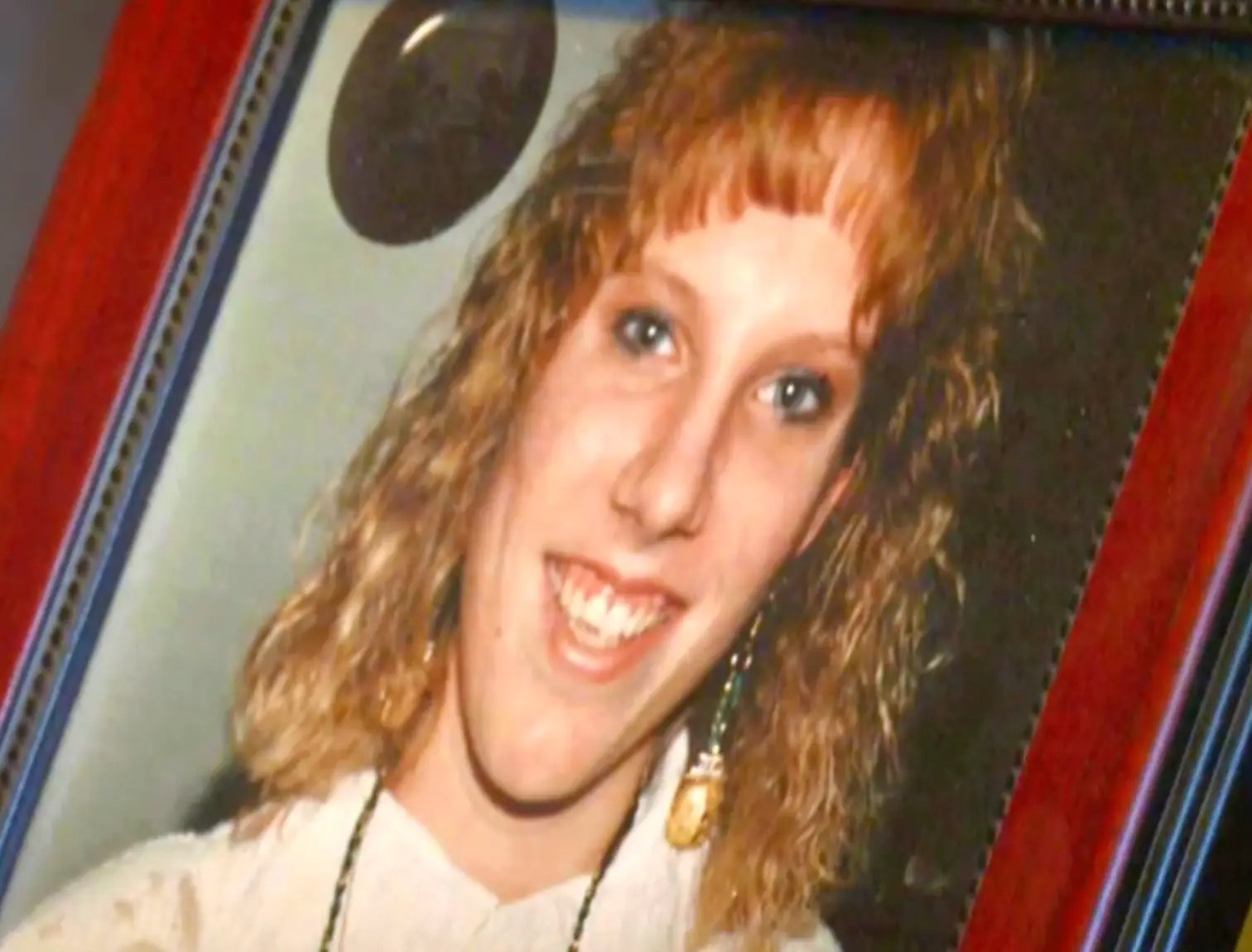
Pike was sentenced to death for the 1995 torture-murder of Colleen Slemmer, a fellow Job Corps student in Knoxville. Then 18, Pike and an accomplice lured the 19-year-old victim to a remote spot, where they beat her with a asphalt chunk and a box cutter over approximately 30 minutes before Pike fatally bludgeoned her with a chunk of asphalt. Pike kept a piece of Slemmer’s skull as a trophy. The case made her the youngest woman on American death row at the time.
Pike’s legal team is now filing emergency motions in the wake of her survival.