

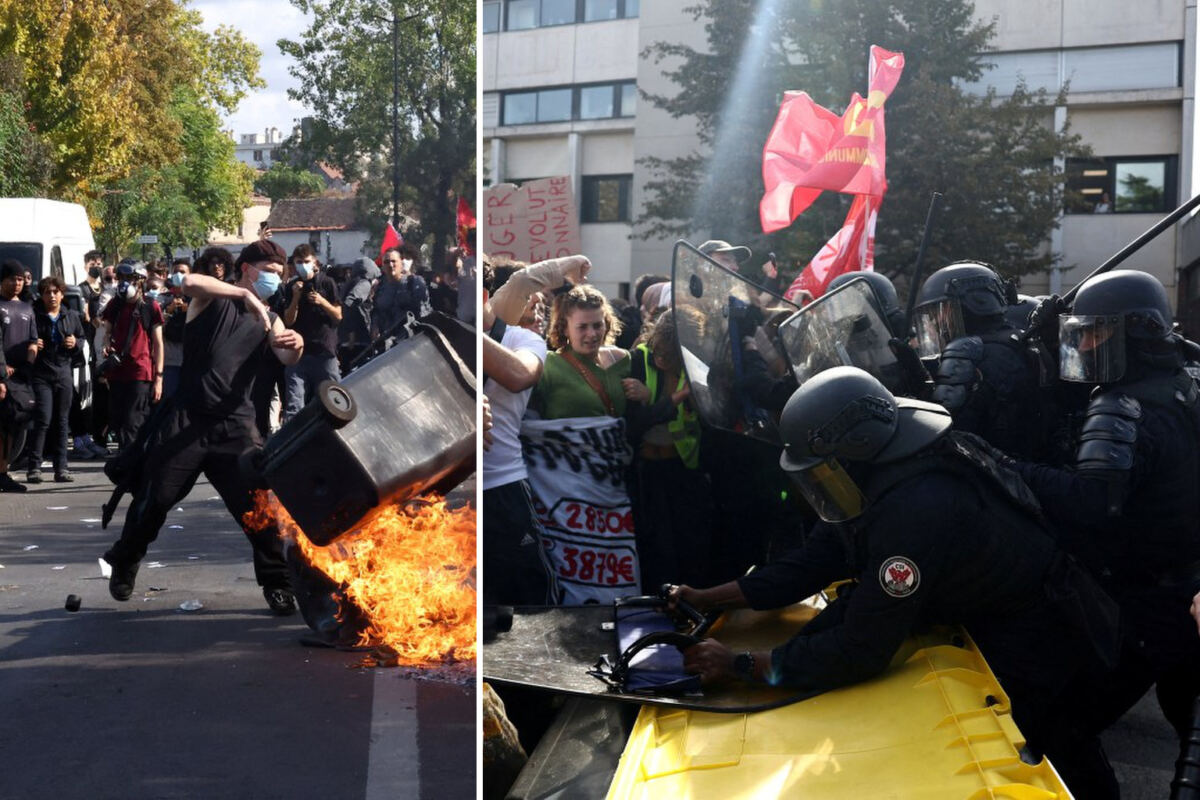
Prime Minister Sebastien Lecornu called a crisis meeting Thursday after protesters doused a headteacher in gasoline and torched a fire truck during escalating student demonstrations across France.
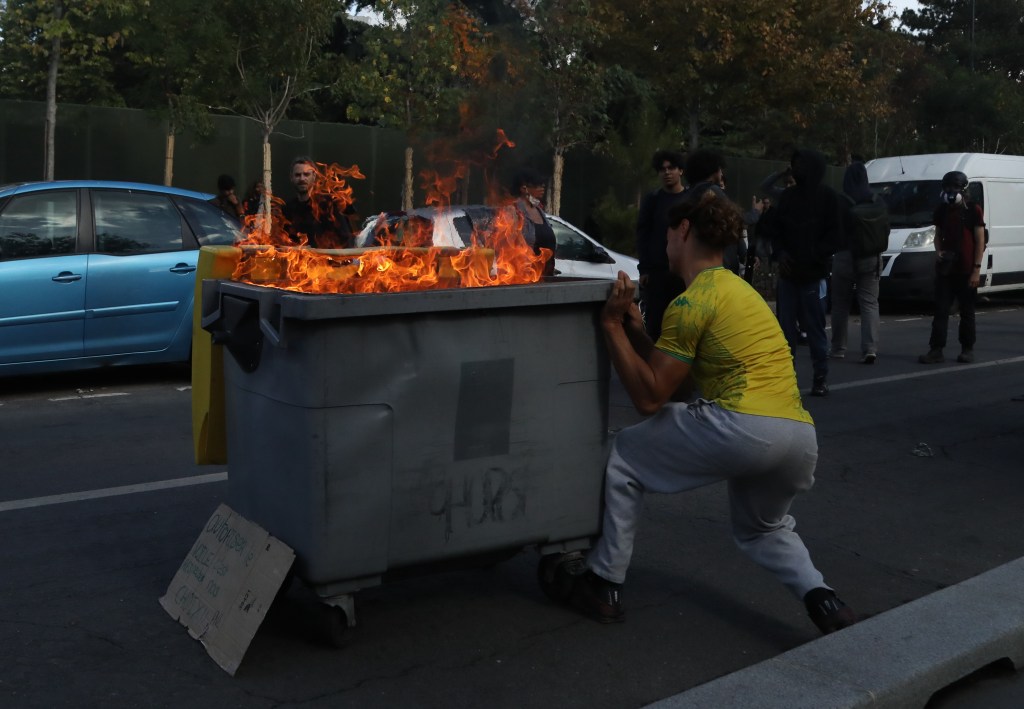
The violence erupted in Marseille, where hundreds of young people surrounded a fire truck that had arrived to extinguish a blaze at Saint-Exupery high school in the morning, police said. The attackers forced the firefighters to abandon the vehicle, then set it alight.
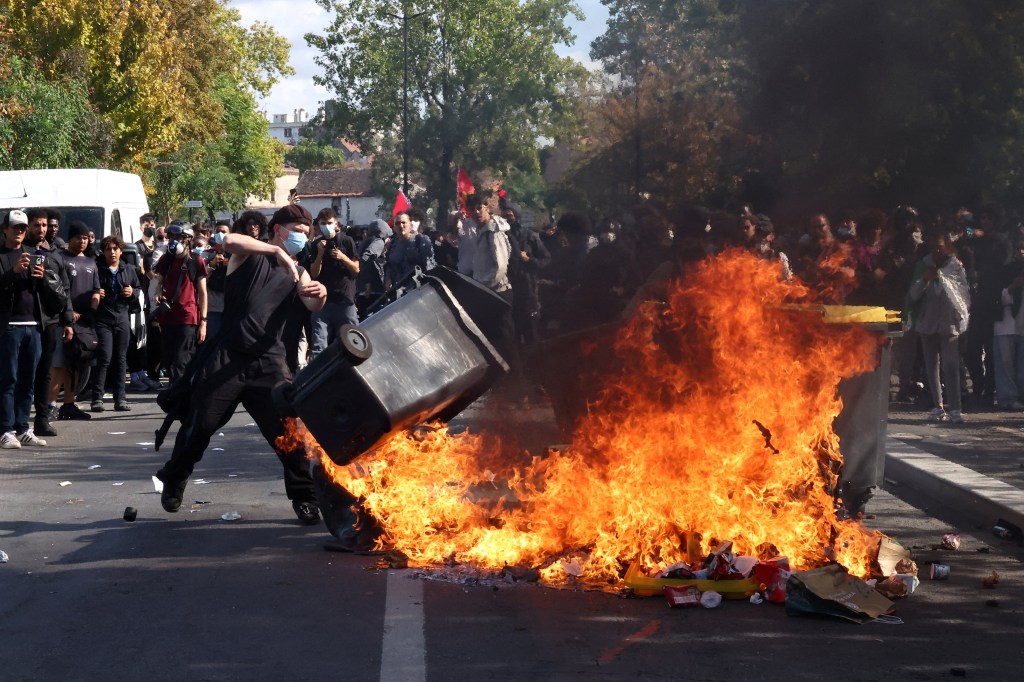
At Victor Hugo high school in the same southern city, attackers doused the headteacher in gasoline, leaving the educator injured, the prosecutor’s office said without elaborating. Another fire hit Nelson Mandela high school in the western city of Nantes, fire crews reported.
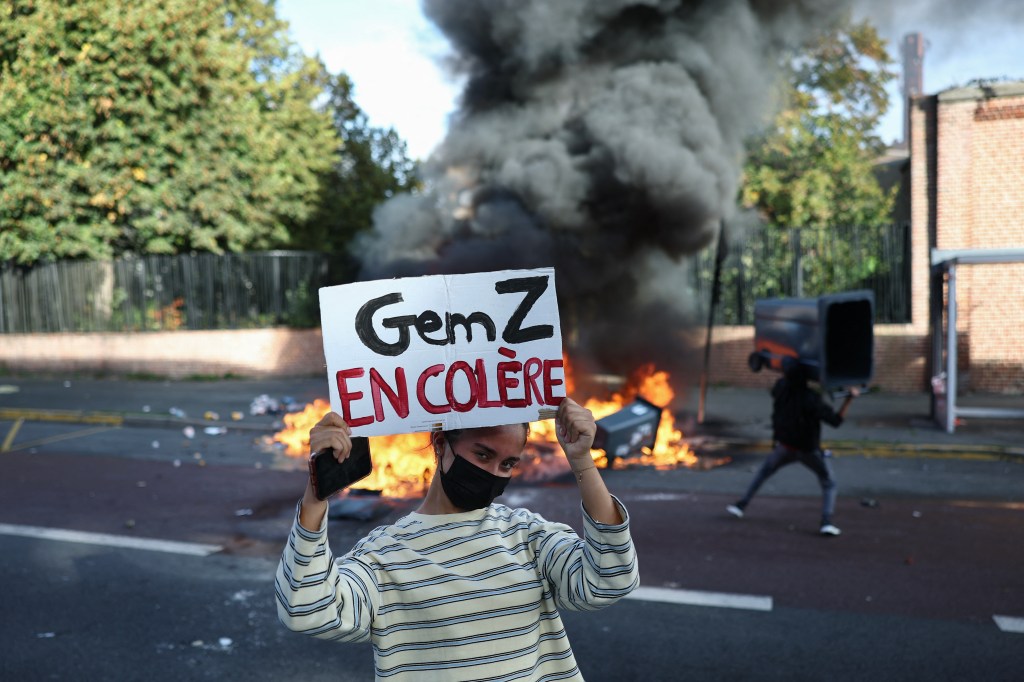
The demonstrations and blockades, which began last week, have surged into a political flashpoint as the government announced deeply unpopular spending cuts in its 2027 budget on Thursday. Dozens have been injured in the unrest, and hundreds have been arrested, most of them teenagers, officials said.
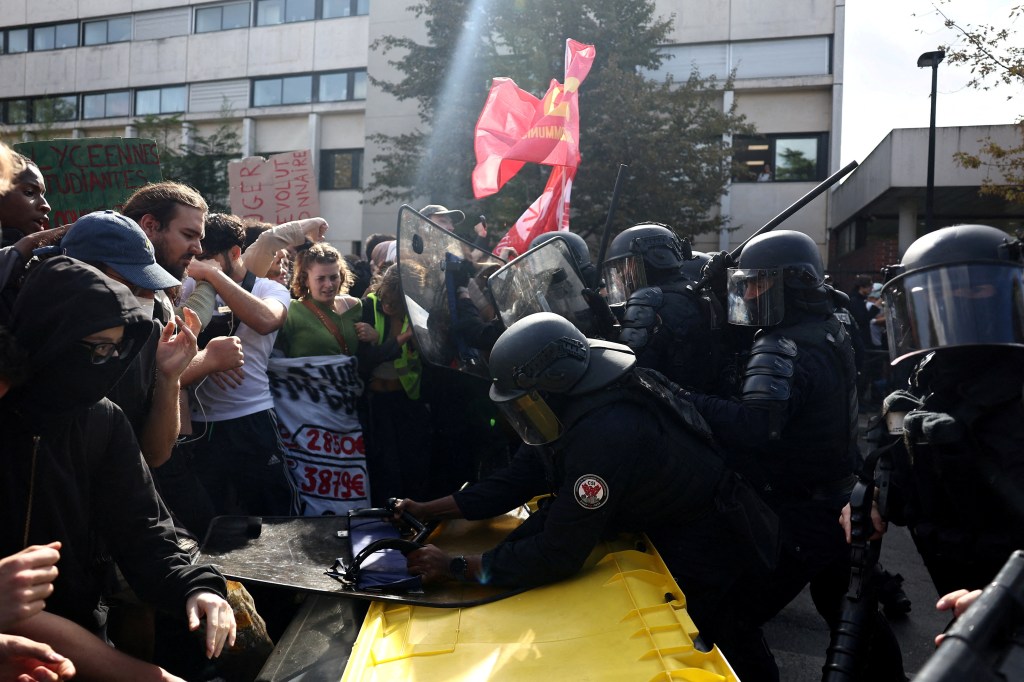
In the Parisian suburb of Saint-Denis, crowds of young people massed before a police line. One demonstrator held a sign reading: “Can we explain ourselves without being tear-gassed?”
Students have accused police of heavy-handed tactics, including tear gas deployment. The government has criticized the violence while acknowledging that difficulties in high schools should be addressed.
Interior Minister Laurent Nunez said troublemakers were moving from school to school to incite violence. Education Minister Edouard Geffray called for remote classes if protesters blocked premises.
“Violence will not keep our students from their fundamental right to an education,” Geffray wrote in a post on social media platform X.
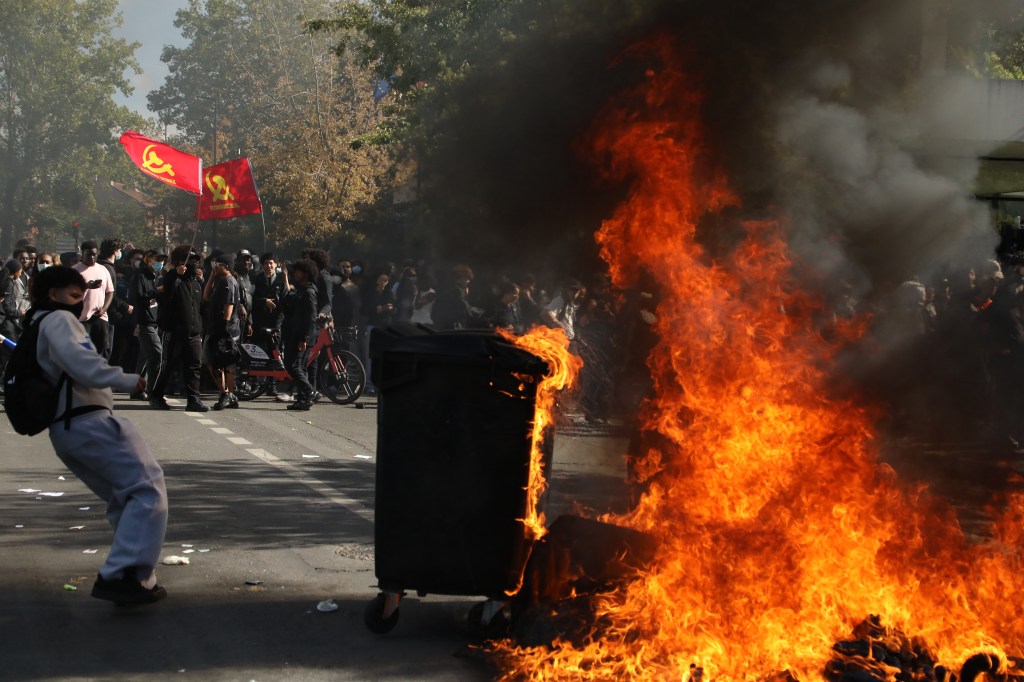
In Nantes, Olivier Chateau, a deputy to the mayor, told broadcaster franceinfo that the Nelson Mandela high school fire was under control and that no injuries had occurred. People inside the building were evacuated, and arriving students were turned away, he said. The mayor’s office declined further comment.
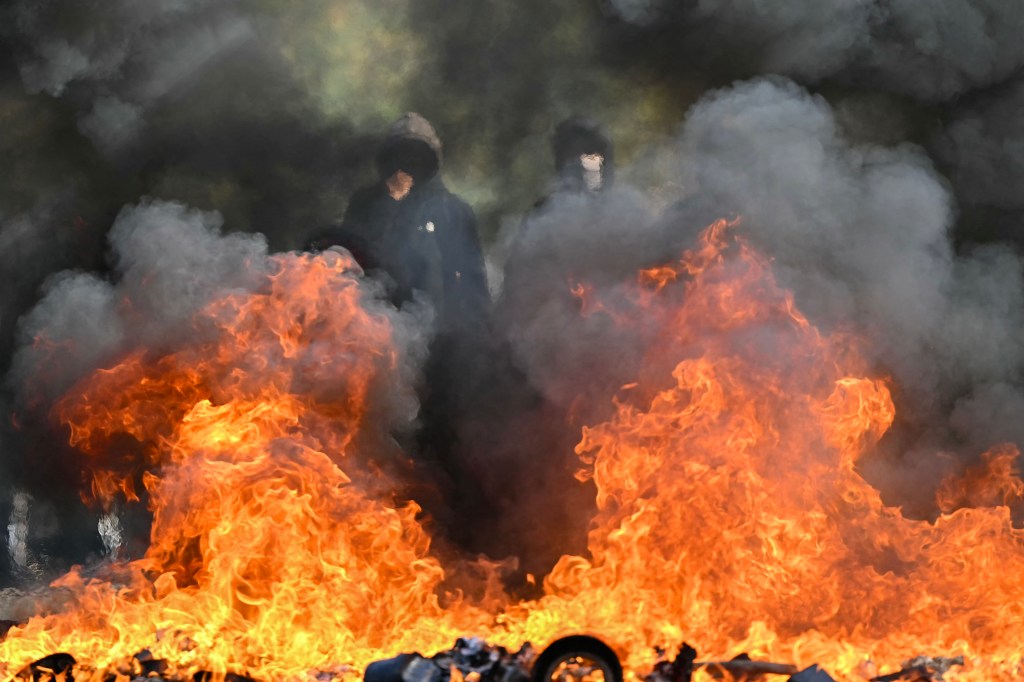
The protests center on staff shortages and dilapidated school buildings, grievances that have fueled increasingly confrontational actions since demonstrations began last week.
The timing complicates matters for a government already facing public anger over austerity measures. Thursday’s budget announcement landed in the middle of the unrest, amplifying tensions around education funding.
Geffray’s push for remote instruction represents an attempt to keep schools functioning despite the blockades. His stance drew a sharp line between protecting educational access and conceding ground to disruptive tactics.
The Marseille fire truck attack marked a particularly brazen escalation, targeting emergency responders directly and destroying public safety equipment. The gasoline attack on the Victor Hugo headteacher raised the stakes further, moving from property damage to personal assault on school staff.
Nunez’s assessment of roving agitators suggested authorities view some violence as externally orchestrated rather than spontaneously emerging from student grievances. That framing could shape the government’s response as it weighs tougher security measures against political concessions.
Chateau’s account from Nantes offered a comparatively contained scene, with successful evacuation and no casualties, though the disruption to the school day remained significant.
The Saint-Denis sign captured a central tension in the conflict: students demanding dialogue while facing forceful crowd control. Whether that dynamic shifts depends on whether Lecornu’s crisis meeting produces policy movement or harder security lines.
The government has scheduled further budget debates as the protest movement continues.