


Christa Pike’s attorneys revealed she likely got her all-female execution team wish before the procedure went catastrophically wrong.
The Tennessee death row inmate’s legal team held a Zoom press conference Thursday afternoon, with lawyer Randy Spivey confirming what he observed inside the death chamber. Pike, 49, had long requested that only women participate in her execution, arguing that being put to death by a man would be too traumatizing.
“What I saw was consistent with that,” Spivey said in response to a participant’s question about the team’s composition.

The all-female detail spent roughly an hour struggling to establish two functional IV lines for the lethal drugs, Spivey reported. The prolonged failure marked the first time in recorded history that a condemned inmate has survived a lethal injection procedure.
Stephen Ferrell, another member of Pike’s legal team, offered a disturbing theory about where the chemicals actually went. The drugs may have been injected into Pike’s arm muscle rather than reaching a vein at all, he said.
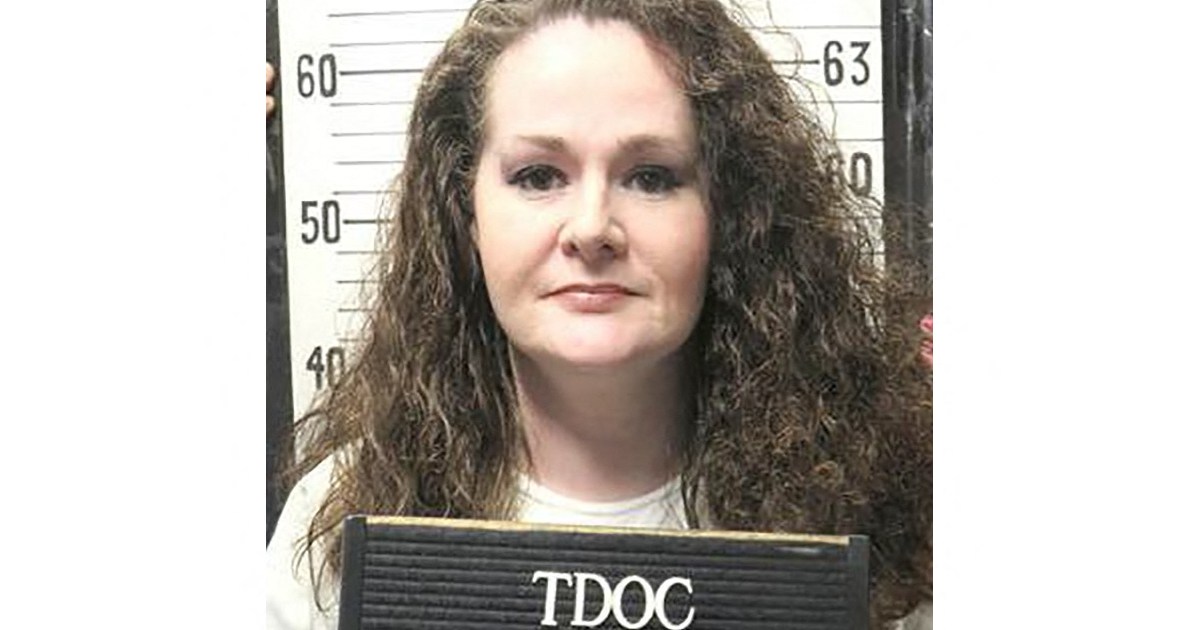
That explanation “sounded to me very consistent with what our medical experts predicted was likely to happen,” Ferrell said, based on Pike’s known medical conditions that included blown veins.
The botched execution has thrown Tennessee’s capital punishment system into turmoil and prompted Governor Bill Lee to halt all scheduled executions pending a comprehensive review. Pike was transported to a hospital for evaluation following the failed procedure, and her attorneys now suggest she may have sustained brain injury from the ordeal.
Pike was convicted of the 1995 torture and murder of Colleen Slemmer, a fellow Job Corps student in Knoxville. She was 18 at the time of the killing, which prosecutors said stemmed from jealousy over a romantic rival. Pike beat Slemmer with a chunk of asphalt and carved a pentagram into her chest before the 19-year-old victim’s body was discovered. Pike has spent nearly three decades on death row, making her one of the longest-serving female death row inmates in the United States.
Her case has drawn sustained attention both for the brutality of the crime and for her youth at the time of the offense, with advocates repeatedly citing her traumatic childhood and mental health history in clemency petitions. The all-female execution team request was one of several accommodations Pike’s attorneys had sought in final-stage litigation.
The failed lethal injection has intensified scrutiny of Tennessee’s execution protocols, particularly regarding how the state assesses inmates’ venous access before scheduling death dates. Medical experts had apparently warned Pike’s legal team that her compromised veins presented serious risks for IV administration of lethal drugs.
Tennessee has not announced a revised execution schedule as the review ordered by Governor Lee continues.