

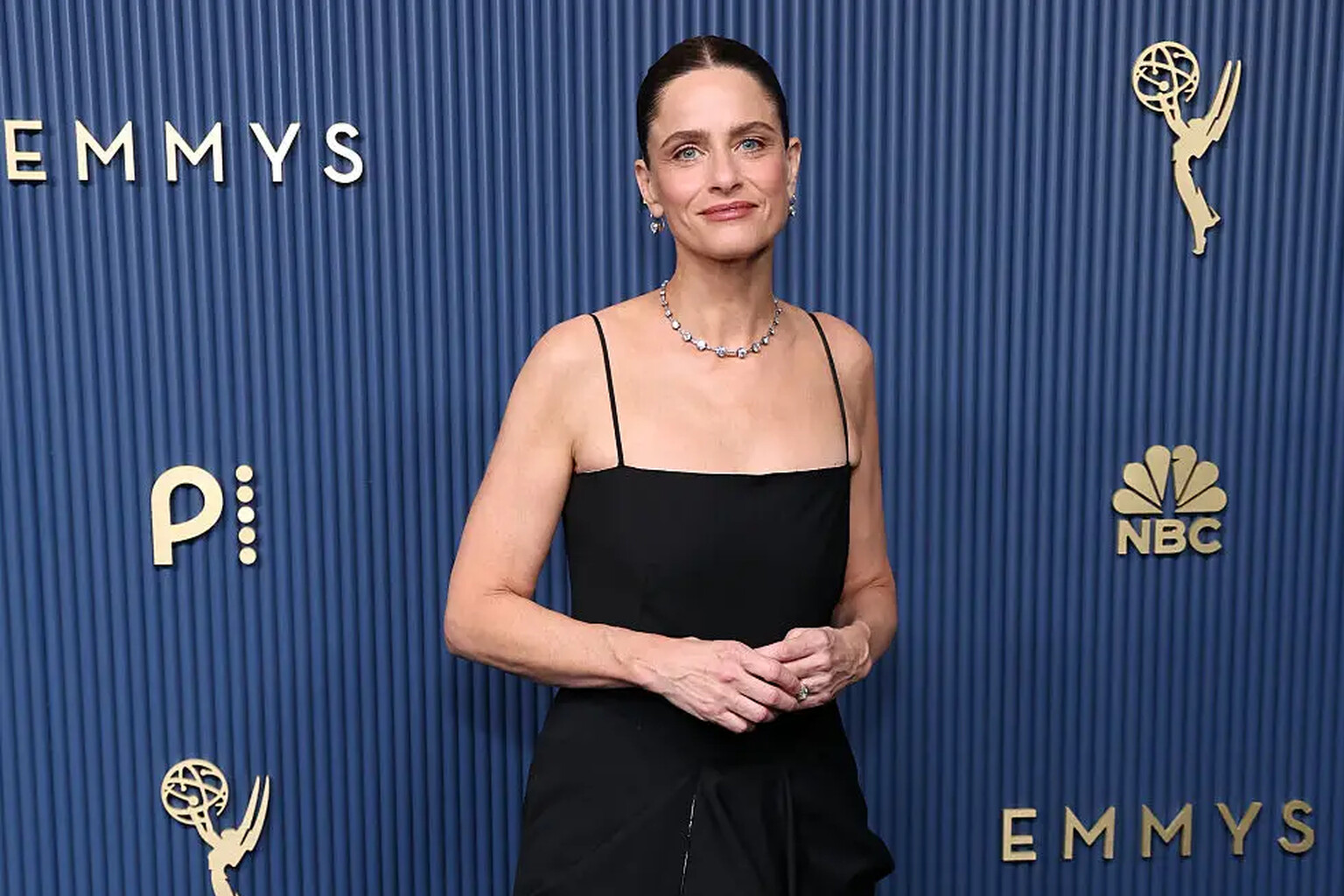
Amanda Peet has spoken out about the unusual warning sign that preceded her breast cancer diagnosis, even after an initial MRI mistakenly reassured her she was healthy.
The actress, 54, appeared on NBC’s Today show Thursday to detail the skin change that first alarmed her. “It just didn’t feel like normal skin, but it wasn’t the frozen pea that everybody talks about,” she said.
Peet, the Something’s Gotta Give star, sought medical attention but was sent home after the scan. “I went and I even got an MRI and then they sent me away,” she recalled. “So I thought I had a clean bill of health, but they were actually watching it.”
That surveillance proved critical. Six months later, a routine follow-up scan revealed something troubling on an ultrasound, triggering a biopsy. The actress grew increasingly uneasy when she discovered her doctor would personally transport the tissue sample to Cedars-Sinai in Los Angeles on a Friday night.
The phone call that followed confirmed her fears. Her physician’s uncharacteristic silence on the line told her everything before words could. “I’ll never forget that moment,” she said. She was alone; her husband, Game of Thrones co-creator David Benioff, and their three children were away at the time.
The diagnosis came early last year: lobular cancer, the second most common form of breast cancer. Unlike the more prevalent ductal type, invasive lobular carcinoma originates in the milk-producing glands and often escapes detection precisely because it rarely produces the telltale lump most women are trained to find. Mayo Clinic notes it frequently announces itself through subtler changes—thickening, skin dimpling, nipple inversion, or textural shifts like an orange-peel appearance.
Peet acknowledged her own assumptions had left her vulnerable. She said she previously “had such an old-fashioned notion about breast cancer,” expecting the classic lump that public health campaigns emphasize.
The mother of three first revealed her diagnosis publicly in an essay for The New Yorker earlier this year. What followed was a grueling waiting game as her medical team weighed options. She described receiving a “slow drip of information” about the best treatment path. “I had no idea it was going to take so long. So if you’re an anxious person, it’s your basic nightmare,” she said.
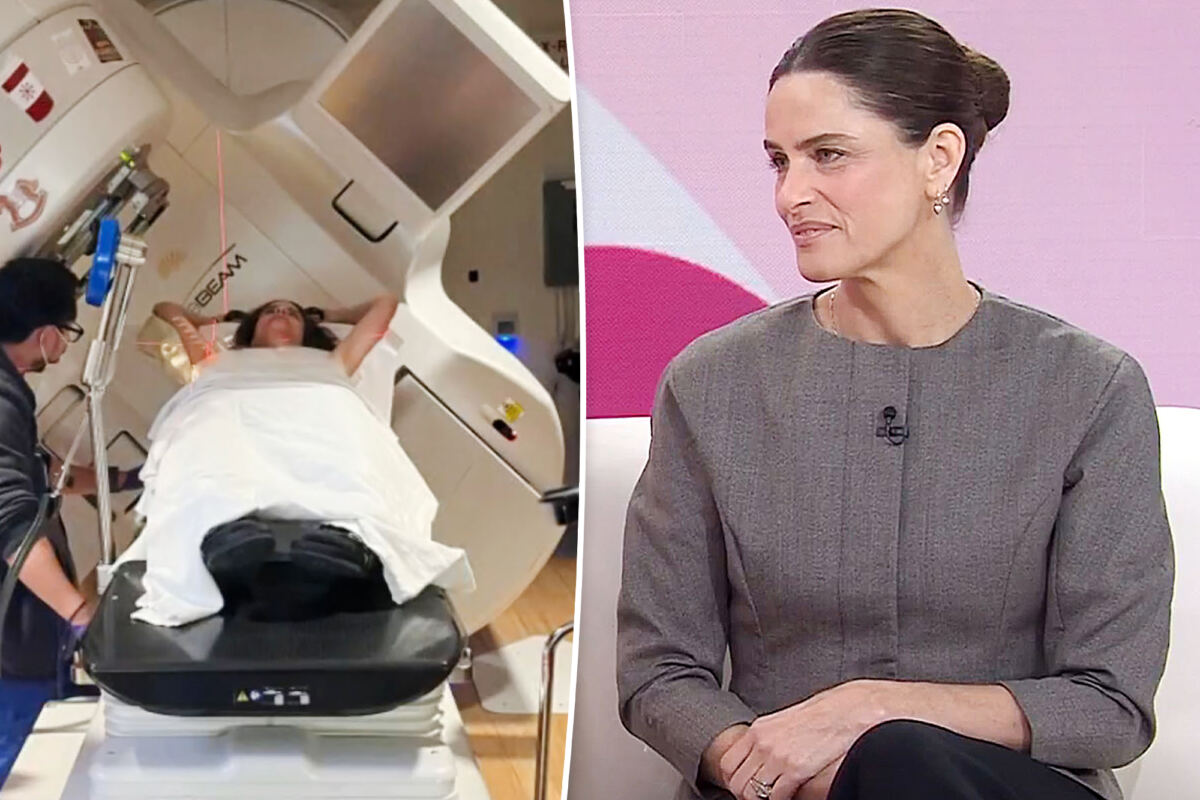
Her treatment ultimately included a lumpectomy and radiation. She received her first clear scan this past January.
Peet’s case underscores a diagnostic reality that challenges common understanding: a clean MRI does not guarantee safety, and breast cancer can hide in plain sight through symptoms that defy the standard checklist. The Mayo Clinic explicitly urges anyone noticing breast changes to seek evaluation regardless of recent mammogram results.
The actress has emerged from the ordeal with a sharpened sense of gratitude. “I think about how lucky I was in so many ways,” she said of the early detection that likely changed her outcome.
Peet continues her acting career while raising awareness about atypical cancer symptoms that deviate from public messaging.