

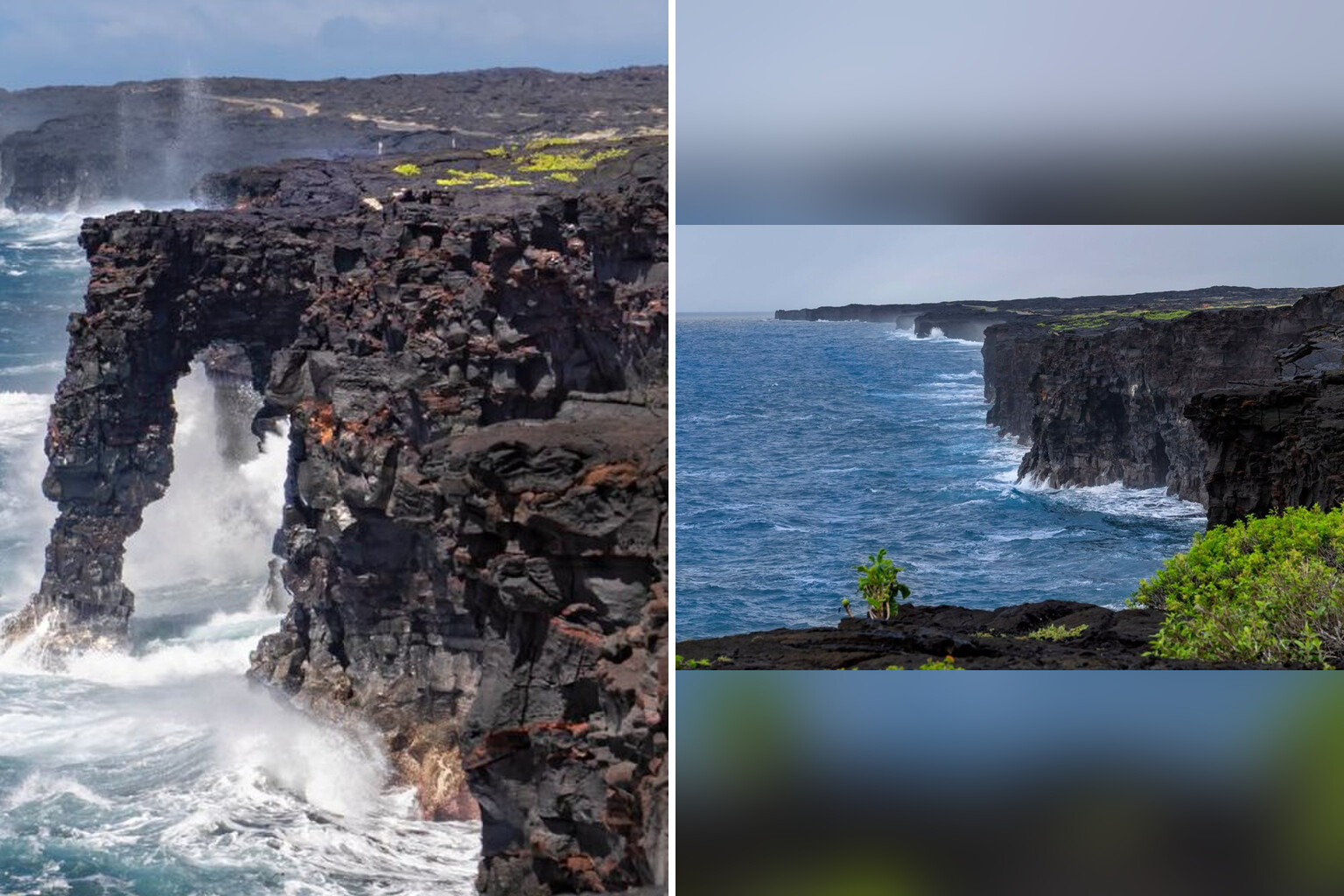
Hōlei Sea Arch is gone.
The 90-foot natural landmark at Hawaii Volcanoes National Park on the Big Island stood firm on Wednesday, Sept. 23, but had vanished by Sunday night, according to the National Park Service. Officials do not know the exact moment the tourist attraction fell and suspect the collapse may have occurred while the park was temporarily closed for three days during Tropical Storm Nolo.
Nolo brought heavy rain and powerful winds to the Big Island last week, triggering flash flooding and road closures throughout the region.
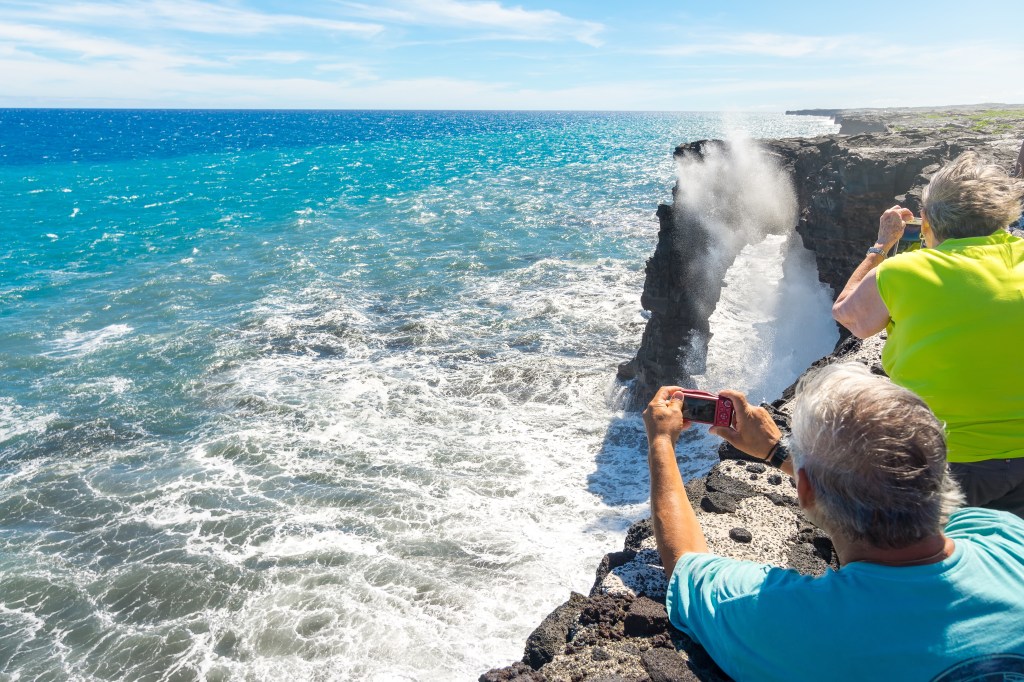
The arch formed about 550 years ago as waves carved through an ancient lava flow at the end of Chain of Craters Road. Its destruction followed years of cracks, earthquakes and pounding surf that had steadily battered the site. Earthquakes during the 2018 Kīlauea eruption and summit collapse damaged the cliffs around the arch, and new cracks and instability prompted the park to close the original viewing area in January 2020. A safer viewing area farther from the cliff edge opened that March, but Tropical Storm Darby’s massive surf later knocked a section of rock loose from the arch’s lower portion.
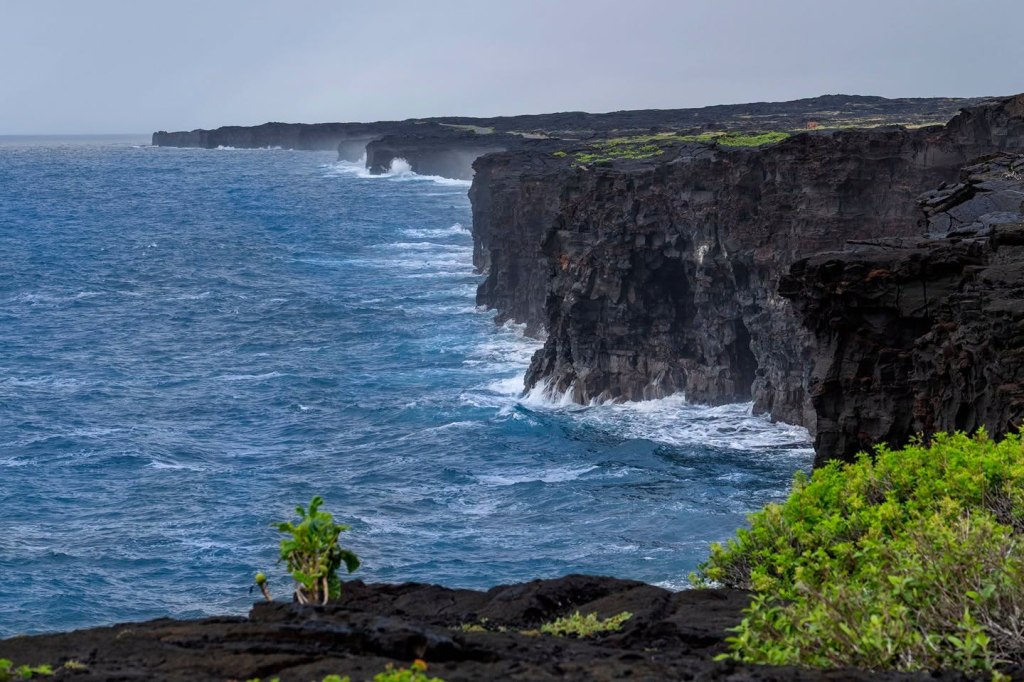
Visitors who reached the site in its last hours are now among the final witnesses to its existence. “We were just there on Sept 23rd around 10 am and are probably some of the last few to see it still standing,” one visitor wrote on Facebook.
The National Park Service has warned the public to stay away from the area near where the arch once stood, noting that the cliffs drop straight into the Pacific and can collapse without warning. Photos posted on social media show people entering the closed zone, officials said, putting themselves at risk of falling into the ocean and endangering first responders.
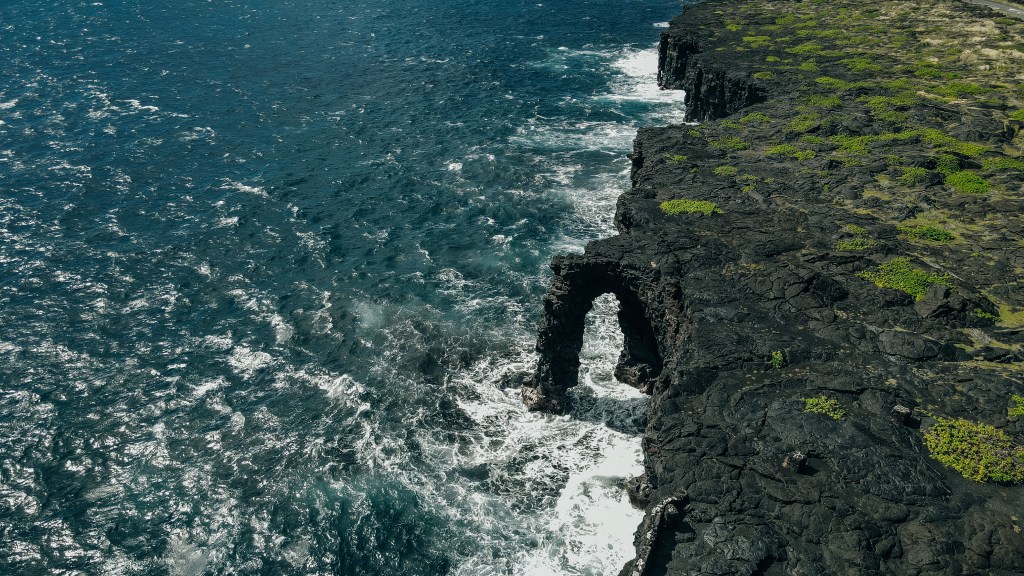
Grief over the arch’s disappearance has spread across social media as travelers share memories spanning decades. “Very sad to hear of the loss of the arch. It figured in many of our vacation photographs throughout the 1990s. But the natural world is indeed constantly changing,” one longtime visitor posted.
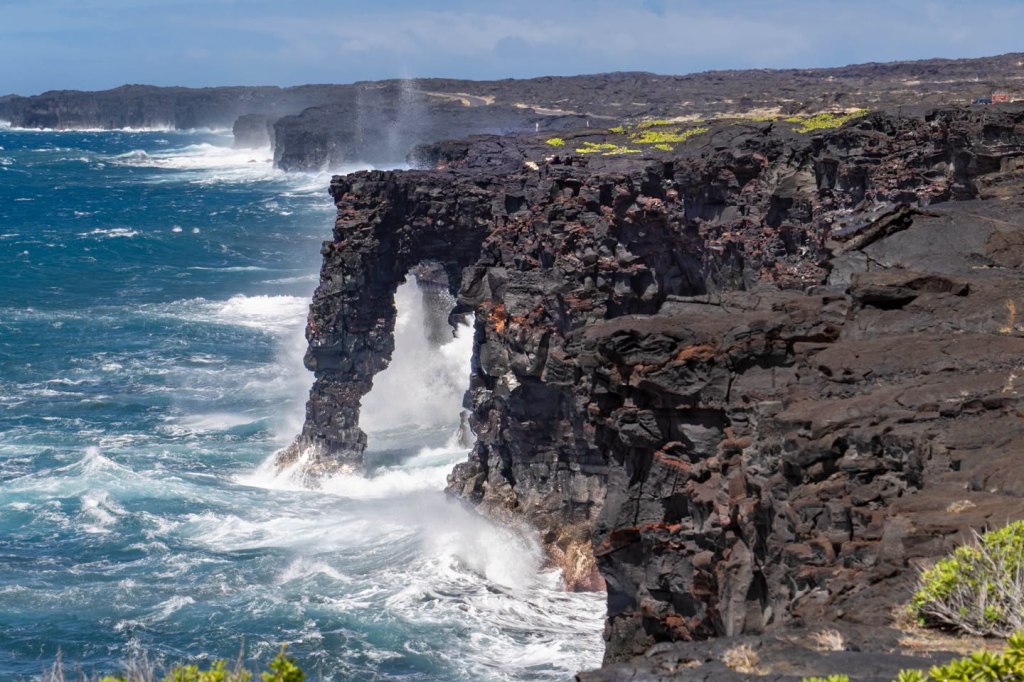
Another tourist who saw the arch twice over a decade noted its rapid decline. “Was lucky enough to see it in both 2012 and in 2022 when I visited the park. The changes from 2012 to 2022 were substantial,” they said.
A fourth visitor added their own farewell: “What a beautiful and special place. We are so sad that it is gone.”
Hawaii Volcanoes National Park remains a major tourist destination, drawing visitors to its volcanic landscapes and lava fields on the Big Island. The park is home to two of the world’s most active volcanoes, Kīlauea and Mauna Loa.
The loss of Hōlei Sea Arch marks the end of a half-millennium natural formation that had become one of the park’s most photographed features, surviving centuries of Pacific surf only to fall during a single storm season.
The park has not announced plans for any memorial or replacement structure at the Chain of Craters Road terminus.