

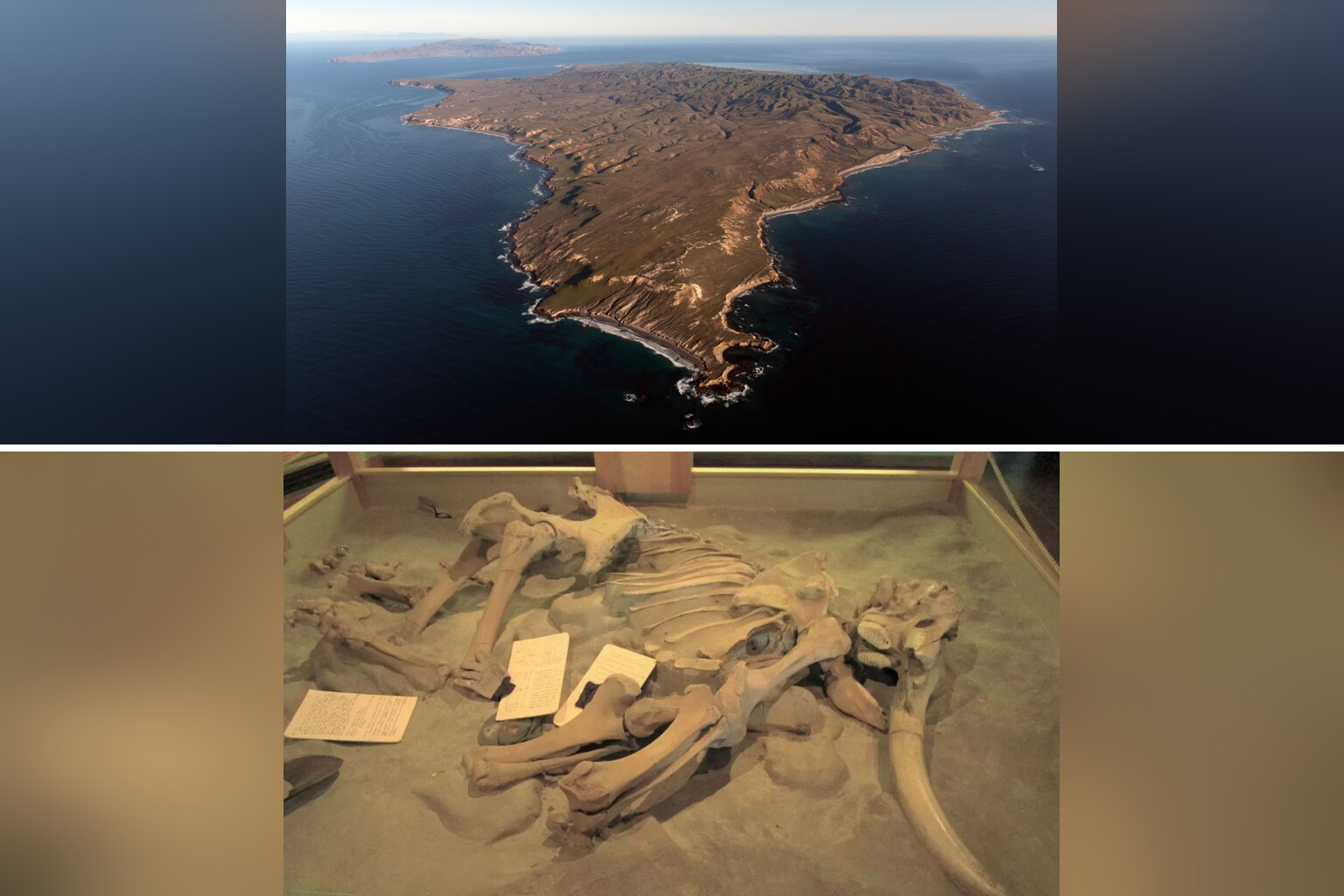
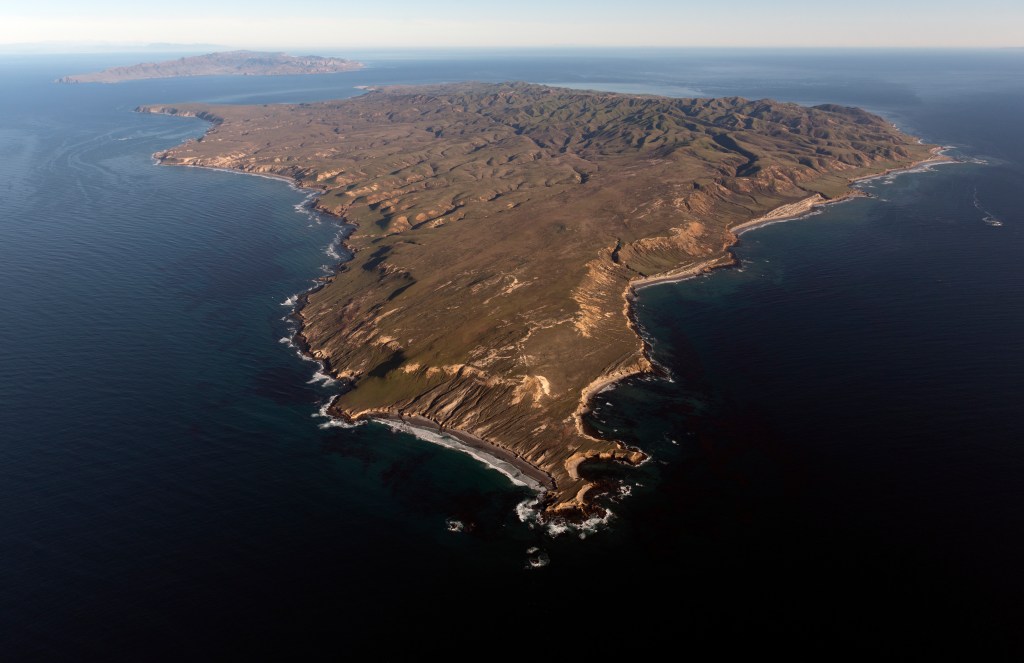
New research on California’s Channel Islands is challenging long-held theories about how humans first reached North America.
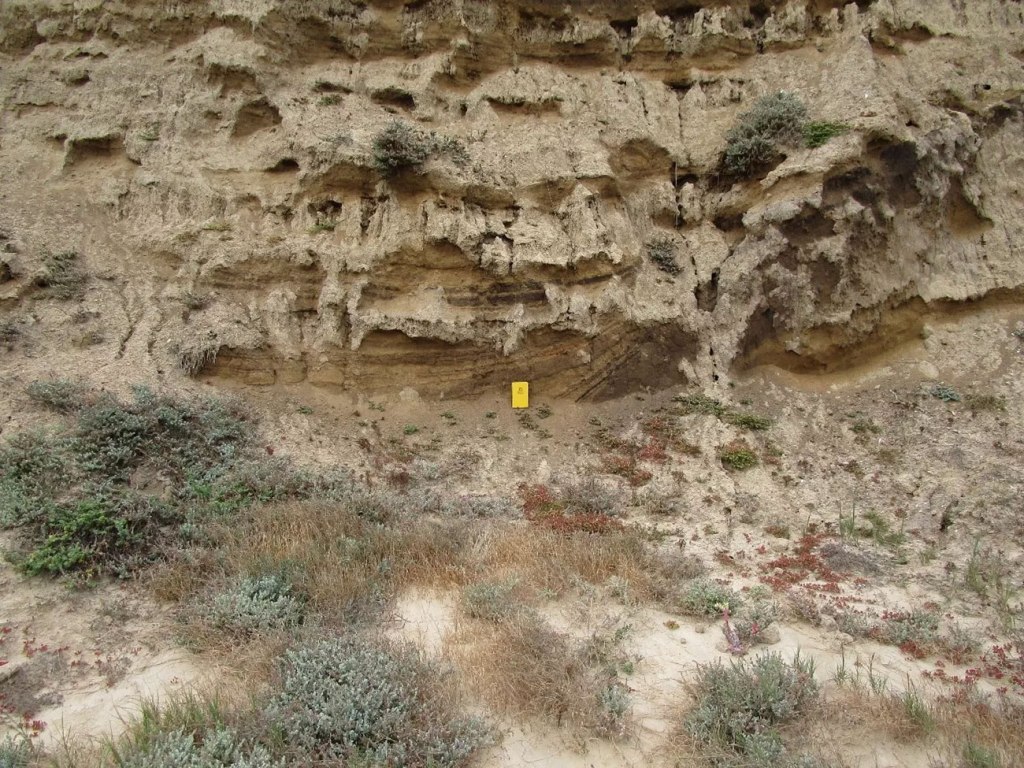
The 13,000-year-old remains known as the “Arlington Springs Man,” discovered on Santa Rosa Island in 1959, have become central to a growing scientific debate about ancient migration patterns. The bones were found buried 37 feet beneath sand, mud and gravel, making the find the earliest dated adult remains uncovered on the continent.
A new documentary has brought fresh attention to the discovery and its implications for understanding early human settlement. The finding suggests that humans may have arrived in North America earlier than the Clovis culture, which scientists had previously recognized as the first to populate the region.
https://www.youtube.com/watch?v=AtFyQ-tbPdk
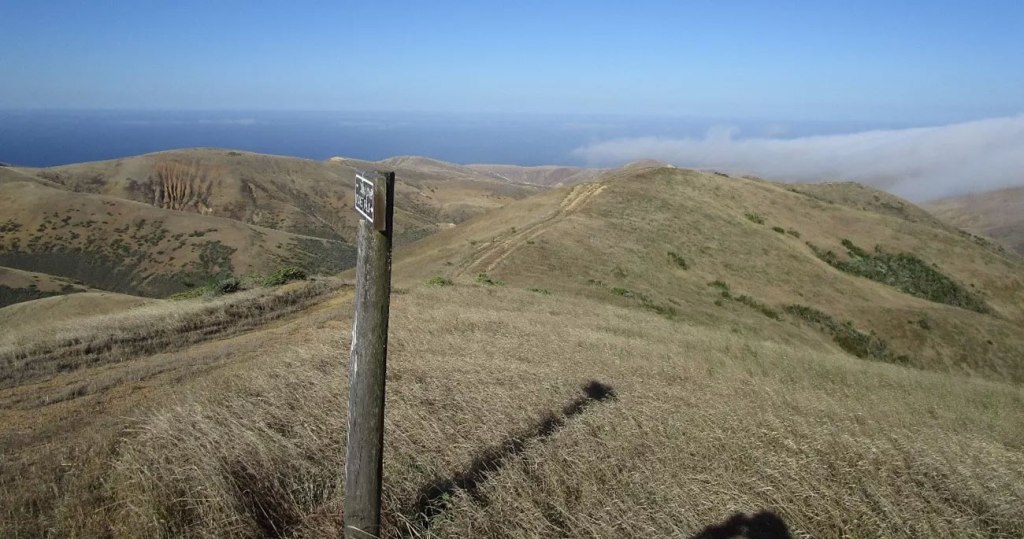
The conventional theory holds that ancient people crossed a land bridge from modern-day Siberia and traveled south through an inland ice corridor. Evidence from the Channel Islands, however, points toward a different route entirely. Researchers now believe early humans may have traveled by boat along the Pacific coastline, using what scientists call “kelp highways” to navigate and sustain themselves during the journey.
“This connects with the whole idea of a coastal migration, an ancient coastal migration where people would have been using watercraft and going around glaciers when they encountered them and working their way down until they came to California,” UC Santa Barbara anthropology professor John Johnson said.
Johnson has linked the ancient island inhabitants to a well-known modern Indigenous group. “People showed up on this island 13,000 years ago or thereabouts and evolved through time into the group we know as the Chumash,” he said. The Chumash tribe remains native to California’s central and southern coast.
The Channel Islands have yielded other remarkable finds that paint a picture of a radically different ancient ecosystem. Bones of pygmy mammoths, a dwarf species native to the northern Channel Islands, have been recovered alongside the human remains. These miniature mammoths stood only 4.5 to 7 feet high at the shoulders and weighed roughly 2,000 pounds, a fraction of the 14-foot, 20,000-pound woolly mammoths that roamed the mainland.
The pygmy mammoths are believed to have gone extinct around the same time humans arrived on the islands and as global climates began shifting. Scientists have not determined a definitive cause for their disappearance.
The archipelago itself spans both northern and southern groupings. The four northern islands include Santa Rosa, where the Arlington Springs Man was found, plus San Miguel, Santa Cruz and Anacapa. The southern Channel Islands consist of Santa Catalina, Santa Barbara, San Clemente and San Nicolas.
European contact with the islands began in 1542, when Portuguese explorer Juan Rodríguez Cabrillo made landfall. Cabrillo had been attempting to reach San Francisco Bay but was forced back by storms, choosing instead to winter on the islands.
“This was the furthest projection of Europe into a world that they knew nothing about,” one historian said of the expedition.
The journey proved fatal for Cabrillo. He died on the islands in January 1543 after shattering a limb during a skirmish with indigenous tribes, succumbing to complications from the injury.
The Channel Islands continue to yield discoveries that reshape understanding of the continent’s deep past, with researchers piecing together how a coastal civilization developed in isolation from mainland populations.