

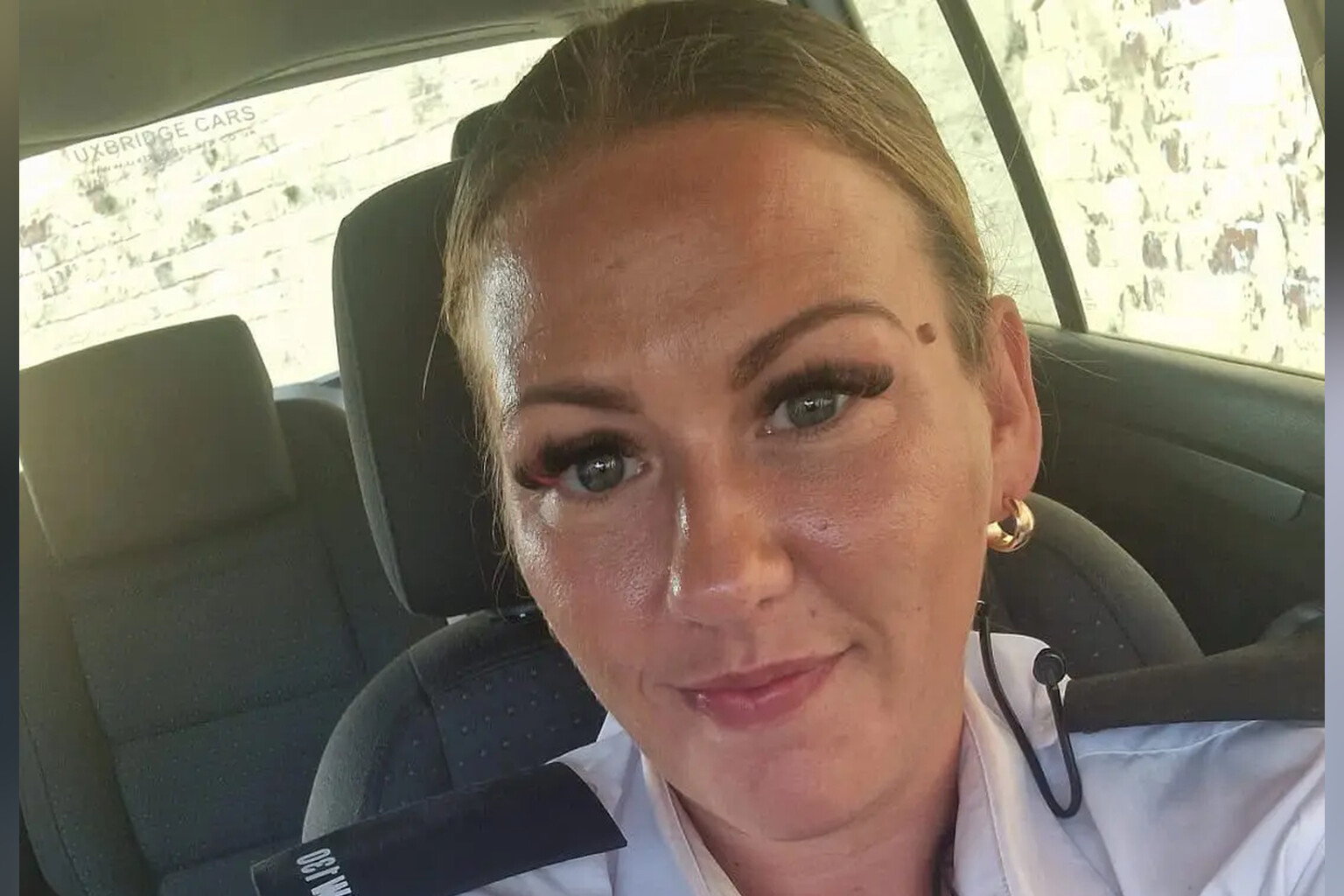
Melissa Burgoyne Cox has detailed the protocols prison officers must follow when they sense romantic chemistry developing with an inmate.
Burgoyne Cox, 34, spent seven years working at HMP Oakwood, formerly the United Kingdom’s largest prison, where she witnessed how proximity and isolation could blur professional boundaries despite strict prohibitions against staff-prisoner relationships. The facility houses roughly 2,000 inmates at any given time, and female recruits receive specific warnings during training about the elevated risk they face compared to their male counterparts.
“Even though men can have inappropriate relationships with male prisoners, the likelihood of that happening as a gay officer is extremely low, whereas a female officer, it’s a higher percentage,” she claimed, speaking with the outlet. “It was almost like during our training, the women knew it was aimed at us.”
The former officer emphasized that sexual relationships between guards and inmates remain strictly illegal, yet acknowledged the psychological conditions that can make emotional connections tempting. “You are spending more time with the prisoner than you are around family,” she said. “Sometimes you are very isolated, and God forbid if you’re a woman that’s struggling with low self-esteem, mental health, and then you find a connection with a prisoner.”
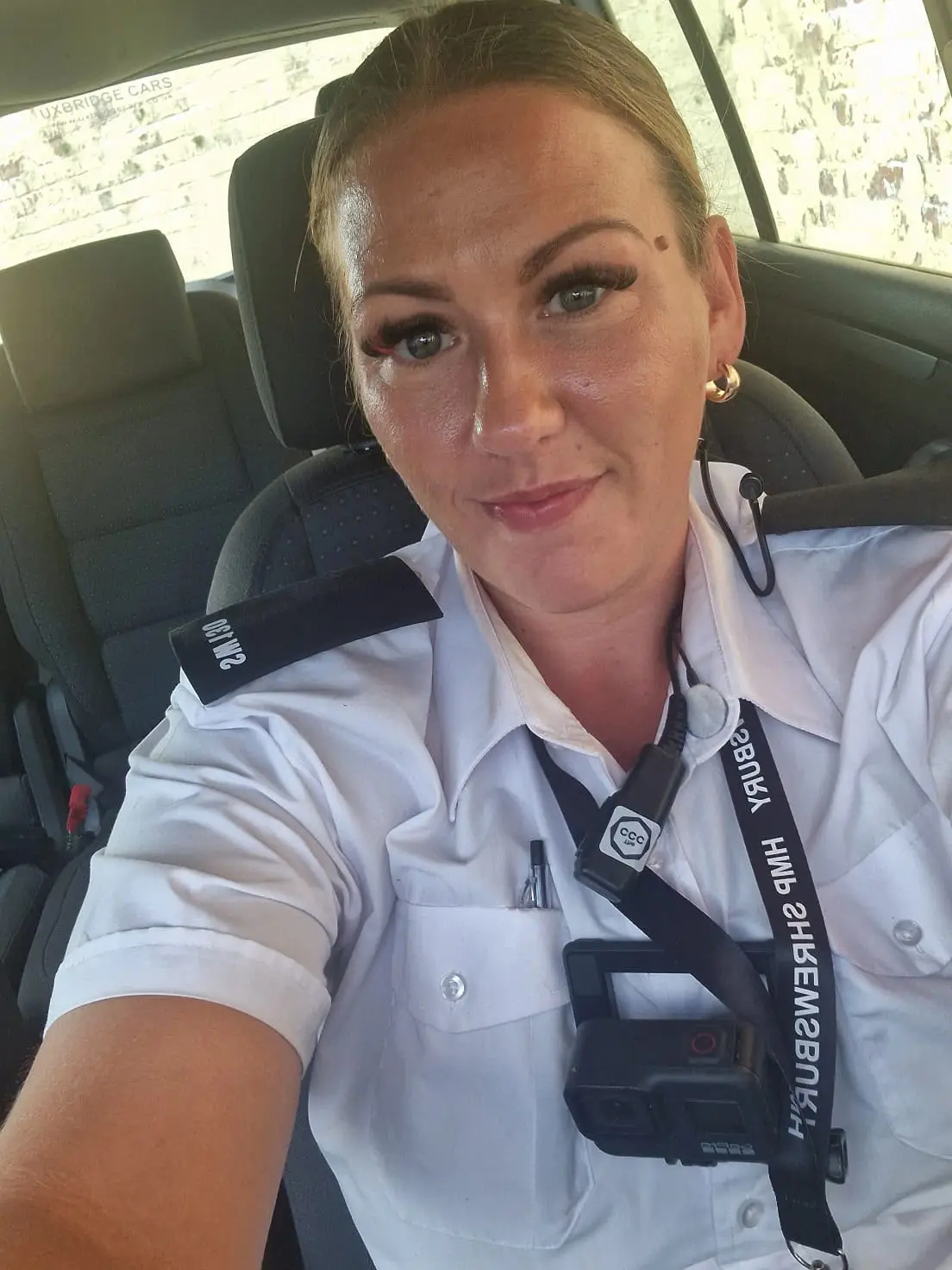
When those feelings surface, Burgoyne Cox explained, officers are obligated to disclose them before any physical contact occurs. “So if you’re a female officer and you sense chemistry building between you and a prisoner, you’re supposed to report it,” she noted. She continued: “If you were to be honest and say, you know, ‘nothing has happened, nothing will happen, but I just sense with the eye contact, with the way you move around each other’, then it’s up to security to protect you as an officer and say, ‘okay, we’re going to move him out of this prison or we’re going to move you’, maybe, to a different landing.”
The disclosure system places responsibility on security staff to separate the officer and inmate, either by transferring the prisoner to another facility or reassigning the guard to a different section of the prison. Burgoyne Cox framed this as protection for the officer rather than purely disciplinary intervention.
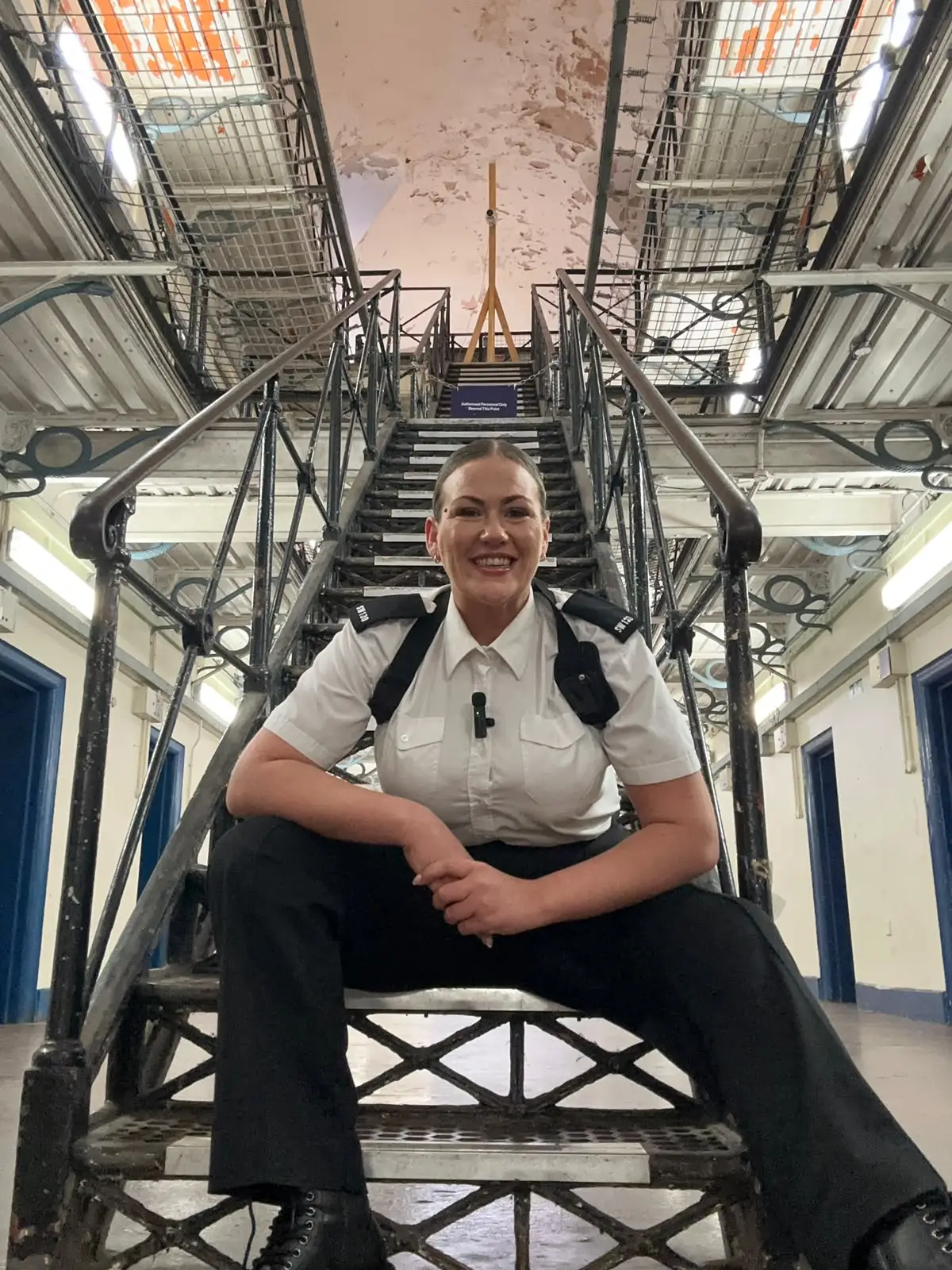
Burgoyne Cox’s early career left her feeling unprepared for the emotional terrain of the job. She recalled retreating to the office for brief respites from the intensity of direct inmate contact. “My way of dealing with it was coming off the landing to just go and have a minute in the office,” she shared. “I really did feel like a little lamb that had been thrown to a slaughterhouse in a way.”
The former guard’s account highlights how the same isolation that puts officers at risk of inappropriate attachments also leaves them without immediate support networks when those feelings emerge. The training warnings, she suggested, carried an implicit acknowledgment that female staff would face particular vulnerability in an environment where they constituted a minority and worked extended shifts in close quarters with a predominantly male population.
Burgoyne Cox left the prison service after seven years, having observed the mechanisms designed to prevent relationships that would compromise both professional integrity and institutional security.