

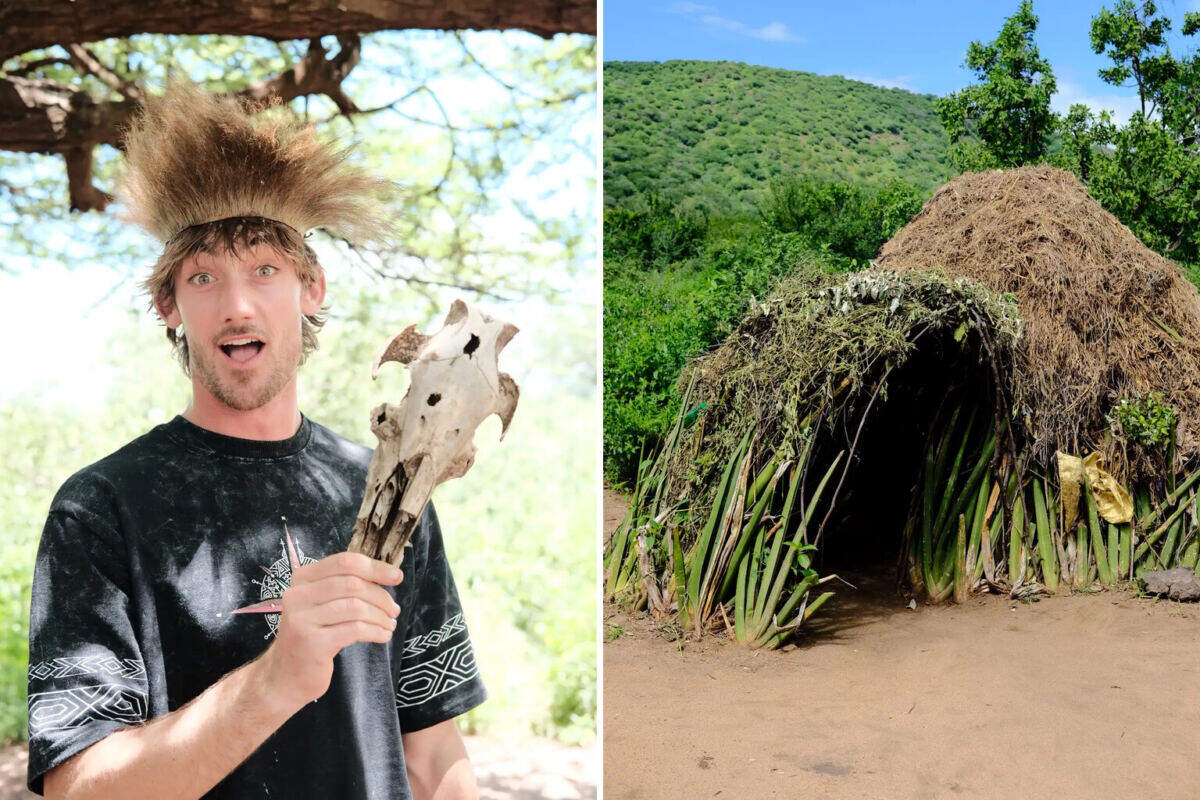
Max Gillespie, 24, has spoken out about his month-long stay in Tanzania and the harrowing stories he heard while living alongside the Hadzabe tribe.
The British traveler, originally from Huddersfield, UK, said that he prefers to settle into countries for extended periods rather than rush through them. “When I travel, I like to stay in a place a little bit longer,” he said. “I try to stay at least a few months because, firstly, it’s cheaper because you don’t have to pay for loads of flights, and secondly, you get to see the place a little bit more.”
Gillespie’s path to the Hadzabe began in Zanzibar, where he and a friend connected with a local guide who had spent roughly two years living among the indigenous group and had learned their endangered click language, Hadzane.
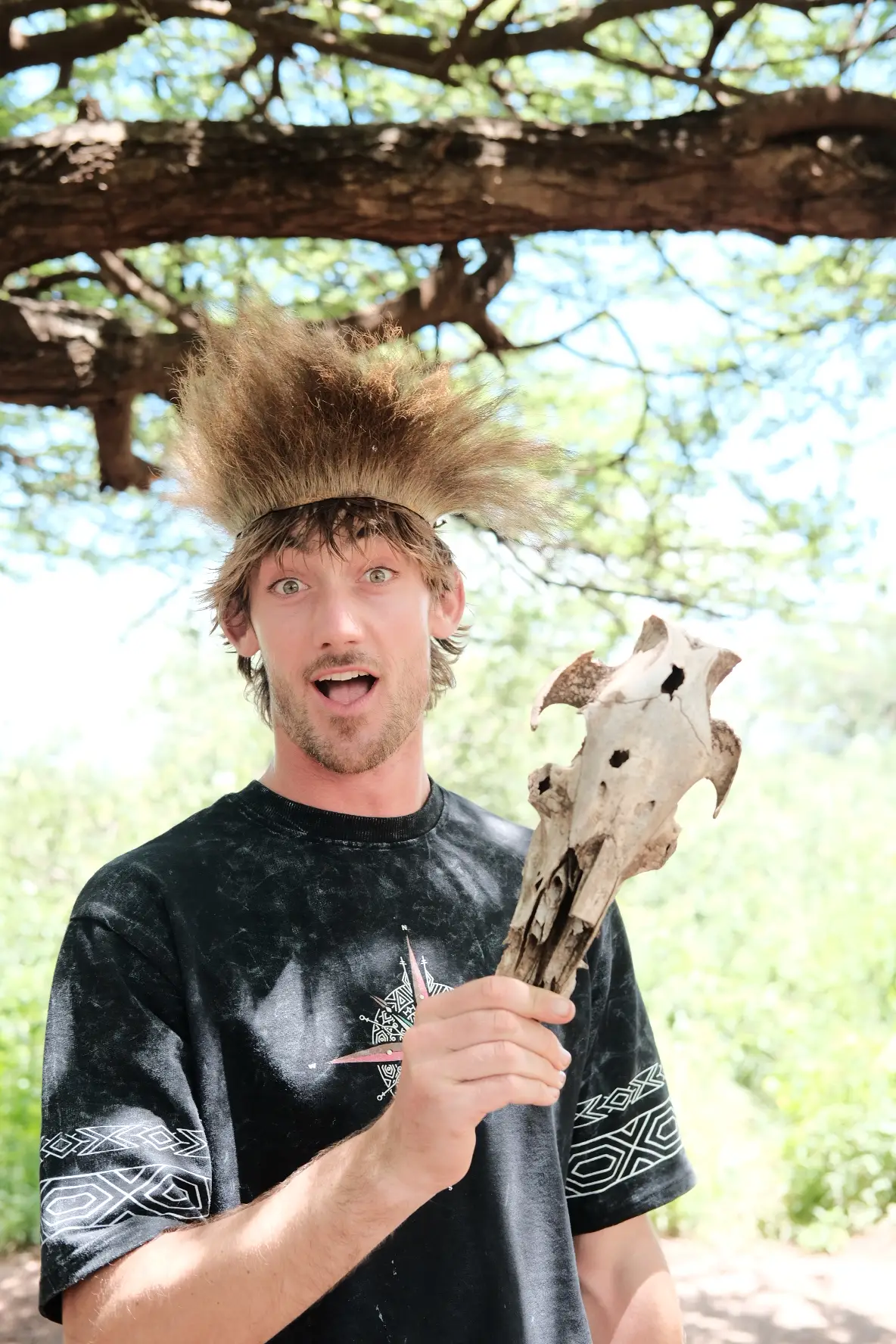
The Hadzabe, a hunter-gatherer community living near Lake Eyasi and the Yaeda Valley in northern Tanzania, communicate through Hadzane rather than spoken words. Fewer than 1,000 people are believed to be fluent in the endangered language.
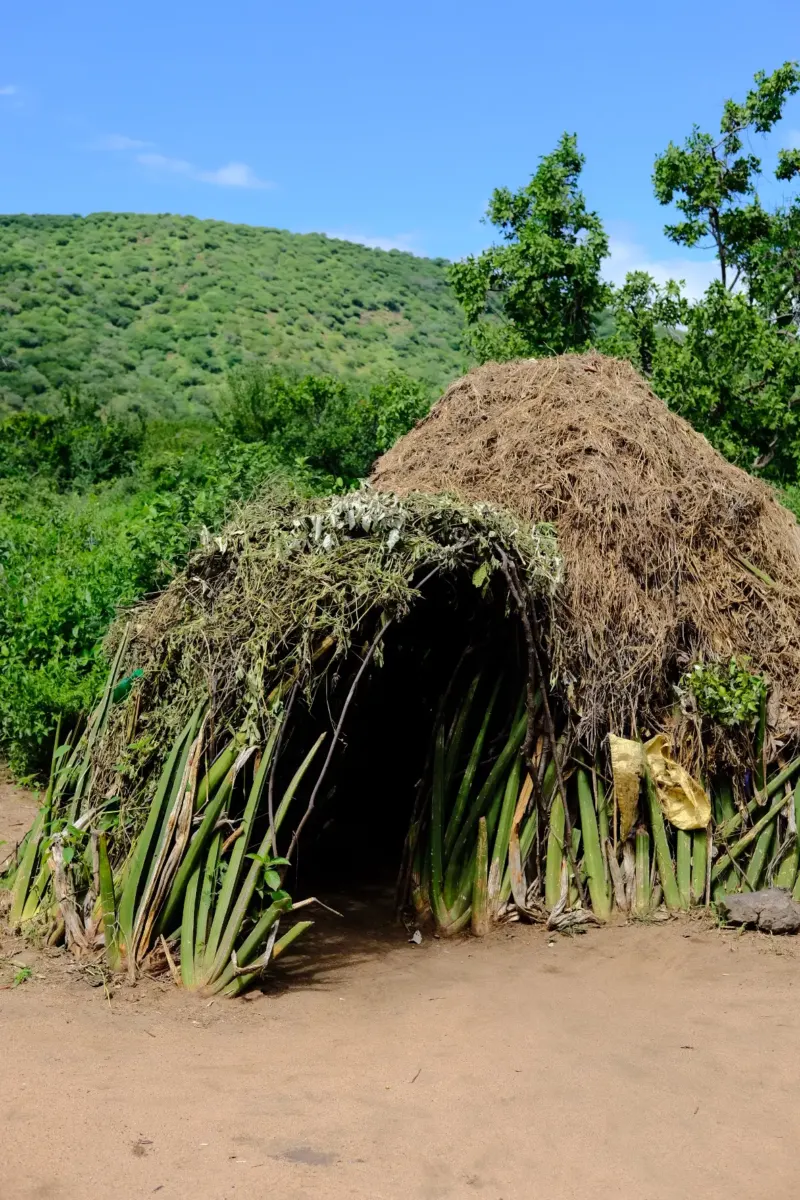
Following their guide on rented motorbikes, Gillespie and his friend traveled what he estimated as “an hour or two” outside the village to reach the tribe’s settlement. The area sits near Ngorogoro National Park, where wildlife moves freely across unfenced boundaries.
It was there that Gillespie learned of a brutal conflict between the Hadzabe and local hyena populations. “One crazy thing is that there’s conflict between the tribe people and hyenas,” he explained.
The traveler went on to recount a specific incident that had been shared with him: “So, two years ago (I’m not sure if it was this tribe or another tribe nearby), a hyena stole a baby. It wasn’t at night or even at dusk, it was pretty much daylight when it happened.”
“Apparently the baby was on the porch of someone’s house and one came and took it,” Gillespie continued. The tribespeople reportedly pursued the animal afterward but were unable to recover the child.
Beyond the dangers at the edges of their settlement, Gillespie observed that daily Hadzabe life centers entirely on the hunt. “They wake up, they plan everything by the fire, then they go out hunting,” he said. “Basically, you don’t come back until you have enough food, so you just hunt until there’s enough food then come back.”
The hunting parties operate in smaller units, Gillespie noted. “They go in smaller hunting groups. Let’s say there’s 10 people; they would split off into two groups of five.”
The Hadzabe also maintain trade relationships with neighboring communities to secure equipment. “They do trade with other tribes for the arrowheads,” Gillespie revealed. “With, like, blacksmiths, one back leg of a large animal can be traded for five arrowheads. They trade tobacco and weed as well.”
During his time with the tribe, Gillespie witnessed them hunt and kill monkeys, which he then sampled himself once cooked.
“It tasted not that bad,” Gillespie admitted. “If was like if you imagine mixing chicken and beef together. With a bit of BBQ sauce, it would be incredible.”
Gillespie’s journey to Tanzania came after years of extensive travel that began when he moved to Madagascar for a year at age 16. He is currently based in Egypt and has visited numerous countries in recent years.