

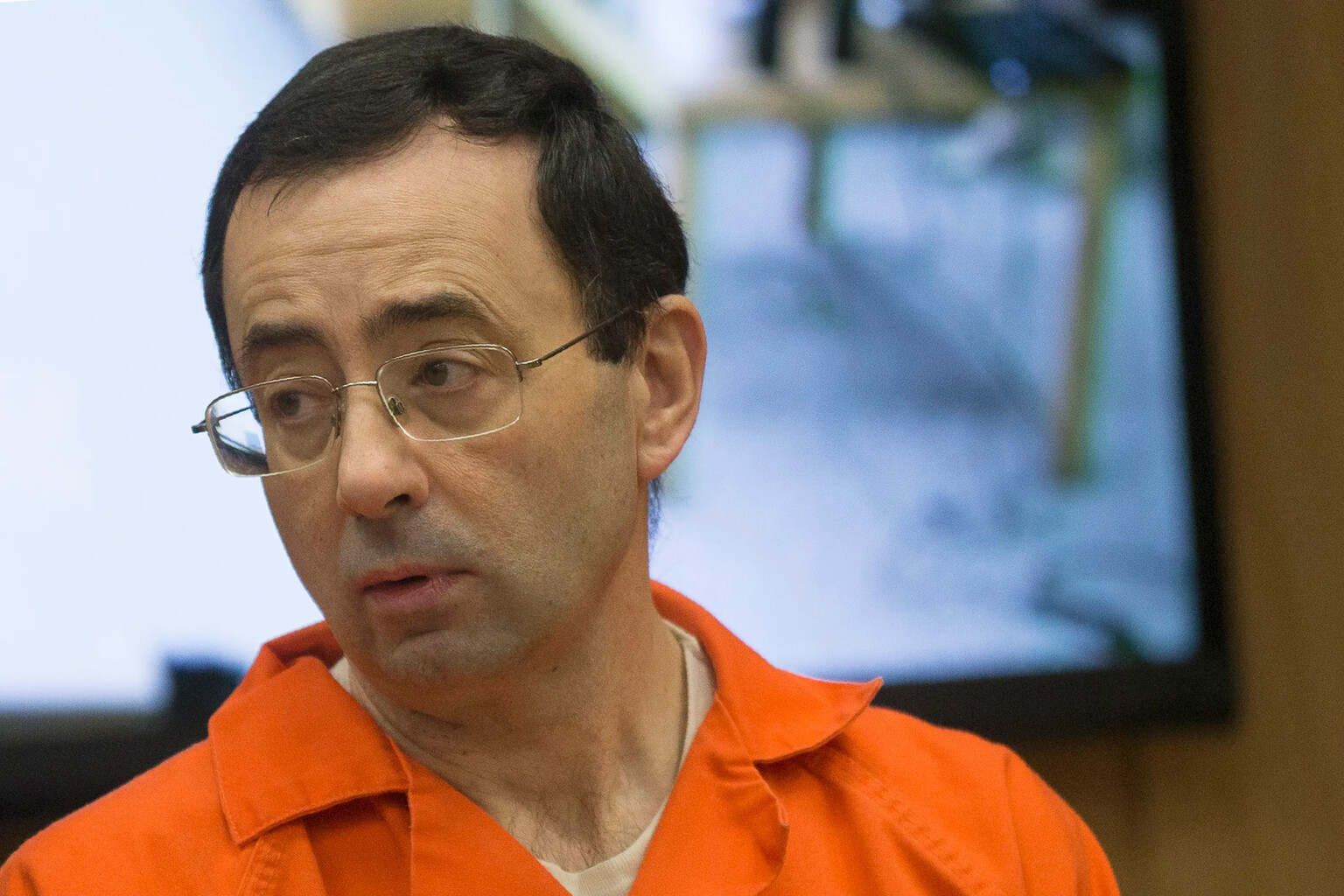
Michigan State Police have publicly refuted claims that convicted sex offender Larry Nassar was among roughly 20,000 people removed from the state’s sex offender registry.
The dispute began after the Eaton County Prosecuting Attorney’s Office posted on Facebook about a Michigan Supreme Court ruling that eliminated Sex Offender Registration Act requirements for offenders who committed crimes before July 1, 2011. The office, which did not immediately respond to additional requests for comment, shared a screenshot showing a search for Nassar’s name returning zero results on the registry.
“The Michigan supreme court’s decision to eliminate Sora requirements for these offenders is deeply concerning,” the prosecutor’s office wrote in its statement. “Our community, along with the victims of these crimes, expected the registry to provide a measure of protection and awareness – assurances that have now been removed by the court’s ruling.”
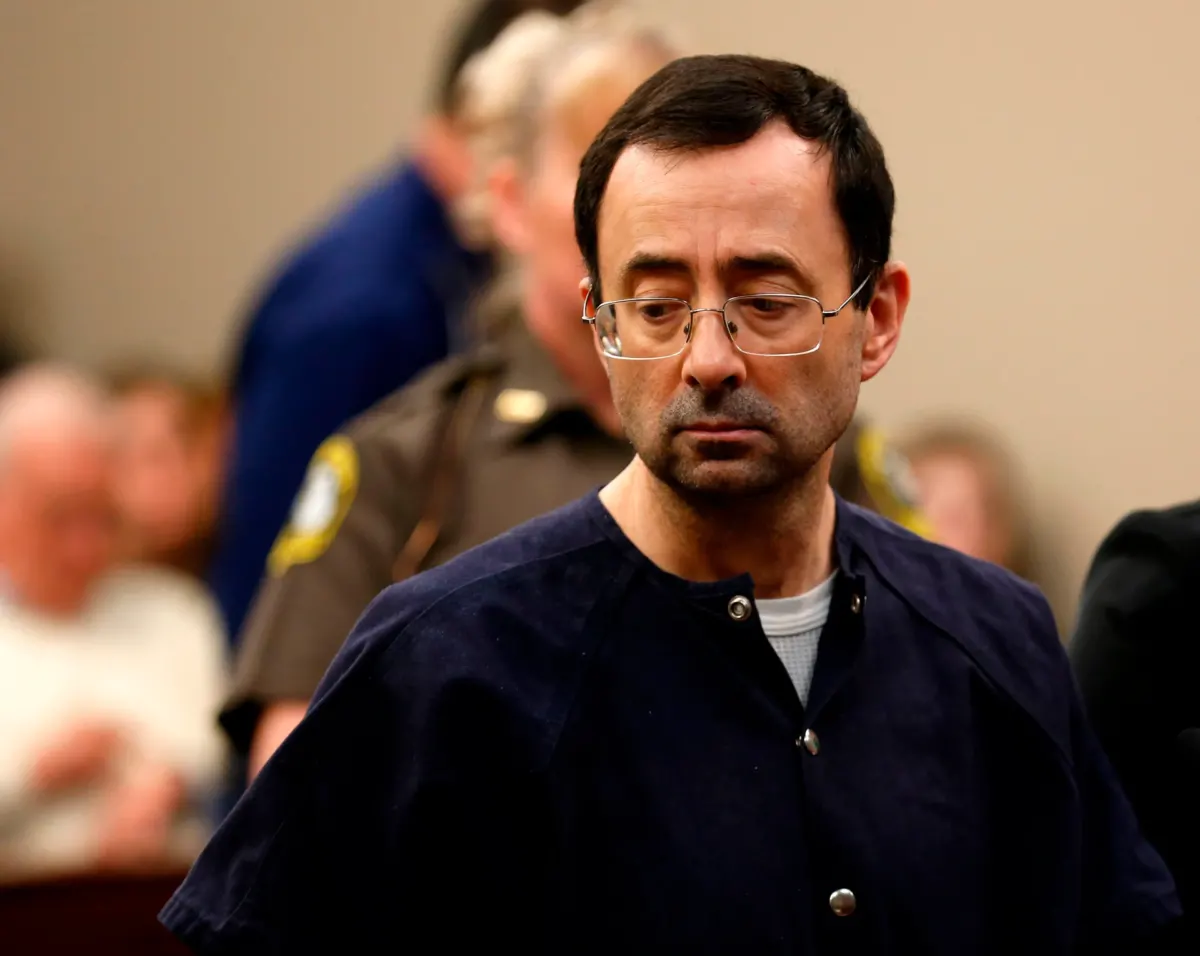
However, Michigan State Police issued their own statement on Friday, October 2, directly challenging the narrative that Nassar had been removed. “Information suggesting that convicted sex offender Nassar was removed from the sex offender registry by the Michigan state police because of the Smith decision is incorrect,” the statement read.
The state police explanation centered on a technicality about residency rather than any court-ordered removal. “Offenders not currently domiciled, temporarily residing, working, incarcerated or going to school in Michigan do not have the duty to register in Michigan under [Sora], and would not be visible on Michigan’s public sex offender registry,” the statement continued. “Should the offender later domicile, temporarily reside, work or go to school in Michigan, they would be expected to register and be placed on Michigan’s public [sex offender registry] if still required under Sora at that time.”
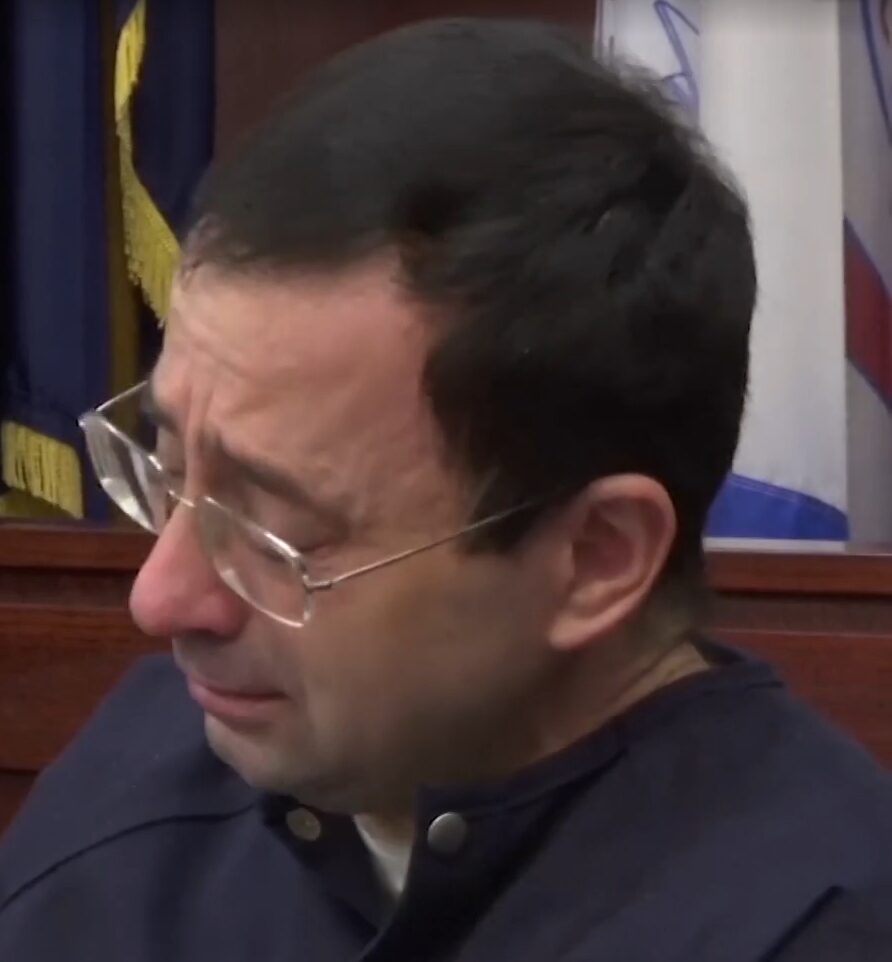
Nassar, 60, is currently serving multiple sentences that total up to 175 years in prison for sexually abusing women and girls over decades in his roles as a Michigan State University doctor and as Team USA Gymnastics physician during Olympic competitions. More than 150 women and girls have publicly accused him of assault, including Olympic gold medalists Simone Biles, Aly Raisman and McKayla Maroney.
The Michigan Supreme Court ruling that prompted the registry changes came down on September 9, with amendments to SORA taking effect afterward. The 2011 cutoff date for the registration requirement changes means thousands of offenders convicted before that date were affected by the court’s decision.
The confusion over Nassar’s status highlights the complexity of sex offender registry laws and how information about high-profile criminals circulates during periods of legal change. While the Eaton County prosecutors used their social media platform to raise alarms about the broader ruling, the state police moved quickly to correct what they characterized as misinformation specifically about Nassar.
Nassar’s case became one of the most prominent sexual abuse scandals in sports history after investigative reporting beginning in 2016 revealed how complaints about his behavior had been ignored or dismissed by institutions including Michigan State University and USA Gymnastics. His sentencing hearings in 2018 drew national attention as victim after victim delivered powerful impact statements in open court.
The National Sexual Assault Hotline remains available at 800.656.HOPE (4673) for those affected by sexual violence.