

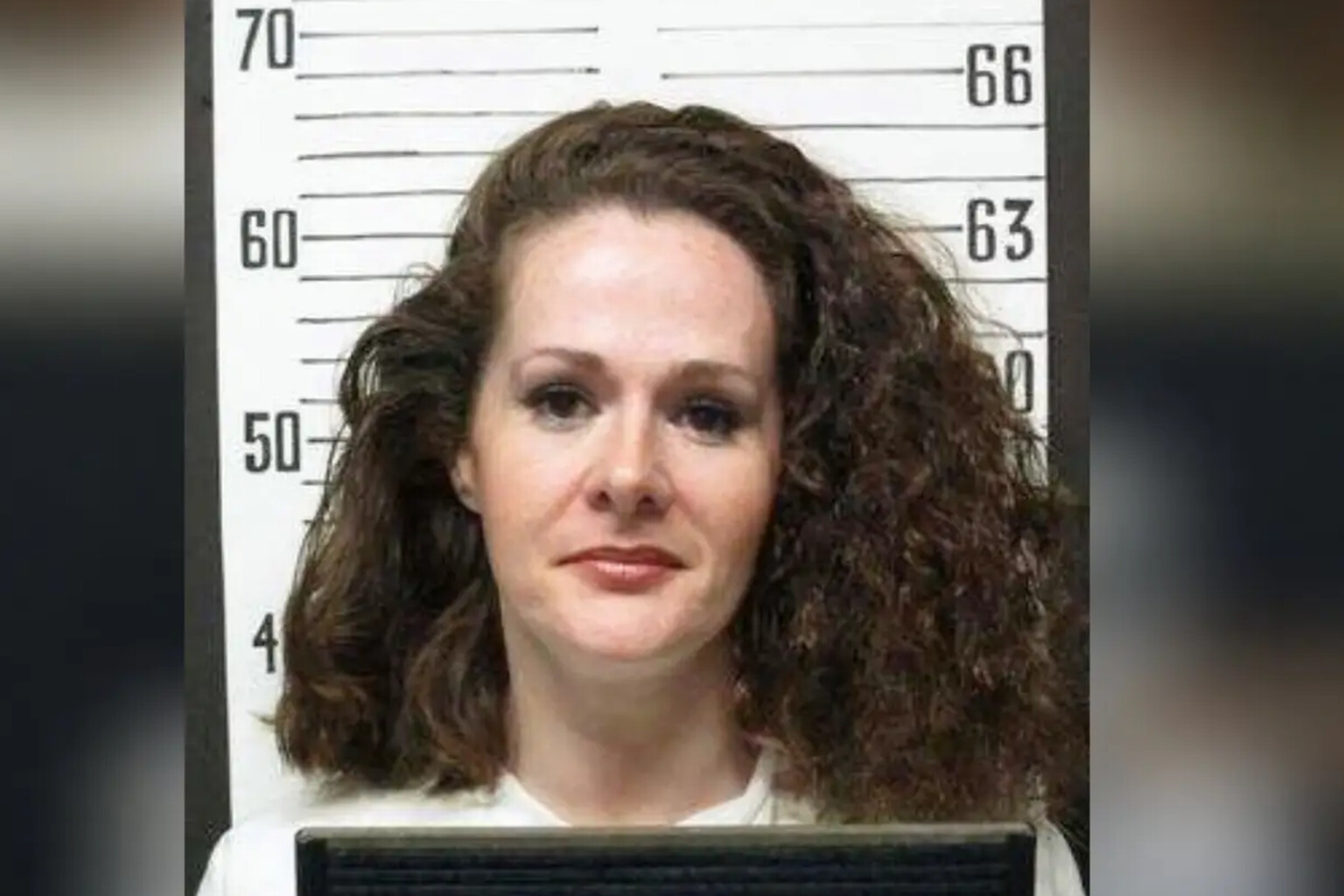
Christa Pike remains on a ventilator days after her botched execution.
The 50-year-old Tennessee death row inmate, who spent nearly three decades awaiting lethal injection, was scheduled to die September 30 at a Nashville prison. Two doses of pentobarbital failed to kill her, and she was rushed to a Nashville hospital for emergency care. Governor Bill Lee has ordered an investigation into what went wrong during the procedure.
Her lawyer, Stephen Ferrell, confirmed on October 4 that Pike had not regained consciousness since the failed execution. “She’s still in the hospital, on a ventilator, critically ill, we really don’t know the prognosis yet, and may not know for several days,” he said.
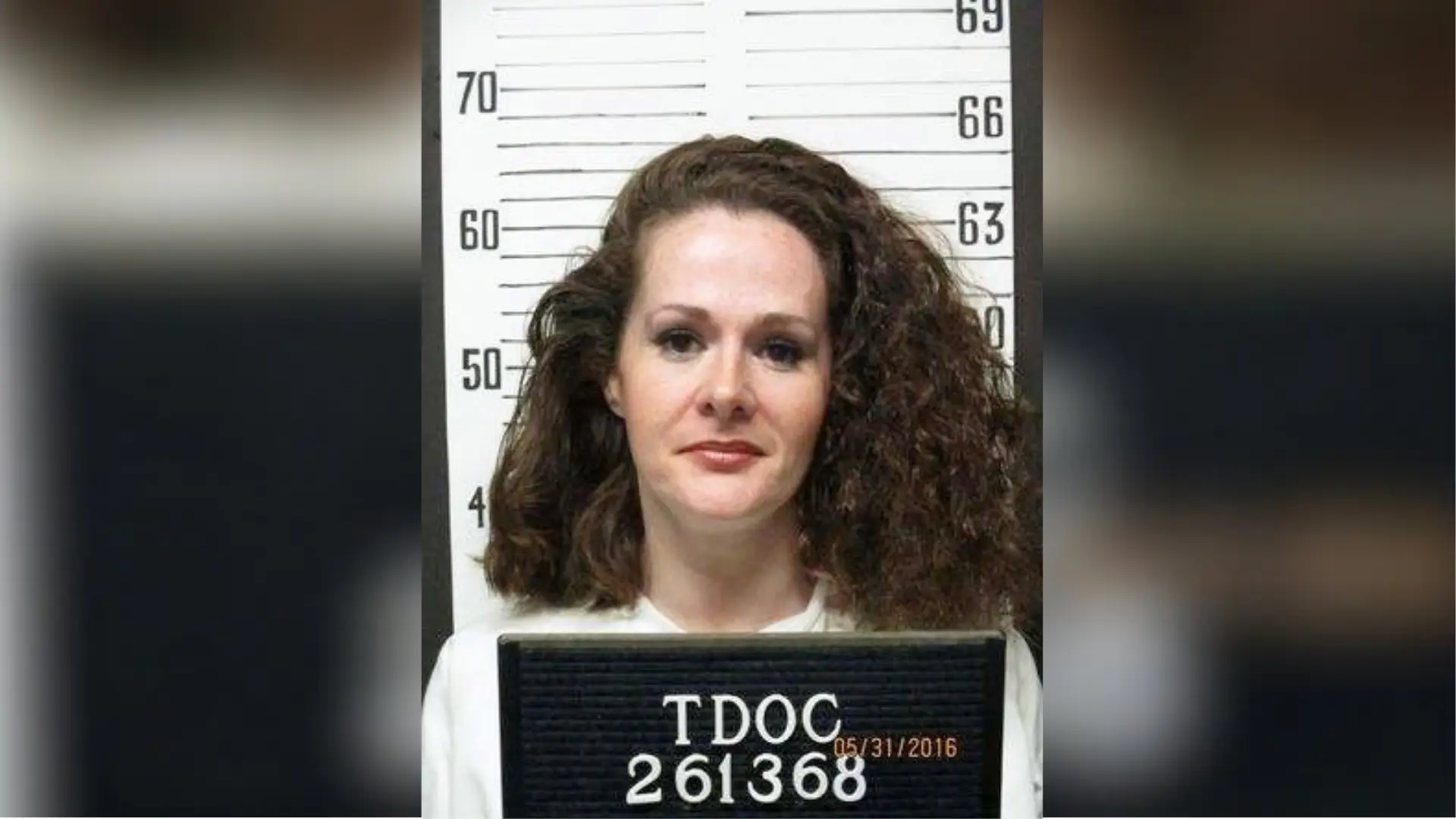
The case has drawn public questions about why Pike is being kept alive on life support after the state had scheduled her death. The answer lies in Tennessee law and medical ethics: hospital staff are obligated to save lives, not carry out death warrants. Healthcare professionals are not legally required to enforce executions, which falls under the Department of Corrections’ authority. When an execution fails, the inmate becomes a patient under standard medical care.
Pike was 20 years old when she received her death sentence in 1996 for the torture and murder of a fellow Job Corps student, Colleen Slemmer, in Knoxville. Had the September 30 execution succeeded, she would have been the first woman executed in Tennessee in over 200 years.
The botched procedure was not Tennessee’s first recent failure. Tony Carruthers, 59, was scheduled for lethal injection on May 21, but the execution was halted when it also went wrong. Unlike Pike, Carruthers did not require hospitalization; he returned to death row and is expected to face execution next year instead.

These failures have intensified debate within the medical community about healthcare workers’ involvement in capital punishment. Forty Tennessee doctors and nurses wrote to Governor Lee demanding removal from the execution process and a suspension of lethal injections entirely. While medical personnel do not administer the drugs, a physician typically declares the inmate dead.
The letter to the governor stated: “As you may be aware, medical ethics prohibit participation in executions, and numerous national and state-level organizations have made clear that health care practitioners cannot facilitate executions consistent with their professional obligations.”
The healthcare workers continued: “Despite this, Tennessee’s protocol requires pharmacists, physicians, and other unidentified healthcare providers to participate in its executions. This means that the health care professionals who agree to take part in Tennessee’s executions are those willing to set aside their professional ethics.”
They added that the problems seen in Carruthers’ case were “the predictable result of working with such unscrupulous actors.”
Pike’s legal team has raised concerns about what she experienced during the botched procedure. Her lawyers say they may never know what kind of torture she endured during the process, as she has remained unconscious since the failed execution.
The case has highlighted tensions between state execution protocols and medical professional standards. Tennessee’s current system relies on healthcare workers willing to participate despite ethical guidelines from national organizations that bar such involvement.
Pike’s condition remains critical, and her prognosis is uncertain. The state has not announced whether it will attempt to reschedule her execution if she recovers.