

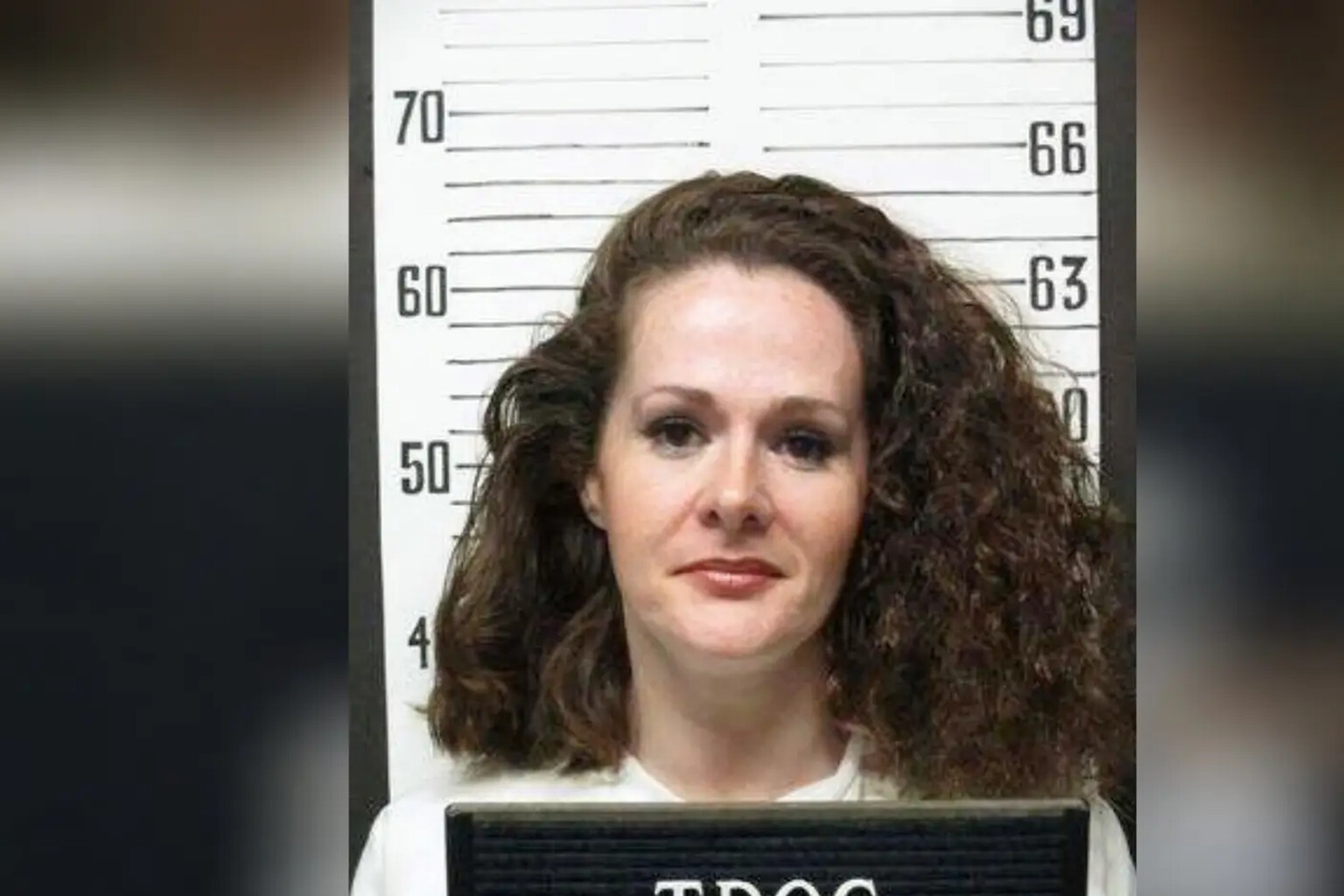
Christa Pike’s lawyers say she is critically ill on life support after Tennessee’s failed attempt to execute her.
Pike, 50, had been scheduled to die by lethal injection on September 30 at the Debra K. Johnson Rehabilitation Center northwest of downtown Nashville. Prison staff failed to properly administer two separate doses of the drug, and the only woman on Tennessee’s death row survived the botched procedure. She is now hospitalized at an unspecified Nashville facility, her legal team confirmed in recent days.
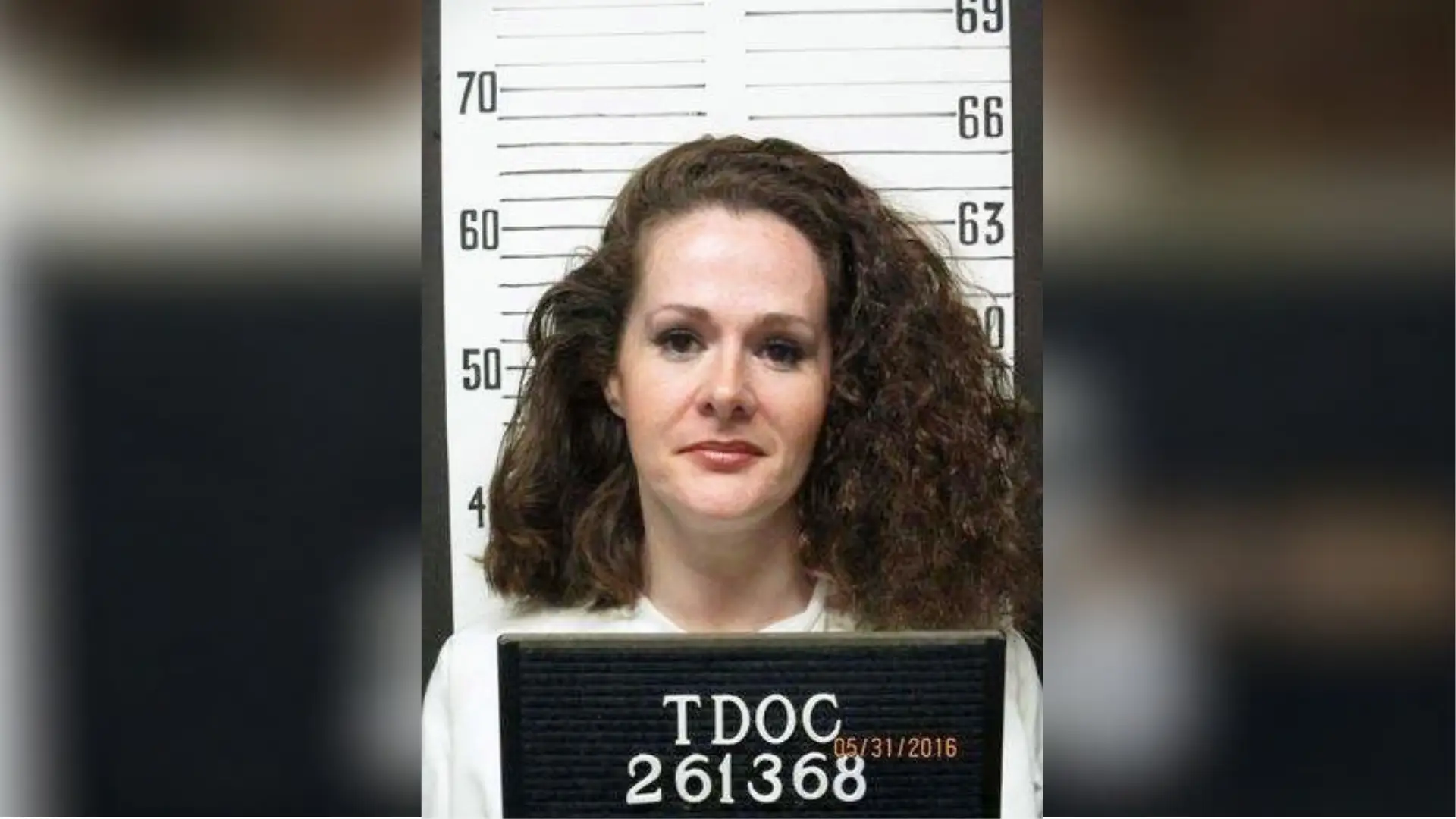
For nearly three decades before the failed execution, Pike had been held in conditions her attorneys likened to solitary confinement. She was sent to death row in 1996 for the 1995 murder of Colleen Slemmer, whom Pike killed at age 18 while Slemmer was 19. Until 2024, Pike was isolated in a cell her lawyers described as the size of a parking space, with almost no meaningful human contact.
That changed last year when her legal team finalized a settlement with the state. The agreement ended her isolation and, contingent on good behavior, granted her the same privileges as male death row inmates. These included additional time outside her cell, a work assignment, and the ability to share meals with other prisoners.
Angela Bergman, one of the attorneys who represented Pike in that lawsuit, said the settlement would be “life-changing” for her client. “For the last nearly 30 years, Ms. Pike has been subjected to solitary confinement in a cell the size of a parking space, where she has had nearly no meaningful human contact. These conditions have had a devastating impact on her mental and physical health,” Bergman said in a statement.
Bergman added: “For Christa, this not only means a reprieve from decades of harmful and unconstitutional conditions, but an opportunity to have a meaningful, positive impact on those around her.”
Even after the 2024 settlement, Pike’s daily routine remained tightly controlled by Tennessee Department of Correction protocols. Offenders on death row are awakened at 5:30 a.m. Each morning. The department’s website states that inmates receive three meals Monday through Friday, with breakfast at 7 a.m., lunch at 11 a.m., and dinner at 5 p.m. On weekends and holidays, that drops to two meals per day. All offenders must be secured in their cells by 9 p.m.
Female death row inmates follow the same policies as men, though they are not housed in a separate unit due to their small numbers.
As of October 4, Pike remained on a ventilator, according to her attorneys. No new execution date has been set for her. Gov. Bill Lee halted all pending executions in Tennessee for the remainder of 2025 after the September 30 failure. The only other execution that had been scheduled was that of Gary Wayne Sutton on December 3.
Pike’s case has drawn renewed attention to the state’s execution protocols and the conditions of its death row inmates. She was the first woman Tennessee had attempted to execute in decades, and the procedure’s failure has left her legal team raising questions about potential brain injury while state officials face scrutiny over how two doses of lethal drugs were improperly administered.
Sutton’s halted execution was the next scheduled in Tennessee before Lee’s moratorium took effect.