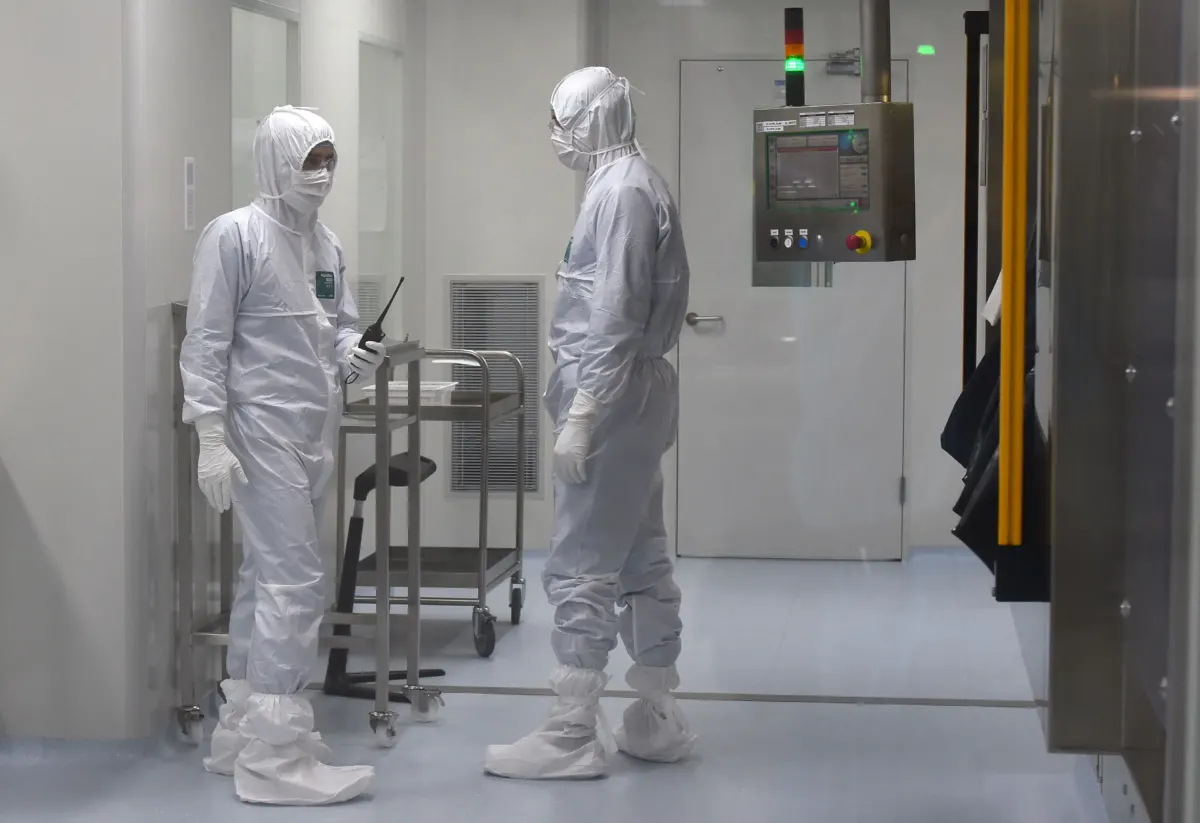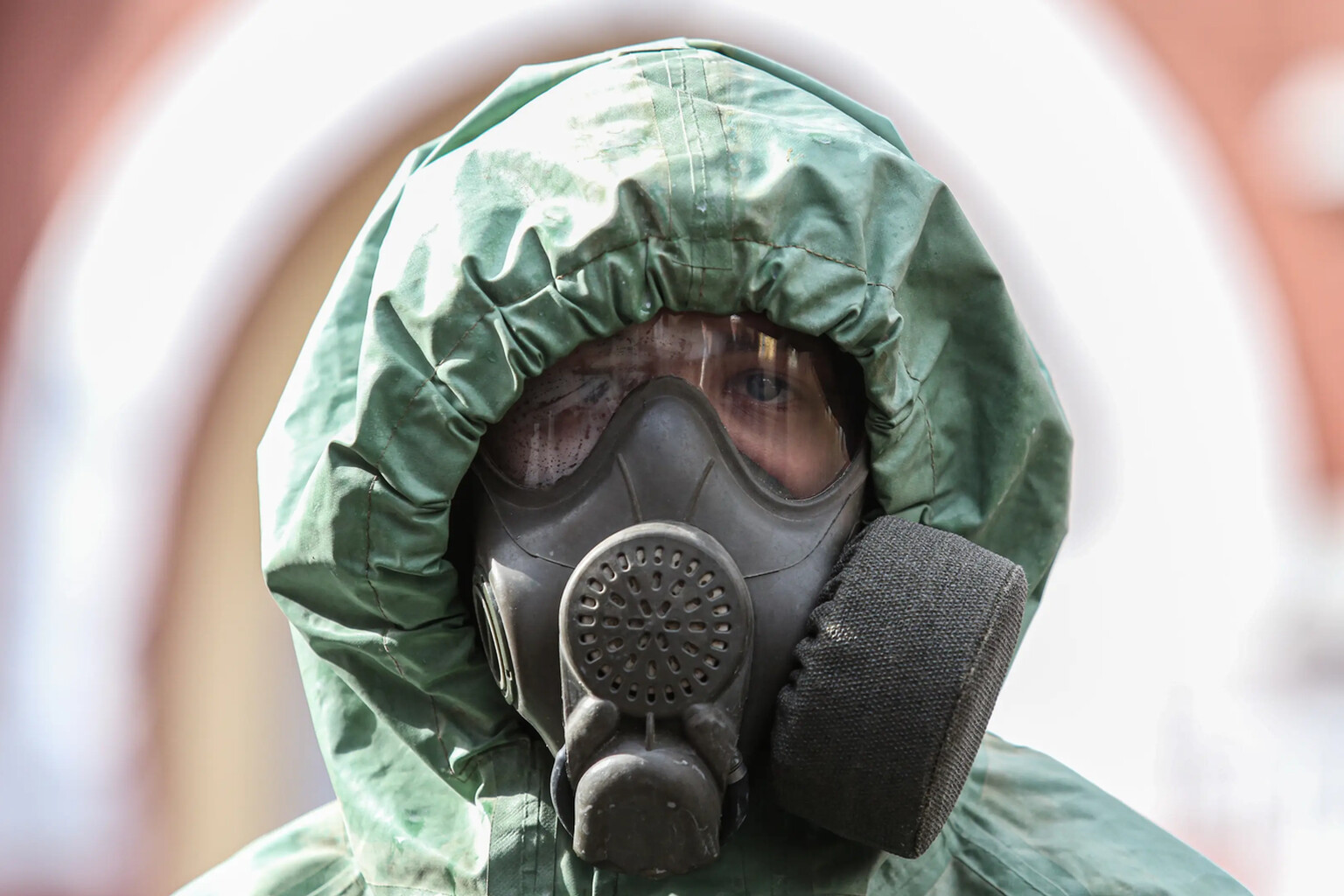
A former US defense official warned that pneumonic plague could spread “pretty quickly” from Siberia if the suspected Russian lab death is confirmed.
Dr. Andrew Weber, who toured former Soviet laboratories during his Pentagon career, told The US Sun that the illness that killed lab worker Daria Shipilova would merit immediate airport screening in London. “If it’s pneumonic plague, which spreads through the air, it could spread pretty quickly,” he said.
“If I were a public health authority in London, I would be monitoring flights and passengers coming from the region and screening them at the airport,” Weber added.
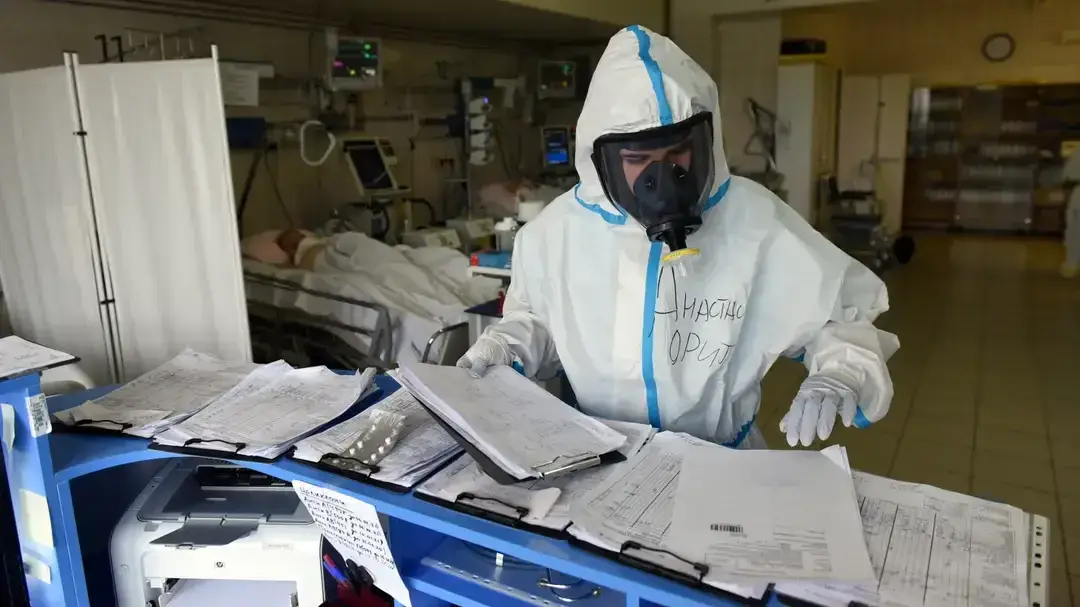
Russia’s national public health agency, Rospotrebnadzor, denies that Shipilova was exposed to plague bacteria at work. The agency attributes her death instead to “pneumonia of unknown aetiology.” The denial has not stopped a sweeping lockdown: roughly 190 people connected to the site have been placed under medical observation and hospitals have been restricted.

Pneumonic plague attacks the lungs and can pass directly between humans, unlike the better-known bubonic form that relies on flea bites. Antibiotics work if administered early.
Neighboring Kyrgyzstan, Kazakhstan and Mongolia have all tightened travel restrictions on Russia since the incident, The US reports said.
Weber described Russia’s outbreak response as characteristically severe. “In typical Soviet-style fashion, they are very good at quarantine,” he said.
“They isolate people in hospitals to make sure whatever caused her death doesn’t spread further,” Weber continued.
He noted that authoritarian governance enables sharper containment: “Because they are an authoritarian state, their ability to quarantine is much better than in the democratic world.”
The broader context, Weber suggested, involves Russia’s inherited biological research infrastructure. Soviet-era programs collected pathogen samples from rodents and fleas, engineered antibiotic resistance, and funneled the most dangerous strains into weapons development. “They did a lot of work collecting strains from rodents and fleas, enhancing antibiotic resistance, selecting strains resistant to multiple antibiotics, and enhancing virulence,” Weber said.
“Those most dangerous strains were fed into the Soviet biological weapons program.”
What troubles him more than the science is the information vacuum. “The lack of information is very disturbing,” Weber said.
“Putin is a habitual liar and they cover up things that make them look bad. So it wouldn’t surprise me that this is sort of normal procedure…”
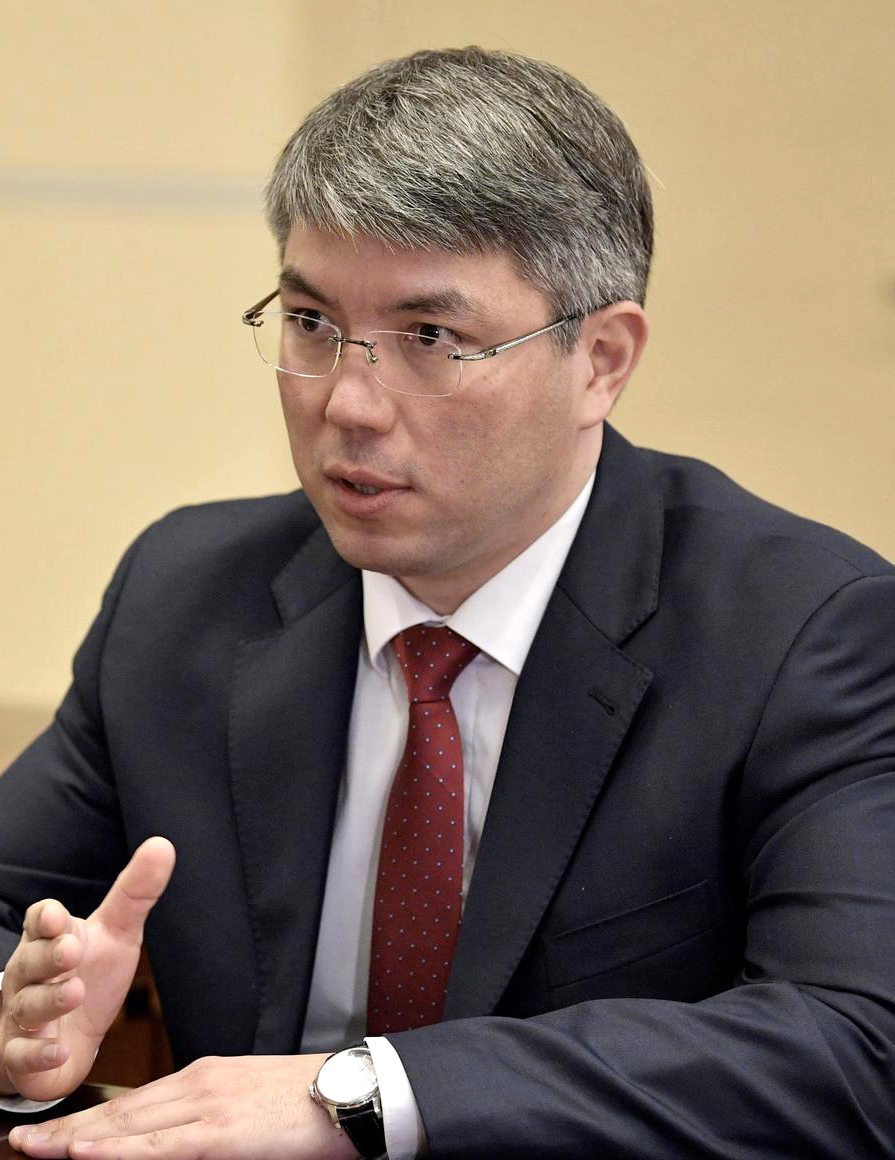
Local officials in Baikalsk posted and then removed a health warning. Alexey Tsydenov, governor of neighboring Buryatia, initially wrote that Shipilova died of plague, later editing his post to say she “may have died of plague.” Anna Popova, Russia’s state sanitary doctor, traveled to the region after the case surfaced but has not publicly explained the emergency measures, according to Russian media accounts.
Simon Clarke, who leads biomedical studies at Reading University, attributed the obfuscation to national pride. “They cover it up because they’re embarrassed,” he said.
“It looks bad, it looks amateur, not something that happens in a properly developed nation.”
The international response has reached the highest levels in Washington. US Secretary of State Marco Rubio said, “We’re watching and monitoring it closely.” President Donald Trump offered American assistance: “We’ll help them, we’ll help them as much as we can,” he said.