

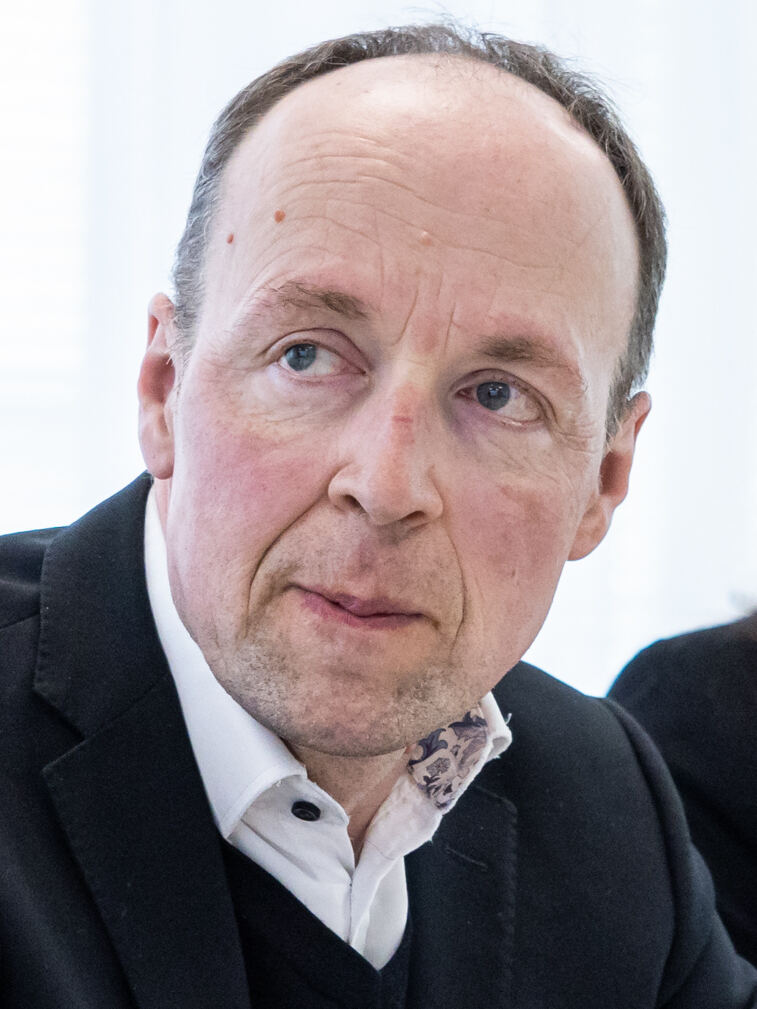
Finland’s parliament speaker has opened a formal investigation after roughly 20 MPs reported mysterious home intrusions.
Jussi Halla-aho, the speaker of the Finnish parliament, confirmed the probe last week following a wave of break-ins targeting legislators across the country. The incidents have struck senior figures from multiple parties, with intruders leaving deliberate clues of their presence while stealing nothing and causing no visible damage.
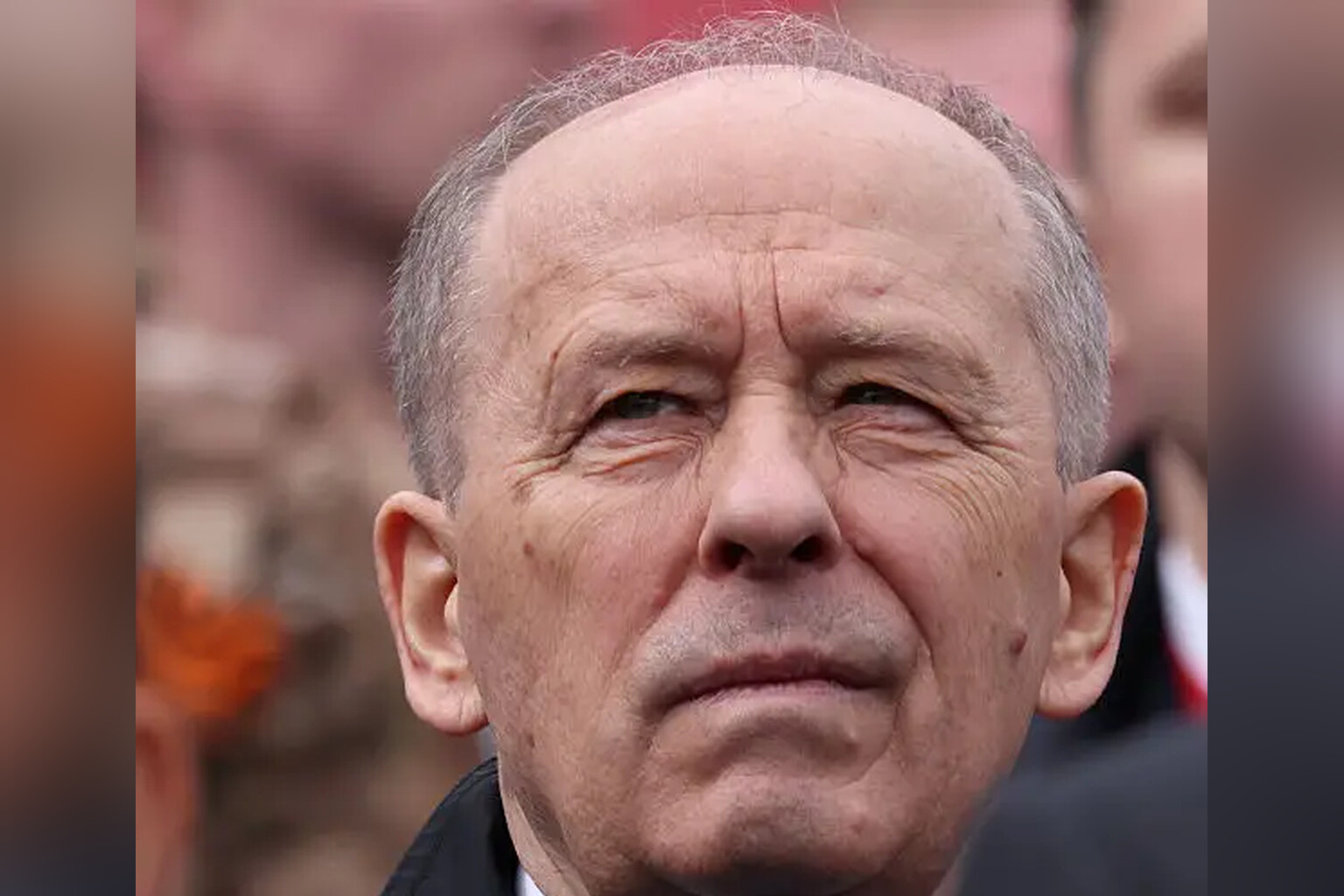
Ben Zyskowicz, a senior MP for Finland’s ruling center-right National Coalition Party, pointed directly at Moscow. “It’s a way for the Russian intelligence service to show that people are being monitored, a way to create confusion or concerns,” he said. Zyskowicz, 70, is among the most prominent Finnish politicians to publicly blame Russia for the campaign.
The methods have been startlingly crude. One MP discovered feces left in his toilet after an intrusion. Halla-aho noted that in each case, someone had clearly entered the residence, yet locks showed no signs of forced entry and no property was taken. “I cannot comment precisely on the number of suspicious cases known to us, but in any event it is a significant number,” he added.
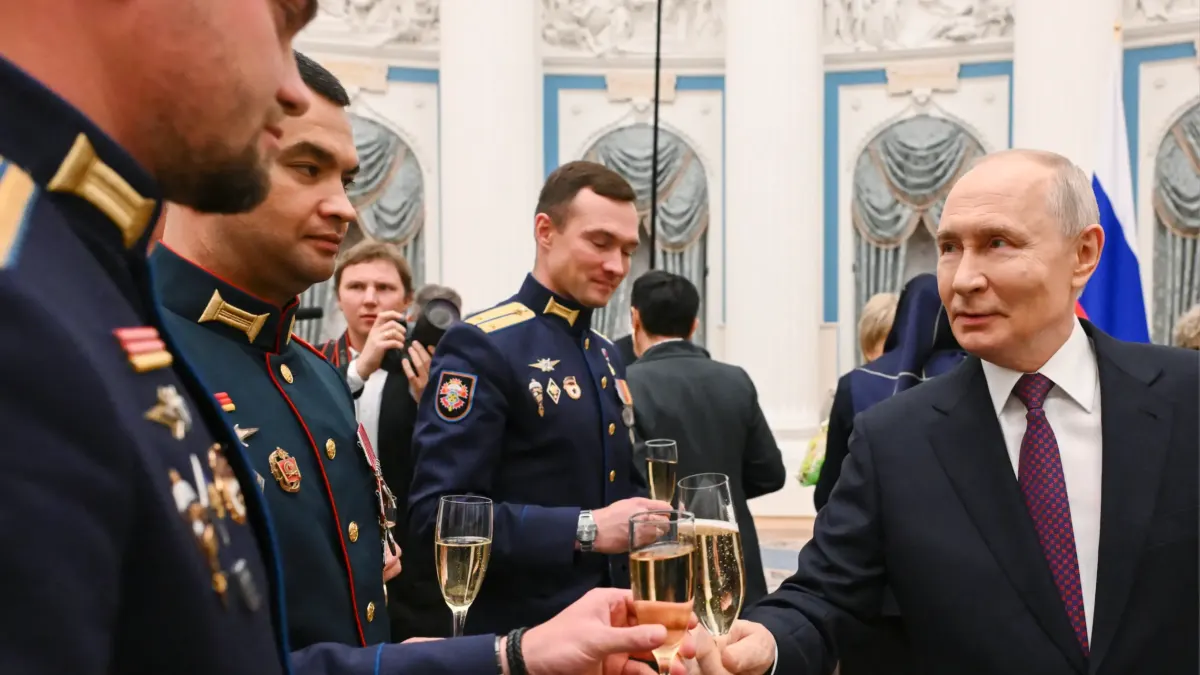
Finnish President Alexander Stubb weighed in with forceful support for the targeted legislators. “An attack on a member of parliament is an attack on democracy. It should not be allowed or accepted in any form… I stand in support of every member of parliament,” he said. His statement came as Finland approaches parliamentary elections just six months away, a timing that has authorities particularly vigilant for Kremlin interference.
The tactics echo long-established Russian intelligence practices. The US State Department has previously documented what it terms “home intrusions,” in which agents rearrange personal belongings, open windows, or trigger alarms to unsettle and demoralize their targets. More visceral methods have also been recorded: agents from Russia and other states with aggressive security services have urinated in diplomats’ and journalists’ toilets to demonstrate unfettered access to private spaces.
A 2023 Wall Street Journal report detailed one especially brazen case, when a Russian Federal Security Service agent defecated in a senior US official’s suitcase during a visit to Russia. Former BBC Russia correspondent Sarah Rainsford wrote in her memoir “Goodbye to Russia” that spies who entered her Moscow apartment left “a large unflushed deposit in each toilet” as their calling card.
Guardian reporter Luke Harding, expelled from Russia in 2011, claimed FSB officers repeatedly broke into his apartment there, once leaving a sex manual among his possessions. In his book “Mafia State,” Harding traced the psychological operations to KGB research in the 1960s, when Soviet agents studied techniques developed by East Germany’s Stasi.

The Stasi’s “Zersetzung” program aimed to destabilize dissidents through subtle home invasions—removing pictures from walls, swapping tea varieties, and other gaslighting tactics designed to make targets question their own sanity. Some victims suffered breakdowns or died by suicide. Writer Jürgen Fuchs, who was targeted before his death in 1999, called the technique “an assault on the human soul.” He believed the secret police had deliberately exposed him to radiation that caused his terminal cancer, after three fellow dissidents died in close succession from similar rare leukemias.
Finland’s current situation marks the first known deployment of such intimidation tactics against Finnish politicians, a development that has alarmed security officials. The country has become a particular Kremlin target since joining NATO following Russia’s 2022 full-scale invasion of Ukraine, ending decades of carefully maintained neutrality.

The break-in campaign comes as Finnish authorities brace for broader Russian sabotage and influence operations ahead of April’s parliamentary vote. Intelligence officials across the Baltic region have warned that Moscow is escalating hybrid warfare against NATO’s newest members, with Finland’s long border with Russia making it especially exposed.