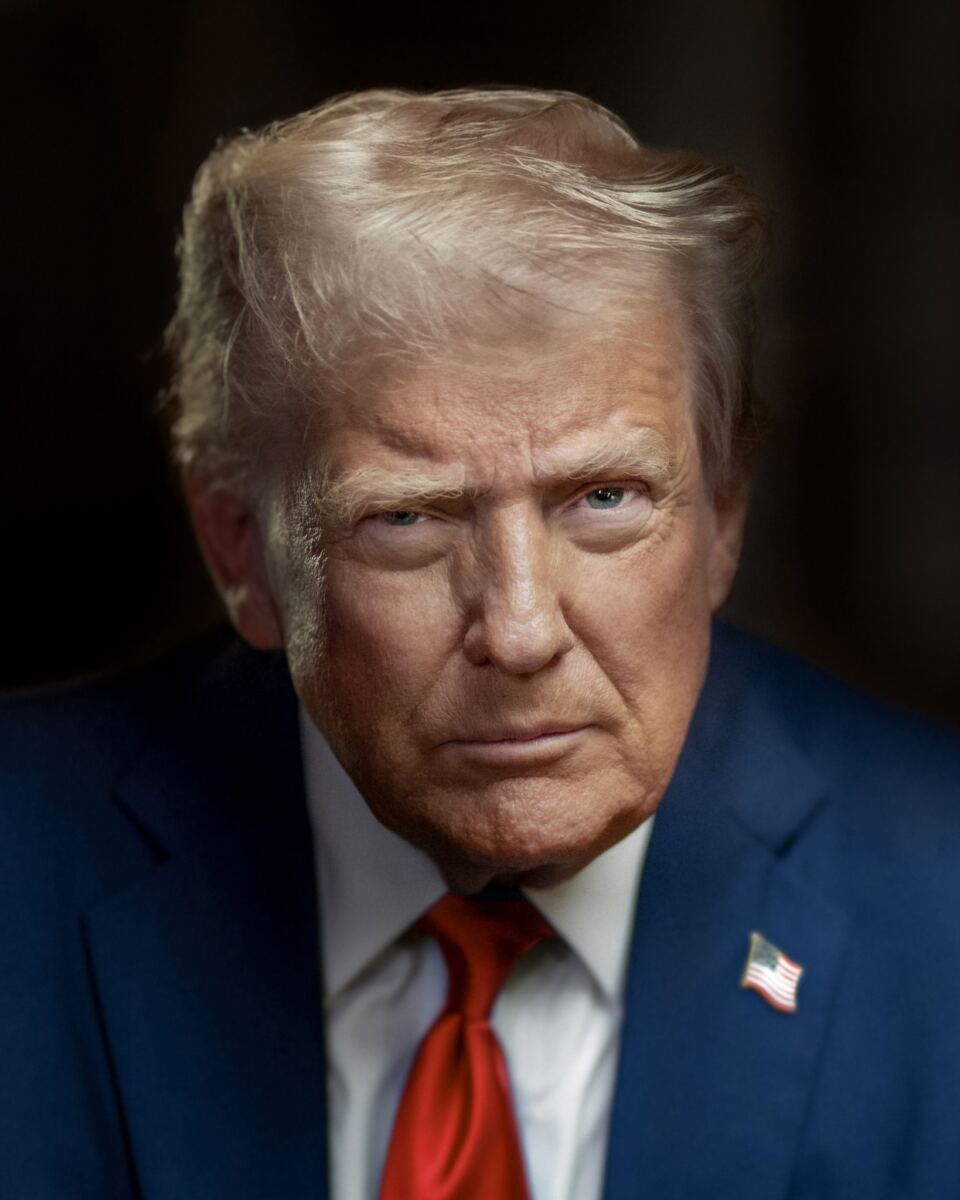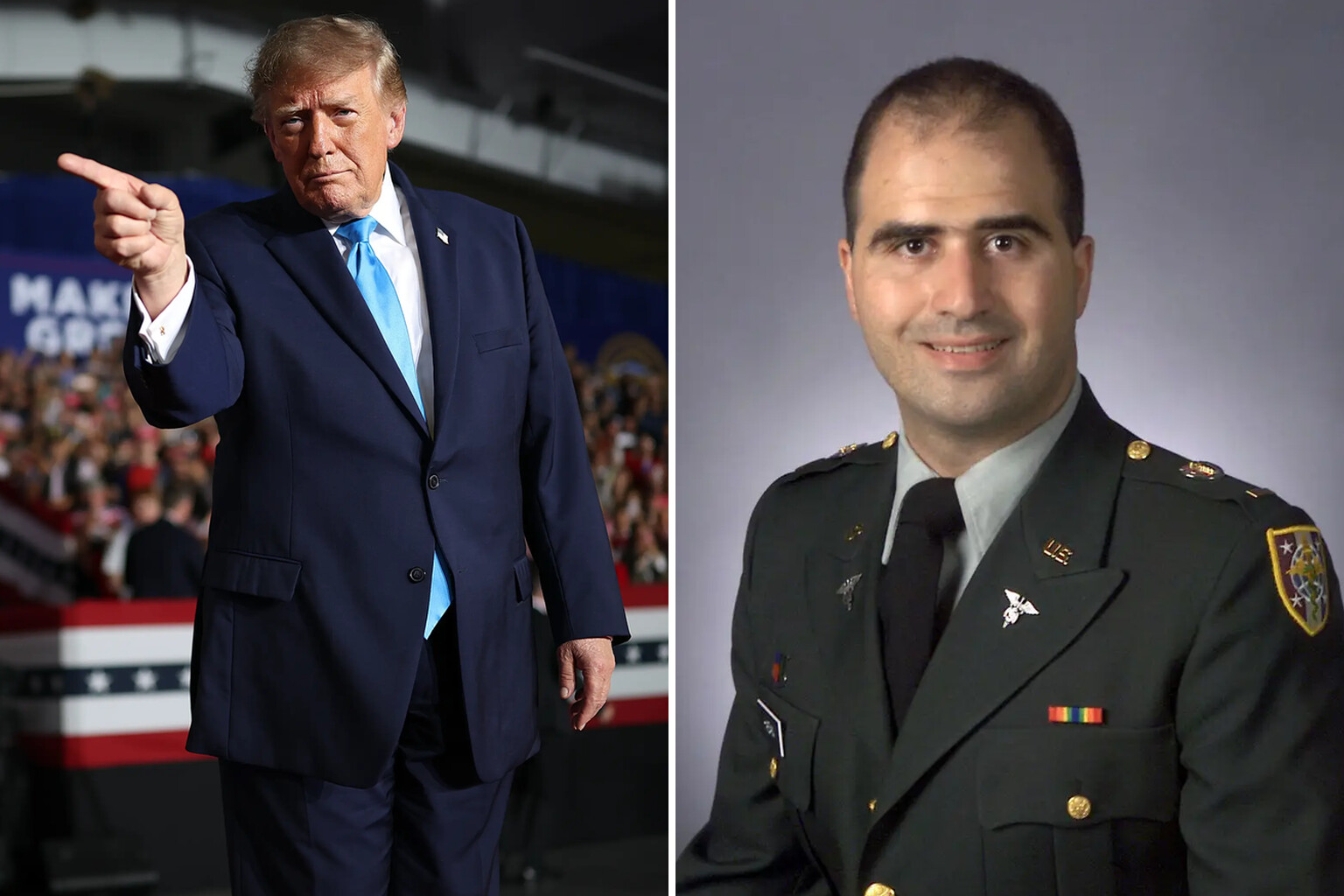
President Trump has approved the first U.S. Military death sentence by firing squad in more than 80 years.
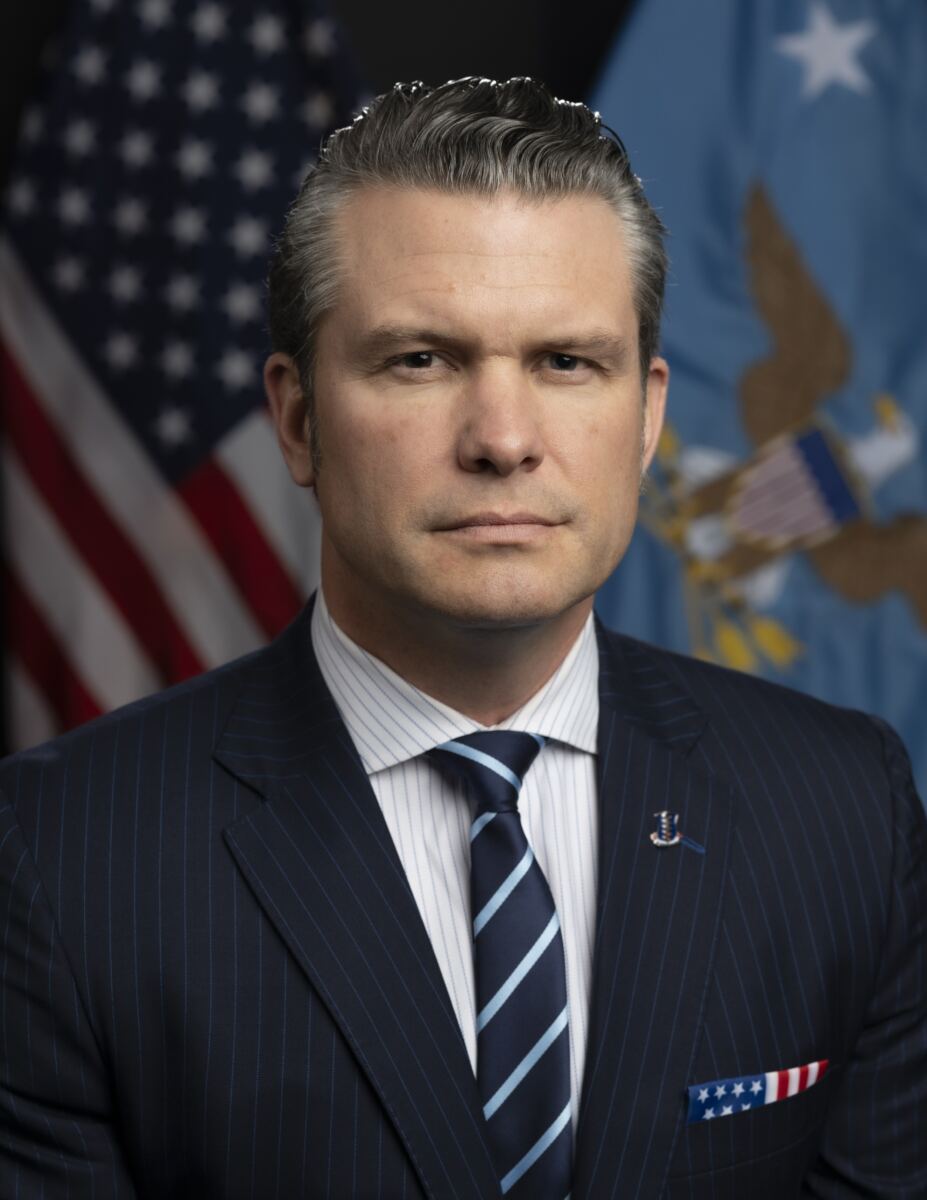
The Pentagon announced the decision on Sunday, targeting former Army psychiatrist Nidal Malik Hasan, 56, who has sat on military death row since 2013 for the deadliest non-combat attack ever carried out on an American military base. Secretary of Defense Pete Hegseth recommended the unusual method, which breaks from the lethal injection used for nearly all civilian executions in the United States.
Pentagon spokesperson Sean Parnell wrote in a statement: “Secretary of War Pete Hegseth has recommended – and President Donald J. Trump has approved – death by US Army firing squad for convicted terrorist Nidal Malik Hasan, the jihadist who opened fire on unarmed American soldiers at Fort Hood in 2009.”
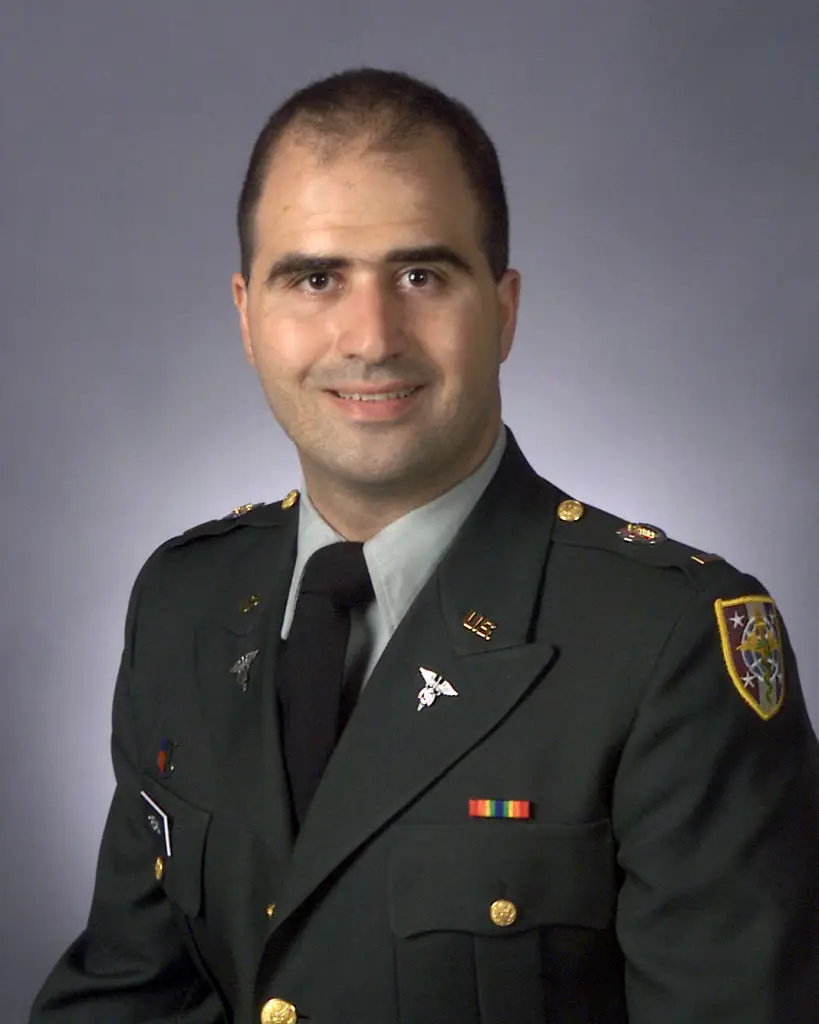
Parnell continued: “He killed 13 people and wounded 32 others while shouting ‘Allahu Akbar’ during the attack. The Secretary of the Army will set the time and place of the execution,” He added separately: “Judgement day for Hasan has finally come.”
The last American service member put to death by firing squad was Pvt. Eddie Slovik, 24, who was executed for desertion during World War II. The most recent military execution of any kind came in 1961, when Pvt. John Bennett was hanged for the rape and attempted murder of an 11-year-old girl.
Hasan’s case has remained among the most closely watched on the military’s death row, which holds only four inmates total. The others are Ronald Gray, sentenced in 1988 on 14 charges including two murders and three rapes; Timothy Hennis, convicted of a 1985 triple murder and sentenced in 2010; and Hasan Akbar, who killed two officers and injured 14 soldiers in Kuwait in 2003 and received his death sentence in 2005.
During his 2013 court-martial, Hasan, who represented himself, admitted to the massacre and apologized for what he termed “any mistakes” he had made. His stated legal defense—that he acted in “defense of others”—collapsed when pressed by the judge. Hasan identified those others as “The leadership of the Islamic Emirate of Afghanistan, the Taliban.”
The shooting unfolded on November 5, 2009, at the sprawling Texas installation. Witnesses initially told the court they believed the chaos was a training exercise, with some thinking they had been struck by paintballs until they saw blood. Sgt. 1st Class Maria Guerra testified that the room went silent after the first volley. “There was no movement. There was no sound. So I yelled out, ‘Is everybody OK?’ I started hearing, ‘Help me. I’m bleeding. I’ve been shot. Help me.'”
Guerra further alleged she heard a woman cry out: “Please don’t, please don’t, my baby, my baby.” That voice reportedly belonged to Pvt. Francheska Velez, 21, who was pregnant with her first child and due to return home from Iraq. She was among the 13 killed.
The Trump administration has recently expanded approved federal execution methods to include firing squad, electrocution, and gas asphyxiation for the most serious crimes, reversing the narrow reliance on lethal injection that has dominated American capital punishment for decades.
Death Penalty Action, an organization opposing capital punishment, issued a statement following Sunday’s announcement. “There is nothing Donald Trump loves more than the power to kill. In his first term he oversaw more executions than any president since FDR,” the group wrote. It continued: “If it actually happens, this will be the first military execution since 1961. Truly, this is just another distraction and a ploy to stem his record low approval ratings.” The organization added it would oppose any military execution just as it had protested every federal execution during Trump’s first term.
Under military law, no service member can be executed without direct presidential approval, a requirement that made Trump’s signature the final procedural step before the Army secretary could schedule the time and place.