

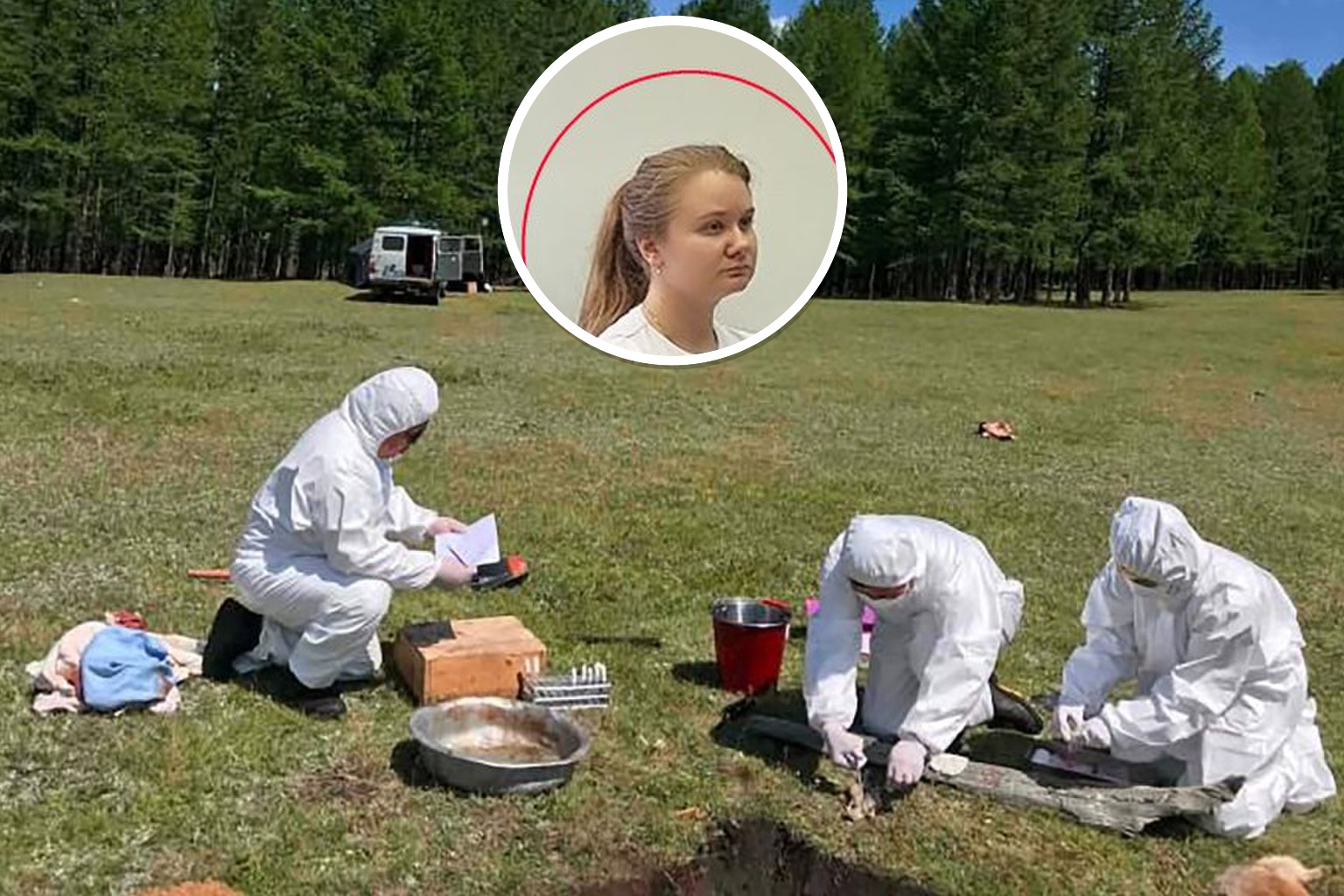
Russia’s neighbors have tightened border health screenings and epidemic protocols after a young lab technician died in Siberia following a suspected plague exposure.
Daria Shipilova, 28, died Oct. 1 at a hospital in Shelekhov, a town near Irkutsk, after accidentally breaking a test tube containing Yersinia pestis bacteria at the Irkutsk Anti-Plague Research Institute of Siberia and the Far East on Sept. 25, according to reports. She had been hospitalized four days later with severe pneumonia.

Nearly 200 of Shipilova’s contacts were placed under medical observation after her death, with hospital quarantines instituted across the region by Russian health officials. The World Health Organization reported that all 187 monitored contacts remain symptom-free.
Four Central Asian countries have now activated enhanced measures. Kazakhstan, which shares a 4,750-mile land border with Russia, has deployed thermal imaging and monitoring at border checkpoints and international airports for passengers arriving from Russia. Kyrgyzstan put all regional ports of entry on high alert Saturday, with health screening protocols for individuals, buses and commercial cargo moving from or through Russia, according to a Kyrgyz Ministry of Health statement citing “information about a registered case of plague.”
Tajikistan has directed health facilities and infectious disease teams to prepare isolation protocols for any patients showing acute respiratory symptoms or unexplained fever. Uzbekistan raised the alert level of its relevant services over Sunday and Monday.
Elena Sofyina, Deputy Mayor of Shelekhov, sought to downplay the situation on Tuesday. “The situation is completely under control,” she said, as reported by Baikal People.
“A dangerous diagnosis has not been confirmed, but we are still following all protocol measures,” she added.

The response has drawn international political attention. Russian authorities rejected an offer of assistance from the Trump administration after the President addressed reporters outside the White House on Monday and offered to support Russia “with the pneumonia situation.”
Domestic media coverage of the incident has faced apparent suppression. As of Tuesday, the government-backed REN TV network had deleted all five of its posts about the possible outbreak, according to independent Russian outlet People of Baikal. No further cases of possible pneumonic plague have been confirmed by Russian authorities since Shipilova’s death.
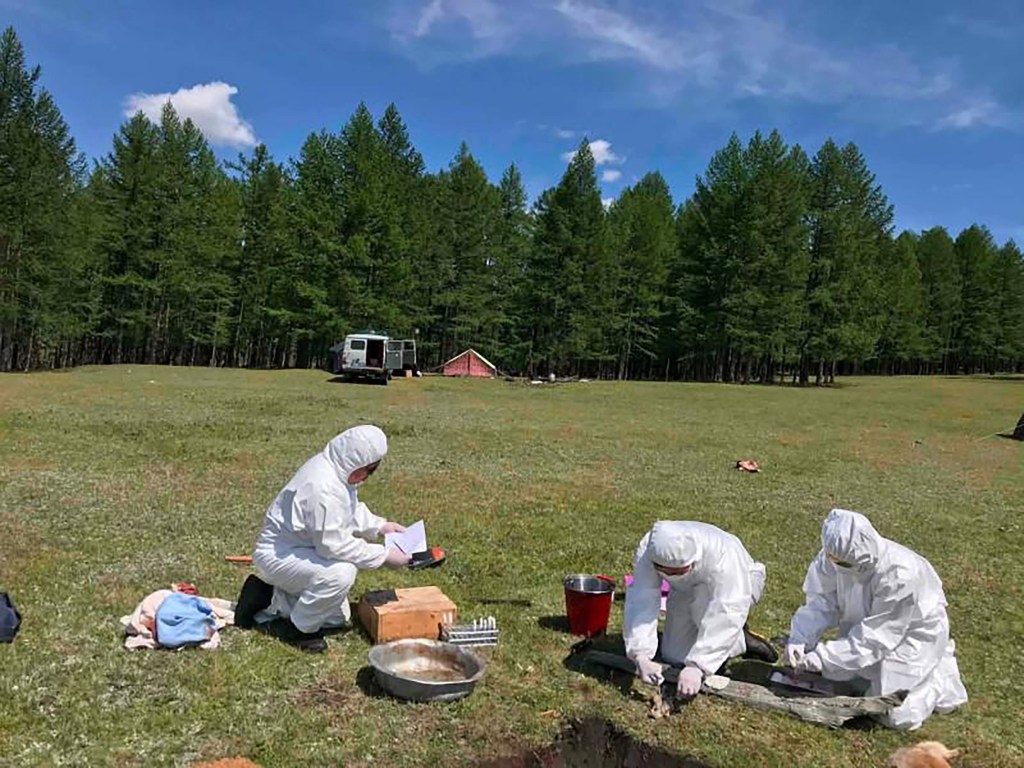
The Irkutsk Anti-Plague Research Institute of Siberia and the Far East, where Shipilova worked, is one of several specialized Soviet-era facilities that continue to handle dangerous pathogens across Russia’s vast territory. The institute focuses on research and monitoring of plague and other particularly dangerous infections in Siberia and Russia’s Far East.
Shipilova was hospitalized in Shelekhov on Sept. 29, two days after the laboratory accident, and died two days later.
The case has revived scrutiny of laboratory safety protocols at Russian anti-plague facilities, which maintain stockpiles of Yersinia pestis for research and diagnostic purposes. Pneumonic plague, the lung-infection form of the disease, can spread between people through respiratory droplets and is fatal without prompt antibiotic treatment.

Russia’s public health service Rospotrebnadzor typically coordinates responses to suspected plague cases, working with regional authorities to trace contacts and implement quarantine measures.