

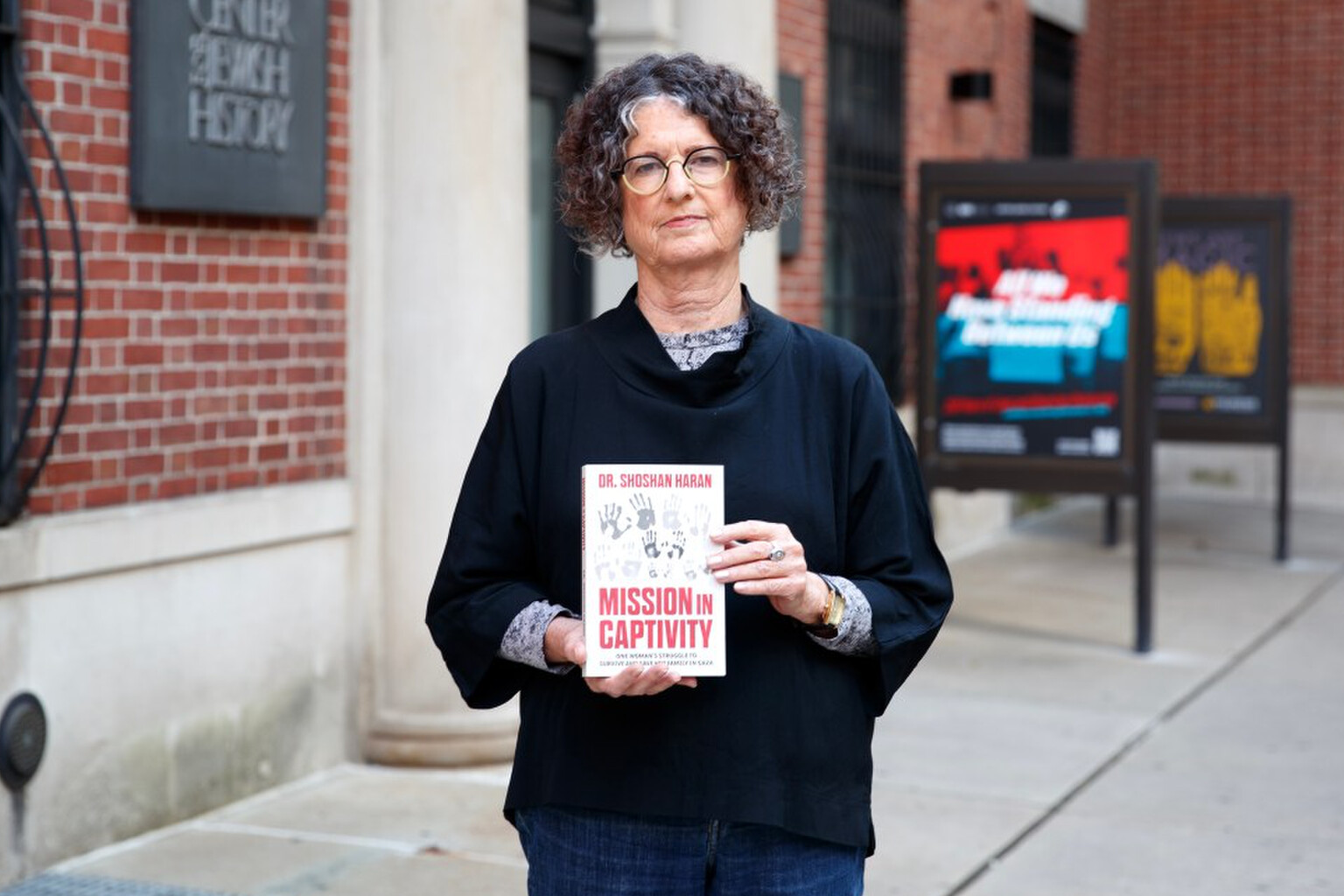
Dr. Shoshan Haran has published a memoir recounting the 50 days she spent in Hamas captivity alongside her daughter, two grandchildren, sister-in-law and niece.
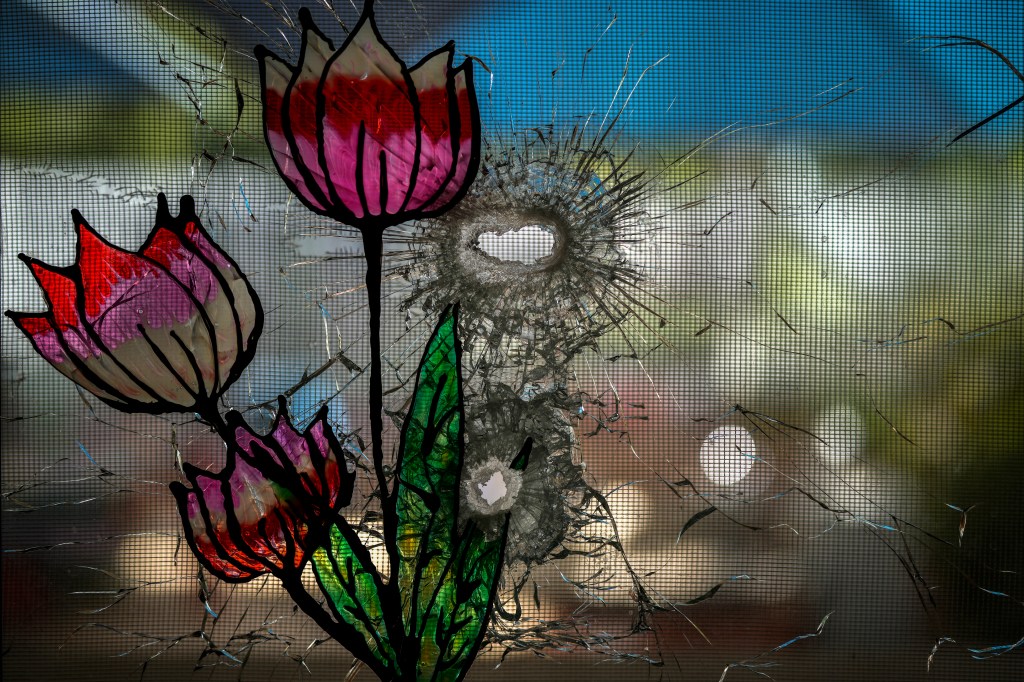
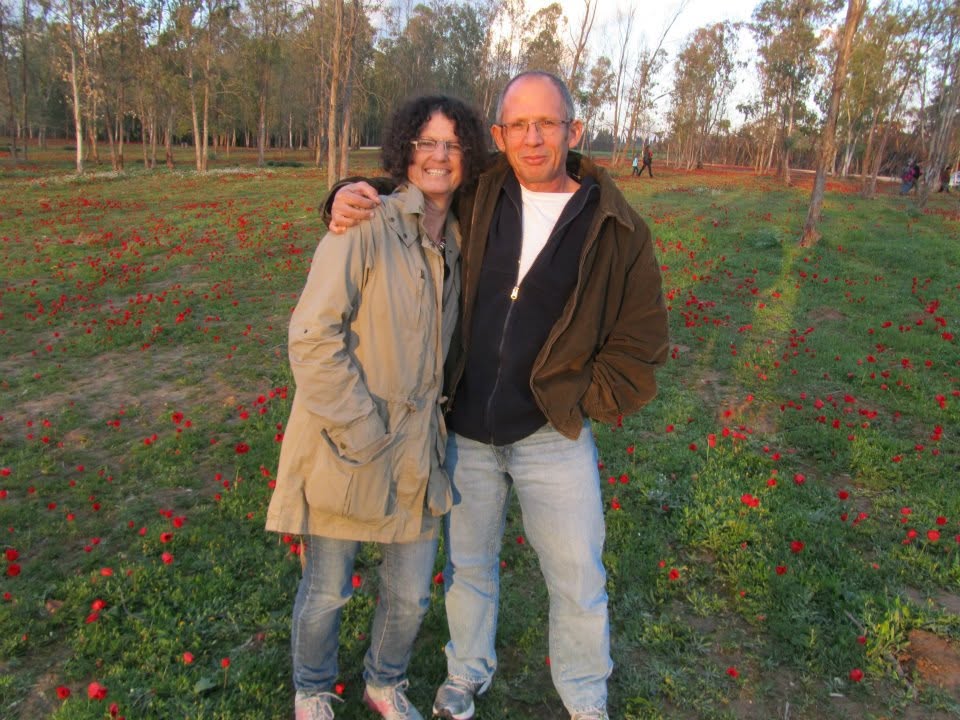
Haran, an agricultural scientist and founder of the non-profit Fair Planet, was taken from her home in Kibbutz Be’eri during the October 7, 2023 attack that killed 102 members of her community. Among the dead were her husband Avshalom, her younger sister Lilach, Lilach’s husband Evyatar, and his caregiver Paul. Her son-in-law Tal Shoham was held separately for 505 days before his release.
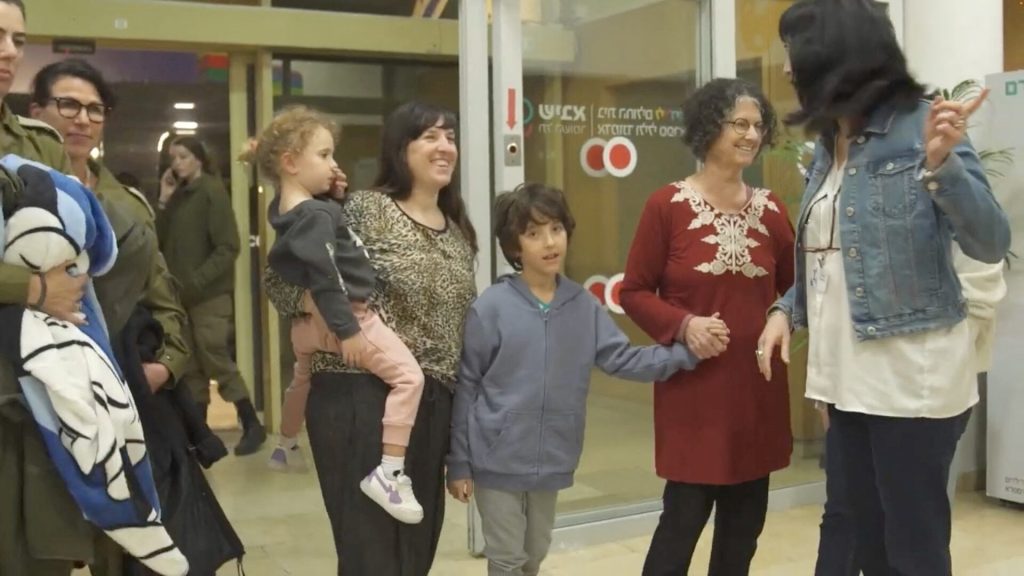
The book, titled “Mission in Captivity: One Woman’s Struggle to Survive and Save Her Family in Gaza,” details how Haran was moved between private homes above ground rather than held in the underground tunnels where many hostages were kept. In the fourth apartment, she noted soft carpets and a “lavish chandelier” — signs, she recognized, of a well-off family. “By holding us within private family homes,” she told The Post, “they use us as human shields. They understand that the IDF will refrain from striking locations where hostages are known to be, effectively turning our presence into a personal shield for the captors and their families.”
The first apartment contained a cardboard box beside a blue double sofa, stuffed with toys including Winnie the Pooh and two blue Smurfs. For Haran, these seemingly innocuous items pointed to premeditation: the Hamas-led terrorists had planned to take children captive. “It’s so vicious that it’s hard for me to express how you could use young children as bargaining chips,” she said.
Inside the homes, all captors called each other “Muhammad” to hide their identities. Haran focused on building rapport with one she named “Son Muhammad,” deliberately creating human interaction to improve conditions. “I understood that creating human interaction will improve our conditions,” she writes. “It was a way to get more attention and better treatment for the children.”
An avid reader, Haran drew on Holocaust survivors’ psychological techniques to endure. “I understood that I could not show any weakness,” she told The Post. “Once you show weakness, you are going to be treated in a bad manner. I never cried during these 50 days. I demanded that they respect us.”
After her release, the head of Israel’s secret service told her that “the way I behaved and communicated with [the captors] greatly improved the way they treated us.”
The armed captors played Connect Four and indoor basketball with her grandchildren Yahel, then 3, and Naveh, then 8, staged popcorn parties, blew bubbles, and watched plays the children invented. Haran described Son Muhammad as “one of the people with the most acute emotional intelligence I have ever met,” while adding that she does not excuse his actions. “If only Son Muhammad had received a different education,” she writes, “he and his friends could have developed their abilities and built better lives for themselves and their families. They could have become people who strove for peace, a bridge in the service of harmonious coexistence. Everything comes down to education.”
Held a mere “twenty-minute drive” from Be’eri, Haran said captivity felt like being “part of a group of astronauts in a spaceship flying through a ruthless universe; only, unlike a real spaceship, this one is full of terrorists pointing their guns at us.”
On the day of the attack, Haran had packed for a flight to the Netherlands to meet seed producers for her work providing high-quality seeds and modernized farming knowledge to African farmers. Three years later, she blames over-reliance on technology for Israel’s failure to prevent the assault. “The main problem was that the IDF and other security bodies were relying too much on high-tech sensors and cameras and neglected watching the border with officers and soldiers guarding in real time,” she told The Post. Only an “independent, structured investigative committee will get to the real roots of this big failure,” she added.
Her sole “interaction” with the United Nations in Gaza came when captors gave the children notebooks by UNRWA. After her release, she addressed the UN Security Council in May 2024 at the invitation of former US Ambassador Linda Thomas-Greenfield, in a session condemning hostage-taking as “a psychological tool of terrorism.” Her message was direct: “If you care about the Palestinian people in Gaza like me, the only thing you need to focus on is the release of all the hostages because this is what’s kept the war so long and this is what made the Palestinians miserable.” She noted that China and Russia then refrained from condemning Hamas, preventing the Council from designating it a terrorist organization.
Haran remains hopeful that 90 percent of displaced Be’eri residents will return by July 2027.