

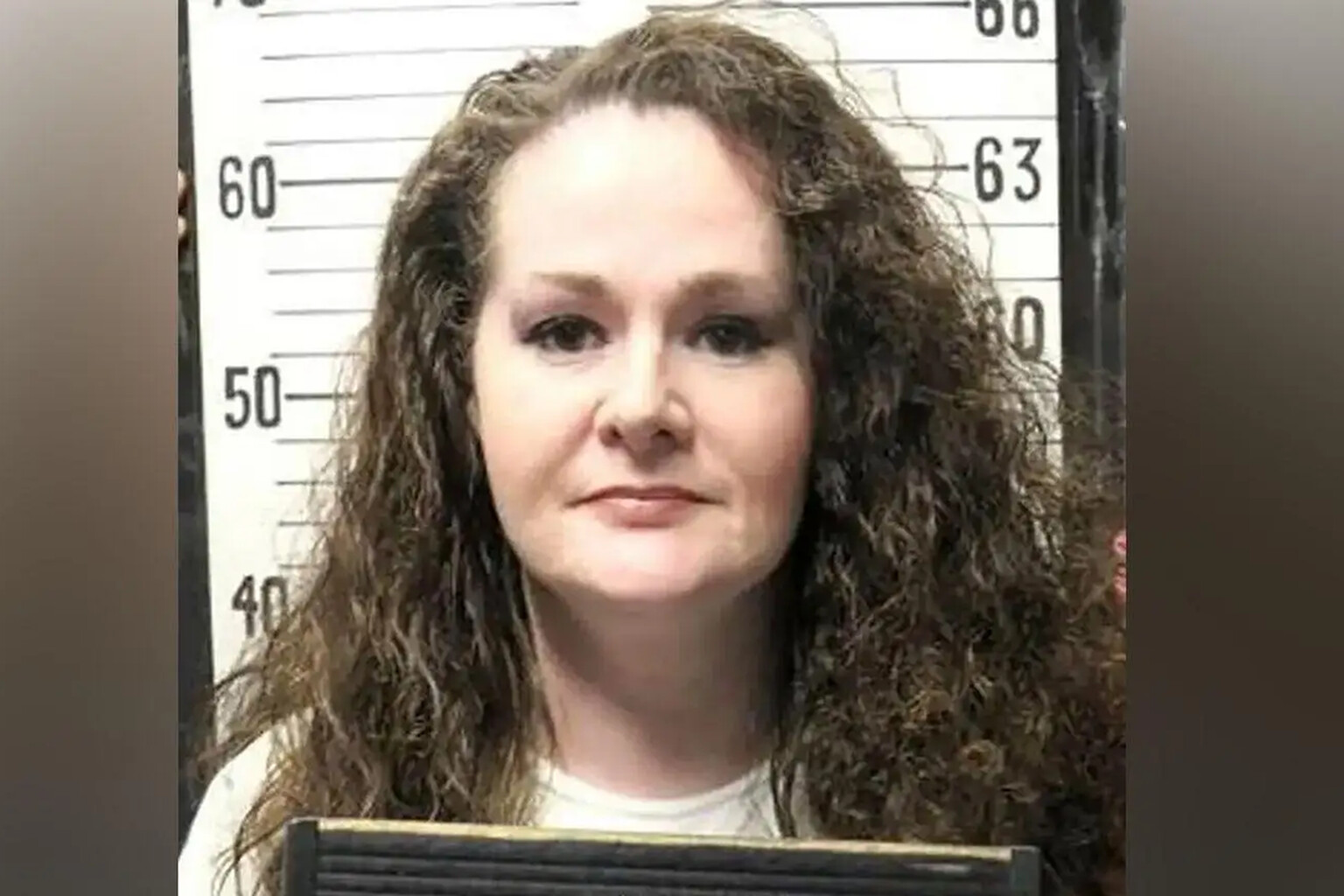
Christa Pike has regained consciousness after becoming the first person to survive full doses of lethal injection drugs.
Pike, 50, is “conscious and speaking” following the botched execution last Wednesday, September 30, at a Tennessee prison, her attorneys confirmed. She remains hospitalized in critical condition as specialists work to clear the toxic chemicals from her system and treat severe damage to both arms.
Her legal team said faulty IV lines caused the lethal drugs to leak into surrounding tissue rather than entering her bloodstream directly. Both arms became “swollen, burned and blistered” from the failed administration, according to the statement from her representatives.
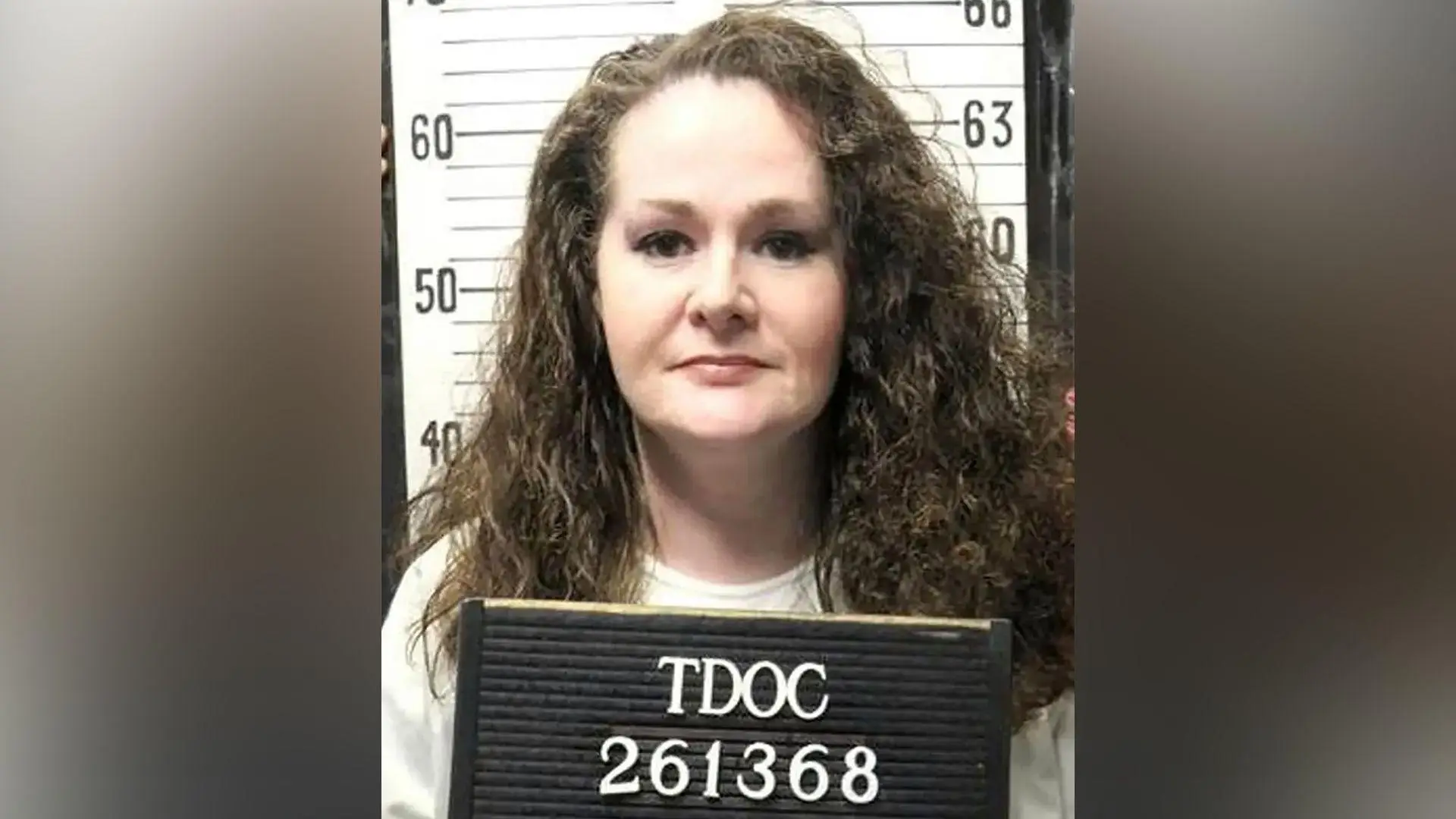
“Against all odds, Christa Pike is conscious, speaking, and continues to receive critical medical care,” her attorneys said in their statement.
“Her prognosis remains unclear but, at a minimum, we expect a long recovery.”
The failed execution left Pike unconscious for days as medical staff worked to stabilize her. She had been scheduled to become the first woman executed in Tennessee in two centuries for the 1995 murder of her classmate Colleen Slemmer, whom Pike killed when she was 18. She has been incarcerated since 1996.
The case now enters legal territory not tested in decades. The U.S. Supreme Court last addressed whether a surviving inmate could face a second execution attempt in 1947, leaving current officials without clear precedent.
“We’re in uncharted territory,” said Robin Maher, executive director of the nonprofit Death Penalty Information Center, in an interview.
“The U.S. Supreme Court has not decided whether a second execution attempt would violate the constitution since 1947. These are questions that have never needed to be asked before and no one knows the answers.”
Whether Tennessee will attempt to execute Pike again remains undetermined. Her former attorney had previously indicated that severe brain damage or incapacitation would likely prevent a second attempt, though Pike’s regained consciousness complicates that calculus.

Gov. Bill Lee halted the state’s one remaining scheduled execution for 2025 pending investigation into the Pike incident. He has not responded to repeated calls from Pike’s attorneys to commute her sentence to life imprisonment.
The case has already carried substantial taxpayer costs. An anti-death penalty group estimates Pike’s case has exceeded $3 million, with intensive care hospitalization adding significantly to that total. Published Nashville hospital rates suggest six days of ICU treatment alone could generate approximately $26,000 in bills, exclusive of round-the-clock security and continuing legal expenses.
Tennessee’s execution difficulties extend beyond Pike. In May, inmate Tony Carruthers also survived a botched execution when staff failed to establish a required second IV line. After more than an hour strapped to the gurney, officials abandoned the attempt. Carruthers received a one-year reprieve, preserving the option for a future execution attempt.
Pike’s former attorney had said that incapacitation from the first attempt would likely foreclose a second try, though no official determination has been made given her unexpected recovery.

Pike was 18 when she murdered Colleen Slemmer, a fellow student, in 1995. The killing led to her 1996 incarceration and eventual death sentence. She spent three decades on death row before the September 30 execution date.
Tennessee’s next scheduled execution remains pending pending the governor’s investigation.