

Starbucks is fighting back against a lawsuit that claims its “sugar-free” protein drinks are anything but.
The coffee giant, 54, was hit with a proposed class-action complaint last week in federal court in Seattle over eight protein lattes and matcha drinks still listed on its website as “sugar-free” as of Wednesday, Oct. 7. The filing alleges the beverages contain between 13 and 21 grams of sugar, a figure that dwarfs the 0.5-gram federal limit per 12-ounce serving for products bearing that label.
Steve Berman, co-founder and managing partner of the law firm Hagens Berman, brought the case on behalf of three consumers who purchased the drinks in California, New York and Washington. He came out swinging in a press release announcing the litigation.
“Twenty-one grams is hardly ‘sugar-free,'” Berman said. “Consumers avoid sugar for various reasons whether that be general health, diabetes and blood glucose levels or other factors, and for many, a staunch mislabeling like this is significant.”
He kept the pressure on with a sharp comparison. “Beverages with this much sugar are like drinking a candy bar.”
The lawsuit accuses the chain of “false, deceptive and unlawful” naming and marketing, and further claims it violated federal labeling regulations. The complaint asks for monetary damages for purchasers and a court order forcing Starbucks to drop the “sugar-free” designation.
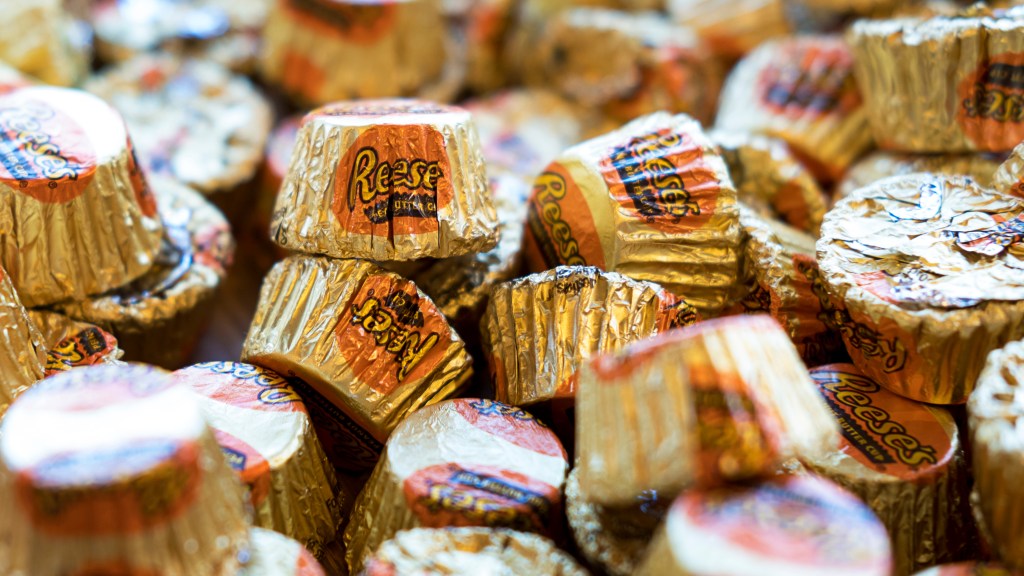
The numbers cited in the filing stand in stark contrast to familiar treats. A 16-ounce “sugar-free caramel protein matcha” lists 16 grams of sugar, according to the suit, while a 20-ounce “sugar-free vanilla protein latte” reportedly contains the same amount. Both exceed the 11 grams in a Reese’s Peanut Butter Cup and the 10 grams in a glazed Krispy Kreme donut.
Starbucks pushed back hard through a spokesperson, who told The Post the company would mount an aggressive defense.
“We believe these claims have no merit,” the spokesperson said. “Starbucks has consistently and clearly provided information about its protein beverages, sugar-free options, customization choices, and nutritional content across product announcements, menus, marketing materials, Starbucks.com and the Starbucks app, and we intend to vigorously defend ourselves in this matter.”
The dispute hinges on a linguistic fine point that has split online commenters. Starbucks maintains the drinks contain no added sugar, only lactose naturally present in the protein-boosted milk, with sugar-free syrup providing flavor. On its website, the beverages appear under a “no added sugar options” section rather than a strictly “sugar-free” one.
That distinction has fueled a fierce debate across social platforms. Some users rushed to the company’s defense, parsing the drink names with granular attention.
“All of the ‘sugar-free’ protein lattes are labeled ‘sugar-free vanilla protein latte/match’ or ‘sugar free caramel protein latte/matcha’ the sugar-free label is before the syrup. It does not say the drink is sugar free,” one TikToker noted.
“It’s called a sugar free (syrup) protein latte/matcha indicating the syrup used is sugar free not the [whole] drink as most know milk has natural sugar,” another wrote.
Others rejected that reading as overly generous. “Most of y’all are missing the point they marketed it as sugar free, it’s false advertising,” commented one user. “I get what ppl are saying, but it should be ‘no added sugar’ instead of ‘sugar free,'” another added. “People forgetting diabetes is a thing and that ordering something that is sugar free but actually has sugar is not a good thing,” chimed in a third.
Dana Angelo White, a registered dietitian and certified athletic trainer, dismissed the controversy as overblown when consulted by The Post. She directed her critique at both sides of the fight.
“This entire thing is silly. I don’t blame consumers for being a bit confused, but Starbucks isn’t lying to anyone,” White said. She noted that while the company’s app omits “no added sugars” from the drink names, the ingredient lists reveal no added sugar beyond milk’s natural lactose.
“There is a decent amount of milk because it’s a latte,” she pointed out. “There is also some whey protein isolate which is how they get the protein total so high.”
White drew a sharp nutritional distinction between the disputed beverages and the candy comparisons circulating online. “Milk sugar comes along with plenty of other nutritious attributes including calcium, Vitamin D, B-vitamins and protein,” she said. “This food matrix is very different from candy, plus it is digested more slowly thanks to the protein in it.”
The case lands amid intensifying scrutiny of functional beverage claims, with protein-enhanced coffee drinks surging in popularity among health-conscious consumers seeking convenient nutrition.